 Ver en contexto
 Enviar
 Compartir
 Detalles

 Descargar
 Similares
 Radiografía
 Presentación de diapositivas
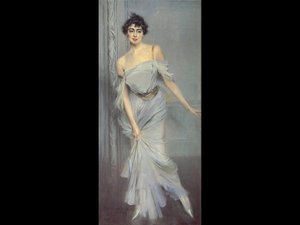
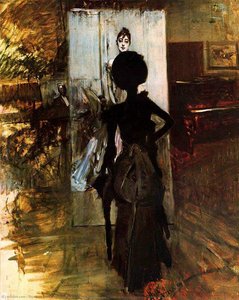
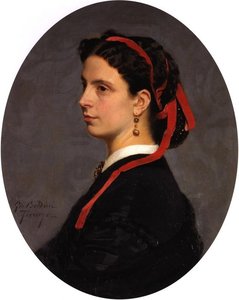
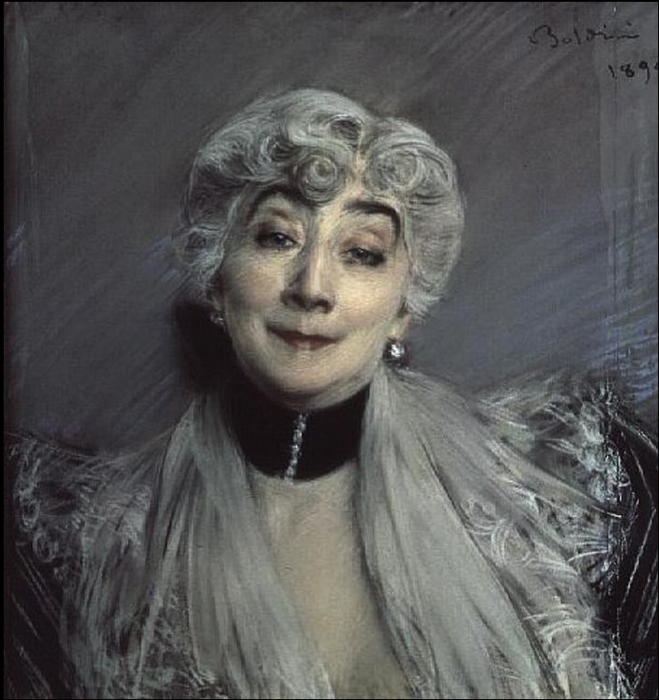
Portrait of the Countess de Martel de Janville


 Ver más
Giclée / Impresión de arte
Impresiones giclée o en lienzo de calidad de museo con producción rápida y opciones de acabado flexibles. ( Comprar pintura hecha a mano Comprar imagen)




P118B $10

P118H $10

P118W $10

P438Z $10

P508JH $12

P508YH $12

P805H $10

P805Z $10

P919BZ $10

P919G $10

P919XJ $10

P959ZH $10

P968JZ $12

W106C $8

W218G $10

W218JH $8

W218Y $10

W307PJ $10

W316G $10

W316PJ $8

W316Y $10

W398PJ $8

W4111J $10

W500HY $15

W500JH $15

W692G $12

W849H $8

W940BG $15

W953PJ $8




Elija entre nuestros tamaños predefinidos que respetan las proporciones originales de la obra.

Puede introducir sus propias dimensiones para adaptarse a un marco o espacio específico. Si el tamaño seleccionado no coincide con las proporciones de la imagen original, recortaremos la obra de arte o extenderemos la imagen con un borde con efecto espejo o de color sólido. Se enviará una maqueta digital para su aprobación antes de que comience la producción.
Tenga en cuenta que la vista previa en pantalla no refleja el recorte o la extensión real. Solo la maqueta mostrará con precisión la composición final.
Aunque existen tamaños personalizados, recomendamos seleccionar una dimensión de la lista predefinida para preservar las proporciones originales.
Envío a todo el mundo () en 2 semanas en lugar de las 4/5 semanas estándar. (29 agosto)

Envío exprés gratuito a todo el mundo

Lienzo de lino de alta calidad

Seguro de envío total

Garantía de reembolso de impuestos aduaneros

Garantía de fidelidad cromática exacta

Política de devolución de 60 días (solo por defectos)

Garantía de devolución del 100% del dinero

Descuento por cantidad
 La opción de vidrio solo está disponible en tamaños inferiores a 110 cm.

Portrait of the Countess de Martel de Janville
Giclée / Impresión de arte
Dimensiones de la reproducción
-


Precio total final
$ 62
Portrait of the Countess de Martel de Janville – A Masterpiece of Parisian Elegance
Giovanni Boldini’s “Portrait of the Countess de Martel de Janville” (1894) stands as an emblem of Belle Époque artistic fervor and aristocratic refinement. Painted in oil on canvas, this captivating artwork captures a moment frozen in time—a glimpse into the opulent social circles of Paris during its golden age. Boldini’s signature style blends Impressionistic brushstrokes with meticulous realism, resulting in an image that radiates both beauty and subtle psychological depth. The painting's enduring appeal lies not only in its exquisite depiction but also in its ability to convey a profound sense of character and atmosphere.- Subject Matter: The portrait portrays Madame Louise Martel de Janville, a prominent Parisian socialite known for her grace and poise. Boldini skillfully rendered her face and upper torso, prioritizing expressive detail over expansive composition—a deliberate choice that draws the viewer’s gaze directly to the subject's countenance.
- Style & Technique: Boldini employed a technique characterized by layered glazes of paint, mirroring the academic realism championed by artists like William-Adolphe Bouguereau and Franz Hals. However, he infused this approach with Impressionistic sensibilities—particularly evident in the soft, diffused lighting—creating an ethereal quality that softens edges and imbues the painting with an intangible luminescence.
- Color Palette: Dominated by shades of grey, silver, and white, the color scheme reflects the restrained elegance favored during the Belle Époque. Subtle hints of darker tones – primarily in the background – contribute to a sense of depth and dimensionality without overwhelming the central figure.
- Historical Context: Created at the cusp of the 20th century, “Portrait of the Countess de Janville” embodies the artistic spirit of its time—a period marked by fascination with beauty, celebrity culture, and the pursuit of idealized forms. Boldini’s work aligns perfectly with the broader trend toward capturing psychological nuance alongside visual splendor.
- Symbolism: The muted color palette and contemplative gaze of Madame Martel de Janville speak to themes of dignity, age, and perhaps a hint of melancholy—a poignant reflection of the complexities inherent in human experience. Boldini’s masterful use of light and shadow further enhances this symbolic resonance, conveying an unspoken narrative that transcends mere visual representation.
Detailed Examination: Impressionistic Brushwork & Texture
Boldini's meticulous attention to texture is immediately apparent upon close inspection. Visible brushstrokes—particularly prominent in the depiction of Madame Martel’s hair and drapery—create a layered effect that adds considerable richness to the painting’s surface. These marks aren’t merely decorative; they serve as conduits for conveying the artist’s tactile perception of his subject matter, mirroring the Macchiaioli's commitment to capturing spontaneous impressions. The artist skillfully blended thin glazes of paint to build up tone and luminosity—a technique that exemplifies academic realism infused with Impressionistic innovation.Materials & Craftsmanship: Oil Paint on Canvas – A Legacy of Artistic Tradition
The artwork utilizes oil paints on canvas—a medium favored by Boldini throughout his prolific career. This choice underscores the enduring influence of artistic conventions established centuries earlier, demonstrating Boldini’s respect for established techniques while simultaneously pushing boundaries toward a more expressive style. The canvas itself provides an ideal surface for capturing subtle variations in color and texture—facilitating Boldini's ability to achieve remarkable visual fidelity.Beyond Aesthetics: Capturing Essence & Emotion
Ultimately, “Portrait of the Countess de Martel de Janville” transcends mere visual beauty; it succeeds in conveying a profound sense of character and emotion. Boldini’s masterful composition—centered on Madame Martel's face—draws the viewer into her inner world, inviting contemplation and fostering an appreciation for the subtleties of human psychology. The painting remains a testament to Boldini’s artistic vision—a timeless masterpiece that continues to inspire admiration and scholarly inquiry.Obras relacionadas

Biografía del artista
Primeros años y formación
Giovanni Boldini, pintor italiano de género y retratos, nació el 31 de diciembre de 1842 en Ferrara, Italia. Su padre, un pintor de temas religiosos, fomentó su temprano interés por el arte. En 1862, Boldini se trasladó a Florencia durante seis años para estudiar y dedicarse a la pintura, donde conoció a los macchiaioli, un grupo de pintores realistas italianos que fueron precursores del impresionismo.Carrera artística
El estilo artístico de Boldini se caracterizó por su respuesta fluida y espontánea a la naturaleza, como se ve en sus paisajes. Sin embargo, fueron sus retratos los que le valieron un amplio reconocimiento. Se hizo conocido como el "maestro del trazo", un título acuñado por Time Magazine en 1933.Obras notables y exposiciones
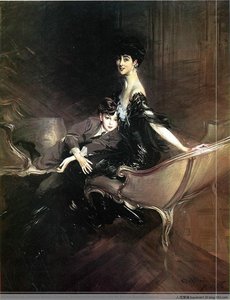
- El retrato de Giovanni Boldini de la condesa de Rasty recostada (impresionismo) es un ejemplo notable de su obra, que muestra su capacidad para capturar la esencia de sus sujetos.
- En 1897, tuvo una exposición individual en Nueva York, lo que consolidó aún más su reputación como retratista.
- Participó en la Bienal de Venecia en 1895, 1903, 1905 y 1912, demostrando su compromiso con el mundo del arte.
Influencias y desarrollo artístico
Boldini inicialmente se formó bajo la influencia de los macchiaioli, adoptando sus técnicas realistas y su enfoque en la observación directa de la naturaleza. Sin embargo, a medida que evolucionaba su carrera, desarrolló un estilo más libre y expresivo, influenciado por el impresionismo y el arte japonés. Su habilidad para capturar el movimiento y la luz se convirtió en una característica distintiva de sus retratos, especialmente aquellos realizados durante su período parisino.Legado e importancia histórica
Giovanni Boldini falleció el 11 de julio de 1931 en París, dejando atrás un legado como uno de los pintores de retratos más elegantes de su tiempo. Su obra continúa inspirando a artistas y entusiastas del arte por igual.- Explore más obras de Giovanni Boldini en [https://ArtsDot.com/@/giovanni-boldini].
- Descubra el Museo Giovanni Boldini (Italia) y su importancia en el arte italiano en [https://ArtsDot.com/@@/a@d3astr-museo-giovanni-boldini-(italy)-a-hidden-gem-of-italian-art].
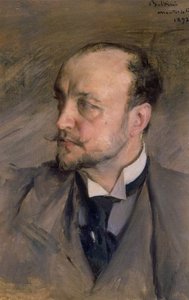
Giovanni Boldini
1842 - 1931 , Italia
Datos clave
- Artistas Influyentes: ['Macchiaioli']
- Estilo Artístico: Impresionismo, Realismo
- Fecha De Fallecimiento: 11 de julio de 1931
- Fecha De Nacimiento: 31 de diciembre de 1842
- Lugar De Nacimiento: Ferrara, Italia
- Nacionalidad: Italiana
- Nombre Completo: Giovanni Boldini
- Obras Notables: ['La condesa de Rasty reclinada']
Artículos relacionados

Goya: Las 25 Obras Maestras del Genio Español | Reproducciones de Arte en ArtsDot
Descubre las 25 obras maestras de Goya, el genio español. Explora retratos icónicos, 'Los Caprichos' y 'Las Pinturas Negras'. Reproducciones de arte en lienzo de alta calidad para decorar tu hogar con estilo. ¡Encuentra tu obra favorita en ArtsDot.com!

Acerca de nosotros
Descubre nuestra historia! Llevamos el arte de clase mundial a tu vida gracias a una selección experta, creaciones personalizadas y vistas previas gratuitas. Aprobado por particulares y empresas desde el año 2000.

The Enduring Legacy of Oil on Canvas: Technique, History & Aesthetic Impact
Explore the rich history & techniques of oil painting – from Renaissance masters to Impressionism. Discover pigments, layering methods, and why this timeless medium endures. Expert insights for artists & art enthusiasts.

El Óleo sobre Lienzo: Historia, Técnica y la Persistencia de un Medio Artístico Atemporal
Descubre la historia y técnica del óleo sobre lienzo. Explora reproducciones fieles hechas a mano, personalización artística y consejos de expertos con ArtsDot. ¡Colecciona arte con confianza!

The Enduring Power of Painting: A Historical & Contemporary Exploration of Form and Emotion
Explore the rich history & enduring techniques of oil painting with ArtsDot. Discover masterpieces, learn about art collecting, and find authentic handmade reproductions crafted by skilled artists.