 Vista previa
 Compartir
 Compartir
 Ver detalles

 Descargar
 Ver similares
 Radiografía
 Presentación de diapositivas
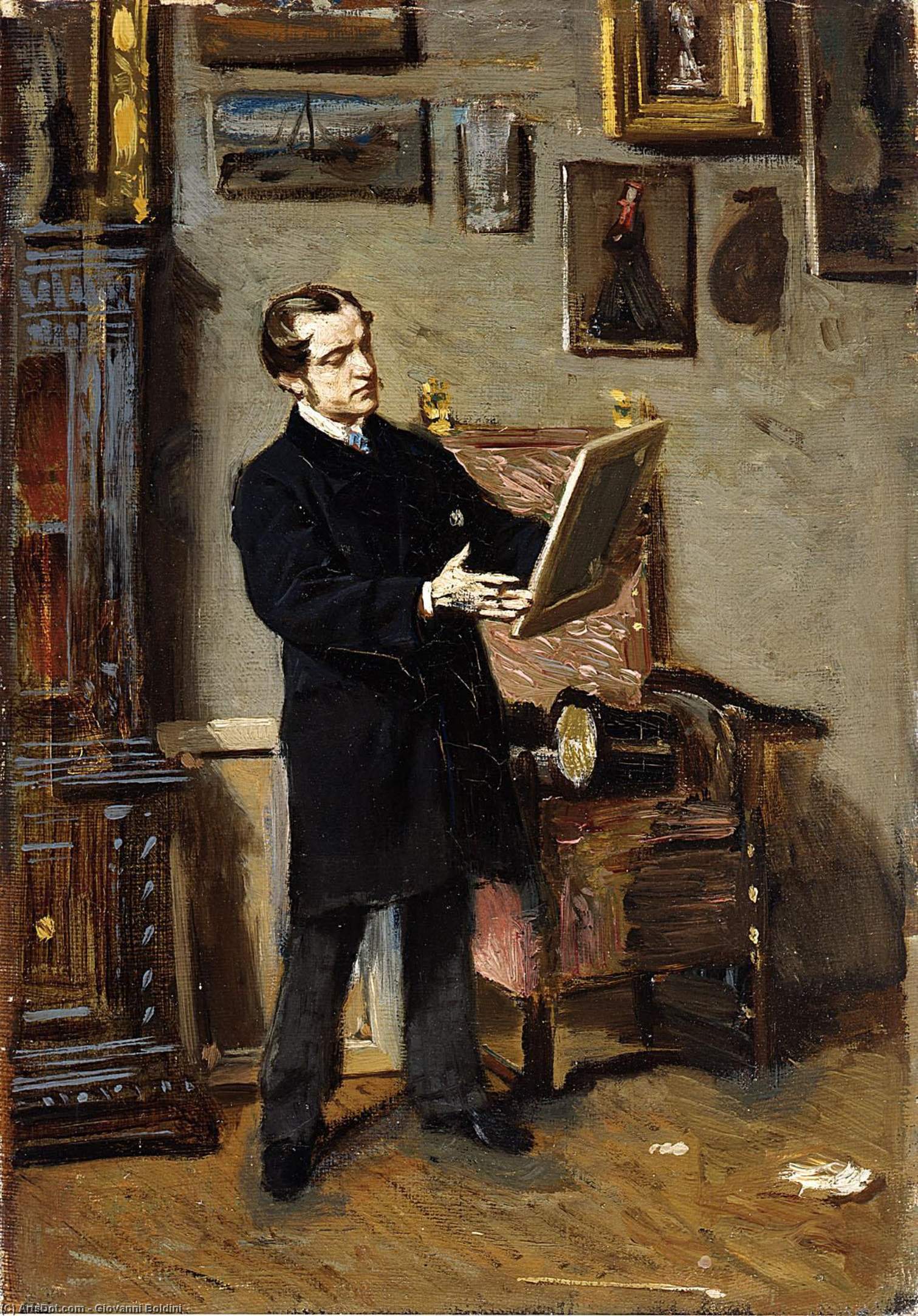
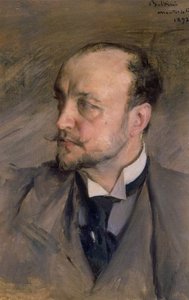
Self-portrait while looking at a painting
 Oil On Canvas
- WallArt
- Italian Realism
 1865
1865 22.0 x 32.0 cm
 Leer más
Reproducción al óleo hecha a mano
Óleo sobre lienzo pintado a mano en el tamaño y marco de su elección, realizado por encargo por nuestros artistas. ( Pedir impresión Comprar descarga)




P118B $10

P118H $10

P118W $10

P438Z $10

P508JH $12

P508YH $12

P805H $10

P805Z $10

P919BZ $10

P919G $10

P919XJ $10

P959ZH $10

P968JZ $12

W106C $8

W218G $10

W218JH $8

W218Y $10

W307PJ $10

W316G $10

W316PJ $8

W316Y $10

W398PJ $8

W4111J $10

W500HY $15

W500JH $15

W692G $12

W849H $8

W940BG $15

W953PJ $8




Elija entre nuestros tamaños predefinidos que respetan las proporciones originales de la obra.

Puede ingresar sus propias dimensiones para adaptarse a un marco o espacio específico. Si el tamaño seleccionado no coincide con las proporciones de la imagen original, recortaremos la obra o extenderemos la pintura con elementos adicionales pintados a mano. Se le enviará una maqueta digital para su aprobación antes de comenzar la producción.
Tenga en cuenta que la vista previa en pantalla no refleja el recorte o la extensión reales. Solo la maqueta mostrará con precisión la composición final.
Si bien existen tamaños personalizados, recomendamos seleccionar una dimensión de la lista predefinida para preservar las proporciones originales.
Tras realizar el pedido, el equipo de ArtsDot.com enviará un correo electrónico al cliente para solicitar instrucciones y proporcionarle una vista previa del boceto.
Envío a todo el mundo () en 3-4 semanas en lugar de las 5 semanas estándar. (20 agosto). Sin comprometer la calidad.

Envío exprés gratuito a todo el mundo

Lienzo de lino de alta calidad

Seguro de envío completo

Garantía de reembolso de aranceles aduaneros

Garantía de fidelidad cromática exacta

Política de devolución de 60 días (solo por defectos)

Garantía de devolución del 100% del dinero

Oferta por volumen
 La opción de vidrio solo está disponible en tamaños inferiores a 110 cm.

Self-portrait while looking at a painting
Técnica de reproducción
Tamaño de la reproducción
-


Precio total
$ 263
Descripción de la obra
Giovanni Boldini's 'Self-Portrait while Looking at a Painting': A Window into an Artist’s Soul
Giovanni Boldini’s ‘Self-portrait while Looking at a Painting,’ executed in 1865, is more than just a depiction of the Italian master himself; it’s a profound meditation on art, observation, and the very nature of creative inspiration. This intimate canvas, measuring a modest 22 x 32 cm, offers a rare glimpse into Boldini's studio – a space brimming with intellectual stimulation and artistic ambition. The painting immediately draws the viewer in with its quiet intensity, capturing a moment of focused contemplation as Boldini studies another work, his own portrait held before him like a mirror reflecting both his skill and his aspirations.
- Subject Matter: A meticulously rendered self-portrait within an artist’s studio.
- Artist: Giovanni Boldini
- Date: 1865
- Size: 22 x 32 cm
The Studio as a Canvas: Composition and Setting
Boldini’s genius lies not just in his technical prowess but also in his ability to construct a scene that resonates with meaning. The composition is deceptively simple, yet powerfully effective. A central chair anchors the eye, while a dining table subtly suggests the sustenance needed for prolonged artistic endeavor. The walls are adorned with multiple paintings – a deliberate choice by Boldini that speaks volumes about his engagement with the wider art world. These aren’t merely decorative elements; they represent a conversation between artists, a recognition of influences, and perhaps even a subtle self-critique. The inclusion of a clock on the upper left wall adds an element of timelessness, reminding us of the fleeting nature of beauty and the artist's urgent need to capture it before it vanishes.
Technique and Realism: Boldini’s Signature Style
Executed in oil on canvas, ‘Self-portrait while Looking at a Painting’ exemplifies Boldini’s mastery of realism. His brushwork is remarkably smooth and controlled, creating an illusion of depth and texture that invites the viewer to step into the scene. The meticulous rendering of the room – from the worn wood of the table to the subtle reflections on the paintings – demonstrates his keen eye for detail. Boldini's use of color is particularly noteworthy; he employs a rich palette with carefully modulated tones, creating a sense of luminosity and warmth that elevates the painting beyond mere representation. The technique employed allows for a remarkable level of detail, drawing the viewer into the scene and fostering a connection with the artist himself.
Symbolism and Context: A Reflection on Art
Beyond its technical brilliance, ‘Self-portrait while Looking at a Painting’ is laden with symbolism. The act of Boldini studying another artwork suggests a constant process of learning and refinement – an acknowledgement that art is not static but evolves through observation and engagement. The inclusion of his own portrait within the scene can be interpreted as a self-assessment, a moment of critical reflection on his own work. It’s a poignant reminder that every artist grapples with questions of identity, style, and legacy. This painting stands as a testament to Boldini's artistic prowess and his ability to blend self-reflection with the broader context of art.
A Timeless Masterpiece
‘Self-portrait while Looking at a Painting’ by Giovanni Boldini is a captivating artwork that continues to resonate with viewers today. Its intimate scale, combined with Boldini's masterful technique and insightful composition, creates a truly unforgettable image. This piece offers a unique window into the mind of one of the Belle Époque’s most celebrated portraitists, inviting us to contemplate the enduring power of art and the profound connection between artist and creation.
Obras relacionadas

Biografía del artista
Primeros años y formación
Giovanni Boldini, pintor italiano de género y retratos, nació el 31 de diciembre de 1842 en Ferrara, Italia. Su padre, un pintor de temas religiosos, fomentó su temprano interés por el arte. En 1862, Boldini se trasladó a Florencia durante seis años para estudiar y dedicarse a la pintura, donde conoció a los macchiaioli, un grupo de pintores realistas italianos que fueron precursores del impresionismo.Carrera artística
El estilo artístico de Boldini se caracterizó por su respuesta fluida y espontánea a la naturaleza, como se ve en sus paisajes. Sin embargo, fueron sus retratos los que le valieron un amplio reconocimiento. Se hizo conocido como el "maestro del trazo", un título acuñado por Time Magazine en 1933.Obras notables y exposiciones
- El retrato de Giovanni Boldini de la condesa de Rasty recostada (impresionismo) es un ejemplo notable de su obra, que muestra su capacidad para capturar la esencia de sus sujetos.
- En 1897, tuvo una exposición individual en Nueva York, lo que consolidó aún más su reputación como retratista.
- Participó en la Bienal de Venecia en 1895, 1903, 1905 y 1912, demostrando su compromiso con el mundo del arte.
Influencias y desarrollo artístico
Boldini inicialmente se formó bajo la influencia de los macchiaioli, adoptando sus técnicas realistas y su enfoque en la observación directa de la naturaleza. Sin embargo, a medida que evolucionaba su carrera, desarrolló un estilo más libre y expresivo, influenciado por el impresionismo y el arte japonés. Su habilidad para capturar el movimiento y la luz se convirtió en una característica distintiva de sus retratos, especialmente aquellos realizados durante su período parisino.Legado e importancia histórica
Giovanni Boldini falleció el 11 de julio de 1931 en París, dejando atrás un legado como uno de los pintores de retratos más elegantes de su tiempo. Su obra continúa inspirando a artistas y entusiastas del arte por igual.- Explore más obras de Giovanni Boldini en [https://ArtsDot.com/@/giovanni-boldini].
- Descubra el Museo Giovanni Boldini (Italia) y su importancia en el arte italiano en [https://ArtsDot.com/@@/a@d3astr-museo-giovanni-boldini-(italy)-a-hidden-gem-of-italian-art].
Giovanni Boldini
1842 - 1931 , Italia
Datos clave
- Artistas Influyentes: ['Macchiaioli']
- Estilo Artístico: Impresionismo, Realismo
- Fecha De Fallecimiento: 11 de julio de 1931
- Fecha De Nacimiento: 31 de diciembre de 1842
- Lugar De Nacimiento: Ferrara, Italia
- Nacionalidad: Italiana
- Nombre Completo: Giovanni Boldini
- Obras Notables: ['La condesa de Rasty reclinada']
Artículos relacionados
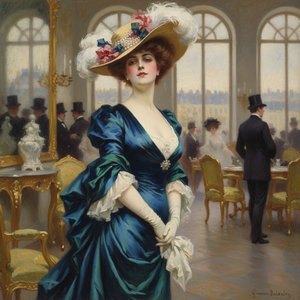
Giovanni Boldini: A Study in Belle Époque Portraiture & the Cult of Personality
Explore the captivating world of Giovanni Boldini, master of Belle Époque portraiture. Discover his signature style, iconic works like 'Miss Bell,' and lasting influence on art history. Expert analysis for collectors.

The Enduring Legacy of Oil on Canvas: Technique, History & Aesthetic Impact
Explore the rich history & techniques of oil painting – from Renaissance masters to Impressionism. Discover pigments, layering methods, and why this timeless medium endures. Expert insights for artists & art enthusiasts.

El Óleo sobre Lienzo: Historia, Técnica y la Persistencia de un Medio Artístico Atemporal
Descubre la historia y técnica del óleo sobre lienzo. Explora reproducciones fieles hechas a mano, personalización artística y consejos de expertos con ArtsDot. ¡Colecciona arte con confianza!

El Legado Duradero del Óleo sobre Lienzo: Técnica, Historia y Práctica Contemporánea
Descubre la historia y técnica del óleo sobre lienzo. Explora reproducciones fieles hechas a mano, personalización artística y consejos de expertos con .

Las 10 Obras Maestras al Óleo que Revolucionaron la Historia del Arte |
Descubre las 10 obras maestras al óleo que transformaron la historia del arte. Explora Van Gogh, Monet, Da Vinci y más. Reproducciones de alta calidad para decorar tu hogar con elegancia. ¡Encuentra tu obra favorita en !