 Ver en contexto
 Enviar
 Compartir
 Detalles

 Descargar
 Similares
 Radiografía
 Presentación de diapositivas
 Estadísticas
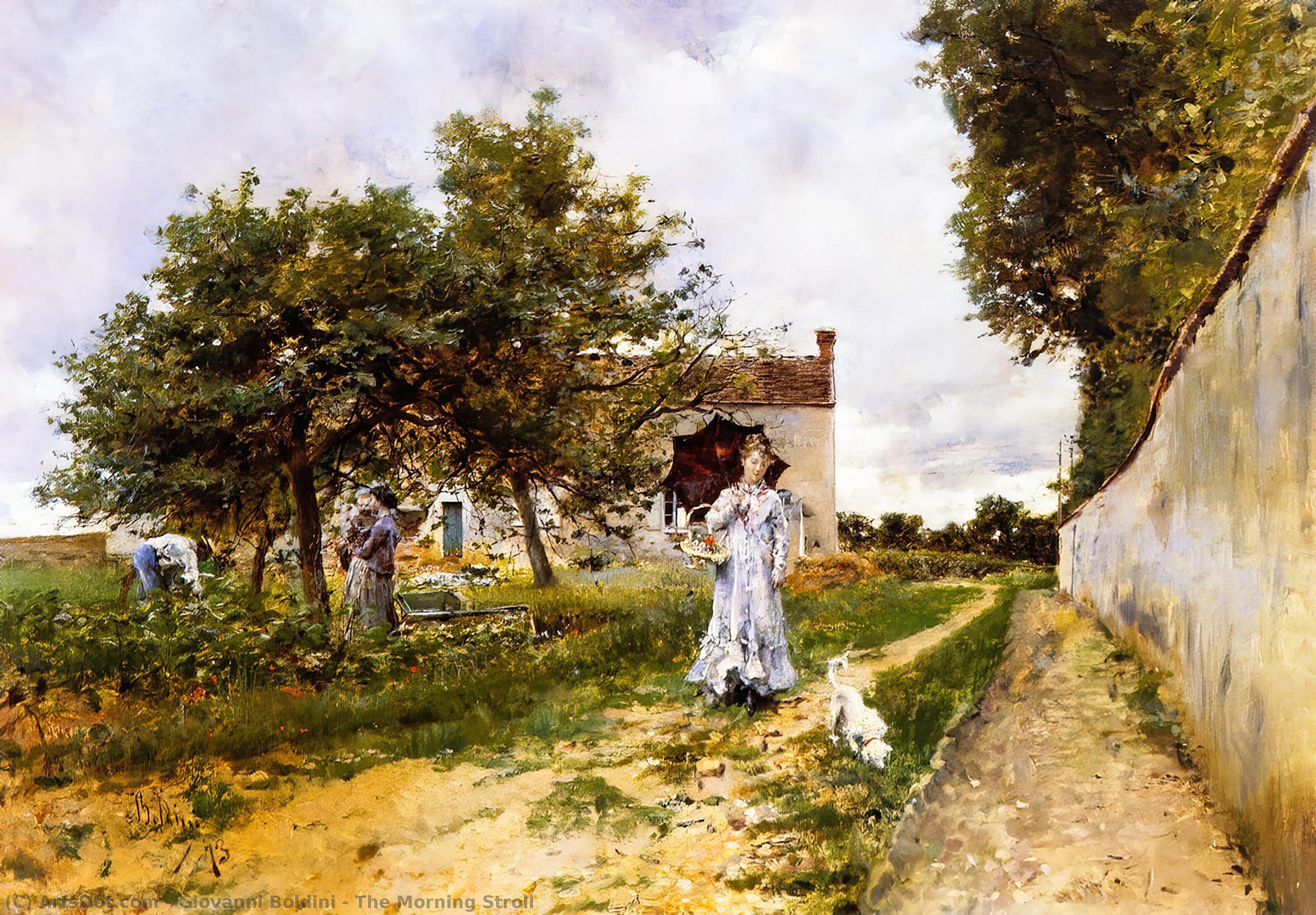
The Morning Stroll
 Oil
Oil- WallArt
- Impressionism
 1873
1873- 19th Century
 24.0 x 34.0 cm
 Ver más
Reproducción al óleo hecha a mano
Óleo sobre lienzo pintado a mano en el tamaño y marco de su elección, realizado por encargo por nuestros artistas. ( Cambiar a Impresión Cambiar a imagen digital)




P118B $10

P118H $10

P118W $10

P438Z $10

P508JH $12

P508YH $12

P805H $10

P805Z $10

P919BZ $10

P919G $10

P919XJ $10

P959ZH $10

P968JZ $12

W106C $8

W218G $10

W218JH $8

W218Y $10

W307PJ $10

W316G $10

W316PJ $8

W316Y $10

W398PJ $8

W4111J $10

W500HY $15

W500JH $15

W692G $12

W849H $8

W940BG $15

W953PJ $8




Elija entre nuestros tamaños predefinidos que respetan las proporciones originales de la obra.

Puede ingresar sus propias dimensiones para adaptarse a un marco o espacio específico. Si el tamaño seleccionado no coincide con las proporciones de la imagen original, recortaremos la obra o extenderemos la pintura con elementos adicionales pintados a mano. Se le enviará una maqueta digital para su aprobación antes de comenzar la producción.
Tenga en cuenta que la vista previa en pantalla no refleja el recorte o la extensión reales. Solo la maqueta mostrará con precisión la composición final.
Si bien existen tamaños personalizados, recomendamos seleccionar una dimensión de la lista predefinida para preservar las proporciones originales.
Tras realizar el pedido, el equipo de ArtsDot.com enviará un correo electrónico al cliente para solicitar instrucciones y proporcionarle una vista previa del boceto.
Envío a todo el mundo () en 3-4 semanas en lugar de las 5 semanas estándar. (8 septiembre). Sin comprometer la calidad.

Envío exprés gratuito a todo el mundo

Lienzo de lino de alta calidad

Seguro de envío total

Garantía de reembolso de impuestos aduaneros

Garantía de fidelidad cromática exacta

Política de devolución de 100 días (solo por defectos)

Garantía de devolución del 100% del dinero

Descuento por cantidad
 La opción de vidrio solo está disponible en tamaños inferiores a 110 cm.

The Morning Stroll
Técnica de reproducción
Dimensiones de la reproducción
-


Precio total final
$ 263
A Moment Suspended in Time
In the gentle embrace of the Italian countryside, Giovanni Boldini captures a fleeting fragment of tranquility in his 1873 masterpiece, The Morning Stroll. This evocative work invites the viewer into a serene pastoral world, where the boundaries between domestic comfort and the untamed beauty of nature blur seamlessly. At the heart of the composition, a woman moves with effortless grace, accompanied by her faithful canine companion. The scene is far more than a mere depiction of a walk; it is an intimate window into the leisurely rhythms of 19th-century life. As she traverses the verdant landscape near a charming country house, the presence of other figures and additional dogs suggests a shared, peaceful existence within this idyllic setting. Every element, from the soft rustle of the trees to the quiet placement of a solitary chair by the house, contributes to an atmosphere of profound stillness and contentment.
Boldini, a master who would later become the celebrated chronicler of Parisian elegance, demonstrates here his early mastery of light and atmosphere. Influenced by the Macchiaioli movement, his technique in this period reflects a brilliant responsiveness to the natural world. The brushwork is purposeful yet fluid, capturing the dappled sunlight that filters through the surrounding foliage and illuminates the textures of the landscape. There is a rhythmic vitality in how he renders the figures, imbuing them with a sense of spontaneous life that predates the full flowering of Impressionism. For the discerning collector or interior designer, this painting offers a sophisticated interplay of organic tones and soft light, making it an exquisite centerpiece for spaces that aim to evoke calm, warmth, and a connection to the classical European tradition.
The Elegance of the Pastoral
Beyond its visual charm, The Morning Stroll serves as a poignant study of the relationship between humanity and the environment. The composition subtly balances the structured presence of the architecture with the wilder, sprawling greenery of the woods, symbolizing a harmonious coexistence. The figures do not dominate the landscape; rather, they are integrated into it, moving through the scene as natural extensions of the earth itself. This sense of belonging creates an emotional resonance that is both nostalgic and timeless, appealing to those who seek art that provides a sanctuary from the frenetic pace of modern life.
For those looking to adorn a home with a high-quality reproduction, this piece offers unparalleled versatility. Its soft palette of greens, earth tones, and gentle highlights allows it to complement a wide array of interior aesthetics, from traditional manor styles to contemporary minimalist retreats. Owning a reproduction of such a significant work by Boldini is not merely about decoration; it is about bringing a piece of the Belle Époque spirit into one's personal environment—a permanent invitation to pause, breathe, and enjoy the simple beauty of a morning stroll.
Obras relacionadas
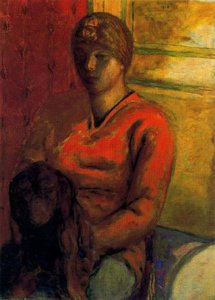
Biografía del artista
Primeros años y formación
Giovanni Boldini, pintor italiano de género y retratos, nació el 31 de diciembre de 1842 en Ferrara, Italia. Su padre, un pintor de temas religiosos, fomentó su temprano interés por el arte. En 1862, Boldini se trasladó a Florencia durante seis años para estudiar y dedicarse a la pintura, donde conoció a los macchiaioli, un grupo de pintores realistas italianos que fueron precursores del impresionismo.Carrera artística
El estilo artístico de Boldini se caracterizó por su respuesta fluida y espontánea a la naturaleza, como se ve en sus paisajes. Sin embargo, fueron sus retratos los que le valieron un amplio reconocimiento. Se hizo conocido como el "maestro del trazo", un título acuñado por Time Magazine en 1933.Obras notables y exposiciones
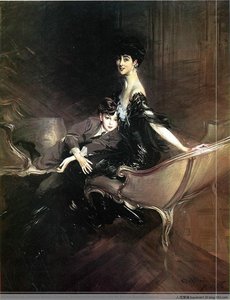
- El retrato de Giovanni Boldini de la condesa de Rasty recostada (impresionismo) es un ejemplo notable de su obra, que muestra su capacidad para capturar la esencia de sus sujetos.
- En 1897, tuvo una exposición individual en Nueva York, lo que consolidó aún más su reputación como retratista.
- Participó en la Bienal de Venecia en 1895, 1903, 1905 y 1912, demostrando su compromiso con el mundo del arte.
Influencias y desarrollo artístico
Boldini inicialmente se formó bajo la influencia de los macchiaioli, adoptando sus técnicas realistas y su enfoque en la observación directa de la naturaleza. Sin embargo, a medida que evolucionaba su carrera, desarrolló un estilo más libre y expresivo, influenciado por el impresionismo y el arte japonés. Su habilidad para capturar el movimiento y la luz se convirtió en una característica distintiva de sus retratos, especialmente aquellos realizados durante su período parisino.Legado e importancia histórica
Giovanni Boldini falleció el 11 de julio de 1931 en París, dejando atrás un legado como uno de los pintores de retratos más elegantes de su tiempo. Su obra continúa inspirando a artistas y entusiastas del arte por igual.- Explore más obras de Giovanni Boldini en [https://ArtsDot.com/@/giovanni-boldini].
- Descubra el Museo Giovanni Boldini (Italia) y su importancia en el arte italiano en [https://ArtsDot.com/@@/a@d3astr-museo-giovanni-boldini-(italy)-a-hidden-gem-of-italian-art].
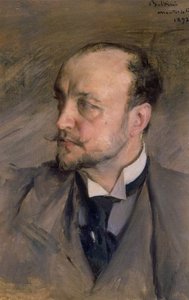
Giovanni Boldini
1842 - 1931 , Italia
Datos clave
- Artistas Influyentes: ['Macchiaioli']
- Estilo Artístico: Impresionismo, Realismo
- Fecha De Fallecimiento: 11 de julio de 1931
- Fecha De Nacimiento: 31 de diciembre de 1842
- Lugar De Nacimiento: Ferrara, Italia
- Nacionalidad: Italiana
- Nombre Completo: Giovanni Boldini
- Obras Notables: ['La condesa de Rasty reclinada']
Artículos relacionados
Renoir: Las 25 Obras Maestras del Impresionismo para Decorar tu Hogar con Arte
Descubre las 25 obras maestras de Renoir, el rey del impresionismo. Explora su técnica, historia y significado en cada pintura. Encuentra reproducciones de arte de alta calidad para decorar tu hogar con ArtsDot.com.

Cultivating Inner Peace: Serenity as Subject & Aesthetic in Visual Art
Explore the art of serenity with ArtsDot. Discover historical & contemporary artworks evoking peace & tranquility. Find paintings for relaxation, meditation, and a calming home aesthetic. Expert guidance included.
Claude Monet: Las 25 Obras Maestras del Impresionismo para Decorar tu Hogar con Arte
Descubre las 25 obras maestras de Claude Monet, el padre del impresionismo. Explora la historia, técnica y belleza de sus paisajes, nenúfares y 'Impresión, sole levant'. Encuentra reproducciones de arte exclusivas en ArtsDot.com.
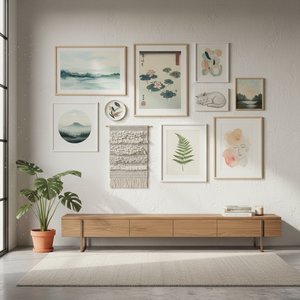
10 Obras de Arte que Irradian Serenidad |
Descubre 10 obras de arte que evocan serenidad y paz interior. Explora la historia detrás de Monet, Van Gogh y otros maestros. Encuentra reproducciones de alta calidad para crear un ambiente tranquilo en tu hogar. ¡Explora la colección completa en !
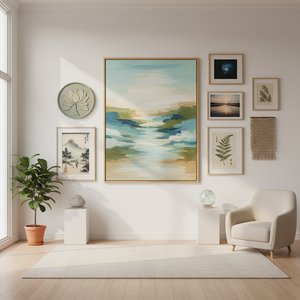
Las 10 Obras de Arte Más Tranquilizadoras para un Hogar Sereno |
Descubre las 10 obras de arte más tranquilas de Monet, Van Gogh y Turner. Explora su historia, técnica y el poder del color para crear serenidad en tu hogar. Reproducciones de museo en .