

 Enviar
 Compartir
 Detalles

 Descargar
 Similares
 Presentación de diapositivas
 Estadísticas
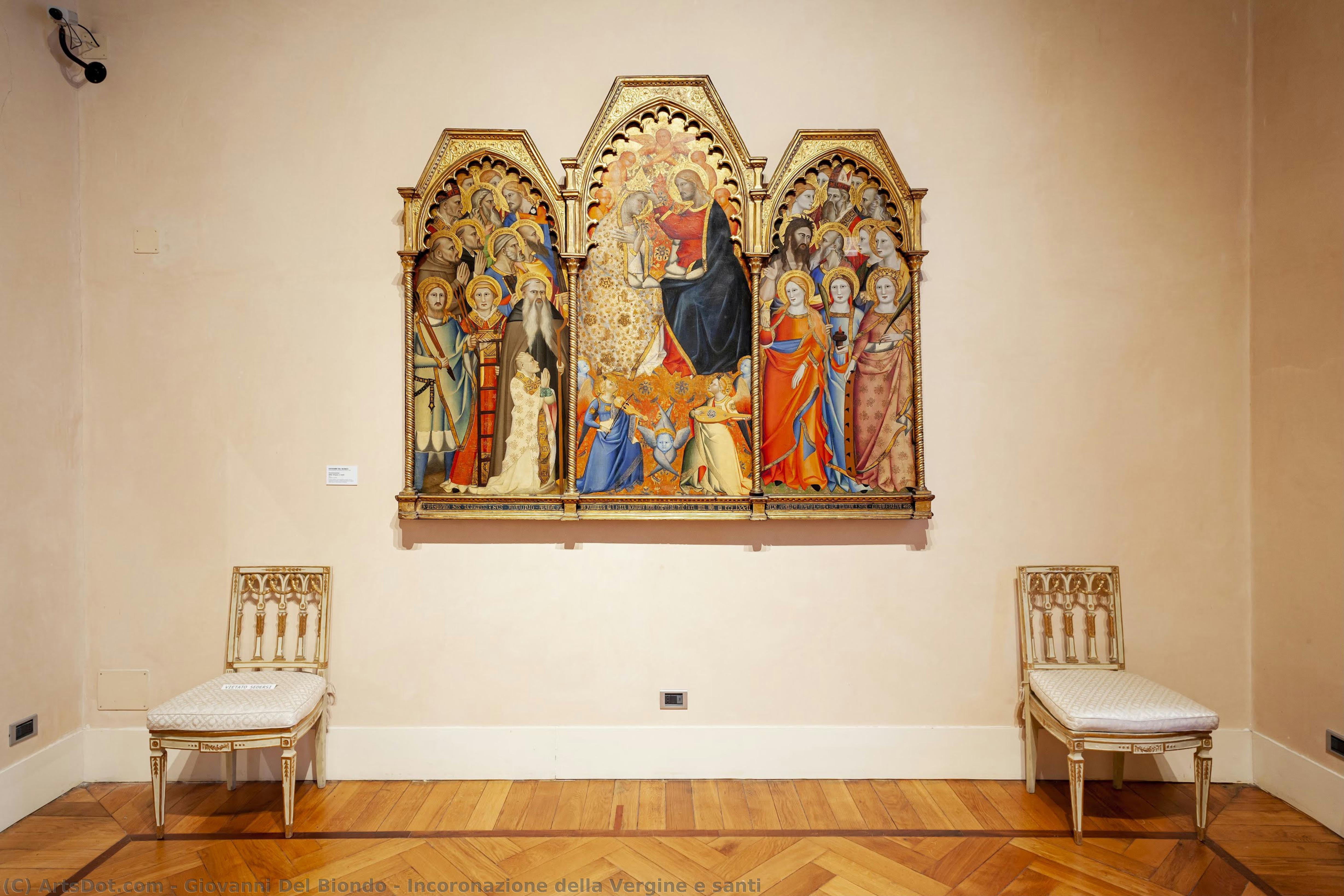
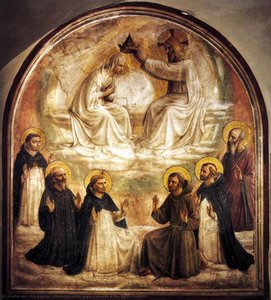
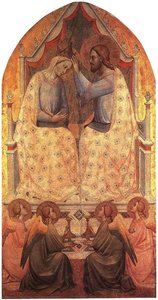
Incoronazione della Vergine e santi


 Ver más
Adquiera una imagen digital de alta resolución y optimizada, muy superior a la vista previa en línea.
Cada archivo es preparado meticulosamente por nuestros especialistas internos mediante el uso de herramientas avanzadas y un experto retoque manual. Nos aseguramos de que cada imagen posea una claridad excepcional, una precisión cromática impecable y un detalle minucioso.
El archivo final se entrega por correo electrónico en un plazo de 72 horas, optimizado para su uso inmediato en entornos profesionales, editoriales y de impresión. Esta es la misma calidad en la que confían los estudios de diseño, las editoriales y las galerías de primer nivel.
Imagen Digital
Descarga un archivo de alta resolución para exhibición personal, impresión y proyectos creativos. ( Cambiar a Impresión Comprar pintura hecha a mano)
Incluido en cada pedido de imágenes digitales
Entrega digital experta, garantizada.
Al elegir ArtsDot.com, no solo está adquiriendo una imagen; está recibiendo una obra de arte digital mejorada profesionalmente, elaborada con precisión y respaldada por una garantía de satisfacción. Esto es todo lo que incluye su pedido, automáticamente:

Entrega rápida por email
Recibirá su archivo de imagen digital en alta resolución por correo electrónico en un plazo de 72 horas tras realizar su pedido, listo para su uso inmediato.

Archivo digital optimizado por IA
Su obra de arte se optimiza profesionalmente mediante herramientas avanzadas de IA y edición manual, garantizando el máximo detalle, claridad y precisión cromática.

Reenvío gratuito de por vida
¿Has borrado o perdido tu archivo por error? No te preocupes: te lo volveremos a enviar en cualquier momento, sin coste adicional.

Sin gastos de importación, siempre
Disfrute de su obra de arte al instante sin aduanas, aranceles ni gastos de envío; las descargas digitales siempre están libres de impuestos.

Garantía de fidelidad de color
Garantizamos que su imagen digital refleje los colores originales con la mayor fidelidad posible, mediante el uso de herramientas profesionales y gestión del color.

Garantía de satisfacción de 100 días
Si no está satisfecho con su imagen digital, la revisaremos o le reembolsaremos el 100% en un plazo de 100 días, sin preguntas.

100% Garantía de devolución de dinero
¿No está satisfecho? Obtenga un reembolso completo dentro de los 100 días posteriores a la recepción de su archivo digital, sin preguntas.

Descuentos por pedidos grandes
Compra 3 imágenes, ahorra 10% - Compra 5, ahorra 15% - Compra 10+, ahorra 20%. Ideal para proyectos creativos, galerías y agencias.
A Celestial Coronation: The Divine Vision of Giovanni del Biondo
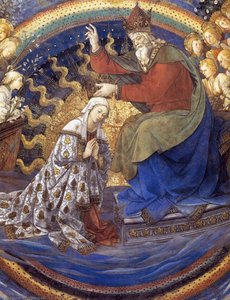
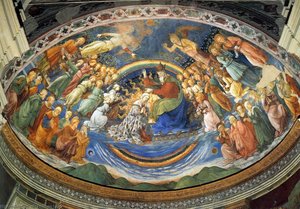
In the hallowed atmosphere of the late fourteenth century, few images capture the intersection of earthly devotion and heavenly glory as profoundly as Incoronazione della Vergine e santi. This magnificent fresco, masterfully executed by the Florentine master Giovanni del Biodo around 1372, serves as a breathtaking window into the Florentine Gothic tradition. At its heart lies the coronation of the Virgin Mary, a moment of supreme spiritual significance where the Queen of Heaven is seated upon a majestic throne, enveloped in a celestial assembly. The composition breathes with a sense of sacred rhythm, as Mary is surrounded by a host of angels and saints, each figure rendered with a delicate reverence that invites the viewer into a state of quiet contemplation.
The artistry of Del Biondo reveals a profound dialogue between the lingering elegance of the Gothic style and the burgeoning realism of the Early Renaissance. Influenced by the monumental legacy of Giotto, the artist employs a technique that emphasizes both spatial depth and emotional resonance. The arrangement of the figures is not merely decorative but deeply symbolic; the way the saints and angels cluster around the central throne creates a pyramidal stability that draws the eye upward toward the divine event. The backdrop, though part of a larger architectural fresco, suggests a profound sense of presence, as if the very walls of the space are dissolving to reveal the splendor of the empyrean realm.
For the discerning collector or interior designer, this piece offers more than just historical value; it provides an anchor of timeless elegance. The palette, characteristic of the period, evokes a sense of warmth and antiquity, making it an ideal centerpiece for spaces that demand a touch of classical sophistication. Whether placed in a grand gallery or a curated private study, the Incoronazione della Vergine e santi brings with it an aura of peace and historical weight. A high-quality reproduction of this fresco allows one to possess a fragment of Florentine history, transforming a contemporary interior into a sanctuary of art and devotion.
To appreciate this work is to engage with the very soul of the Quattrocento. Every brushstroke reflects the meticulous craftsmanship of an era where art was a bridge between the human and the divine. As light interacts with the textures of the reproduction, the intricate details of the saints' attire and the ethereal expressions of the angels come alive, offering a continuous source of inspiration for those who seek to surround themselves with beauty that transcends time.
Obras relacionadas
Biografía del artista
A Florentine Master in the Shadow of Giants
The story of Giovanni del Biondo is one woven into the very fabric of 14th-century Florence, a period of profound transition where the rigid elegance of the Gothic tradition began to breathe with the nascent vitality of the Early Renaissance. Born around 1356, likely in the Casentino region, Del Biondo emerged as a figure whose life was documented by the meticulous tax records of his adopted home, yet whose personal biography remains partially veiled in mystery. As he gained Florentine citizenship under the name Iohannes Biondi de Casentino pictor, he stepped into a thriving artistic ecosystem, positioning himself within a lineage of masters that would define the Tuscan aesthetic for generations.
While the precise details of his early education are subject to scholarly debate, the echoes of greatness are unmistakable in his brushwork. It is widely believed that Del Biodno honed his craft within the prestigious workshops of Andrea di Cione and Nardo di Cione, alongside the influence of Bernardo Daddi. Through these connections, he absorbed the revolutionary language of Giotto—a style that prioritized emotional resonance, spatial realism, and a deliberate simplicity of form. This foundational training allowed him to navigate the shifting artistic currents of his era, moving seamlessly between the spiritual gravity of Gothic iconography and the burgeoning naturalism that would soon characterize the Renaissance.
The Evolution of Form and Color
Del Biondo’s artistic journey is marked by a fascinating evolution in medium and technique. His earliest forays into the world of painting were through the medium of fresco, where he demonstrated an immediate mastery of Giotto’s groundbreaking approach to human emotion. These early works were characterized by luminous colors and a striking avoidance of excessive ornamentation, focusing instead on the raw, spiritual power of the narrative. As his career progressed, he transitioned toward the more delicate and detailed medium of tempera on panel, a shift that allowed him to explore greater textural complexity and nuanced tonal gradations.
In these later panel paintings, one can observe a remarkable expansion of artistic vision. Influenced by the visionary depictions of urban life and moral allegory found in the works of Ambrosio Lorenzetti, Del Biondo began to imbue his compositions with a more sophisticated sense of depth. His figures, which initially appeared in simple, bright arrangements, gradually gained a more naturalistic appearance, becoming more spontaneous and intricately detailed. This development was not merely technical but deeply intellectual, as he sought to balance the established traditions of his predecessors with a new, more observant approach to the physical world.
Legacy and the Art of the Polyptych
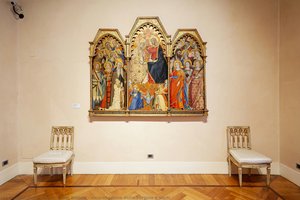
The true significance of Giovanni del Biondo lies in his ability to maintain a distinctive, recognizable style amidst a sea of changing influences. Even as his compositions grew more complex, certain idiosyncrasies remained hallmarks of his hand: wayward proportions, sharp and spiky features, and a powerful sense of design that commanded the viewer's attention. Most of his surviving works were originally part of large-scale polyptych altarpieces, grand religious structures designed to inspire awe and devotion within the sacred spaces of Florentine churches.
Though the use of studio assistants in his later years occasionally led to fluctuations in the precision of his work, his contribution to the Florentine school remains indelible. He stands as a pivotal bridge between two worlds—the stylized, symbolic realm of the Gothic and the human-centric, observational era of the Renaissance. Through his religious-themed panels and frescoes, Del Biondo captured the spiritual zeitgeist of 14th-century Italy, leaving behind a legacy of beauty that continues to resonate with the profound emotional depth and technical brilliance of a master in transition.
giovanni del biondo
1356 - 1399
Breves datos
- Artistic Movement Or Style: Gothic & Early Renaissance
- Artists Or Movements Influenced By This Artist:
- Ambrosio Lorenzetti
- Bernardo Daddi
- Artists Who Influenced This Artist:
- Giotto
- Andrea di Cione
- Date Of Death: 1399
- Full Name: Giovanni del Biondo
- Nationality: Italian
- Notable Artworks:
- San Zanobi
- Polittico Di San Giovanni Valdarno
- Place Of Birth: Casentino