

 Ver en contexto
 Enviar
 Compartir
 Detalles

 Descargar
 Similares
 Radiografía
 Presentación de diapositivas
 Estadísticas
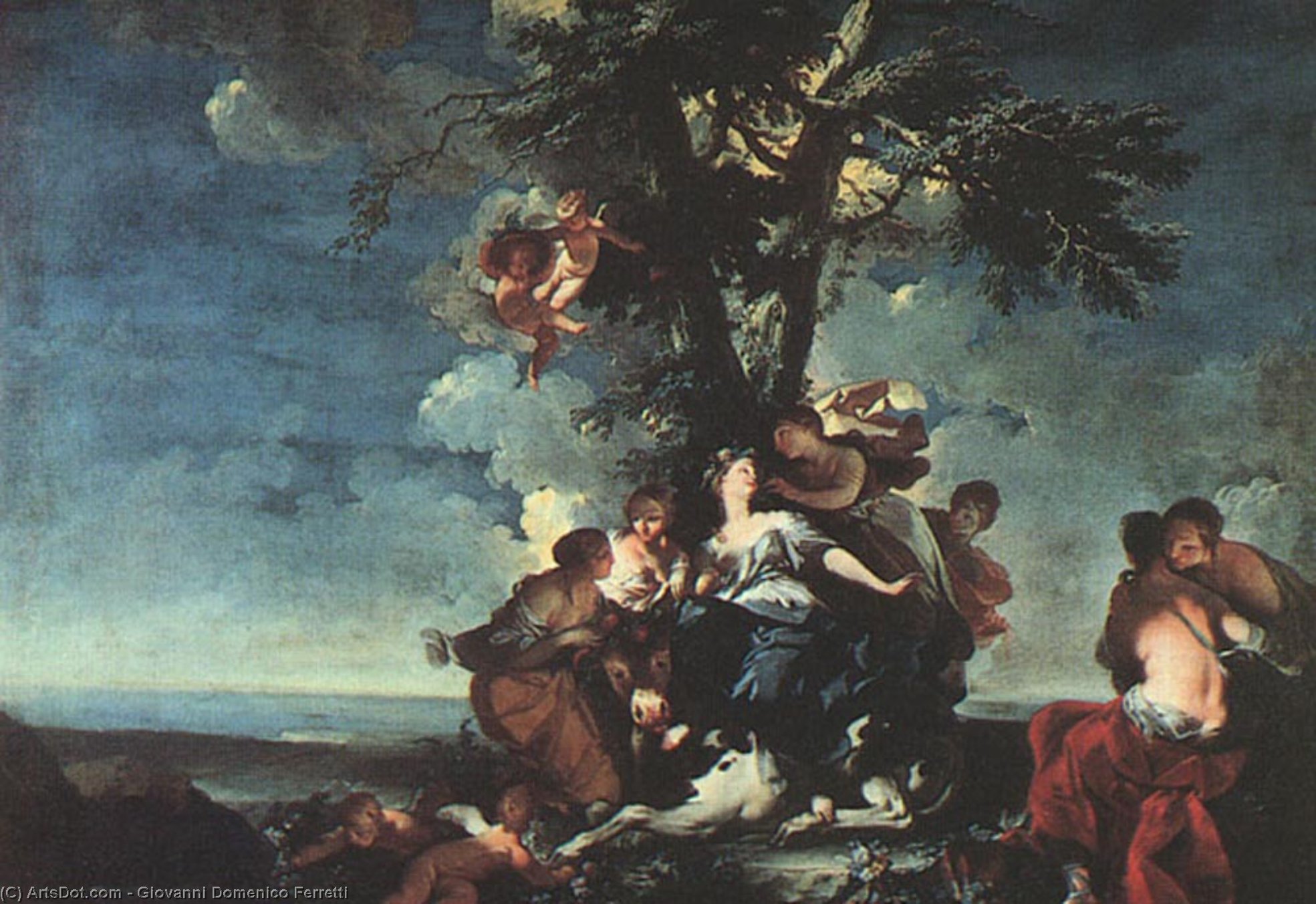
The Rape of Europa
 Oil On Canvas
- WallArt
- Rococo Style
 1720
1720 205.0 x 146.0 cm
 Galería de los Uffizi
 Ver más
Giclée / Impresión de arte
Impresiones giclée o en lienzo de calidad de museo con producción rápida y opciones de acabado flexibles. ( Comprar pintura hecha a mano Cambiar a imagen digital)




P118B $10

P118H $10

P118W $10

P438Z $10

P508JH $12

P508YH $12

P805H $10

P805Z $10

P919BZ $10

P919G $10

P919XJ $10

P959ZH $10

P968JZ $12

W106C $8

W218G $10

W218JH $8

W218Y $10

W307PJ $10

W316G $10

W316PJ $8

W316Y $10

W398PJ $8

W4111J $10

W500HY $15

W500JH $15

W692G $12

W849H $8

W940BG $15

W953PJ $8




Elija entre nuestros tamaños predefinidos que respetan las proporciones originales de la obra.

Puede introducir sus propias dimensiones para adaptarse a un marco o espacio específico. Si el tamaño seleccionado no coincide con las proporciones de la imagen original, recortaremos la obra de arte o extenderemos la imagen con un borde con efecto espejo o de color sólido. Se enviará una maqueta digital para su aprobación antes de que comience la producción.
Tenga en cuenta que la vista previa en pantalla no refleja el recorte o la extensión real. Solo la maqueta mostrará con precisión la composición final.
Aunque existen tamaños personalizados, recomendamos seleccionar una dimensión de la lista predefinida para preservar las proporciones originales.
Envío a todo el mundo () en 2 semanas en lugar de las 4/5 semanas estándar. (9 septiembre)

Envío exprés gratuito a todo el mundo

Lienzo de lino de alta calidad

Seguro de envío total

Garantía de reembolso de impuestos aduaneros

Garantía de fidelidad cromática exacta

Política de devolución de 100 días (solo por defectos)

Garantía de devolución del 100% del dinero

Descuento por cantidad
 La opción de vidrio solo está disponible en tamaños inferiores a 110 cm.

The Rape of Europa
Giclée / Impresión de arte
Dimensiones de la reproducción
-


Precio total final
$ 62
A Mythic Drama Unfolds – The Rape of Europa by Giovanni Domenico Ferretti
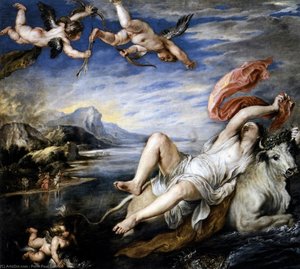
Giovanni Domenico Ferretti’s “The Rape of Europa,” painted in Florence around 1720-1740 and now residing within the hallowed halls of the Uffizi Gallery, is more than just a depiction of Greek mythology; it's a profoundly dramatic tableau brimming with psychological intensity and Baroque artistry. The scene captures a pivotal moment from Ovid’s *Metamorphoses* – Zeus, disguised as a magnificent white bull, abducting Europa, a Phoenician princess, to Crete. Ferretti masterfully translates this ancient narrative into a visually arresting experience, capturing not just the action but also the palpable fear and vulnerability of his subject.
The painting immediately commands attention with its dynamic composition. Europa, poised on the bull’s back, is caught in a moment of exquisite terror – her limbs flung out, her face contorted in surprise and distress. The bull itself is rendered with impressive musculature and a focused gaze, embodying both power and predatory intent. The surrounding figures—a group of onlookers frozen in bewildered observation—add to the sense of unease and helplessness. Ferretti’s use of light and shadow is particularly striking; a dramatic chiaroscuro technique highlights Europa's form, emphasizing her vulnerability against the imposing figure of the bull and the looming darkness of the sea.
Baroque Drama and Florentine Influence
Ferretti was deeply influenced by the Baroque style prevalent in Florence at the time, particularly the work of Sebastiano Ricci. Ricci’s vibrant colors, dynamic compositions, and emphasis on emotional expression are clearly evident in Ferretti's painting. However, Ferretti departs from Ricci’s lighter palette, employing a richer, more somber range of tones that heighten the drama and underscore the tragic nature of the event. The influence of Florentine art academies is also apparent; Ferretti was a member of the Accademia del Disegno, where he honed his skills and absorbed the artistic traditions of the city.
The painting’s historical context is crucial to understanding its power. The Baroque period (roughly 1600-1750) witnessed a renewed interest in classical mythology and a desire to evoke strong emotions through art. Artists sought to capture not just the outward appearance of subjects but also their inner lives, exploring themes of love, loss, faith, and mortality. “The Rape of Europa” perfectly embodies this spirit, offering a visceral portrayal of abduction, fear, and the disruption of innocence.
Symbolism and Emotional Resonance
Beyond its narrative content, "The Rape of Europa" is rich in symbolism. The bull itself represents Zeus’s divine power and his ability to transform himself into any form he desires. Europa's vulnerability symbolizes the loss of innocence and the disruption of order. The onlookers represent humanity’s helplessness in the face of overwhelming forces – a reminder of our own susceptibility to fate and the capricious nature of the gods. The red silk scarf that Europa holds is often interpreted as a symbol of her lost dignity and freedom.
Furthermore, the painting's emotional impact is profound. Ferretti doesn’t shy away from depicting the horror of the abduction; instead, he invites viewers to confront the unsettling reality of violence and exploitation. The scene evokes feelings of pity for Europa, outrage at Zeus’s actions, and a sense of unease about the fragility of human existence. It's a work that continues to resonate with audiences centuries after its creation, prompting reflection on themes of power, morality, and the enduring mysteries of mythology.
A Timeless Masterpiece – Reproduction Possibilities
Reproductions of “The Rape of Europa” offer an exceptional opportunity to bring this dramatic masterpiece into any setting. High-quality prints capture the painting’s rich colors, dynamic composition, and emotional intensity, allowing viewers to appreciate Ferretti's artistry from a new perspective. Whether adorning a grand salon or a smaller study, this iconic image will undoubtedly serve as a focal point of conversation and contemplation – a testament to the enduring power of Baroque art.
Obras relacionadas
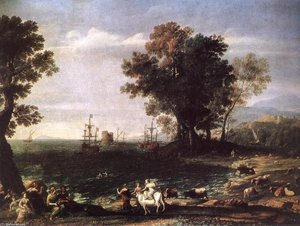
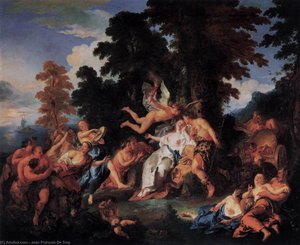
Biografía del artista
Giovanni Domenico Ferretti: Un Maestro del Rococó Florentino
Primeros Años y Formación
- Giovanni Domenico Ferretti nació en Florencia, Italia, el 15 de junio de 1692.
- Era hijo de Antonio di Giovanni da Imola y Margherita di Domenico Gori, y sobrino del antiquario Antonio Francesco Gori.
- Ferretti pasó parte de su juventud en Imola antes de regresar a Florencia para recibir formación artística.
- Sus primeros estudios los realizó con Tommaso Redi y Sebastiano Galeotti, sentando las bases para su estilo futuro.
- También viajó a Bolonia para trabajar bajo la tutela de Felice Torelli, ampliando su exposición a diferentes técnicas.
Desarrollo Profesional e Influencias
- Al regresar a Florencia en 1715, Ferretti obtuvo una carta de recomendación del cardenal Gozzadini, que le ayudó en su búsqueda de mecenazgo.
- Se unió a la Academia del Disegno de Florencia, donde más tarde se convirtió en profesor.
- El estilo de Ferretti fue influenciado significativamente por Sebastiano Ricci, particularmente los frescos vibrantes y de tonos pastel de Ricci en el Palazzo Marucelli-Fenzi.
- También se inspiró en pintores boloñeses como Giuseppe Maria Crespi y Giovanni Gioseffo dal Sole durante su formación temprana.
Obras Principales y Estilo Artístico
- Ferretti destacó en la **pintura al fresco**, realizando numerosas comisiones para iglesias y palacios florentinos.
- Proyectos notables incluyen las decoraciones de la Badia Fiorentina, la Capilla de San Giuseppe en el Duomo y la Iglesia de San Salvatore al Vescovo.
- Su obra más ambiciosa fue la decoración del techo de Santa Maria del Carmine, tragicamente perdida por un incendio.
- También diseñó **tapices** para la familia Medici, mostrando su versatilidad como artista.
- El estilo de Ferretti se caracteriza por su elegancia rococó, composiciones dinámicas y el uso de luz y color.
Mecenazgo y Comisiones
- Ferretti disfrutó de un importante mecenazgo a lo largo de su carrera, trabajando para familias prominentes e instituciones religiosas.
- Decoró el Palazzo Amati Cellesi en Pistoia, el Palazzo Sansedoni en Siena y Villa Flori en Pescia.
- Se le atribuye la realización de frescos dentro de la cúpula de la Catedral de San Zeno en Pistoia.
- Su capacidad para adaptar su estilo a diferentes entornos contribuyó a su amplia reconocimiento.
Legado e Importancia Histórica
- Giovanni Domenico Ferretti representa una figura clave en la pintura rococó florentina.
- Él logró fusionar influencias de diversas tradiciones artísticas, creando un estilo distintivo y atractivo.
- Aunque algunas de sus obras más significativas han sido perdidas, sus frescos sobrevivientes y las comisiones documentadas demuestran su habilidad e importancia en el mundo del arte del siglo XVIII.
- Las contribuciones de Ferretti a la pintura al fresco y el diseño de tapices consolidaron su reputación como un artista versátil y acomodado.
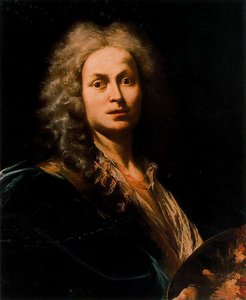
Giovanni Domenico Ferretti
1692 - 1768 , Italia
Datos clave
- Artistic Movement Or Style: Rococó
- Artists Who Influenced This Artist:
- Sebastiano Ricci
- Giuseppe Maria Crespi
- Date Of Birth: 1692-06-15
- Date Of Death: 1768-08-18
- Full Name: Giovanni Domenico Ferretti
- Nationality: Italiano
- Notable Artworks:
- Decoración de la Badia Fiorentina
- Capilla de San Giuseppe en el Duomo
- Santa Maria del Carmine
- Place Of Birth: Florence, Italia
Artículos relacionados

The Dramatic Flourish: Exploring the Baroque Movement's Enduring Legacy in Art History
Explore the dramatic world of Baroque art! Discover iconic artists like Caravaggio & Rubens, defining techniques, and its lasting impact on art history. Expert insights for collectors & enthusiasts at ArtsDot.

Theatricality & Triumph: Baroque Drama in Painting & Sculpture
Explore the dramatic world of Baroque art! Discover its history, defining characteristics, & lasting influence on painting & sculpture. Expert insights into Caravaggio, Zurbarán, and Bernini – plus high-quality reproductions at ArtsDot.

Barroco Sublime: 10 Obras Maestras que Definieron una Época |
Descubre las 10 obras maestras del Barroco que marcaron una época. Caravaggio, Bernini y Velázquez cobran vida en . Reproducciones de arte de calidad museo para decorar tu hogar con elegancia. ¡Explora la colección online!

The Visceral Stage: Exploring Dramatic Narratives & Emotional Intensity in Baroque Art
Explore the dramatic world of Baroque art! Discover iconic masters like Caravaggio & Rembrandt, their techniques, and the movement's lasting impact. Expert insights for collectors & enthusiasts at ArtsDot.

Drama Barroca: Llevando la Grandeza y la Emoción a los Interiores Contemporáneos
Descubre cómo el drama y la grandeza del arte barroco pueden transformar tus interiores. Guía experta, inspiración y reproducciones de alta calidad en .