

 Ver en contexto
 Enviar
 Compartir
 Detalles

 Descargar
 Similares
 Radiografía
 Presentación de diapositivas
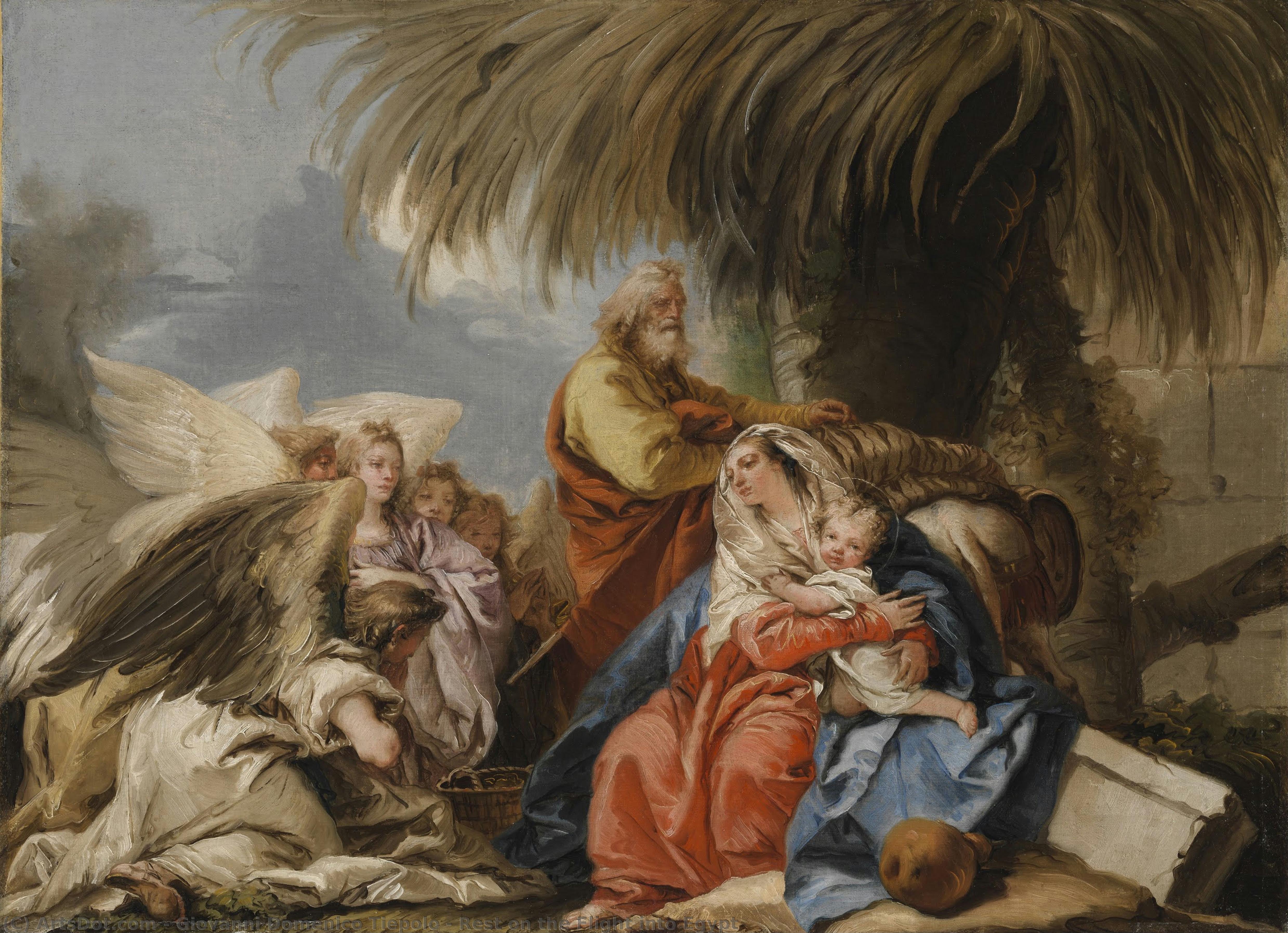
Rest on the Flight into Egypt
 Acrylic On Canvas
- WallArt
- Rococo
 1753
1753 47.0 x 65.0 cm
 Museo de Bellas Artes (Budapest)
 Ver más
Adquiera una imagen digital de alta resolución y optimizada, muy superior a la vista previa en línea.
Cada archivo es preparado meticulosamente por nuestros especialistas internos mediante el uso de herramientas avanzadas y un experto retoque manual. Nos aseguramos de que cada imagen posea una claridad excepcional, una precisión cromática impecable y un detalle minucioso.
El archivo final se entrega por correo electrónico en un plazo de 72 horas, optimizado para su uso inmediato en entornos profesionales, editoriales y de impresión. Esta es la misma calidad en la que confían los estudios de diseño, las editoriales y las galerías de primer nivel.
Imagen Digital
Descarga un archivo de alta resolución para exhibición personal, impresión y proyectos creativos. ( Comprar impresión Comprar pintura hecha a mano)
Incluido en cada pedido de imágenes digitales
Entrega digital experta, garantizada.
Al elegir ArtsDot.com, no solo está adquiriendo una imagen; está recibiendo una obra de arte digital mejorada profesionalmente, elaborada con precisión y respaldada por una garantía de satisfacción. Esto es todo lo que incluye su pedido, automáticamente:

Entrega rápida por email
Recibirá su archivo de imagen digital en alta resolución por correo electrónico en un plazo de 72 horas tras realizar su pedido, listo para su uso inmediato.

Archivo digital optimizado por IA
Su obra de arte se optimiza profesionalmente mediante herramientas avanzadas de IA y edición manual, garantizando el máximo detalle, claridad y precisión cromática.

Reenvío gratuito de por vida
¿Has borrado o perdido tu archivo por error? No te preocupes: te lo volveremos a enviar en cualquier momento, sin coste adicional.

Sin gastos de importación, siempre
Disfrute de su obra de arte al instante sin aduanas, aranceles ni gastos de envío; las descargas digitales siempre están libres de impuestos.

Garantía de fidelidad de color
Garantizamos que su imagen digital refleje los colores originales con la mayor fidelidad posible, mediante el uso de herramientas profesionales y gestión del color.

Garantía de satisfacción de 60 días
Si no está satisfecho con su imagen digital, la revisaremos o le reembolsaremos el 100% en un plazo de 60 días, sin preguntas.

100% Garantía de devolución de dinero
¿No está satisfecho? Obtenga un reembolso completo dentro de los 60 días posteriores a la recepción de su archivo digital, sin necesidad de explicaciones.

Descuentos por pedidos grandes
Compra 3 imágenes, ahorra 10% - Compra 5, ahorra 15% - Compra 10+, ahorra 20%. Ideal para proyectos creativos, galerías y agencias.
Descripción del coleccionable
The Rest on the Flight into Egypt by Giovanni Domenico Tiepolo
Giovanni Domenico Tiepolo’s “Rest on the Flight into Egypt,” painted in 1753, is more than just a depiction of a biblical scene; it's a vibrant testament to Rococo artistry and a poignant exploration of family, faith, and the journey through adversity. This captivating work, housed within the National Gallery of Scotland, invites viewers into a world of luminous color, dynamic composition, and an almost palpable sense of serenity—a rare achievement in portraying such a potentially fraught narrative.
At its core, the painting captures a pivotal moment from the story of the Holy Family – Mary, Joseph, and the infant Jesus fleeing persecution in Egypt. The scene unfolds within a meticulously rendered landscape, far removed from the stark simplicity often associated with religious art of the period. Tiepolo masterfully employs atmospheric perspective, creating a sense of depth that draws the eye into the distance, where palm trees sway gently against a hazy horizon. This isn’t merely a backdrop; it's an active participant in the narrative, suggesting both refuge and the unknown challenges ahead.
The composition is remarkably balanced, with Mary seated gracefully beneath a prominent palm tree – a symbol of hope and rebirth, echoing the biblical account of the miraculous palm tree that appeared to guide them. Joseph, depicted as a strong and protective figure, rests beside her, while the infant Jesus, nestled securely in Mary’s arms, appears utterly peaceful. The inclusion of two figures on the left and right sides adds a subtle layer of narrative complexity, hinting at the human element within this divine journey – perhaps representing the support system that enabled them to persevere.
Tiepolo's signature style is immediately evident in his masterful use of color. He eschews the somber tones often associated with biblical scenes, opting instead for a palette of rich blues, greens, and golds, creating an atmosphere of warmth and tranquility. The drapery is rendered with exquisite detail, flowing with a sense of movement that contrasts beautifully with the stillness of the figures. The brushwork itself is loose and expressive, contributing to the painting’s overall feeling of immediacy and vitality – a hallmark of the Rococo style.
A Window into the Tiepolo Workshop
Understanding “Rest on the Flight into Egypt” requires appreciating the context within which it was created. Giovanni Domenico Tiepolo was not merely an artist; he was a key figure in his father, Giovanni Battista Tiepolo’s, workshop. For decades, the younger Tiepolo served as his father's assistant, meticulously transferring designs and executing details on vast frescoes for palaces across Europe. This apprenticeship instilled within him a deep understanding of his father’s techniques – particularly his innovative use of perspective and color—but also fostered a distinct artistic voice.
While sharing many stylistic similarities with his father, Giovanni Domenico's work possesses a certain intimacy and emotional resonance that sets it apart. He frequently depicted scenes from the life of Christ alongside portraits of his family, imbuing them with a sense of warmth and domesticity rarely found in the grand narratives favored by his father. The inclusion of the two figures on either side of the Holy Family – likely members of the Tiepolo household – adds a personal touch to the composition, suggesting that this is not simply a biblical story but also a reflection of their own family life.
Symbolism and Narrative Depth
Beyond its aesthetic beauty, “Rest on the Flight into Egypt” is rich in symbolic meaning. The palm tree, as mentioned earlier, represents hope and rebirth – a crucial element in the narrative, signifying the promise of safety and new beginnings in Egypt. The landscape itself can be interpreted as a metaphor for the challenges and uncertainties that lie ahead, while the peaceful demeanor of the Holy Family reflects their unwavering faith.
The painting also subtly alludes to the broader themes of exile and persecution that were prevalent during Tiepolo’s time. The flight into Egypt was not simply a miraculous escape; it was a forced displacement, a testament to the dangers faced by those who dared to challenge established authority. By depicting this scene with such tenderness and grace, Tiepolo invites viewers to contemplate the enduring power of family, faith, and resilience in the face of adversity.
A Legacy of Rococo Grandeur
“Rest on the Flight into Egypt” stands as a remarkable example of Giovanni Domenico Tiepolo’s artistic skill and his deep connection to the traditions of Venetian painting. It exemplifies the hallmarks of the Rococo style – its emphasis on elegance, grace, and emotional expression—while simultaneously showcasing his own unique vision. The painting's enduring appeal lies not only in its technical brilliance but also in its ability to evoke a sense of wonder, serenity, and profound human connection.
Reproductions of this masterpiece continue to captivate audiences today, offering a glimpse into the artistic genius of one of Venice’s most celebrated painters. Its luminous colors, dynamic composition, and poignant narrative make it a timeless treasure—a testament to the enduring power of art to inspire, uplift, and transport us to another time and place.
Obras relacionadas
Biografía del artista
Giovanni Domenico Tiepolo: Un Maestro del Fresco Rococó
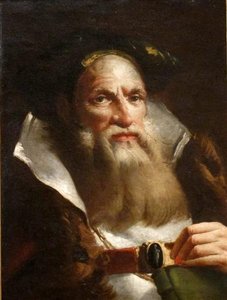
Giovanni Domenico Tiepolo (30 de agosto de 1727 – 3 de marzo de 1804) fue un destacado pintor y grabador italiano de la República de Venecia. Es reconocido como una figura líder en el estilo rococó, heredando y expandiendo el legado de su renombrado padre, Giovanni Battista Tiepolo. Su carrera abarcó varias décadas, dejando atrás una rica obra caracterizada por colores vibrantes, composiciones dinámicas y elegantes representaciones de escenas mitológicas, retratos y paisajes.
Vida Temprana y Formación
Nacido en una familia artística, la vida temprana de Giovanni Domenico estuvo profundamente entrelazada con el mundo del arte. Su padre, Giovanni Battista Tiepolo, un celebrado pintor conocido por sus monumentales frescos, fue su principal mentor. Giovanni Domenico recibió una rigurosa formación bajo la guía de su padre, aprendiendo las técnicas y los matices estilísticos que moldearían su propio desarrollo artístico. También se benefició de la exposición a otros artistas notables de la época, incluyendo a Sebastiano Ricci y Federico Bencovich, ampliando aún más sus horizontes artísticos. Como joven, asistió frecuentemente a su padre en proyectos a gran escala, adquiriendo una valiosa experiencia práctica en la pintura al fresco.
Carrera Artística y Estilo
La carrera de Giovanni Domenico floreció durante el siglo XVIII. Se estableció como un artista habilidoso capaz de producir tanto obras independientes como contribuir a proyectos colaborativos. Si bien inicialmente trabajó estrechamente con su padre, gradualmente desarrolló su propio estilo distintivo, aunque conservando elementos de la estética rococó prevalente en el arte veneciano de la época. Su producción artística incluyó frescos, pinturas sobre lienzo y grabados.
- Frescos: Tiepolo fue particularmente renombrado por sus frescos, decorando numerosas ubicaciones a lo largo de Italia con elaboradas escenas. Ejemplos notables incluyen los frescos en Ca' Dolfin en el Gran Canal de Venecia y el techo de la iglesia Gesuati (Santa Maria del Rosario), también en Venecia.
- Pinturas: Más allá de los frescos, creó un número significativo de pinturas sobre lienzo, a menudo representando temas mitológicos o retratos. Ejemplos incluyen "Perseo y Andrómeda" (ver aquí), “El Rapto de Europa” (ver aquí) y "Cazador con Ciervo" (ver aquí).
- Grabados: Tiepolo también demostró su habilidad en el grabado, creando impresiones detalladas y expresivas como "Die heiligen Augustinus, Ludwig von Frankreich, Johannes Evangelist und Magnus" (ver aquí) y “Apotheosis de Hércules” (ver aquí).
Significado Histórico
Giovanni Domenico Tiepolo jugó un papel crucial en la continuación y evolución del arte rococó veneciano. Si bien fue eclipsado por la fama de su padre durante su vida, ahora es reconocido como un artista significativo por derecho propio. Sus frescos y pinturas ofrecen valiosas perspectivas sobre los gustos artísticos y los valores culturales del siglo XVIII en Venecia e Italia. Su capacidad para combinar temas clásicos con sensibilidades contemporáneas solidificó su lugar dentro del movimiento rococó, dejando atrás un legado de arte vibrante que continúa cautivando al público hoy en día.
Giovanni Domenico Tiepolo
2007 - 1770 , Italia
Breves datos
- Artistas Que Influyeron: ['Giovanni Battista Tiepolo']
- Fecha De Fallecimiento: 3 de marzo de 1804
- Fecha De Nacimiento: 30 de agosto de 1727
- Lugar De Nacimiento: Venecia, Italia
- Movimiento Artístico: Rococó
- Nacionalidad: Italiana
- Nombre Completo: Giovanni Domenico Tiepolo
- Obras Notables:
- Perseo y Andromeda
- El Rapto de Europa
- Cazador con Ciervo
- Die heiligen Augustinus
- Apolo y Diana
- Apoteosis de Hércules

