 Ver en contexto
 Enviar
 Compartir
 Detalles

 Descargar
 Similares
 Radiografía
 Presentación de diapositivas
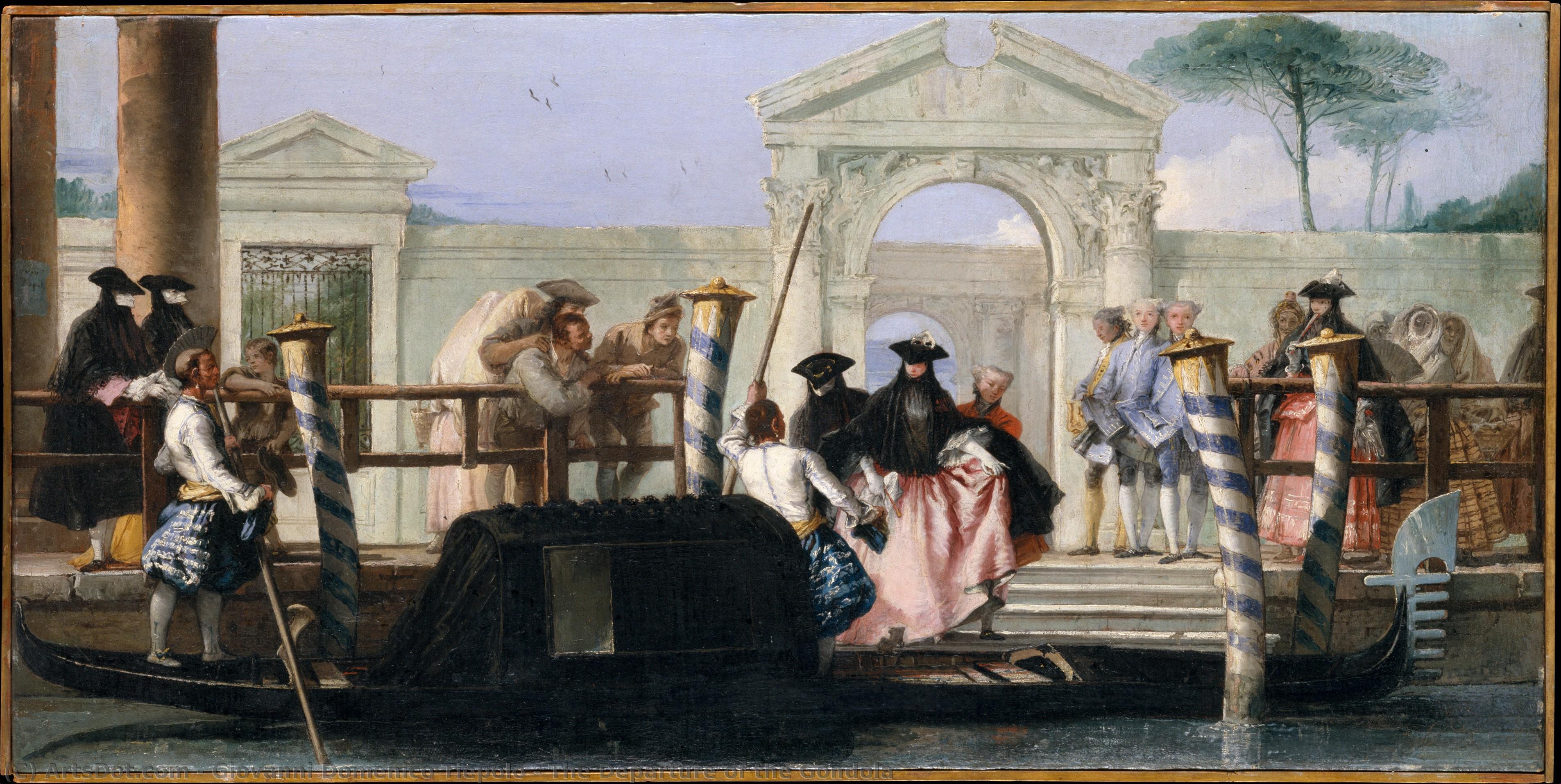
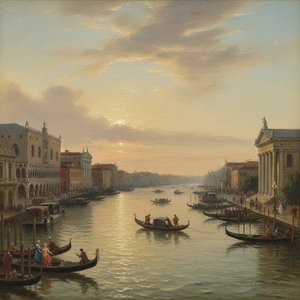
The Departure of the Gondola
 Oil On Canvas
- WallArt
- Rococo Frescoes
 1760
1760 36.0 x 73.0 cm
 Museo Metropolitano de Arte
 Ver más
Giclée / Impresión de arte
Impresiones giclée o en lienzo de calidad de museo con producción rápida y opciones de acabado flexibles. ( Comprar pintura hecha a mano Comprar imagen)




P118B $10

P118H $10

P118W $10

P438Z $10

P508JH $12

P508YH $12

P805H $10

P805Z $10

P919BZ $10

P919G $10

P919XJ $10

P959ZH $10

P968JZ $12

W106C $8

W218G $10

W218JH $8

W218Y $10

W307PJ $10

W316G $10

W316PJ $8

W316Y $10

W398PJ $8

W4111J $10

W500HY $15

W500JH $15

W692G $12

W849H $8

W940BG $15

W953PJ $8




Elija entre nuestros tamaños predefinidos que respetan las proporciones originales de la obra.

Puede introducir sus propias dimensiones para adaptarse a un marco o espacio específico. Si el tamaño seleccionado no coincide con las proporciones de la imagen original, recortaremos la obra de arte o extenderemos la imagen con un borde con efecto espejo o de color sólido. Se enviará una maqueta digital para su aprobación antes de que comience la producción.
Tenga en cuenta que la vista previa en pantalla no refleja el recorte o la extensión real. Solo la maqueta mostrará con precisión la composición final.
Aunque existen tamaños personalizados, recomendamos seleccionar una dimensión de la lista predefinida para preservar las proporciones originales.
Envío a todo el mundo () en 2 semanas en lugar de las 4/5 semanas estándar. (3 septiembre)

Envío exprés gratuito a todo el mundo

Lienzo de lino de alta calidad

Seguro de envío total

Garantía de reembolso de impuestos aduaneros

Garantía de fidelidad cromática exacta

Política de devolución de 60 días (solo por defectos)

Garantía de devolución del 100% del dinero

Descuento por cantidad
 La opción de vidrio solo está disponible en tamaños inferiores a 110 cm.

The Departure of the Gondola
Giclée / Impresión de arte
Dimensiones de la reproducción
-


Precio total final
$ 62
A Glimpse into Venetian Life – The Departure of the Gondola
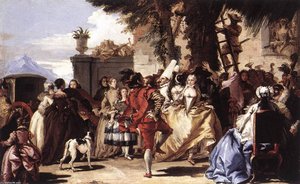
Giovanni Domenico Tiepolo’s “The Departure of the Gondola” isn't merely a depiction of a scene; it’s a vibrant snapshot of 18th-century Venice, brimming with life, color, and a subtle commentary on social dynamics. Painted in 1760, this oil on canvas transports us to a bustling canal side, capturing a fleeting moment during the city's famed Carnival season. The painting immediately draws the eye with its dynamic composition – figures surge forward, propelled by the movement of the gondolas, creating an exhilarating sense of motion and energy. It’s a scene both familiar and utterly captivating, offering a rare glimpse into the daily rhythms and social fabric of Venice at its most exuberant.
(Image courtesy of The Metropolitan Museum of Art)
Rococo Flourishes – Style and Technique
Tiepolo, a leading figure in the Venetian Rococo school, masterfully employs the hallmarks of this style. Notice the lavish use of color—rich blues, reds, and golds dominate, creating an opulent atmosphere that reflects the wealth and grandeur of Venice. The figures are rendered with a loose, expressive brushstroke, characteristic of the period, prioritizing movement and capturing fleeting moments rather than precise detail. His technique is remarkably fluid; he builds up layers of paint to create luminous effects and a sense of depth, particularly evident in the reflections on the water’s surface. The composition itself is carefully constructed, utilizing diagonal lines to guide the viewer's eye through the scene, further enhancing the feeling of movement.
A Social Tapestry – Context and Symbolism
Beyond a simple depiction of gondolas and people, “The Departure of the Gondola” offers a subtle social commentary. The inclusion of two men dressed in distinctive blue-and-white livery immediately draws attention to Venice’s significant population of enslaved and freed people of color – known as *moretti* – who were integral members of the guild of gondoliers. This detail, often overlooked in traditional historical narratives, highlights a complex social reality within the city's vibrant economy. The presence of masked figures, indicative of Carnival, adds another layer of intrigue, suggesting a temporary suspension of social hierarchies and a celebration of revelry. The *morette*, with their distinctive attire, are not merely background figures; they are active participants in this lively scene.
A Legacy of Venetian Art – The Tiepolo Family
Giovanni Domenico Tiepolo’s work stands as a testament to the enduring legacy of his father, Giovanni Battista Tiepolo, another celebrated master of Venetian painting. While sharing a similar artistic sensibility—a love for vibrant color, dynamic composition, and theatrical storytelling—Giovanni Domenico developed a distinct style characterized by greater realism and a focus on contemporary life. His paintings often depict scenes of everyday Venetian life, capturing the city’s unique atmosphere with remarkable skill. Studying this work provides valuable insight into the evolution of Venetian art during the 18th century, showcasing how artistic traditions were both preserved and transformed across generations. The painting is part of a larger body of work that reveals Tiepolo's deep connection to his city and its people.
Obras relacionadas
Biografía del artista
Giovanni Domenico Tiepolo: Un Maestro del Fresco Rococó
Giovanni Domenico Tiepolo (30 de agosto de 1727 – 3 de marzo de 1804) fue un destacado pintor y grabador italiano de la República de Venecia. Es reconocido como una figura líder en el estilo rococó, heredando y expandiendo el legado de su renombrado padre, Giovanni Battista Tiepolo. Su carrera abarcó varias décadas, dejando atrás una rica obra caracterizada por colores vibrantes, composiciones dinámicas y elegantes representaciones de escenas mitológicas, retratos y paisajes.
Vida Temprana y Formación
Nacido en una familia artística, la vida temprana de Giovanni Domenico estuvo profundamente entrelazada con el mundo del arte. Su padre, Giovanni Battista Tiepolo, un celebrado pintor conocido por sus monumentales frescos, fue su principal mentor. Giovanni Domenico recibió una rigurosa formación bajo la guía de su padre, aprendiendo las técnicas y los matices estilísticos que moldearían su propio desarrollo artístico. También se benefició de la exposición a otros artistas notables de la época, incluyendo a Sebastiano Ricci y Federico Bencovich, ampliando aún más sus horizontes artísticos. Como joven, asistió frecuentemente a su padre en proyectos a gran escala, adquiriendo una valiosa experiencia práctica en la pintura al fresco.
Carrera Artística y Estilo
La carrera de Giovanni Domenico floreció durante el siglo XVIII. Se estableció como un artista habilidoso capaz de producir tanto obras independientes como contribuir a proyectos colaborativos. Si bien inicialmente trabajó estrechamente con su padre, gradualmente desarrolló su propio estilo distintivo, aunque conservando elementos de la estética rococó prevalente en el arte veneciano de la época. Su producción artística incluyó frescos, pinturas sobre lienzo y grabados.
- Frescos: Tiepolo fue particularmente renombrado por sus frescos, decorando numerosas ubicaciones a lo largo de Italia con elaboradas escenas. Ejemplos notables incluyen los frescos en Ca' Dolfin en el Gran Canal de Venecia y el techo de la iglesia Gesuati (Santa Maria del Rosario), también en Venecia.
- Pinturas: Más allá de los frescos, creó un número significativo de pinturas sobre lienzo, a menudo representando temas mitológicos o retratos. Ejemplos incluyen "Perseo y Andrómeda" (ver aquí), “El Rapto de Europa” (ver aquí) y "Cazador con Ciervo" (ver aquí).
- Grabados: Tiepolo también demostró su habilidad en el grabado, creando impresiones detalladas y expresivas como "Die heiligen Augustinus, Ludwig von Frankreich, Johannes Evangelist und Magnus" (ver aquí) y “Apotheosis de Hércules” (ver aquí).
Significado Histórico
Giovanni Domenico Tiepolo jugó un papel crucial en la continuación y evolución del arte rococó veneciano. Si bien fue eclipsado por la fama de su padre durante su vida, ahora es reconocido como un artista significativo por derecho propio. Sus frescos y pinturas ofrecen valiosas perspectivas sobre los gustos artísticos y los valores culturales del siglo XVIII en Venecia e Italia. Su capacidad para combinar temas clásicos con sensibilidades contemporáneas solidificó su lugar dentro del movimiento rococó, dejando atrás un legado de arte vibrante que continúa cautivando al público hoy en día.
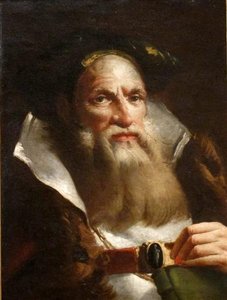
Giovanni Domenico Tiepolo
2007 - 1770 , Italia
Datos clave
- Artistas Que Influyeron: ['Giovanni Battista Tiepolo']
- Fecha De Fallecimiento: 3 de marzo de 1804
- Fecha De Nacimiento: 30 de agosto de 1727
- Lugar De Nacimiento: Venecia, Italia
- Movimiento Artístico: Rococó
- Nacionalidad: Italiana
- Nombre Completo: Giovanni Domenico Tiepolo
- Obras Notables:
- Perseo y Andromeda
- El Rapto de Europa
- Cazador con Ciervo
- Die heiligen Augustinus
- Apolo y Diana
- Apoteosis de Hércules
Artículos relacionados
Giambattista Tiepolo: A Rococo Master's Legacy of Light & Illusion
Explore the captivating world of Giambattista Tiepolo, master of Rococo art. Discover his innovative techniques, iconic frescoes, and lasting influence on Italian painting. A guide for discerning collectors.
Pietro Longhi's Venetian Scenes: A Study of Rococo Society & Domestic Life
Explore the captivating world of Pietro Longhi's Venetian scenes! Discover insightful analysis of his Rococo masterpieces & social commentary on 18th-century life. Learn about this 'Venetian Hogarth' and his lasting artistic legacy.

Rococó: 10 Obras Maestras que Definieron una Época | Arte y Decoración en
Descubre las 10 obras maestras del Rococó que marcaron una época. Explora la elegancia de Fragonard, Boucher y Watteau en . Reproducciones de arte de calidad museo para decorar tu hogar con estilo.
Francesco Guardi: Venetian Light, Atmospheric Perspective & the Rococo to Neoclassical Transition
Explore the captivating world of Francesco Guardi, master of Venetian light and atmosphere. Discover his transition from Rococo to Neoclassicism, influence on Impressionism & investment potential with ArtsDot.

Jacopo Tintoretto: Las 25 Obras Maestras del Genio Veneciano | Arte y Decoración en ArtsDot
Descubre las 25 obras maestras de Jacopo Tintoretto, el genio veneciano del Renacimiento. Explora su arte dramático, composiciones innovadoras y paleta vibrante. Reproducciones de alta calidad en ArtsDot.com para transformar tu hogar.