 Ver en contexto
 Enviar
 Compartir
 Detalles

 Descargar
 Similares
 Radiografía
 Presentación de diapositivas
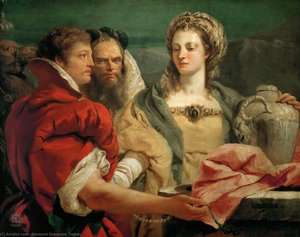
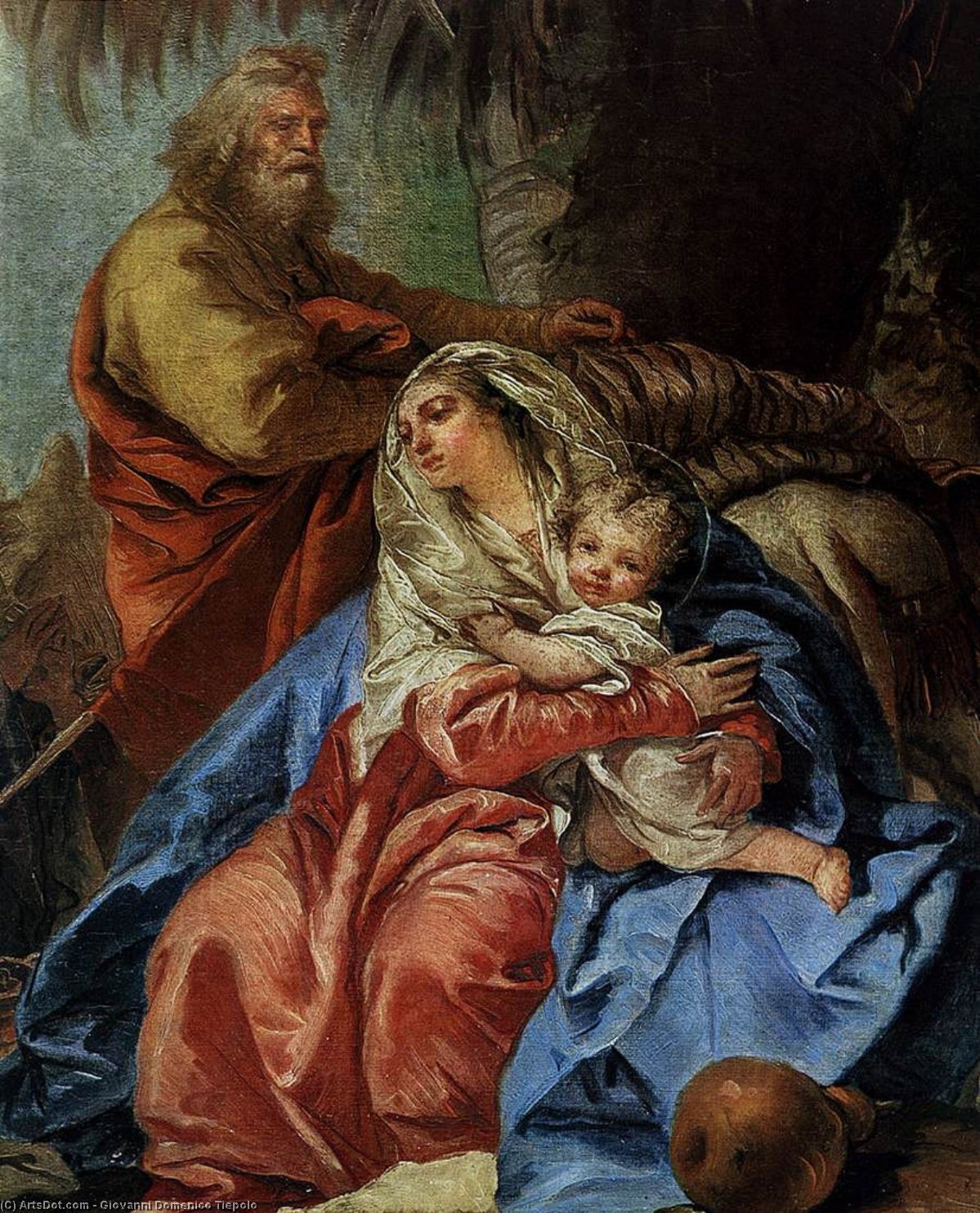
The Rest on the Flight to Egypt (detail)


 Ver más
Reproducción al óleo hecha a mano
Óleo sobre lienzo pintado a mano en el tamaño y marco de su elección, realizado por encargo por nuestros artistas. ( Comprar impresión Comprar imagen)




P118B $10

P118H $10

P118W $10

P438Z $10

P508JH $12

P508YH $12

P805H $10

P805Z $10

P919BZ $10

P919G $10

P919XJ $10

P959ZH $10

P968JZ $12

W106C $8

W218G $10

W218JH $8

W218Y $10

W307PJ $10

W316G $10

W316PJ $8

W316Y $10

W398PJ $8

W4111J $10

W500HY $15

W500JH $15

W692G $12

W849H $8

W940BG $15

W953PJ $8




Elija entre nuestros tamaños predefinidos que respetan las proporciones originales de la obra.

Puede ingresar sus propias dimensiones para adaptarse a un marco o espacio específico. Si el tamaño seleccionado no coincide con las proporciones de la imagen original, recortaremos la obra o extenderemos la pintura con elementos adicionales pintados a mano. Se le enviará una maqueta digital para su aprobación antes de comenzar la producción.
Tenga en cuenta que la vista previa en pantalla no refleja el recorte o la extensión reales. Solo la maqueta mostrará con precisión la composición final.
Si bien existen tamaños personalizados, recomendamos seleccionar una dimensión de la lista predefinida para preservar las proporciones originales.
Tras realizar el pedido, el equipo de ArtsDot.com enviará un correo electrónico al cliente para solicitar instrucciones y proporcionarle una vista previa del boceto.
Envío a todo el mundo () en 3-4 semanas en lugar de las 5 semanas estándar. (31 agosto). Sin comprometer la calidad.

Envío exprés gratuito a todo el mundo

Lienzo de lino de alta calidad

Seguro de envío total

Garantía de reembolso de impuestos aduaneros

Garantía de fidelidad cromática exacta

Política de devolución de 60 días (solo por defectos)

Garantía de devolución del 100% del dinero

Descuento por cantidad
 La opción de vidrio solo está disponible en tamaños inferiores a 110 cm.

The Rest on the Flight to Egypt (detail)
Técnica de reproducción
Dimensiones de la reproducción
-


Precio total final
$ 313
A Moment of Grace: Giovanni Domenico Tiepolo’s “The Rest on the Flight to Egypt”
Giovanni Domenico Tiepolo's "The Rest on the Flight to Egypt" isn't merely a depiction of a biblical scene; it’s a profound exploration of faith, family, and the quiet dignity of human experience. Painted in 1750 during the height of the Rococo era, this oil painting transports us to a sun-drenched landscape, where the Holy Family – Mary, Joseph, and the infant Jesus – find respite after their arduous journey into Egypt. More than just a narrative illustration, it’s a carefully constructed tableau brimming with symbolic weight and rendered with Tiepolo's signature blend of dramatic emotion and refined elegance.
The painting immediately captivates with its dynamic composition, reminiscent of the Baroque masters who preceded him. The pyramidal structure, anchored by Mary’s serene figure, draws our eye through a carefully orchestrated arrangement of figures and elements. Notice how Tiepolo masterfully uses light and shadow to create depth and drama – the warm glow illuminating the family contrasts sharply with the cooler tones of the distant landscape, emphasizing their vulnerability and the protective embrace of nature. The loose brushwork, characteristic of Tiepolo’s style, lends a sense of movement and immediacy, as if we are witnessing this intimate moment unfold before our eyes.
Baroque Roots, Rococo Refinement
Tiepolo's work is deeply rooted in the Baroque tradition, inheriting its emphasis on emotional intensity and theatrical lighting. However, he skillfully adapts these elements to the more delicate aesthetic of the Rococo style, prevalent at the time. The rich color palette – dominated by reds, browns, and golds – evokes a sense of opulence and reverence, while the flowing draperies and graceful poses reflect the Rococo’s love for elegance and ornamentation. The painting's scale is also significant; it was intended to be part of a larger cycle depicting the Flight into Egypt, suggesting its importance within a broader narrative.
It’s crucial to understand that this scene wasn’t simply plucked from scripture. The story of the Flight into Egypt had been embellished over centuries with various legends and symbolic interpretations. The inclusion of elements like the spring – a symbol of life, sustenance, and divine provision – adds layers of meaning to the composition. Even the distant landscape, rendered with atmospheric perspective, hints at the challenges and uncertainties faced by the Holy Family as they sought refuge from persecution.
Symbolism and Emotional Resonance
Beyond its narrative content, “The Rest on the Flight to Egypt” is rich in symbolism. Mary’s posture – calm, attentive, and protective – embodies maternal love and devotion. Joseph, depicted gathering firewood, represents his role as a steadfast guardian and provider. And the infant Jesus, nestled securely in Mary's arms, symbolizes innocence, hope, and the promise of salvation. The painting speaks to universal themes of family, faith, and the search for refuge—emotions that resonate deeply across cultures and time periods.
The work’s enduring appeal lies not only in its technical brilliance but also in its ability to evoke a sense of quiet contemplation and emotional connection. It's a reminder of the simple grace found within ordinary moments, and the profound significance of family bonds. Reproductions of this masterpiece offer a chance to bring this timeless scene into your home, allowing you to experience its beauty and symbolism firsthand.
Obras relacionadas




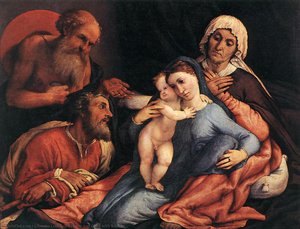
Biografía del artista
Giovanni Domenico Tiepolo: Un Maestro del Fresco Rococó
Giovanni Domenico Tiepolo (30 de agosto de 1727 – 3 de marzo de 1804) fue un destacado pintor y grabador italiano de la República de Venecia. Es reconocido como una figura líder en el estilo rococó, heredando y expandiendo el legado de su renombrado padre, Giovanni Battista Tiepolo. Su carrera abarcó varias décadas, dejando atrás una rica obra caracterizada por colores vibrantes, composiciones dinámicas y elegantes representaciones de escenas mitológicas, retratos y paisajes.
Vida Temprana y Formación
Nacido en una familia artística, la vida temprana de Giovanni Domenico estuvo profundamente entrelazada con el mundo del arte. Su padre, Giovanni Battista Tiepolo, un celebrado pintor conocido por sus monumentales frescos, fue su principal mentor. Giovanni Domenico recibió una rigurosa formación bajo la guía de su padre, aprendiendo las técnicas y los matices estilísticos que moldearían su propio desarrollo artístico. También se benefició de la exposición a otros artistas notables de la época, incluyendo a Sebastiano Ricci y Federico Bencovich, ampliando aún más sus horizontes artísticos. Como joven, asistió frecuentemente a su padre en proyectos a gran escala, adquiriendo una valiosa experiencia práctica en la pintura al fresco.
Carrera Artística y Estilo
La carrera de Giovanni Domenico floreció durante el siglo XVIII. Se estableció como un artista habilidoso capaz de producir tanto obras independientes como contribuir a proyectos colaborativos. Si bien inicialmente trabajó estrechamente con su padre, gradualmente desarrolló su propio estilo distintivo, aunque conservando elementos de la estética rococó prevalente en el arte veneciano de la época. Su producción artística incluyó frescos, pinturas sobre lienzo y grabados.
- Frescos: Tiepolo fue particularmente renombrado por sus frescos, decorando numerosas ubicaciones a lo largo de Italia con elaboradas escenas. Ejemplos notables incluyen los frescos en Ca' Dolfin en el Gran Canal de Venecia y el techo de la iglesia Gesuati (Santa Maria del Rosario), también en Venecia.
- Pinturas: Más allá de los frescos, creó un número significativo de pinturas sobre lienzo, a menudo representando temas mitológicos o retratos. Ejemplos incluyen "Perseo y Andrómeda" (ver aquí), “El Rapto de Europa” (ver aquí) y "Cazador con Ciervo" (ver aquí).
- Grabados: Tiepolo también demostró su habilidad en el grabado, creando impresiones detalladas y expresivas como "Die heiligen Augustinus, Ludwig von Frankreich, Johannes Evangelist und Magnus" (ver aquí) y “Apotheosis de Hércules” (ver aquí).
Significado Histórico
Giovanni Domenico Tiepolo jugó un papel crucial en la continuación y evolución del arte rococó veneciano. Si bien fue eclipsado por la fama de su padre durante su vida, ahora es reconocido como un artista significativo por derecho propio. Sus frescos y pinturas ofrecen valiosas perspectivas sobre los gustos artísticos y los valores culturales del siglo XVIII en Venecia e Italia. Su capacidad para combinar temas clásicos con sensibilidades contemporáneas solidificó su lugar dentro del movimiento rococó, dejando atrás un legado de arte vibrante que continúa cautivando al público hoy en día.
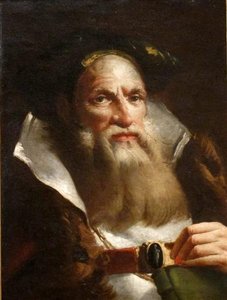
Giovanni Domenico Tiepolo
2007 - 1770 , Italia
Datos clave
- Artistas Que Influyeron: ['Giovanni Battista Tiepolo']
- Fecha De Fallecimiento: 3 de marzo de 1804
- Fecha De Nacimiento: 30 de agosto de 1727
- Lugar De Nacimiento: Venecia, Italia
- Movimiento Artístico: Rococó
- Nacionalidad: Italiana
- Nombre Completo: Giovanni Domenico Tiepolo
- Obras Notables:
- Perseo y Andromeda
- El Rapto de Europa
- Cazador con Ciervo
- Die heiligen Augustinus
- Apolo y Diana
- Apoteosis de Hércules
Artículos relacionados

The Dramatic Flourish: Exploring the Baroque Movement's Enduring Legacy in Art History
Explore the dramatic world of Baroque art! Discover iconic artists like Caravaggio & Rubens, defining techniques, and its lasting impact on art history. Expert insights for collectors & enthusiasts at ArtsDot.

Drama Barroca: Llevando la Grandeza y la Emoción a los Interiores Contemporáneos
Descubre cómo el drama y la grandeza del arte barroco pueden transformar tus interiores. Guía experta, inspiración y reproducciones de alta calidad en .

Barroco Sublime: 10 Obras Maestras que Definieron una Época |
Descubre las 10 obras maestras del Barroco que marcaron una época. Caravaggio, Bernini y Velázquez cobran vida en . Reproducciones de arte de calidad museo para decorar tu hogar con elegancia. ¡Explora la colección online!

The Visceral Stage: Exploring Dramatic Narratives & Emotional Intensity in Baroque Art
Explore the dramatic world of Baroque art! Discover iconic masters like Caravaggio & Rembrandt, their techniques, and the movement's lasting impact. Expert insights for collectors & enthusiasts at ArtsDot.

The Enduring Power of Painting: A Historical & Contemporary Exploration of Form and Emotion
Explore the rich history & enduring techniques of oil painting with ArtsDot. Discover masterpieces, learn about art collecting, and find authentic handmade reproductions crafted by skilled artists.