

 Ver en contexto
 Enviar
 Compartir
 Detalles

 Descargar
 Similares
 Radiografía
 Presentación de diapositivas
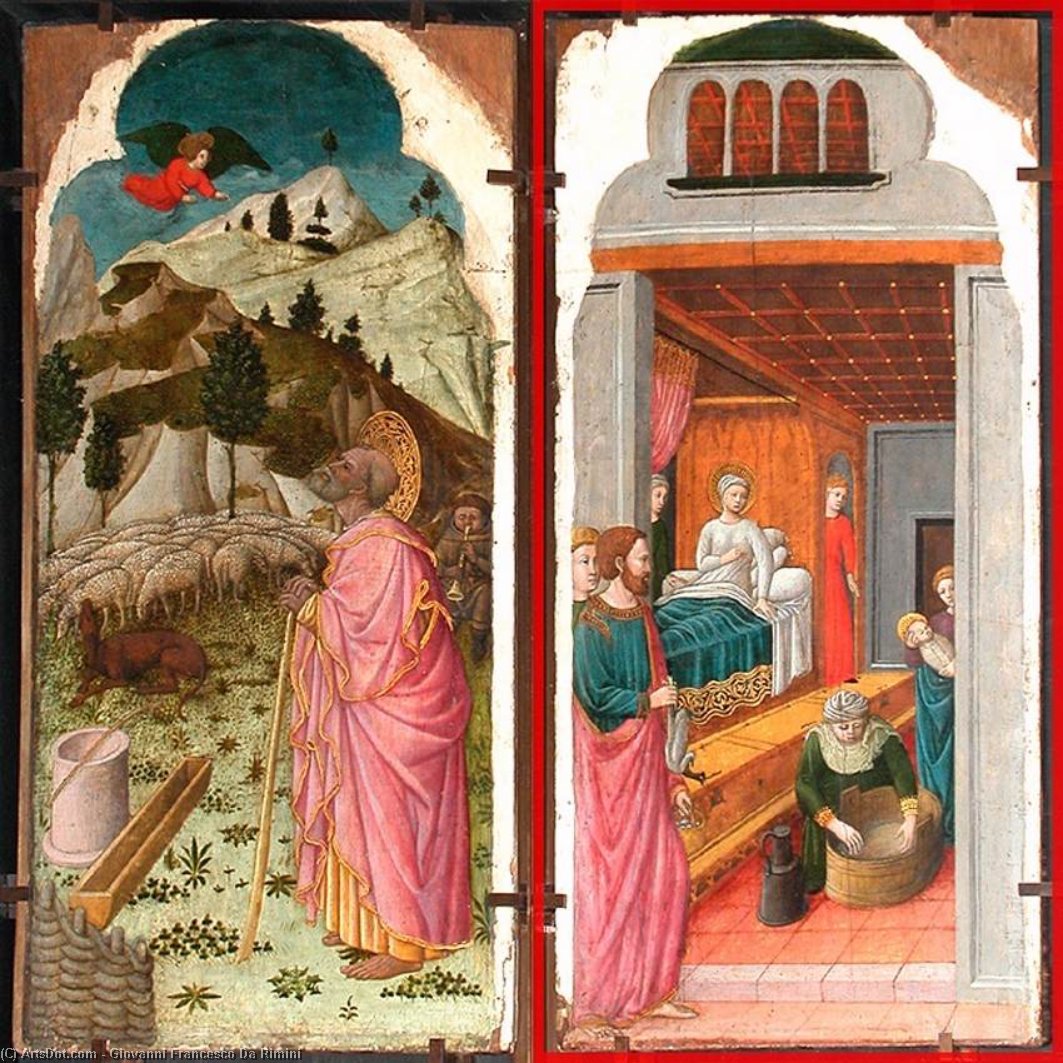
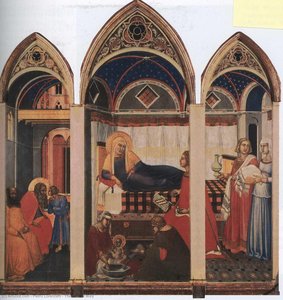
The Angel Appearing to Joachim The Birth of the Virgin
 Oil On Canvas
- WallArt
- Renaissance Painting
 1440
1440- Renaissance
 59.0 x 30.0 cm
 Museo del Louvre
 Ver más
Giclée / Impresión de arte
Impresiones giclée o en lienzo de calidad de museo con producción rápida y opciones de acabado flexibles. ( Comprar pintura hecha a mano Comprar imagen)




P118B $10

P118H $10

P118W $10

P438Z $10

P508JH $12

P508YH $12

P805H $10

P805Z $10

P919BZ $10

P919G $10

P919XJ $10

P959ZH $10

P968JZ $12

W106C $8

W218G $10

W218JH $8

W218Y $10

W307PJ $10

W316G $10

W316PJ $8

W316Y $10

W398PJ $8

W4111J $10

W500HY $15

W500JH $15

W692G $12

W849H $8

W940BG $15

W953PJ $8




Elija entre nuestros tamaños predefinidos que respetan las proporciones originales de la obra.

Puede introducir sus propias dimensiones para adaptarse a un marco o espacio específico. Si el tamaño seleccionado no coincide con las proporciones de la imagen original, recortaremos la obra de arte o extenderemos la imagen con un borde con efecto espejo o de color sólido. Se enviará una maqueta digital para su aprobación antes de que comience la producción.
Tenga en cuenta que la vista previa en pantalla no refleja el recorte o la extensión real. Solo la maqueta mostrará con precisión la composición final.
Aunque existen tamaños personalizados, recomendamos seleccionar una dimensión de la lista predefinida para preservar las proporciones originales.
Envío a todo el mundo () en 2 semanas en lugar de las 4/5 semanas estándar. (4 septiembre)

Envío exprés gratuito a todo el mundo

Lienzo de lino de alta calidad

Seguro de envío total

Garantía de reembolso de impuestos aduaneros

Garantía de fidelidad cromática exacta

Política de devolución de 60 días (solo por defectos)

Garantía de devolución del 100% del dinero

Descuento por cantidad
 La opción de vidrio solo está disponible en tamaños inferiores a 110 cm.

The Angel Appearing to Joachim The Birth of the Virgin
Giclée / Impresión de arte
Dimensiones de la reproducción
-


Precio total final
$ 62
A Divine Narrative in Renaissance Hues
This exquisite panel painting, depicting The Angel Appearing to Joachim, The Birth of the Virgin, invites the viewer into a moment suspended between earthly anticipation and divine revelation. Giovanni Francesco da Rimini masterfully captures not one, but two interconnected narratives: the miraculous birth itself, and the heavenly announcement preceding it. The composition is rich with human drama, drawing us immediately into the intimate setting where life’s greatest mysteries unfold. Observe the tender interaction in the first scene—the kneeling figure before the woman resting upon the bed—surrounded by witnesses whose varied postures suggest a spectrum of awe, curiosity, and profound belief. The inclusion of the donkeys grounds this sacred event within tangible reality.
The Symbolism of Divine Visitation
The second tableau elevates the spiritual dimension, focusing on Joachim, portrayed here as a shepherd, receiving the glorious visitation from an angel. This encounter is steeped in potent symbolism; the angel bearing a lamb speaks to themes of innocence, sacrifice, and divine providence. For art lovers, these elements are keys to unlocking the painting’s deeper meaning. The Virgin's impending birth is not merely a historical event but a theological cornerstone, rendered here with palpable grace. Every gesture, from the shepherd’s receptive gaze to the angel’s gentle presentation of the lamb, guides our emotional understanding toward acceptance and wonder.
Mastery in Technique and Color
Giovanni Francesco da Rimini’s technique is a testament to the refined artistry of the early Renaissance. The vibrancy and richness of the colors employed are breathtaking, lending an almost luminous quality to the depicted fabrics and flesh tones. One can appreciate the meticulous detail in the rendering of the clothing and the subtle nuances in the facial expressions. This level of craftsmanship suggests hours of devoted labor, allowing the narrative weight of the subject matter to be carried by a technically flawless execution. The overall composition achieves a remarkable balance between dramatic action and serene contemplation.
A Touch of 15th-Century Devotion for Modern Spaces
Dating from 1440, this work stands as a beautiful artifact of Quattrocento devotion. For the collector or designer seeking to infuse a space with history and profound artistry, this piece offers unparalleled depth. Reproducing such an artwork allows one to bring the quiet majesty of Renaissance piety into contemporary living quarters. It serves not just as decoration, but as a focal point for contemplation—a visual meditation on faith, lineage, and the miraculous nature of beginnings.
Obras relacionadas
Artículos relacionados
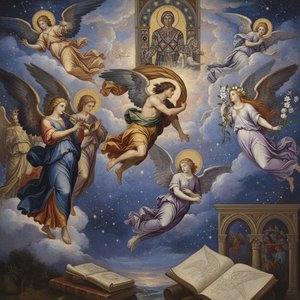
Celestial Messengers: Angels in Painting – A Historical & Artistic Exploration
Explore the captivating history of angels in painting! Discover symbolism, iconic Renaissance & Byzantine masterpieces, and renowned artists. Expert insights for art lovers & collectors at ArtsDot.

Celestial Messengers: A Comprehensive Exploration of Angelic Representation in Art History
Explore the captivating history of angels in art! Discover symbolism, iconic Renaissance masterpieces & renowned artists. Expert insights for art lovers & collectors at ArtsDot.

Giclée Prints: Archival Quality & Aesthetic Nuances for the Discerning Collector
Explore the world of giclée prints with ArtsDot. Learn about archival quality, aesthetic nuances & investment potential. Expert guidance for discerning art collectors seeking museum-quality reproductions and lasting value.

The Enduring Legacy of Fine Art Prints: Technique, History & Aesthetic Impact
Explore the rich history & techniques of fine art prints. Discover investment potential, assess authenticity, and learn how to preserve your collection with expert guidance. Trusted insights for discerning collectors.

Echoes of Time: Exploring the Enduring Appeal & Historical Context of Vintage Art Prints
Explore the captivating world of vintage art prints! Discover their history, collecting tips & enduring appeal. Expert insights on chromolithography and building a legacy collection with ArtsDot.

