

 Ver en contexto
 Enviar
 Compartir
 Detalles

 Descargar
 Similares
 Radiografía
 Presentación de diapositivas
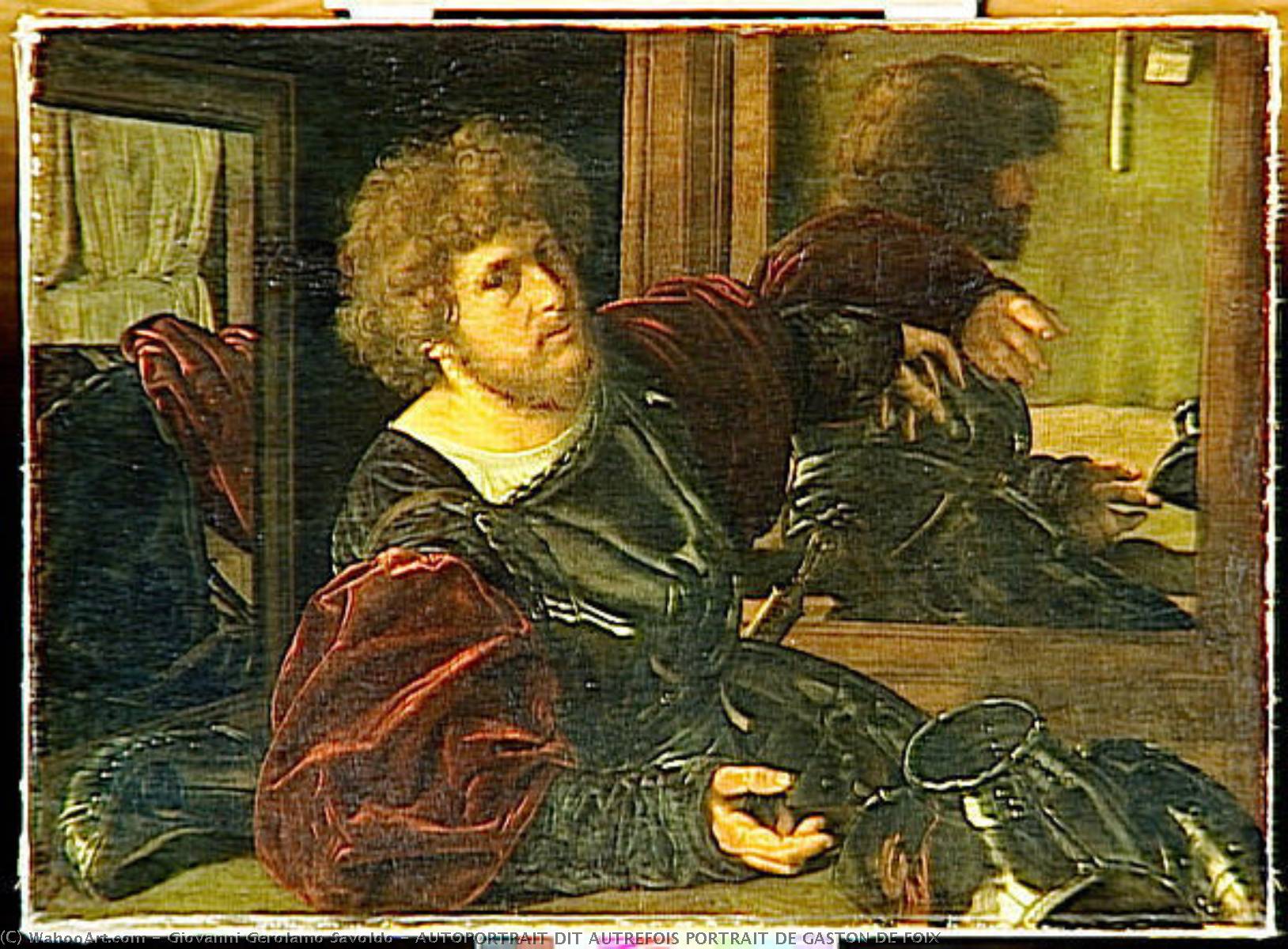
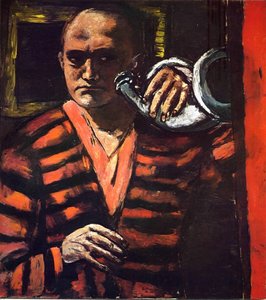
AUTOPORTRAIT DIT AUTREFOIS PORTRAIT DE GASTON DE FOIX


 Ver más
Giclée / Impresión de arte
Impresiones giclée o en lienzo de calidad de museo con producción rápida y opciones de acabado flexibles. ( Comprar pintura hecha a mano Comprar imagen)




P118B $10

P118H $10

P118W $10

P438Z $10

P508JH $12

P508YH $12

P805H $10

P805Z $10

P919BZ $10

P919G $10

P919XJ $10

P959ZH $10

P968JZ $12

W106C $8

W218G $10

W218JH $8

W218Y $10

W307PJ $10

W316G $10

W316PJ $8

W316Y $10

W398PJ $8

W4111J $10

W500HY $15

W500JH $15

W692G $12

W849H $8

W940BG $15

W953PJ $8




Elija entre nuestros tamaños predefinidos que respetan las proporciones originales de la obra.

Puede introducir sus propias dimensiones para adaptarse a un marco o espacio específico. Si el tamaño seleccionado no coincide con las proporciones de la imagen original, recortaremos la obra de arte o extenderemos la imagen con un borde con efecto espejo o de color sólido. Se enviará una maqueta digital para su aprobación antes de que comience la producción.
Tenga en cuenta que la vista previa en pantalla no refleja el recorte o la extensión real. Solo la maqueta mostrará con precisión la composición final.
Aunque existen tamaños personalizados, recomendamos seleccionar una dimensión de la lista predefinida para preservar las proporciones originales.
Envío a todo el mundo () en 2 semanas en lugar de las 4/5 semanas estándar. (2 septiembre)

Envío exprés gratuito a todo el mundo

Lienzo de lino de alta calidad

Seguro de envío total

Garantía de reembolso de impuestos aduaneros

Garantía de fidelidad cromática exacta

Política de devolución de 60 días (solo por defectos)

Garantía de devolución del 100% del dinero

Descuento por cantidad
 La opción de vidrio solo está disponible en tamaños inferiores a 110 cm.

AUTOPORTRAIT DIT AUTREFOIS PORTRAIT DE GASTON DE FOIX
Giclée / Impresión de arte
Dimensiones de la reproducción
-


Precio total final
$ 62
Giovanni Girolamo Savoldo: A Master of Subtle Light and Lombard Modeling
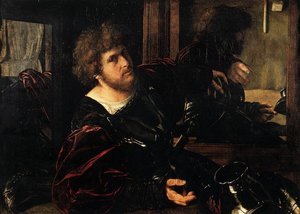
Giovanni Girolamo Savoldo (c. 1480 – after 1548) stands as a pivotal figure in the Venetian Renaissance, recognized for his distinctive artistic style that blended Northern European influences with the expressive traditions of Lombard painting. Despite the scarcity of biographical details—scholars debate his precise birthplace and early training—Savoldo’s output constitutes approximately forty paintings, predominantly religious subjects imbued with remarkable realism and psychological depth. His legacy rests on a handful of drawings and continues to fascinate art historians who grapple with questions surrounding the dating of many works and the attribution of certain commissions. Early Life & Training: Savoldo’s origins remain shrouded in mystery, though he is generally believed to have been born in Brescia, Italy. Records indicate that he was known as Girolamo Bresciano, suggesting a familial connection to th ## The Artwork: Autoportrait, dit autrefois Portrait de Gaston de Foix The *Portrait of a Clad Warrior*, also known as *, is an oil on canvas painting by the Italian* Giovanni Girolamo Savoldo, dating to c. 1529 and housed in the Louvre Museum,* Paris. It’s a masterful example of Venetian Renaissance portraiture, characterized by its meticulous attention to detail and subtle manipulation of light—a technique that distinguishes Savoldo from many of his contemporaries. The painting depicts a man wearing military armor in a small room with two mirrors. In a narrow space, the figure leans against a shelf, while he also leans forward towards the viewer, settling along a deep diagonal, which ends with his outstretched left arm, indicating the reflected image. The presence of the triple image (front, back and side) certainly refers to a lost painting by Giorgione,* who had been created to demonstrate the superiority of painting in the lively debate on the “comparison of the arts”. Savoldo, like Giorgione, wanted to demonstrate that painting was also capable of representing multiple views of the same subject, in the same way as sculpture, and without having to go around it. The theme of light and reflections is also magnified by the metallic luster of the armor and the red velvet sleeves, which create those chromatic flashes between dense and dark shadow fields, typical of Savoldo’s production. The artist skillfully employs chiaroscuro—the dramatic contrast between light and shade—to sculpt the figure's form and convey a profound sense of introspection. This technique wasn’t merely decorative; it served to heighten emotional impact and imbue the portrait with psychological complexity. ## Composition & Technique: Lombard Modeling Meets Venetian Color Palette Savoldo’s compositional choices are equally noteworthy. The central placement of the man’s face—both in reality and within the mirror—immediately draws the viewer's eye, establishing a dialogue between self-representation and external perception. Framing the figure with the mirror adds depth to the scene and reinforces the idea of contemplation. Furthermore, Savoldo’s meticulous rendering of textures—the folds of clothing, the roughness of hair, and the smoothness of skin—demonstrates his mastery of Lombard modeling, a style that prioritizes realistic representation through careful layering of pigments to achieve tonal variations and subtle surface irregularities. This contrasts sharply with the brighter, more vibrant color palette favored by Venetian painters like Titian, creating a harmonious blend of artistic traditions. ## Historical Context & Symbolism: Echoes of Giorgione’s Lost Masterpiece The *Portrait of a Clad Warrior* emerged during a period of intense artistic rivalry—the “Paragone”—between Venetian and Florentine artists. Savoldo deliberately invoked the influence of Giorgione,* whose enigmatic masterpiece, *The Tempest*, had similarly explored the complexities of perception and representation. By adopting a similar compositional strategy and employing comparable techniques, Savoldo asserted painting’s ability to capture multiple viewpoints—a bold statement against sculpture's perceived limitations. The inclusion of the mirror serves as a potent symbol—representing self-reflection and perhaps the artist’s awareness of his own image and identity—further enriching the artwork’s narrative significance. ## Emotional Impact & Legacy: A Portrait That Speaks Volumes Ultimately, Savoldo’s *Portrait of a Clad Warrior* transcends mere visual representation; it communicates an enduring sense of solemn contemplation and psychological nuance. The subdued lighting and muted color palette contribute to an atmosphere of quiet dignity, inviting viewers to engage in a profound meditation on the human condition. Savoldo's work continues to inspire artists and collectors alike—a testament to his unparalleled skill and artistic vision—solidifying his place as one of the most influential figures of the Venetian Renaissance.Obras relacionadas


Biografía del artista
El legado luminoso de Giovanni Girolamo Savoldo
En la edad dorada del Renacimiento italiano, pocos pintores poseían la capacidad de capturar la danza efímera de la luz con tanta maestría como Giovanni Girolamo Savoldo. Figura de profunda destreza técnica y serena profundidad emocional, Savoldo emergió de las tradiciones lombardas para convertirse en una voz vital dentro de la escuela veneciana. Aunque gran parte de su juventud permanece envuelta en las brumas de la historia, su presencia artística se siente innegablemente a través de una obra que respira con una vitalidad atmosférica y única. Nacido en Brescia alrededor de 1480, trajo consigo el modelado meticuloso y las paletas contenidas características de sus raíces lombardía; sin embargo, su espíritu fue irrevocablemente transformado por las vibrantes innovaciones coloristas de Venecia.
La evolución del estilo de Savoldo es un viaje a través de los paisajes cambiantes de la Italia del siglo XVI. Su formación temprana, probablemente influenciada por la precisión monumental de Andrea Mantegna y la gracia de Francesco Mazzola, le proporcionó una base de integridad estructural. A medida que transitaba por Parma y finalmente se establecía en Venecia hacia 1515, su obra comenzó a exhibir una síntesis asombrosa de estilos. Poseía un talento poco común para fusionar la preocupación del norte de Europa por el detalle realista y la textura con la luz lírica y envolvente de los maestros venecianos. Esta fusión le permitió crear escenas que no eran meras representaciones de temas religiosos o seculares, sino entornos inmersivos donde la sombra y la iluminación narran su propia historia.
Maestría de la luz y el modelado lombardo
Contemplar una obra maestra de Savoldo es ser testigo del uso profundo del claroscuro. Él no utilizaba la luz simplemente para iluminar a sus sujetos; la utilizaba para esculpirlos. Su técnica, a menudo denominada modelado lombardo, le permitía dotar a las figuras de una presencia tangible y tridimensional mediante sutiles gradaciones tonales. En obras como "San Mateo y el Ángel", se puede percibir el peso espiritual del momento, transmitido a través de un resplandor luminoso que parece emanar de la propia revelación divina. Esta capacidad para manipular la luz creó una sensación de lirismo tranquilo, sello distintivo de su periodo maduro.
Su versatilidad se extendió mucho más allá del ámbito sagrado, alcanzando el mundo íntimo del retrato y el encanto pastoral de las escenas de género. Sus retratos, tales como el "Retrato de Bernardo di Salla" o el enigmático "Retrato de un hombre con armadura (conocido como Gastón de Foix)", demuestran una habilidad asombrosa para capturar la esencia psicológica y la dignidad de sus modelos. En estas obras, el juego de luces sobre el metal, la tela y la piel exhibe su virtuosismo técnico, mientras que los fondos suaves y atmosféricos invitan al espectador a un espacio contemplativo. Incluso en temas más rústicos como "Pastor con una flauta", Savoldo infunde la escena con un realismo sereno que eleva el humilde tema a un nivel de belleza poética.
Significado histórico y espíritu artístico perdurable
Aunque su producción conocida es relativamente pequeña —compuesta por aproximadamente cuarenta pinturas—, el impacto de Giovanni Girolamo Savoldo en la trayectoria del arte renacentista es significativo. Actuó como un puente entre las rigurosas tradiciones escultóricas de la región de Lombardía y la brillantez emotiva y cromática de Venecia. Su obra sirve como testimonio de la capacidad de la época para lograr una innovación profunda mediante la mezcla de diversas influencias regionales.
El redescubrimiento de su genio en el siglo XIX trajo consigo un renovado aprecio por su contribución única al Alto Renacimiento. Hoy en día, tanto historiadores del arte como entusiastas continúan encontrando consuelo y asombro en su capacidad para capturar los momentos fugaces de la experiencia humana. Su legado permanece grabado en las sombras suaves y los brillos radiantes de sus lienzos, recordándonos que la verdadera maestría reside en la capacidad de hacer visible al ojo lo intangible: la luz, el espíritu y la emoción.
Giovanni Girolamo Savoldo
1480 - 1548 , Italia
Datos clave
- Artistic Movement Or Style: High Renaissance
- Artists Or Movements Influenced By This Artist: ['Alessandro Filipepi']
- Artists Who Influenced This Artist:
- Giorgione
- Hieronymus Bosch
- Date Of Birth: c. 1480
- Date Of Death: after 1548
- Full Name: Giovanni Girolamo Savoldo
- Nationality: Italian
- Notable Artworks:
- Saint Matthew and the Angel
- The Madonna and Saints
- Place Of Birth: Brescia, Italy
Artículos relacionados

The Enduring Legacy of Oil on Canvas: Technique, History & Aesthetic Impact
Explore the rich history & techniques of oil painting – from Renaissance masters to Impressionism. Discover pigments, layering methods, and why this timeless medium endures. Expert insights for artists & art enthusiasts.
Las 10 Obras Maestras al Óleo que Revolucionaron la Historia del Arte |
Descubre las 10 obras maestras al óleo que transformaron la historia del arte. Explora Van Gogh, Monet, Da Vinci y más. Reproducciones de alta calidad para decorar tu hogar con elegancia. ¡Encuentra tu obra favorita en !

El Óleo sobre Lienzo: Historia, Técnica y la Persistencia de un Medio Artístico Atemporal
Descubre la historia y técnica del óleo sobre lienzo. Explora reproducciones fieles hechas a mano, personalización artística y consejos de expertos con ArtsDot. ¡Colecciona arte con confianza!
El Legado Duradero del Óleo sobre Lienzo: Técnica, Historia y Práctica Contemporánea
Descubre la historia y técnica del óleo sobre lienzo. Explora reproducciones fieles hechas a mano, personalización artística y consejos de expertos con .

Jacopo Tintoretto: Las 25 Obras Maestras del Genio Veneciano | Arte y Decoración en ArtsDot
Descubre las 25 obras maestras de Jacopo Tintoretto, el genio veneciano del Renacimiento. Explora su arte dramático, composiciones innovadoras y paleta vibrante. Reproducciones de alta calidad en ArtsDot.com para transformar tu hogar.

