 Ver en contexto
 Enviar
 Compartir
 Detalles

 Descargar
 Similares
 Radiografía
 Presentación de diapositivas
Christ and the Woman of Samaria
 Acrylic On Canvas
- WallArt
- Baroque Painting
 1620
1620 66.0 x 87.0 cm
 El Museo Ashmolean de Arte y Arqueología
 Ver más
Reproducción al óleo hecha a mano
Óleo sobre lienzo pintado a mano en el tamaño y marco de su elección, realizado por encargo por nuestros artistas. ( Comprar impresión Comprar imagen)




P118B $10

P118H $10

P118W $10

P438Z $10

P508JH $12

P508YH $12

P805H $10

P805Z $10

P919BZ $10

P919G $10

P919XJ $10

P959ZH $10

P968JZ $12

W106C $8

W218G $10

W218JH $8

W218Y $10

W307PJ $10

W316G $10

W316PJ $8

W316Y $10

W398PJ $8

W4111J $10

W500HY $15

W500JH $15

W692G $12

W849H $8

W940BG $15

W953PJ $8




Elija entre nuestros tamaños predefinidos que respetan las proporciones originales de la obra.

Puede ingresar sus propias dimensiones para adaptarse a un marco o espacio específico. Si el tamaño seleccionado no coincide con las proporciones de la imagen original, recortaremos la obra o extenderemos la pintura con elementos adicionales pintados a mano. Se le enviará una maqueta digital para su aprobación antes de comenzar la producción.
Tenga en cuenta que la vista previa en pantalla no refleja el recorte o la extensión reales. Solo la maqueta mostrará con precisión la composición final.
Si bien existen tamaños personalizados, recomendamos seleccionar una dimensión de la lista predefinida para preservar las proporciones originales.
Tras realizar el pedido, el equipo de ArtsDot.com enviará un correo electrónico al cliente para solicitar instrucciones y proporcionarle una vista previa del boceto.
Envío a todo el mundo () en 3-4 semanas en lugar de las 5 semanas estándar. (30 agosto). Sin comprometer la calidad.

Envío exprés gratuito a todo el mundo

Lienzo de lino de alta calidad

Seguro de envío total

Garantía de reembolso de impuestos aduaneros

Garantía de fidelidad cromática exacta

Política de devolución de 60 días (solo por defectos)

Garantía de devolución del 100% del dinero

Descuento por cantidad
 La opción de vidrio solo está disponible en tamaños inferiores a 110 cm.

Christ and the Woman of Samaria
Técnica de reproducción
Dimensiones de la reproducción
-


Precio total final
$ 263
Giovanni Lanfranco’s “Christ and the Woman of Samaria”: A Baroque Revelation
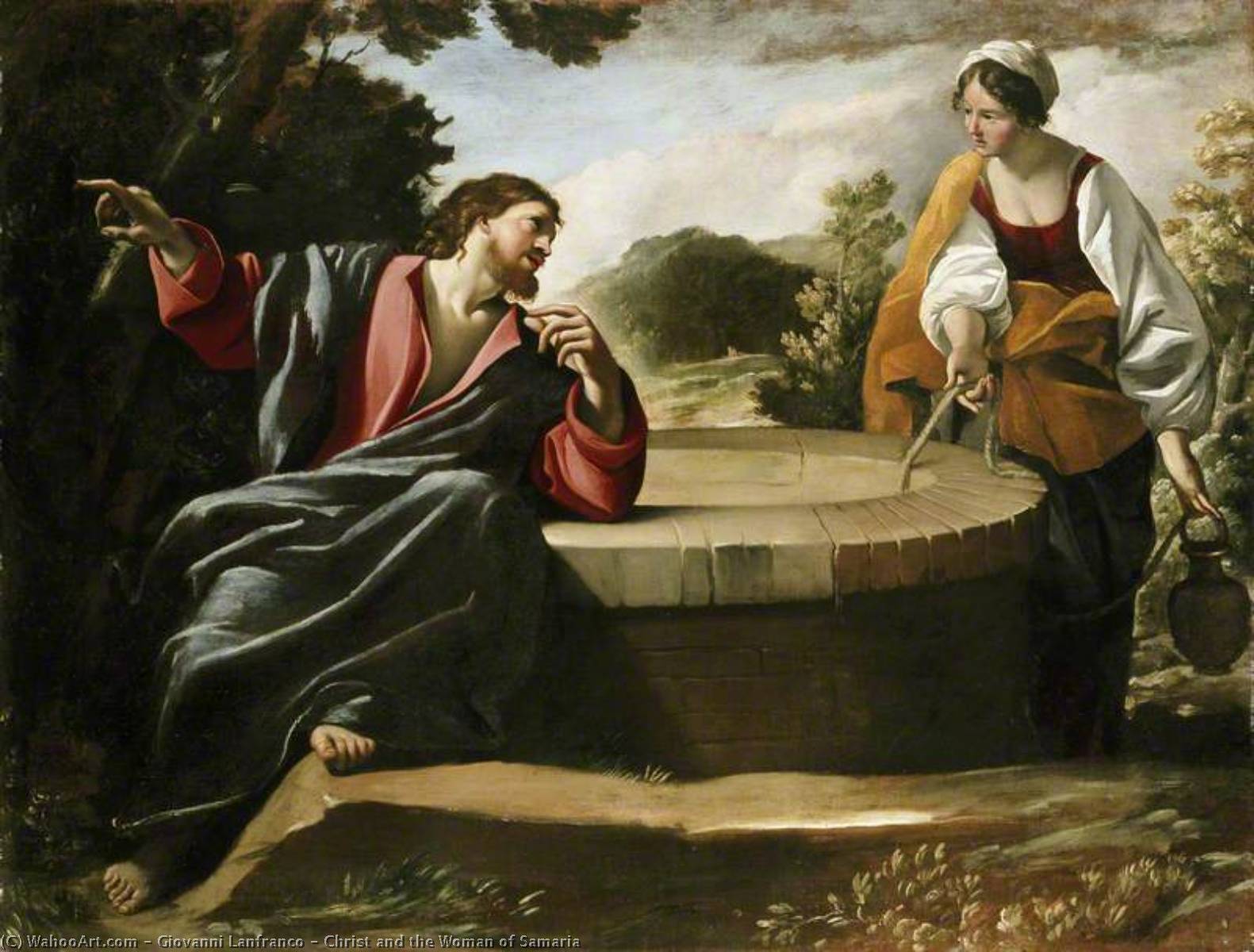
The fresco "Christ and the Woman of Samaria," painted by Giovanni Lanfranco in 1620, stands as a pivotal work within the artist's oeuvre and a compelling example of the dynamism and dramatic intensity characteristic of the High Renaissance’s transition into the Baroque. Housed today at the Ashmolean Museum in Oxford, this scene from the Gospel of John is not merely a depiction of biblical narrative; it’s an immersive experience, a carefully constructed tableau designed to evoke both spiritual contemplation and immediate emotional response. Lanfranco, trained under the tutelage of Agostino Carracci and later working within Annibale Carracci's workshop in Rome, masterfully synthesizes influences from his predecessors while forging a distinctly personal style marked by dramatic lighting, complex spatial arrangements, and an almost theatrical use of color.
The composition itself is immediately arresting. Jesus Christ, rendered with a serene yet commanding presence, engages in a conversation with a Samaritan woman at a well – a location imbued with symbolic significance within the Gospel story. The woman’s forward lean, her eager gaze directed towards Christ, speaks volumes about her transformation and the profound impact of their encounter. Surrounding them is a bustling scene: disciples observing from behind, a partially visible walled city hinting at the Samaritan community, and a detailed landscape that stretches into the distance, creating a sense of depth and perspective rarely achieved in earlier Italian painting. Lanfranco’s use of *chiaroscuro*, the dramatic interplay of light and shadow, is particularly noteworthy; it not only illuminates key figures but also serves to heighten the emotional intensity of the scene, drawing the viewer's eye towards Christ and the woman.
The Language of Gesture and Symbolism
Beyond its technical brilliance, “Christ and the Woman of Samaria” is rich in symbolic detail. The well itself represents a source of spiritual refreshment – a metaphor for salvation offered by Christ to those who are thirsty for divine grace. The woman’s gesture, pointing towards something unseen, suggests her openness to revelation and her willingness to embrace faith. Even the placement of the figures within the landscape is deliberate; the receding city walls symbolize the limitations of earthly concerns, while the open space invites contemplation about the boundless nature of God's love. Lanfranco doesn’t simply illustrate a biblical story; he uses every element of the composition – from the color palette to the spatial arrangement – to convey a deeper theological message.
Interestingly, this particular scene was not entirely unique in its artistic representation. Artemisia Gentileschi created her own version of “Christ and the Woman of Samaria” around 1637, demonstrating that the narrative resonated strongly with female artists as well. While both paintings share a similar composition and subject matter, they differ significantly in their stylistic approaches – Gentileschi’s work is characterized by a greater sense of realism and emotional intensity, while Lanfranco's leans towards a more idealized and theatrical presentation. Studying these two versions side-by-side offers valuable insights into the evolving artistic conventions of the Baroque period.
Lanfranco’s Context: Rome and the Papal Patronage
Giovanni Lanfranco’s career flourished during a period of immense artistic activity in Rome, fueled by the patronage of Pope Paul V. He was deeply involved in the decoration of several prominent papal palaces, including the Galleria Farnese and the Quirinale Palace. This exposure to the grand scale and ambitious projects of the Vatican provided him with invaluable experience and honed his skills as a fresco painter. Lanfranco’s ability to create illusionistic effects – particularly in ceiling frescoes – was highly prized by the papacy, and he became one of the leading artists commissioned to adorn the interiors of Rome's most important buildings.
Furthermore, Lanfranco’s artistic development was shaped by his apprenticeship with Annibale Carracci, a key figure in the revival of classical art within the Renaissance. Carracci’s emphasis on naturalism and anatomical accuracy influenced Lanfranco’s approach to depicting human figures, while his innovative use of perspective informed Lanfranco's own compositional strategies. The legacy of these influences is evident throughout “Christ and the Woman of Samaria,” where Lanfranco skillfully blends classical ideals with Baroque dynamism.
A Timeless Masterpiece: Reproduction Possibilities
“Christ and the Woman of Samaria” remains a powerfully evocative work of art, offering viewers a glimpse into the spiritual and emotional landscape of the Baroque era. Today, high-quality reproductions are available through various sources, allowing art enthusiasts to bring this masterpiece into their homes or offices. When selecting a reproduction, consider the medium – oil on canvas offers exceptional detail and color fidelity, while fine art prints provide an affordable alternative. Whether you choose a traditional print or a more contemporary format, a reproduction of Lanfranco’s fresco will undoubtedly serve as a captivating focal point, sparking conversation and inspiring contemplation for years to come.
Obras relacionadas
Biografía del artista
Giovanni Lanfranco: Una Figura Clave del Barroco Romano
- Nacido: Parma, Italia (1582)
- Fallecido: 1647
Giovanni Gaspare Lanfranco fue un prominente pintor italiano perteneciente al período barroco. Su carrera floreció principalmente en Roma, donde se hizo famoso por sus frescos dinámicos y composiciones teatrales. Se erige como una figura significativa dentro de la escena artística romana, a menudo señalado por su rivalidad con Domenichino.
Vida Temprana y Formación
El viaje artístico de Lanfranco comenzó en Parma, Italia. Como tercer hijo de Stefano y Cornelia Lanfranchi, inicialmente sirvió como paje en el hogar del Conde Orazio Scotti. Su innato talento para el dibujo lo llevó a un aprendizaje con Agostino Carracci, hermano de Annibale Carracci, junto con Sisto Badalocchio. Esta formación temprana dentro de los palacios Farnese proporcionó una base sólida.
Tras la muerte de Agostino Carracci en 1602, Lanfranco y Badalocchio se unieron al gran e influyente taller romano de Annibale Carracci, que estaba entonces dedicado a decorar la Galería Farnese en el Palazzo Farnese. Se cree que Lanfranco contribuyó a obras como "Polifemo y Galatea" (existe una réplica en la Galería Doria) y otras piezas menores dentro de la galería.
Durante este período, junto con Guido Reni y Francesco Albani, Lanfranco pintó frescos en la Capilla Herrera en San Giacomo degli Spagnoli. También participó en la decoración de San Gregorio Magno y la Cappella Paulina en Santa Maria Maggiore. A partir de 1605, comenzó a recibir encargos independientes, incluyendo contribuciones al Camerino degli Eremiti en Palazzo Farnese.
Desarrollo y Estilo Artístico
Después de la muerte de Annibale Carracci en 1609, Lanfranco regresó brevemente a Parma durante dos años. Este período vio su colaboración con Bartolomeo Schedoni y pintó un retablo para la Iglesia Ognissanti. También produjo pinturas y retablos en varias ciudades incluyendo Orvieto, Vallerano, Leonessa y Fermo.
Tras su regreso a Roma en 1612, Lanfranco compitió con otros estudiantes de Carracci –incluyendo Reni, Albani y Domenichino– por el patrocinio. Su estilo evolucionó hacia un enfoque visionario y teatral, particularmente adecuado para las pinturas de techo que estaban ganando popularidad durante la primera década del siglo XVII.
Las influencias artísticas de Lanfranco fueron diversas. Se inspiró en las obras tardías de Ludovico Carracci y posiblemente de Caravaggio (como se ve en su retablo que representa la Inspiración de San Lucas). Sin embargo, también asimiló y adaptó el estilo de Antonio Correggio, evidente en su "Adoración de los Pastores" pintada antes de 1608. Su estudio se volvió bastante activo en la década de 1610, decorando Palazzo Mattei y la Capilla Buongiovanni en Sant'Agostino.
Logros Principales y Significado Histórico
El logro más significativo de Lanfranco fue su fresco "La Asunción de la Virgen" en la cúpula de Sant'Andrea della Valle (completado en 1627). Esta monumental obra, ejecutada utilizando la técnica de perspectiva “sotto in su”, es un hito de la pintura barroca, caracterizada por sus colores vibrantes y energía dinámica. Refleja la decoración pionera de Correggio de la Duomo di Parma.
Otros encargos notables incluyeron frescos para Palazzo Costaguti y un gran fresco en el techo en Villa Borghese ("Los Dioses del Olimpo"). También decoró la Sala de' Corazzieri y la Sala Regia del Palazzo del Quirinale. Su trabajo en "El Éxtasis de Santa Margarita de Cortona" (1622) se cree que influyó en la famosa escultura de Bernini, “Santa Teresa en el Éxtasis”.
La capacidad de Lanfranco para crear pinturas de techo ilusionistas a gran escala consolidó su posición como un artista líder dentro del movimiento barroco romano. Sus composiciones dinámicas y dominio de la perspectiva contribuyeron significativamente al esplendor visual de numerosos iglesias y palacios en Roma.
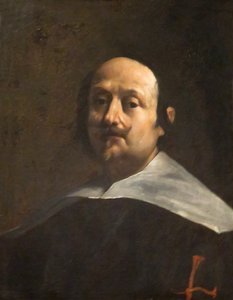
Giovanni Lanfranco
1582 - 1647 , Italia
Datos clave
- Artistas Que Influyeron:
- Agostino Carracci
- Annibale Carracci
- Antonio Correggio
- Caravaggio
- Fecha De Fallecimiento: 1647
- Fecha De Nacimiento: 1582
- Lugar De Nacimiento: Parma, Italia
- Movimiento Artístico: Barroco
- Nacionalidad: Italiana
- Nombre Completo: Giovanni Lanfranco
- Obras Notables:
- Asunción de la Virgen
- Polifemo y Galatea
- Adoración de los Pastores
- Éxtasis de Santa Margarita
Artículos relacionados

Drama Barroca: Llevando la Grandeza y la Emoción a los Interiores Contemporáneos
Descubre cómo el drama y la grandeza del arte barroco pueden transformar tus interiores. Guía experta, inspiración y reproducciones de alta calidad en .

The Visceral Stage: Exploring Dramatic Narratives & Emotional Intensity in Baroque Art
Explore the dramatic world of Baroque art! Discover iconic masters like Caravaggio & Rembrandt, their techniques, and the movement's lasting impact. Expert insights for collectors & enthusiasts at ArtsDot.

Barroco Sublime: 10 Obras Maestras que Definieron una Época |
Descubre las 10 obras maestras del Barroco que marcaron una época. Caravaggio, Bernini y Velázquez cobran vida en . Reproducciones de arte de calidad museo para decorar tu hogar con elegancia. ¡Explora la colección online!
Simon Vouet: A Baroque Master's Journey from Italian Influence to French Classicism
Explore the life & art of Simon Vouet, a pivotal French Baroque painter who introduced Italian styles to France. Discover his masterpieces and lasting influence on 17th-century art.

The Dramatic Flourish: Exploring the Baroque Movement's Enduring Legacy in Art History
Explore the dramatic world of Baroque art! Discover iconic artists like Caravaggio & Rubens, defining techniques, and its lasting impact on art history. Expert insights for collectors & enthusiasts at ArtsDot.