

 Ver en contexto
 Enviar
 Compartir
 Detalles

 Descargar
 Similares
 Radiografía
 Presentación de diapositivas
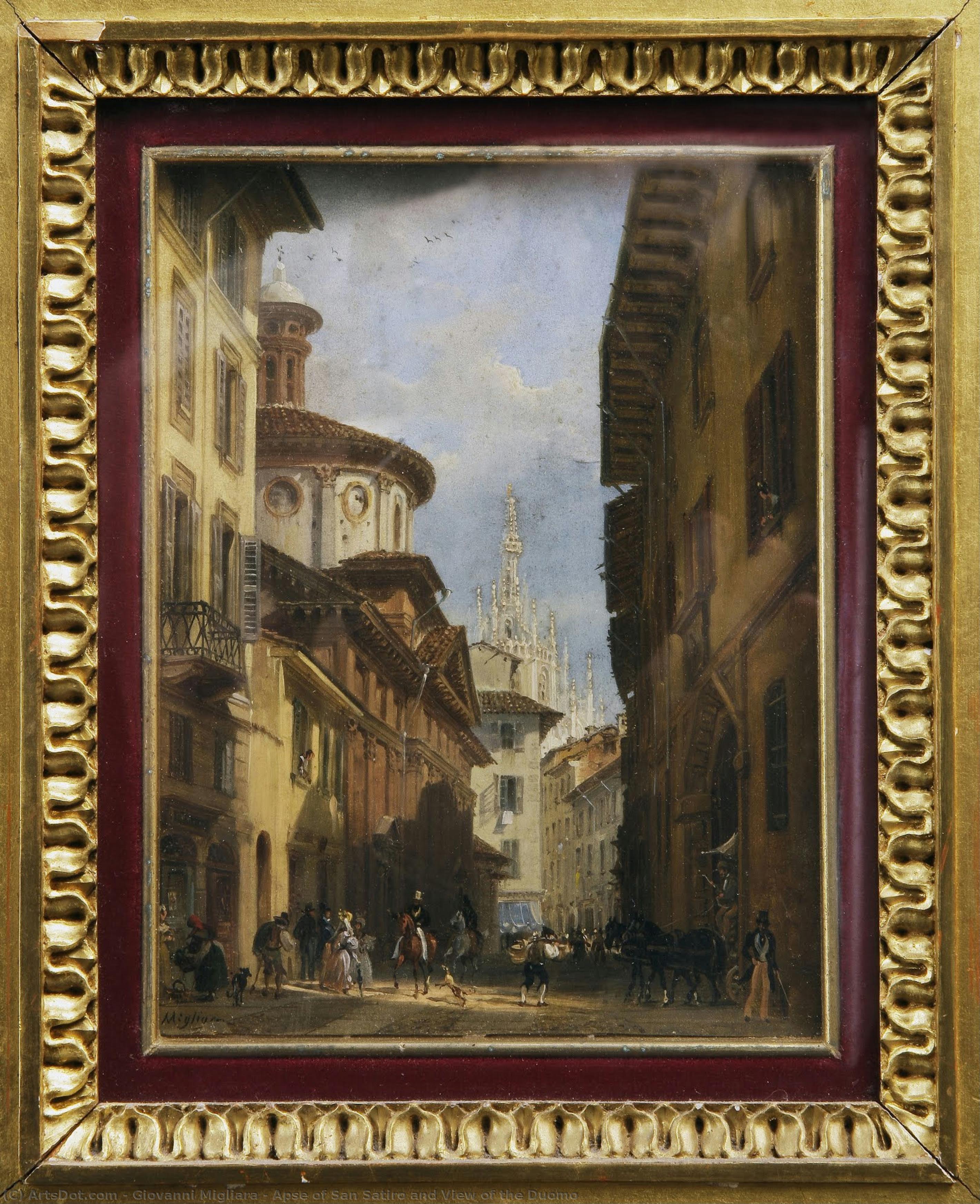
Apse of San Satiro and View of the Duomo
 Romanticism
 14.0 x 11.0 cm
 Ver más
Reproducción al óleo hecha a mano
Óleo sobre lienzo pintado a mano en el tamaño y marco de su elección, realizado por encargo por nuestros artistas. ( Comprar impresión Comprar imagen)




































Elija entre nuestros tamaños predefinidos que respetan las proporciones originales de la obra.

Puede ingresar sus propias dimensiones para adaptarse a un marco o espacio específico. Si el tamaño seleccionado no coincide con las proporciones de la imagen original, recortaremos la obra o extenderemos la pintura con elementos adicionales pintados a mano. Se le enviará una maqueta digital para su aprobación antes de comenzar la producción.
Tenga en cuenta que la vista previa en pantalla no refleja el recorte o la extensión reales. Solo la maqueta mostrará con precisión la composición final.
Si bien existen tamaños personalizados, recomendamos seleccionar una dimensión de la lista predefinida para preservar las proporciones originales.
Tras realizar el pedido, el equipo de ArtsDot.com enviará un correo electrónico al cliente para solicitar instrucciones y proporcionarle una vista previa del boceto.
Envío a todo el mundo () en 3-4 semanas en lugar de las 5 semanas estándar. (31 agosto). Sin comprometer la calidad.

Envío exprés gratuito a todo el mundo

Lienzo de lino de alta calidad

Seguro de envío total

Garantía de reembolso de impuestos aduaneros

Garantía de fidelidad cromática exacta

Política de devolución de 60 días (solo por defectos)

Garantía de devolución del 100% del dinero

Descuento por cantidad
 La opción de vidrio solo está disponible en tamaños inferiores a 110 cm.

Apse of San Satiro and View of the Duomo
Técnica de reproducción
Dimensiones de la reproducción
-


Precio total final
$ 338
Obras relacionadas
Biografía del artista
Giovanni Migliara: A Milanese Visionary
Giovanni Migliara (October 15, 1785 – April 18, 1837) was a nobleman and Italian painter born in Alexandria, Italy. Despite his humble beginnings—his parents were artisans with limited means—Migliara’s prodigious talent propelled him to prominence within the burgeoning artistic landscape of early 19th century Milanese society. His life's journey is marked by dedication to art, punctuated by illness and rewarded with recognition as a celebrated artist and educator.Early Training and Artistic Beginnings
Migliara’s formative years were shaped by an apprenticeship under Giuseppe Maria Bonzanigo, a respected sculptor who instilled in him foundational artistic principles. Further enriching his education was enrollment at the Brera Academy, where he studied alongside Giocondo Albertolli, absorbing influential stylistic trends of the time. Notably, he collaborated on the opulent decoration of La Scala opera house (1805-1809) with Alessandro Sanquirico, a pivotal experience that honed his skills in theatrical design and cemented his connection to Milanese artistic circles. However, a debilitating lung ailment tragically curtailed his active career for several years, forcing him to confront personal hardship alongside professional setbacks. This challenge underscored the importance of perseverance and resilience—qualities that would ultimately define Migliara’s artistic trajectory.Return to Painting and Watercolor Miniatures
Following his recovery, Migliara reinvigorated his artistic pursuits, specializing in watercolor miniatures and oil paintings on diverse mediums – canvas, silk, and ivory – demonstrating remarkable versatility. His return to the easel was heralded by an exhibition showcasing four panoramic cityscapes at the Brera Academy in 1812, garnering considerable acclaim from Milanese aristocracy. This event solidified his reputation as a skilled observer of urban life and established him as a leading voice within the Romantic movement. The meticulous detail evident in these landscapes—particularly “Landscape with Horses”—reflected Migliara’s unwavering commitment to capturing the essence of his surroundings with unparalleled accuracy.Notable Works: Capturing Milanese Beauty
Migliara’s artistic output is characterized by meticulous detail and an unwavering commitment to portraying the grandeur of Milanese architecture and landscapes. Among his most celebrated paintings are “Landscape with Horses,” which captures the serene beauty of the Italian countryside, imbued with Romantic idealism; “Veduta of Venice,” a breathtaking depiction of the city's iconic landmarks—St Mark’s Square and Doge’s Palace—executed with masterful perspective and atmospheric effects; "Interior View of Milan Cathedral," an intricate rendering of the cathedral’s interior space, showcasing architectural grandeur and spiritual reverence; and “View of the Cloister at Saint Anthony of Padua,” a tranquil portrayal reflecting the contemplative atmosphere of this historic basilica. These works exemplify Migliara's ability to convey emotion through precise observation and artistic technique—a hallmark of his distinctive style.Recognition and Legacy
Migliara’s unwavering dedication to his craft earned him considerable esteem within the artistic community. He was appointed Professor at the Brera Academy in 1822, furthering his influence as an educator and fostering the development of future generations of artists. Furthermore, he received the prestigious Civil Order of Savoy Award in recognition of his contributions to Italian culture—a testament to his enduring impact on the artistic landscape of Milanese society. His paintings continue to be exhibited on ArtsDot.com, allowing enthusiasts worldwide to appreciate Migliara’s artistic legacy—a beacon of talent nurtured by circumstance and rewarded with enduring renown.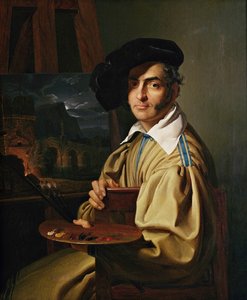
Giovanni Migliara
1785 - 1837 , Italia
Datos clave
- Artistic Movement Or Style: Romanticism
- Artists Who Influenced This Artist:
- Giuseppe Maria Bonzanigo
- Alessandro Sanquirico
- Date Of Birth: Oct 15, 1785
- Date Of Death: Apr 18, 1837
- Full Name: Giovanni Migliara
- Nationality: Italian
- Notable Artworks:
- Landscape with Horses
- Veduta of Venice
- Interior View of Milan Cathedral
- View of the Cloister at Saint Anthony
- Place Of Birth: Alexandria, Italy
Artículos relacionados
El Siglo XVIII en el Arte: 10 Obras Maestras para Decorar con Historia y Elegancia
Descubre 10 obras maestras del siglo XVIII: Goya, Fragonard y más. Explora la historia, el arte barroco, rococó y neoclasicismo que inspiran decoración elegante. Reproducciones de alta calidad en ArtsDot.com.
Mario Sironi: A Poetic of Modern Italian Identity Through Symbolism & Social Commentary
Explore the profound works of Mario Sironi, a key figure in Italian Modernism. Discover his evolution from Futurism to Metaphysical painting and his powerful social commentary. Learn about his legacy at ArtsDot.
Urban Visions: A Historical & Artistic Exploration of the Cityscape in Painting
Explore the evolution of cityscape painting from historical maps to Impressionist masterpieces. Discover artists like Caillebotte, Utrillo & Matsumoto Shunsuke. Find museum-quality reproductions at ArtsDot.
Carlo Carrà: Futurist Visions & Metaphysical Transformations in Early 20th-Century Italian Painting
Explore the artistic journey of Carlo Carrà, a pivotal figure in Italian Futurism & Metaphysical painting. Discover his dynamic compositions, collaborations with de Chirico, and lasting influence on modern art history.
Giovanni Fattori: Realism, Identity & the Tuscan Landscape – A Macchiaioli Master
Explore the life & art of Giovanni Fattori, a leading figure of the Macchiaioli movement. Discover his revolutionary realism, captivating Tuscan landscapes, and lasting impact on Italian painting. Learn more at ArtsDot.

