 Ver en contexto
 Enviar
 Compartir
 Detalles

 Descargar
 Similares
 Radiografía
 Presentación de diapositivas
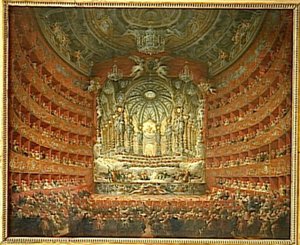
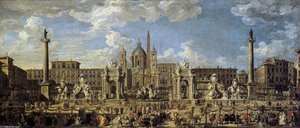
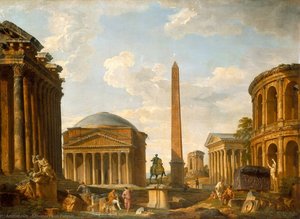
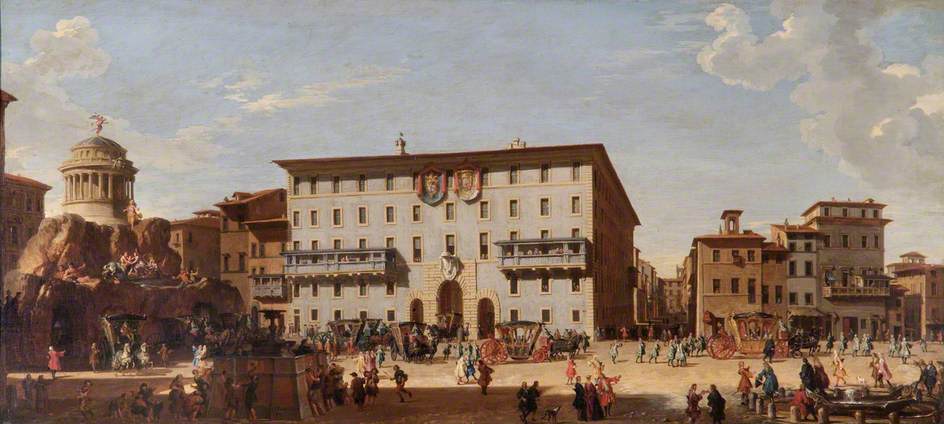
A Festival in the Piazza di Spagna, Rome, 1727
 Acrylic On Canvas
- WallArt
- Baroque
 1727
1727 46.0 x 100.0 cm
 English Heritage
 Ver más
Giclée / Impresión de arte
Impresiones giclée o en lienzo de calidad de museo con producción rápida y opciones de acabado flexibles. ( Comprar pintura hecha a mano Comprar imagen)




P118B $10

P118H $10

P118W $10

P438Z $10

P508JH $12

P508YH $12

P805H $10

P805Z $10

P919BZ $10

P919G $10

P919XJ $10

P959ZH $10

P968JZ $12

W106C $8

W218G $10

W218JH $8

W218Y $10

W307PJ $10

W316G $10

W316PJ $8

W316Y $10

W398PJ $8

W4111J $10

W500HY $15

W500JH $15

W692G $12

W849H $8

W940BG $15

W953PJ $8




Elija entre nuestros tamaños predefinidos que respetan las proporciones originales de la obra.

Puede introducir sus propias dimensiones para adaptarse a un marco o espacio específico. Si el tamaño seleccionado no coincide con las proporciones de la imagen original, recortaremos la obra de arte o extenderemos la imagen con un borde con efecto espejo o de color sólido. Se enviará una maqueta digital para su aprobación antes de que comience la producción.
Tenga en cuenta que la vista previa en pantalla no refleja el recorte o la extensión real. Solo la maqueta mostrará con precisión la composición final.
Aunque existen tamaños personalizados, recomendamos seleccionar una dimensión de la lista predefinida para preservar las proporciones originales.
Envío a todo el mundo () en 2 semanas en lugar de las 4/5 semanas estándar. (2 septiembre)

Envío exprés gratuito a todo el mundo

Lienzo de lino de alta calidad

Seguro de envío total

Garantía de reembolso de impuestos aduaneros

Garantía de fidelidad cromática exacta

Política de devolución de 60 días (solo por defectos)

Garantía de devolución del 100% del dinero

Descuento por cantidad
 La opción de vidrio solo está disponible en tamaños inferiores a 110 cm.

A Festival in the Piazza di Spagna, Rome, 1727
Giclée / Impresión de arte
Dimensiones de la reproducción
-


Precio total final
$ 62
Giovanni Paolo Panini: Capturing Roman Grandeur – A Vedute Master's Legacy
Giovanni Paolo Panini (1691–1765) stands as an undisputed titan of Venetian veduta painting, a genre dedicated to meticulously rendered depictions of urban landscapes. More than merely documenting the visual reality of Rome during his era, Panini achieved something far more profound: he crafted immersive experiences for viewers, transporting them back in time with astonishing accuracy and artistic brilliance. His canvases aren’t simply representations; they are architectural fantasies infused with a palpable sense of drama and atmosphere—a testament to his mastery of perspective and his unwavering commitment to capturing the spirit of the Baroque age.- Early Influences: Panini's formative years were shaped by Giuseppe Natali and Andrea Galluzzi, who instilled in him a foundational understanding of disegno (drawing) – the cornerstone of artistic training during the Enlightenment. However, it was Francesco Galli-Bibiena’s theatrical designs that truly ignited his imagination, fostering an appreciation for composition and illusionistic space that would permeate his entire oeuvre.
- The Venetian Stage: Initially recognized for his decorative prowess in palaces—creating opulent interiors adorned with frescoes and stucco—Panini swiftly ascended to prominence as a veduta artist. His early commissions honed his skills in capturing the grandeur of Venetian buildings and plazas, establishing him as a pioneer in this burgeoning genre.
- Technical Innovation: Panini’s technique was revolutionary for its time. He employed a complex system of mathematical calculations—developed by Luca Cambiasi—to achieve unparalleled accuracy in perspective, meticulously recreating architectural details with astonishing precision. This dedication to scientific rigor elevated his paintings beyond mere visual representation, transforming them into instruments of observation and artistic exploration.
A Detailed Examination of “A Festival in the Piazza di Spagna”
“A Festival in the Piazza di Spagna,” painted in 1727, exemplifies Panini’s signature style at its zenith. The artwork isn't merely a snapshot of Rome; it’s an orchestrated illusion—a carefully constructed panorama designed to evoke wonder and admiration for the city’s magnificence. Observe the monumental building dominating the scene, adorned with flags and banners – a deliberate gesture intended to convey celebration and grandeur. This architectural centerpiece is encircled by other structures, each rendered with painstaking detail, contributing to the overall impression of urban dynamism.- Color Palette: Panini’s masterful use of color enhances the visual impact of the composition. Warm hues—particularly reds and golds—accentuate the festive atmosphere, while cooler tones subtly delineate architectural elements and create depth within the scene.
- Light and Shadow: The artist skillfully manipulates light and shadow to heighten realism and drama. Sunlight streams through arched windows, illuminating faces and highlighting textures, creating a captivating interplay of illumination that draws the viewer’s eye into the heart of the piazza.
- Compositional Harmony: Panini achieves remarkable balance through his compositional choices. The central building serves as an anchor point, while flanking structures provide visual counterpoint, guiding the gaze across the canvas and reinforcing the sense of spatial depth.
Historical Context and Artistic Significance
Painted during the Baroque period—a time characterized by opulent ornamentation and theatrical grandeur—Panini’s “A Festival in the Piazza di Spagna” reflects the artistic sensibilities of its era. It stands alongside monumental works by Bernini and Caravaggio, demonstrating Panini's engagement with the prevailing aesthetic trends of his day. The painting captures a pivotal moment in Roman history – a public celebration commemorating an important religious event—underscoring the role of art as a vehicle for conveying cultural values and commemorating historical milestones. Beyond mere visual accuracy, Panini’s masterpiece transcends its descriptive function, offering viewers a glimpse into the social fabric of 18th-century Rome. The bustling crowd depicted in the foreground embodies the vibrancy of urban life—a testament to Panini's ability to capture not only physical reality but also the emotional resonance of human experience. This artwork remains an enduring symbol of Roman splendor and artistic innovation, continuing to inspire admiration for its technical brilliance and aesthetic beauty.Interior Design Inspiration
“A Festival in the Piazza di Spagna” serves as a powerful reminder that art can transport us beyond time and place. Its meticulous detail and dramatic composition offer invaluable inspiration for interior designers seeking to create spaces imbued with grandeur and sophistication. Consider incorporating elements of Baroque ornamentation—such as arched doorways, gilded accents, and richly textured fabrics—to evoke the spirit of Panini’s vision and elevate your home décor. Reproductions of this iconic artwork can transform any room into a haven of artistic contemplation.Obras relacionadas
Biografía del artista
Giovanni Paolo Panini: Architect of Roman Dreams
Giovanni Paolo Panini (1691–1765) stands as one of the most distinctive figures in 18th-century Italian art, a painter whose singular vision—particularly his mastery of *vedutismo*—transformed the depiction of Rome into an immersive experience of architectural fantasy. Unlike many artists of his era who sought to faithfully reproduce the city’s grandeur, Panini embraced a daring approach that blended observation with imagination, creating panoramas imbued with a palpable sense of theatrical drama and timeless beauty. His legacy continues to inspire artists today, cementing his place as a pivotal innovator in landscape painting and architectural representation.Early Training and Influences: Shaping a Vision
Panini’s artistic education began in Piacenza, where he studied under Giuseppe Natali and Andrea Galluzzi—artists who instilled in him the foundational principles of Baroque composition and disegno (drawing). Crucially, his formative years coincided with an encounter with Francesco Galli-Bibiena, whose theatrical designs profoundly impacted Panini's aesthetic sensibilities. Galli-Bibiena’s mastery of perspective and illusionistic space served as a guiding force, shaping Panini’s technique and fostering his fascination with creating convincing representations of depth and atmosphere—a characteristic that would define his distinctive style. This early exposure to stagecraft foreshadowed Panini’s later preoccupation with architectural fantasies, demonstrating the interconnectedness of artistic influences across disciplines.The Rise of Vedutismo: Reimagining Rome's Ruins
Panini ascended to fame as a decorator of palaces—a profession that allowed him to hone his skills in fresco painting and develop an unparalleled understanding of architectural design. His commissions included opulent interiors for noble residences, showcasing his meticulous attention to detail and his ability to evoke grandeur through skillful use of color and texture. However, Panini’s artistic breakthrough arrived with his embrace of *vedutismo*, a genre that would propel him to international renown. Rejecting the conventions of topographical painting—which aimed for precise accuracy—Panini sought instead to capture the spirit of Rome by reconstructing its ruins in fantastical landscapes. He skillfully combined elements from different structures into single compositions, creating scenes that celebrated Rome’s architectural heritage while simultaneously acknowledging its inevitable decay. This innovative technique—often referred to as *capriccio*—became Panini's signature style and distinguishes him from his contemporaries.A Master of Perspective: The Panini Projection
Panini’s groundbreaking contribution to artistic technique was the development of what is now known as “the Panini projection.” Unlike earlier methods that relied on mathematical calculations, Panini devised a system for representing wide-angle views with remarkable accuracy—a feat achieved through careful observation and intuitive understanding. This projection allowed artists to convincingly depict panoramic landscapes, capturing the grandeur of Rome’s vistas with unprecedented realism. It became an indispensable tool for architectural renderings and landscape painting, influencing generations of artists who followed Panini's lead. His meticulous attention to perspective exemplifies his dedication to mastering the visual arts and underscores his role as a pioneer in artistic innovation.Legacy and Influence: An Enduring Vision
Panini’s influence extended far beyond his own lifetime—he taught at the Accademia di San Luca and the Académie de France in Rome, shaping the artistic sensibilities of aspiring painters and architects alike. His style resonated with artists like Hubert Robert and Antonio Joli, inspiring them to explore similar approaches to landscape painting and architectural representation. Today, Panini’s paintings continue to captivate audiences worldwide—particularly his monumental views of Rome, which offer a glimpse into the aesthetic ideals of the Enlightenment era. Examining his masterful use of perspective, his imaginative compositions, and his evocative depictions of ruins allows us to appreciate not only his technical skill but also his profound understanding of how art can convey emotion and capture the essence of place—a legacy that secures Panini’s enduring position as one of Italy's greatest artistic visionaries.
Giovanni Paolo Panini
1691 - 1765 , Italia
Datos clave
- Artistic Movement Or Style: Vedutismo Barroco
- Artists Or Movements Influenced By This Artist:
- Hubert Robert
- Antonio Joli
- Charles-Louis Clérisseau
- Artists Who Influenced This Artist:
- Giuseppe Natali
- Andrea Galluzzi
- Francesco Galli-Bibiena
- Date Of Birth: 1691
- Date Of Death: 1765
- Full Name: Giovanni Paolo Panini
- Nationality: Italiano
- Notable Artworks:
- El templo de Diana
- Interior de San Pedro, Roma
- Interior del Пантеон
- Place Of Birth: Piacenza, Italia
Artículos relacionados
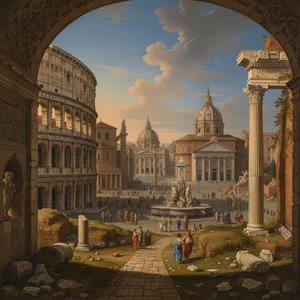
Giovanni Paolo Panini: Capturing Roman Grandeur – A Vedute Master's Legacy
Explore the captivating world of Giovanni Paolo Panini, master of Roman vedute painting. Discover his technique, iconic works, influence on art history & collecting advice from experts at ArtsDot.

Paisajes Románticos: 10 Obras Maestras que Definieron un Movimiento Artístico
Descubre los 10 paisajes románticos más influyentes de artistas como Caspar David Friedrich y Turner. Explora la belleza, el simbolismo y las técnicas del movimiento romántico. Reproducciones de arte exclusivas en ArtsDot.com.

Evocations of Place: A Historical Journey Through Landscape Art
Explore the rich history of landscape art with ArtsDot. Discover renowned artists, movements like Impressionism & Romanticism, and expert guidance for collecting timeless pieces. Find your perfect serene escape today!

John Constable: Las 25 Obras Maestras del Paisaje Inglés | ArtsDot
Descubre las 25 obras maestras de John Constable, el pintor romántico inglés que capturó la belleza del paisaje. Explora su técnica, historia y significado en ArtsDot.com. Reproducciones de arte de alta calidad para tu hogar.
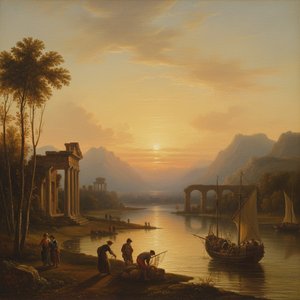
Claude Lorrain: Master of Light & Landscape in the Golden Age
Explore the luminous landscapes of Claude Lorrain, a Baroque master renowned for his masterful use of light & atmosphere. Discover his life, techniques, key works & enduring influence on art history.