

 Vista previa
 Compartir
 Compartir
 Ver detalles

 Descargar
 Ver similares
 Radiografía
 Presentación de diapositivas
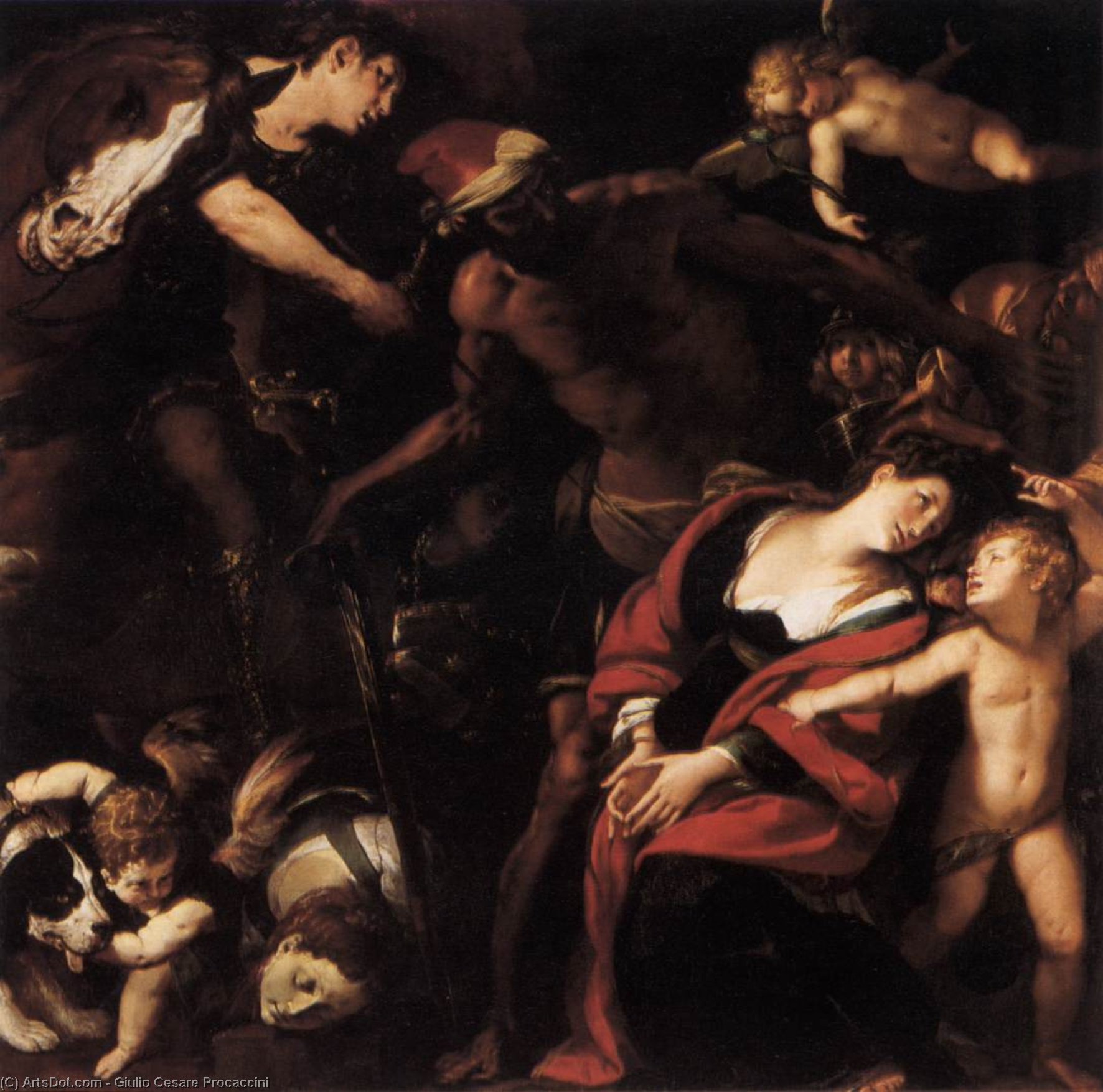
Matyrdom of St Rufina and St Seconda
 Acrylic On Canvas
- WallArt
- Baroque
 1625
1625 192.0 x 192.0 cm
 Pinacoteca de Brera
 Leer más
Reproducción al óleo hecha a mano
Óleo sobre lienzo pintado a mano en el tamaño y marco de su elección, realizado por encargo por nuestros artistas. ( Pedir impresión Comprar descarga)




P118B $10

P118H $10

P118W $10

P438Z $10

P508JH $12

P508YH $12

P805H $10

P805Z $10

P919BZ $10

P919G $10

P919XJ $10

P959ZH $10

P968JZ $12

W106C $8

W218G $10

W218JH $8

W218Y $10

W307PJ $10

W316G $10

W316PJ $8

W316Y $10

W398PJ $8

W4111J $10

W500HY $15

W500JH $15

W692G $12

W849H $8

W940BG $15

W953PJ $8




Elija entre nuestros tamaños predefinidos que respetan las proporciones originales de la obra.

Puede ingresar sus propias dimensiones para adaptarse a un marco o espacio específico. Si el tamaño seleccionado no coincide con las proporciones de la imagen original, recortaremos la obra o extenderemos la pintura con elementos adicionales pintados a mano. Se le enviará una maqueta digital para su aprobación antes de comenzar la producción.
Tenga en cuenta que la vista previa en pantalla no refleja el recorte o la extensión reales. Solo la maqueta mostrará con precisión la composición final.
Si bien existen tamaños personalizados, recomendamos seleccionar una dimensión de la lista predefinida para preservar las proporciones originales.
Tras realizar el pedido, el equipo de ArtsDot.com enviará un correo electrónico al cliente para solicitar instrucciones y proporcionarle una vista previa del boceto.
Envío a todo el mundo () en 3-4 semanas en lugar de las 5 semanas estándar. (21 agosto). Sin comprometer la calidad.

Envío exprés gratuito a todo el mundo

Lienzo de lino de alta calidad

Seguro de envío completo

Garantía de reembolso de aranceles aduaneros

Garantía de fidelidad cromática exacta

Política de devolución de 60 días (solo por defectos)

Garantía de devolución del 100% del dinero

Oferta por volumen
 La opción de vidrio solo está disponible en tamaños inferiores a 110 cm.

Matyrdom of St Rufina and St Seconda
Técnica de reproducción
Tamaño de la reproducción
-


Precio total
$ 263
Descripción de la obra
The Martyrdom’s Echo: Procaccini's Dramatic Depiction of St. Rufina and St. Seconda
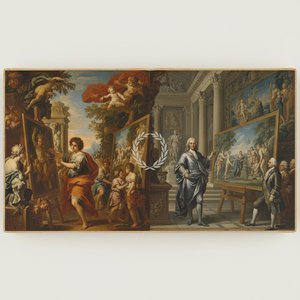
Giulio Cesare Procaccini’s “Matyrdom of St. Rufina and St. Seconda,” painted in 1625, is not merely a historical depiction; it’s a visceral plunge into the heart of faith tested by brutal suffering. This arresting canvas, measuring a substantial 192 x 192 cm, transcends simple narrative to become a profound meditation on sacrifice, hope, and divine grace. Procaccini, a pivotal figure in the burgeoning artistic landscape of early Baroque Milan, masterfully captures a moment suspended between agony and salvation, drawing upon both Mannerist elegance and the dynamic energy that would define the era. The painting’s power resides not just in its dramatic subject matter – the beheading of two Christian saints – but in Procaccini's skillful orchestration of light, shadow, and gesture, creating an intensely emotional experience for the viewer.A Baroque Drama Unfolds: Composition and Technique
Procaccini’s approach to this scene is remarkably innovative for its time. He eschews the rigid, often didactic style favored by the Counter-Reformation, instead embracing a theatricality that anticipates the full flowering of Baroque drama. The composition itself is carefully constructed, guiding the eye through a complex interplay of figures and spatial relationships. The central focus is undeniably the two saints – St. Rufina, still alive but poised on the precipice of death, and St. Seconda already fallen victim to the sword. The executioner, rendered in stark silhouette, appears almost as an afterthought, his action swift and brutal, yet subtly distanced from the primary drama. Noticeably, Procaccini employs a technique reminiscent of Parmigianino – a deliberate flattening of perspective, a prioritization of gesture over realistic detail, and a heightened sense of theatricality. The use of chiaroscuro—the dramatic contrast between light and dark—is particularly effective, intensifying the emotional impact of the scene and emphasizing the vulnerability of the saints. The painting’s palette is rich and deep, dominated by reds, browns, and blacks, reflecting the solemnity of the event while simultaneously hinting at the impending glory awaiting the martyrs.Symbolism and Spiritual Resonance
Beyond its immediate depiction of violence, “Matyrdom of St. Rufina and St. Seconda” is laden with symbolic meaning. The angel hovering above St. Rufina isn’t simply a comforting presence; he represents divine intervention and the promise of eternal reward. His outstretched hand, pointing upwards, signifies not just salvation but also an invitation to transcend earthly suffering. The dog present in the lower left corner adds another layer of symbolism – often associated with fidelity and loyalty, it serves as a poignant reminder of the saints’ unwavering devotion. The inclusion of the horse's head, a detail frequently noted by art historians, is particularly intriguing. Some interpret it as representing the Roman Empire—the source of their persecution—while others see it as a symbol of earthly power being overthrown by divine justice. The overall effect is one of profound spiritual resonance, inviting contemplation on themes of faith, sacrifice, and the enduring nature of hope in the face of adversity.A Legacy of Baroque Innovation
Giulio Cesare Procaccini’s “Matyrdom of St. Rufina and St. Seconda” stands as a crucial work in his artistic development and a testament to the evolving aesthetic sensibilities of early Baroque Milan. His collaboration with Giovanni Battista Crespi, Pier Francesco Mazzucchelli, and Cardinal Federico Borromeo within the framework of the Quadroni project—a series of monumental paintings commissioned to celebrate Charles Borromeo’s canonization—allowed him to hone his skills and experiment with new approaches to composition and color. The painting's influence can be seen in subsequent works by Procaccini, as well as in the broader artistic landscape of the period. It represents a pivotal moment in the transition from Mannerism to Baroque, demonstrating a willingness to embrace dramatic intensity and emotional expression while retaining a sophisticated sense of form and technique. Reproductions of this powerful artwork offer a glimpse into a world where faith, art, and drama converged to create an enduring legacy of spiritual significance.Obras relacionadas
Biografía del artista
El Maestro del Drama Milanes: La Vida y el Legado de Giulio Cesare Procaccini
Giulio Cesare Procaccini se erige como una figura fundamental en el floreciente paisaje artístico del Milán del Barroco temprano, marcando una transición decisiva desde el formalismo manierista hacia el dinamismo expresivo que definiría toda una era. Nacido en Bolonia en 1574, descendía de un linaje impregnado de una profunda tradición artística; su padre, Ercole Procaccini el Viejo, fue él mismo un notable pintor manierista. Esta herencia moldeó profundamente sus años formativos, infundiéndole un aprecio por las complejidades estilísticas matizadas y un rigor técnico que más tarde le permitiría fusionar con maestría la gracia con la grandeza. Alrededor de 1585, impulsada por el influyente mecenazgo de Pierro Visconti, la familia se trasladó a Milán, estableciendo una conexión crucial con uno de los coleccionistas de arte más ricos de Italia y fomentando un entorno propicio para la experimentación artística que se convertiría en el sello distintivo de Procaccini.
El viaje creativo del artista no comenzó con el pincel, sino con el cincel. Su formación inicial estuvo arraigada en labores escultóricas, centradas principalmente en los espacios sagrados del Duomo de Milán y Santa Maria presso San Celso. Esta base táctil en la escultura dejó una huella indeleble en sus pinturas posteriores, manifestándose en un sentido único de volumen, peso y presencia anatómica. Sin embargo, eventualmente transitó hacia la pintura, reconociendo su capacidad inigualable para transmitir emociones intensas y luz celestial. Durante este periodo de desarrollo, Procaccini se movió entre los círculos intelectuales más elevados de Milán, asociándose con luminarias como Giovanni Battista Crespi, conocido como Il Cerano, y Pier Francesco Mazzucchelli, o Il Morazzone. Bajo la guía espiritual y material del Cardenal Federico Borromeo, la producción creativa de Procaccini fue impulsada hacia la grandeza, permitiéndole capturar el espíritu mismo de la Contrarreforma.
Una Sinfonía de Luz y Devoción
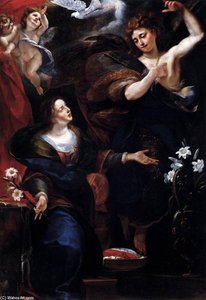
El estilo maduro de Procaccini es una síntesis asombrosa de diversas influencias europeas, destacando notablemente el vibrante colorismo de la escuela veneciana y las composiciones amplias y enérgicas de Peter Paul Rubens. Sus obras se caracterizan por un uso dramático del chiaroscuro, donde las sombras profundas danzan contra luces luminosas para crear una sensación de movimiento teatral. En obras maestras como La Anunciación, uno puede presenciar este drama barroco de primera mano, mientras los colores vibrantes y los drapeados fluidos evocan un profundo sentido de intervención divina. Su habilidad para manipular la luz le permitió insuflar vida a las narrativas religiosas, transformando iconos estáticos en momentos vivos y palpitantes de éxtasis espiritual.
Su destreza técnica es quizás más evidente en sus encargos religiosos de gran escala, que sirvieron tanto como triunfos artísticos como instrumentos de fe. Entre los ejemplos más notables se encuentran:
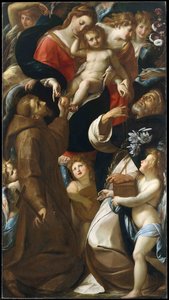
- Virgen con el Niño con San Francisco, San Domingo y Ángeles: Un óleo monumental sobre lienzo encargado para la iglesia de Madonna dei Miracoli en Corbetta, donde fusiona magistralmente la elegancia manierista con una nueva y creciente energía barroca.
- Los Seis Quadroni: Quizás su logro más celebrado, estos grandes lienzos que representan a San Carlos Borromeo fueron encargados para la Basílica della Santissima Annunziata del Vastato en Génova, demostrando su capacidad para manejar una escala épica y monumental.
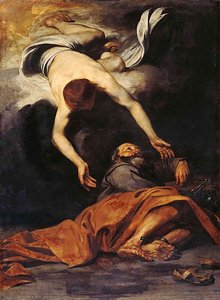
- San Sebastián atendido por Ángeles: Una obra que resalta su toque delicado y su habilidad para entrelazar temas de sufrimiento y ternura divina a través de composiciones fluidas y rítmicas.
Significancia Histórica y Triunfo Artístico
La importancia histórica de Giulio Cesare Procaccini reside en su papel como puente entre dos mundos. Tomó la elegancia sofisticada y a menudo artificial del periodo manierista y la infundió con una nueva humanidad visceral que resonó con el fervor religioso de la Italia del siglo XVII. Su obra no se limita a representar una escena; invita al espectador a una experiencia sensorial de lo divino. A través de su maestría en el color, la luz y el movimiento, ayudó a establecer a Milán como un centro principal de excelencia barroca, dejando tras de sí un legado de retablos y frescos que continúan cautivando la imaginación moderna con su profunda profundidad emocional y brillantez técnica.
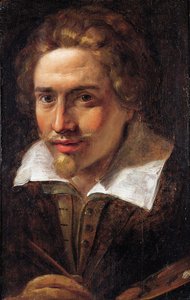
Giulio Cesare Procaccini
1574 - 1625 , Italia
Datos clave
- Artistic Movement Or Style: Barroco
- Artists Or Movements Influenced By This Artist: ['Rubens']
- Artists Who Influenced This Artist: ['Ercole Procaccini']
- Date Of Birth: 1574 Bologna, Italia
- Date Of Death: 1625 Milano, Italia
- Full Name: Giulio Cesare Procaccini
- Nationality: Italiano
- Notable Artworks:
- Circumcision
- La Oraci%C3%B3n en el huerto
- El Último Cena
- Place Of Birth: Bologna
Artículos relacionados

Drama Barroca: Llevando la Grandeza y la Emoción a los Interiores Contemporáneos
Descubre cómo el drama y la grandeza del arte barroco pueden transformar tus interiores. Guía experta, inspiración y reproducciones de alta calidad en .
Simon Vouet: A Baroque Master's Journey from Italian Influence to French Classicism
Explore the life & art of Simon Vouet, a pivotal French Baroque painter who introduced Italian styles to France. Discover his masterpieces and lasting influence on 17th-century art.

Barroco Sublime: 10 Obras Maestras que Definieron una Época |
Descubre las 10 obras maestras del Barroco que marcaron una época. Caravaggio, Bernini y Velázquez cobran vida en . Reproducciones de arte de calidad museo para decorar tu hogar con elegancia. ¡Explora la colección online!

The Visceral Stage: Exploring Dramatic Narratives & Emotional Intensity in Baroque Art
Explore the dramatic world of Baroque art! Discover iconic masters like Caravaggio & Rembrandt, their techniques, and the movement's lasting impact. Expert insights for collectors & enthusiasts at ArtsDot.

The Dramatic Flourish: Exploring the Baroque Movement's Enduring Legacy in Art History
Explore the dramatic world of Baroque art! Discover iconic artists like Caravaggio & Rubens, defining techniques, and its lasting impact on art history. Expert insights for collectors & enthusiasts at ArtsDot.

