 Ver en contexto
 Enviar
 Compartir
 Detalles

 Descargar
 Similares
 Radiografía
 Presentación de diapositivas
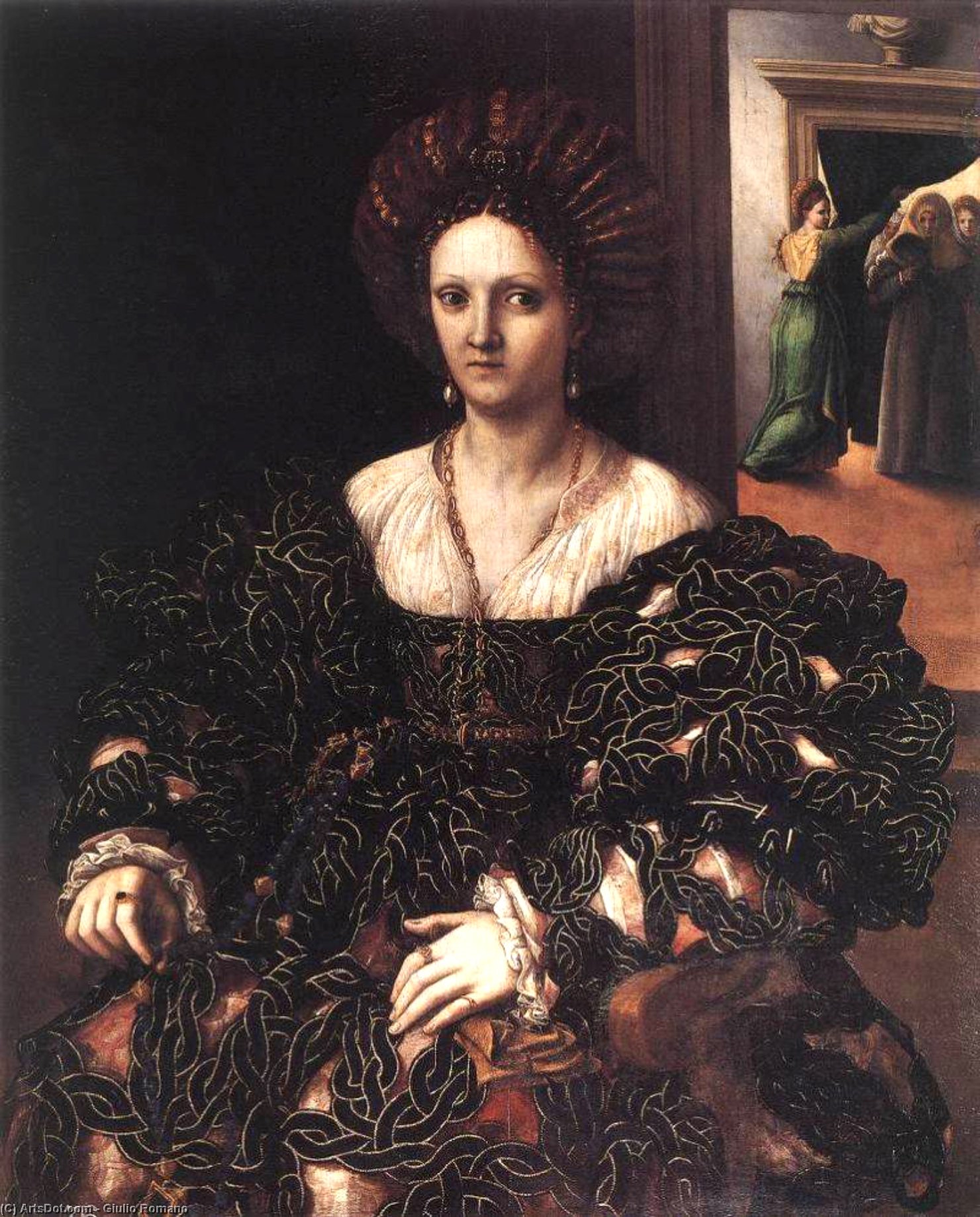
Portrait of a Woman
 Oil On Panel
- Mannerist Painting
 1531
1531 115.0 x 90.0 cm
 Colección Real
 Ver más
Reproducción al óleo hecha a mano
Óleo sobre lienzo pintado a mano en el tamaño y marco de su elección, realizado por encargo por nuestros artistas. ( Comprar impresión Comprar imagen)




P118B $10

P118H $10

P118W $10

P438Z $10

P508JH $12

P508YH $12

P805H $10

P805Z $10

P919BZ $10

P919G $10

P919XJ $10

P959ZH $10

P968JZ $12

W106C $8

W218G $10

W218JH $8

W218Y $10

W307PJ $10

W316G $10

W316PJ $8

W316Y $10

W398PJ $8

W4111J $10

W500HY $15

W500JH $15

W692G $12

W849H $8

W940BG $15

W953PJ $8




Elija entre nuestros tamaños predefinidos que respetan las proporciones originales de la obra.

Puede ingresar sus propias dimensiones para adaptarse a un marco o espacio específico. Si el tamaño seleccionado no coincide con las proporciones de la imagen original, recortaremos la obra o extenderemos la pintura con elementos adicionales pintados a mano. Se le enviará una maqueta digital para su aprobación antes de comenzar la producción.
Tenga en cuenta que la vista previa en pantalla no refleja el recorte o la extensión reales. Solo la maqueta mostrará con precisión la composición final.
Si bien existen tamaños personalizados, recomendamos seleccionar una dimensión de la lista predefinida para preservar las proporciones originales.
Tras realizar el pedido, el equipo de ArtsDot.com enviará un correo electrónico al cliente para solicitar instrucciones y proporcionarle una vista previa del boceto.
Envío a todo el mundo () en 3-4 semanas en lugar de las 5 semanas estándar. (22 agosto). Sin comprometer la calidad.

Envío exprés gratuito a todo el mundo

Lienzo de lino de alta calidad

Seguro de envío total

Garantía de reembolso de impuestos aduaneros

Garantía de fidelidad cromática exacta

Política de devolución de 60 días (solo por defectos)

Garantía de devolución del 100% del dinero

Descuento por cantidad
 La opción de vidrio solo está disponible en tamaños inferiores a 110 cm.

Portrait of a Woman
Técnica de reproducción
Dimensiones de la reproducción
-


Precio total final
$ 263
Descripción de la obra
A Portrait of Quiet Strength: Giulio Romano’s “Portrait of a Woman”
Giulio Romano's "Portrait of a Woman," painted in 1531, is not merely a depiction of an individual; it’s a carefully constructed meditation on beauty, power, and the enigmatic nature of female identity within the turbulent world of Renaissance Italy. This oil-on-panel masterpiece, currently residing as part of the Royal Collection at Windsor Castle, offers a glimpse into the sophisticated Mannerist style that defined Romano's artistic legacy – a style characterized by its deliberate distortions, heightened emotions, and intricate layering of symbolism.
The painting immediately draws the eye to the subject’s face: a woman of striking presence, her gaze direct and unwavering. Her features are rendered with an almost unsettling precision—a subtle exaggeration of bone structure, a hint of melancholy in her eyes, and a carefully sculpted mouth that suggests both intelligence and restraint. This isn't a portrait intended for simple admiration; Romano employs techniques borrowed from earlier masters like Leonardo da Vinci, particularly in the use of sfumato – a delicate blurring of lines and edges – to create an atmosphere of mystery and depth. The dark background, devoid of extraneous detail, serves to amplify the subject’s luminosity and draw attention solely to her captivating presence.
The Shadow of Raphael and the Rise of Mannerism
To fully appreciate “Portrait of a Woman,” it's crucial to understand its historical context. Romano began his artistic journey as an apprentice to the towering figure of Raphael, absorbing the High Renaissance ideals of harmony, balance, and classical beauty. However, after Raphael’s untimely death in 1520, Romano embarked on a path of stylistic divergence, embracing the principles of Mannerism – a movement that deliberately rejected the strict rules of its predecessor. Mannerist art prioritized emotional intensity, complex compositions, and an exploration of artificiality and elegance over naturalistic representation.
This shift is evident in Romano’s approach to portraiture. Unlike the idealized depictions favored by Raphael, Romano's subjects are often presented with a sense of psychological complexity. The woman in this portrait isn’t simply beautiful; she embodies a quiet strength and an underlying vulnerability – qualities that resonate deeply within the viewer. The subtle tension between her composure and the intensity of her gaze speaks to the challenges faced by women during the Renaissance, navigating societal expectations while striving for agency and self-expression.
Technique and Symbolism: A Layered Composition
Romano’s technical mastery is immediately apparent in the meticulous detail with which he renders the subject's clothing. The black dress, adorned with a delicate lace collar, is not merely decorative; it symbolizes status and refinement – hallmarks of Renaissance aristocratic life. The subtle folds and textures of the fabric are rendered with remarkable precision, demonstrating Romano’s skill as a draftsman and his deep understanding of human anatomy.
Beyond the purely visual elements, the portrait is laden with symbolic meaning. The dark background, reminiscent of a stage curtain, suggests a theatrical quality – hinting at the constructed nature of identity and the performative aspects of social interaction. The woman’s direct gaze challenges the viewer to engage with her on an emotional level, inviting contemplation about her inner life and motivations. Some art historians speculate that she may be Isabella d'Este, a prominent figure in Renaissance Italy known for her patronage of the arts and her political influence – though this remains unconfirmed.
A Timeless Portrait of Introspection
"Portrait of a Woman" is more than just a beautiful painting; it’s a profound meditation on the complexities of human experience. Through his masterful use of technique, symbolism, and emotional intensity, Giulio Romano created a portrait that continues to captivate viewers centuries after its creation. It stands as a testament to the enduring power of art to illuminate the mysteries of the human soul – a timeless reminder of beauty, strength, and the quiet dignity of introspection.
Obras relacionadas
Biografía del artista
Vida Temprana y Formación
- Nacido: Roma, Italia (c. 1499)
- Fallecido: 1 de noviembre de 1546
- Los detalles de su vida temprana son escasos, pero comenzó su carrera artística en Roma.
- Fue alumno de Rafael, convirtiéndose en un pintor y arquitecto habilidoso.
- Tras la muerte de Rafael en 1520, Giulio Romano se hizo cargo de muchos proyectos inconclusos, incluida la decoración de Villa Madama para el cardenal Giuliano de’ Medici.
Desarrollo del Estilo Manierista
- Giulio Romano es conocido principalmente por sus contribuciones al estilo manierista.
- Su estilo se apartó del clasicismo del Alto Renacimiento.
- Las pinturas y los frescos a menudo presentan asimetría, tensión e inestabilidad en lugar de equilibrio y armonía.
- Influenciado por Miguel Ángel y otros artistas de su tiempo.
- Cada vez se volvió indispensable para Rafael, modificando planes y creando la primera declaración del manierismo a gran escala en Roma.
Obras Principales y Logros
- El Incendio del Borgo: Un fresco pintado para las Stanze Vaticane de Rafael.
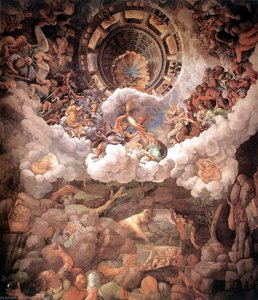
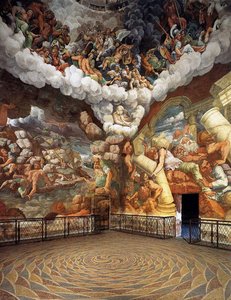
- Techo abovedado (Detalle): Un fresco en el Palazzo Te.
- Palazzo del Tè (Mantua): Diseñado y decorado con frescos ilusionistas, mostrando sus habilidades arquitectónicas y artísticas. Esta es considerada su obra más importante.
- Villa Madama: Decoró esta villa renacentista para el cardenal Giuliano de' Medici.
- Se convirtió en pintor y arquitecto de la corte de Federigo Gonzaga en 1524, dirigiendo prácticamente toda la actividad artística en Mantua.
Influencias y Significado Histórico
- Rafael: La formación temprana de Giulio Romano bajo Rafael moldeó significativamente su base artística.
- Miguel Ángel: La influencia del trabajo de Miguel Ángel contribuyó al desarrollo de su estilo manierista.
- Se le considera una figura clave en la transición del Alto Renacimiento al manierismo.
- Sus dibujos fueron muy valorados, y las impresiones contemporáneas grabadas por Marcantonio Raimondi ayudaron a difundir los estilos artísticos italianos por toda Europa.
- El legado de Giulio Romano se puede ver en artistas posteriores que adoptaron su estilo y técnicas.
Vida Posterior y Legado
- Después de la muerte de Rafael, Giulio heredó la dirección del taller del maestro y completó muchos de sus proyectos.
- Era tan famoso después de su muerte que es el único artista "moderno" mencionado por Shakespeare en una obra de teatro.
- Su trabajo demuestra un cambio alejándose de los ideales renacentistas hacia formas más dinámicas y expresivas.
- Las contribuciones de Giulio Romano al manierismo consolidaron su lugar como una figura influyente en la historia del arte.
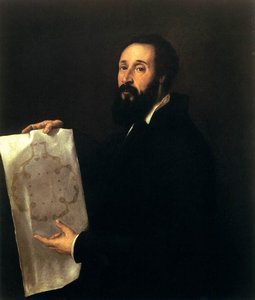
Giulio Romano
1499 - 1546 , Italia
Datos clave
- Artistas Influenciados: ['Artistas manieristas posteriores']
- Artistas Que Influyeron:
- Rafael
- Miguel Ángel
- Fecha De Fallecimiento: 1546
- Fecha De Nacimiento: c. 1499
- Lugar De Nacimiento: Roma, Italia
- Movimiento Artístico: Manierismo
- Nacionalidad: Italiana
- Nombre Completo: Giulio Romano
- Obras Notables:
- El incendio del Borgo
- Techo abovedado (detalle)
- Palazzo del Tè
Artículos relacionados
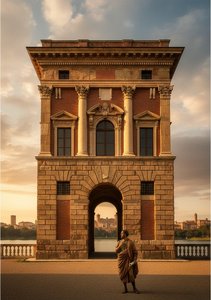
Giulio Romano: A Master of Mannerism & the Palazzo Te Legacy
Explore the revolutionary art of Giulio Romano, master of Mannerism & architect of Palazzo Te. Discover his influence, investment potential, and stunning frescoes – a guide for discerning collectors.
The Enduring Legacy of Formal Portraiture: Power, Identity & Artistic Exploration
Explore the rich history of formal portraiture & its enduring power to capture identity and shape perception. Discover investment-worthy artworks, expert appraisals, and custom reproduction services at ArtsDot.
The Grandeur of Presence: Exploring Representations of Stately Bearing in Western Portraiture
Explore the art of stately bearing in Western portraiture with expert analysis of Renaissance & Baroque masterpieces. Discover symbolism, techniques, and the legacy of iconic portraits – a guide for discerning collectors.
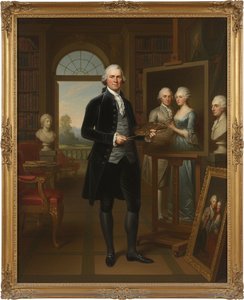
Sir Nathaniel Dance-Holland: Portraiture, Patronage & Georgian Identity
Explore the life & art of Sir Nathaniel Dance-Holland, a leading Georgian portraitist. Discover his masterful technique, influential patrons, and lasting impact on 18th-century British society. A guide for discerning collectors.
The Enduring Gaze: Portraiture's Historical & Psychological Evolution
Explore the rich history of portraiture with expert analysis from ArtsDot. Discover iconic Renaissance masterpieces, symbolism & techniques that shaped identity. Find museum-quality art for your collection.