

 Ver en contexto
 Enviar
 Compartir
 Detalles

 Descargar
 Similares
 Radiografía
 Presentación de diapositivas
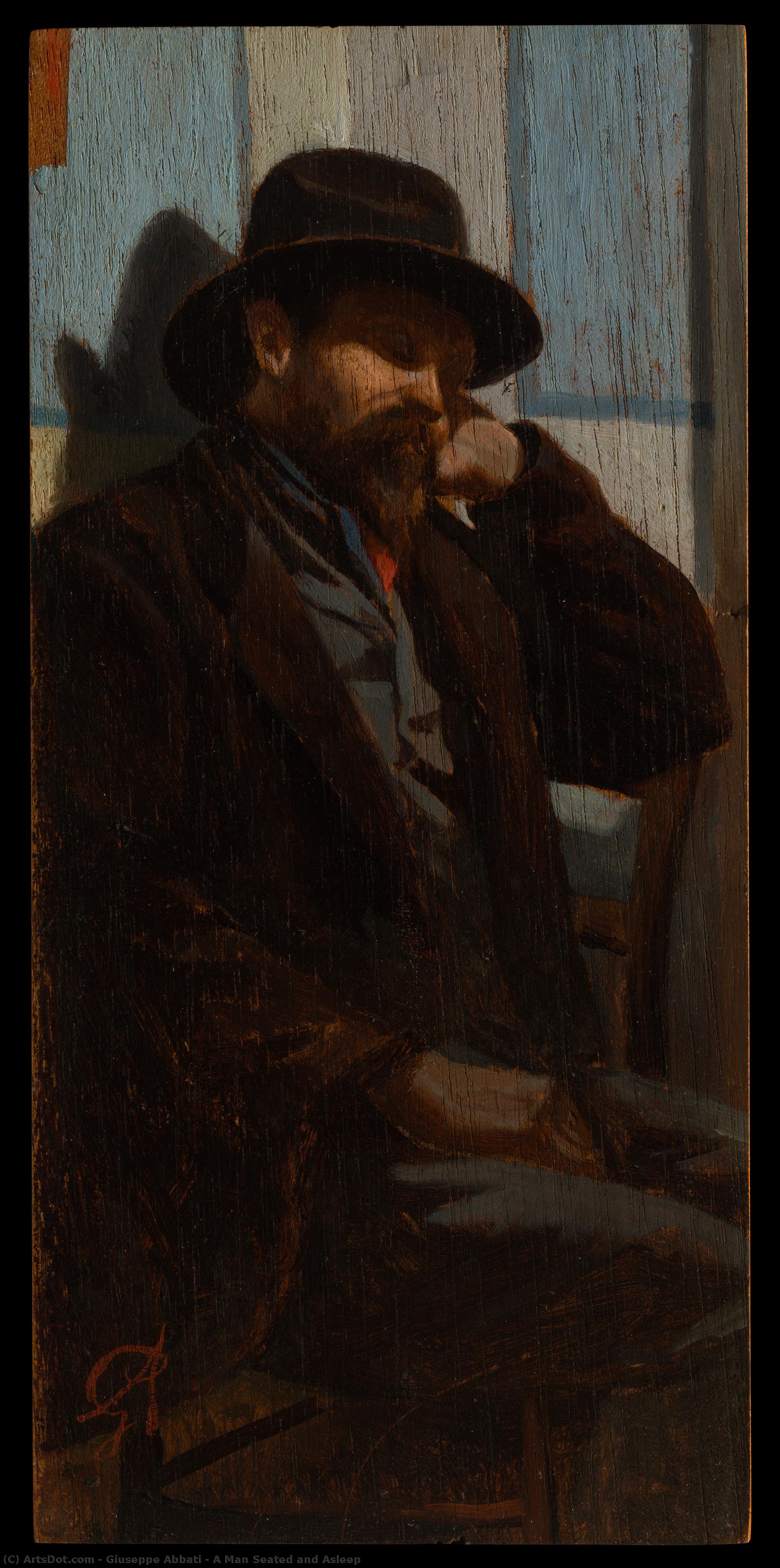
A Man Seated and Asleep
 Acrylic On Canvas
- WallArt
- Contemporary Realism
 1865
1865 26.0 x 12.0 cm
 Museo Metropolitano de Arte
 Ver más
Reproducción al óleo hecha a mano
Óleo sobre lienzo pintado a mano en el tamaño y marco de su elección, realizado por encargo por nuestros artistas. ( Comprar impresión Comprar imagen)




P118B $10

P118H $10

P118W $10

P438Z $10

P508JH $12

P508YH $12

P805H $10

P805Z $10

P919BZ $10

P919G $10

P919XJ $10

P959ZH $10

P968JZ $12

W106C $8

W218G $10

W218JH $8

W218Y $10

W307PJ $10

W316G $10

W316PJ $8

W316Y $10

W398PJ $8

W4111J $10

W500HY $15

W500JH $15

W692G $12

W849H $8

W940BG $15

W953PJ $8




Elija entre nuestros tamaños predefinidos que respetan las proporciones originales de la obra.

Puede ingresar sus propias dimensiones para adaptarse a un marco o espacio específico. Si el tamaño seleccionado no coincide con las proporciones de la imagen original, recortaremos la obra o extenderemos la pintura con elementos adicionales pintados a mano. Se le enviará una maqueta digital para su aprobación antes de comenzar la producción.
Tenga en cuenta que la vista previa en pantalla no refleja el recorte o la extensión reales. Solo la maqueta mostrará con precisión la composición final.
Si bien existen tamaños personalizados, recomendamos seleccionar una dimensión de la lista predefinida para preservar las proporciones originales.
Tras realizar el pedido, el equipo de ArtsDot.com enviará un correo electrónico al cliente para solicitar instrucciones y proporcionarle una vista previa del boceto.
Envío a todo el mundo () en 3-4 semanas en lugar de las 5 semanas estándar. (23 agosto). Sin comprometer la calidad.

Envío exprés gratuito a todo el mundo

Lienzo de lino de alta calidad

Seguro de envío total

Garantía de reembolso de impuestos aduaneros

Garantía de fidelidad cromática exacta

Política de devolución de 60 días (solo por defectos)

Garantía de devolución del 100% del dinero

Descuento por cantidad
 La opción de vidrio solo está disponible en tamaños inferiores a 110 cm.

A Man Seated and Asleep
Técnica de reproducción
Dimensiones de la reproducción
-


Precio total final
$ 263
Descripción de la obra
Giuseppe Abbati’s “A Man Seated and Asleep”: A Tuscan Echo of Romantic Realism
The painting "A Man Seated and Asleep," executed by Giuseppe Abbati in 1865, stands as a testament to the burgeoning Macchiaioli movement and its profound influence on Italian art during the Risorgimento. More than just a depiction of repose, it embodies a deliberate aesthetic choice—the “macchia”—that sought to capture fleeting moments of experience with uncompromising honesty. Abbati’s work resonates deeply within the broader context of French Impressionism, reflecting similar aspirations for capturing sensory impressions and conveying emotional nuance.The Macchiaioli Aesthetic: Spotlighting Emotion Through Texture
Born in Naples in 1836, Abbati honed his artistic skills under the tutelage of his father, Vincenzo Abbati, who specialized in architectural interiors—a stylistic lineage that subtly informs Abbati’s own approach. However, it was Florence and the Caffè Michelangiolo where Abbati truly found his artistic companions: Giovanni Fattori, Silvestro Lega, and others who championed the Macchiaioli style. This movement rejected academic conventions, prioritizing direct observation of nature and employing bold brushstrokes—often “spots”—to convey emotion rather than precise representation. As Abbati himself described it, "Macchia" signifies a deliberate stain or blot of color, juxtaposed against pools of shadow, mirroring the Tuscan vernacular term “aiolo,” referencing humble forms of labor. The textured surface of the painting is crucial to its expressive power; it invites viewers to contemplate not just what they see but how it feels.Technical Innovation and Impressionistic Resonance
Abbati’s technique aligns closely with the innovations occurring in French art during the 1850s and 60s—the period of Italian unification known as the Risorgimento. Like Monet and Renoir, Abbati sought to capture the ephemeral quality of light and atmosphere, prioritizing color and texture over meticulous detail. The muted blues of the wall serve as a grounding element against which the vibrant hues of the man’s attire and the sunlit passages emerge—a masterful orchestration of tonal contrasts that enhances the painting's emotional impact. Abbati skillfully utilizes glazing techniques to build up layers of pigment, achieving luminous effects reminiscent of Impressionistic masterpieces.Symbolism Within Simplicity: Restlessness Beneath Tranquility
Despite its apparent stillness, “A Man Seated and Asleep” is imbued with subtle symbolism. The man’s posture—seated on a chair, head resting on his hand—suggests contemplation or perhaps even weariness. The hat perched atop his head adds to the sense of everyday life, grounding the scene in tangible reality. Furthermore, the presence of two figures in the background—one standing and one seated—introduces an element of narrative complexity, hinting at a broader social context. Abbati’s deliberate choice of subject matter—a man lost in thought—reflects the anxieties and aspirations of his time, mirroring the Romantic preoccupation with inner experience and psychological depth.Emotional Impact: A Moment Frozen in Time
Ultimately, “A Man Seated and Asleep” succeeds in conveying a profound emotional resonance. The painting captures not merely an image but a feeling—a quiet melancholy tempered by acceptance. Abbati’s masterful use of color and texture invites viewers to immerse themselves in the scene, prompting reflection on themes of solitude, contemplation, and the passage of time. It remains a powerful example of Macchiaioli realism—a celebration of sensory experience and an unwavering commitment to portraying the human condition with sensitivity and insight.Obras relacionadas

Biografía del artista
Giuseppe Abbati: Vida y Legado
Primeros Años y Formación
Giuseppe Abbati nació en Nápoles, Italia, el 13 de enero de 1836. Recibió su formación artística inicial de su padre, Vincenzo Abbati, quien se especializaba en pinturas de interiores arquitectónicos. Esta influencia temprana es evidente en sus primeras obras, que también se centraban en escenas interiores.
Servicio Militar y los Macchiaioli
La vida de Abbati tomó un giro dramático cuando participó en la campaña de Garibaldi de 1860 por la unificación italiana. Durante la Batalla de Capua, perdió su ojo derecho. Después de esta experiencia, se mudó a Florencia, un momento crucial que dio forma a su trayectoria artística. En Florencia, en el famoso Caffè Michelangiolo, conoció a figuras clave que llegaron a ser conocidas como los Macchiaioli – Giovanni Fattori, Silvestro Lega y otros.
Desarrollo Artístico y Estilo
Inicialmente reconocido por sus vistas interiores —para las cuales incluso recibió una medalla en la Exposición Nacional de Florencia en 1861 (que rechazó como protesta contra el jurado)—Abbati pronto adoptó la pintura en plein air, influenciado por su nuevo círculo de artistas. Su estilo se caracterizó por un tratamiento audaz de la luz y la sombra, centrándose en capturar efectos luminosos en paisajes. A menudo representaba escenas vistas a través de puertas o ventanas, creando una sensación de profundidad y atmósfera.
Características Clave del Trabajo de Abbati
- Efectos de Luz Audaces: Una característica definitoria de sus pinturas.
- Pintura en plein air: Adoptando la práctica de pintar al aire libre para capturar la luz natural.
- Formatos Horizontales: Muchas de sus pinturas de paisajes, como “Vista de Castiglioncello”, son alargadas horizontalmente, una preferencia común entre los Macchiaioli.
- Contrastes Dramáticos: Juxtaponiendo escenas exteriores luminosas con interiores oscuros.
Vida Tardía y Muerte Prematura
Las aspiraciones artísticas de Abbati fueron interrumpidas nuevamente en 1866 cuando se alistó en el ejército para la Tercera Guerra de Independencia. Fue capturado por las fuerzas austríacas en Croacia antes de regresar a la vida civil al final del año. Pasó su último año pintando en el campo cerca de Castelnuovo della Misericordia. Tragicamente, Abbati murió el 21 de febrero de 1868, en Florencia, después de ser mordido por su propio perro y contraer rabia.
Influencias e Importancia Histórica
Abbati fue influenciado significativamente por los ideales del movimiento Macchiaioli, que buscaba romper con las tradiciones académicas y adoptar una representación más realista de la vida italiana. Contribuyó a la expresión artística del Risorgimento a través de sus representaciones de paisajes y escenas cotidianas. Si bien su carrera fue truncada, el trabajo de Abbati sigue siendo importante por su uso innovador de la luz, su conexión con la estética Macchiaioli y su reflejo de un período crucial en la historia italiana.
Obras Notables
- “Vista desde la bodega de Diego Martelli” (1866)
- “Paisaje en Castiglioncello” (1867)
- “Claustro” (1861)
- “Galería con portador de armadura” (1864)
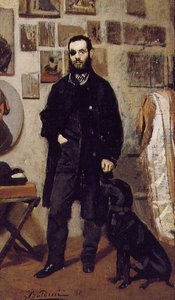
Giuseppe Abbati
1836 - 1868 , Italia
Datos clave
- Artistic Movement Or Style: Macchiaioli
- Artists Who Influenced This Artist:
- François-Marius Granet
- Louis-Nicolas Lemasle
- Date Of Birth: 1836-01-13
- Date Of Death: 1868-02-21
- Full Name: Giuseppe Abbati
- Nationality: Italian
- Notable Artworks:
- Vista de Castiglioncello
- Interno di un monumento
- Marina de Castiglioncello
- Place Of Birth: Nápoles, Italia
Artículos relacionados
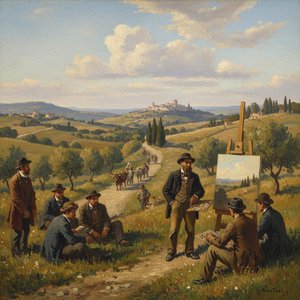
Giovanni Fattori: Realism, Identity & the Tuscan Landscape – A Macchiaioli Master
Explore the life & art of Giovanni Fattori, a leading figure of the Macchiaioli movement. Discover his revolutionary realism, captivating Tuscan landscapes, and lasting impact on Italian painting. Learn more at ArtsDot.
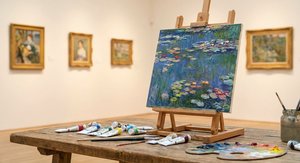
Impresionismo: 10 Obras Maestras que Capturan la Luz y el Momento
Descubre 10 obras maestras del impresionismo de Monet, Renoir y Degas. Explora la luz, el color y las historias detrás de estos icónicos cuadros. Reproducciones de arte en ArtsDot.com para decorar tu hogar con estilo.
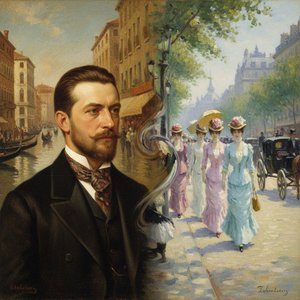
Federico Zandomeneghi: Bridging Venetian Tradition & Parisian Impressionism
Discover Federico Zandomeneghi (1841-1917), a captivating Italian Impressionist bridging Venetian tradition and Parisian modernity. Explore his intimate scenes, unique style & legacy with ArtsDot.
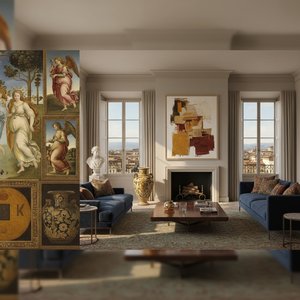
Los 25 Tesoros del Uffizi: Arte Renacentista para tu Hogar | ArtsDot
Descubre los 25 tesoros del Uffizi en Florencia: Botticelli, Leonardo da Vinci y más. Explora la historia, el arte renacentista y encuentra reproducciones de alta calidad para tu hogar. ¡Inspírate con ArtsDot.com!
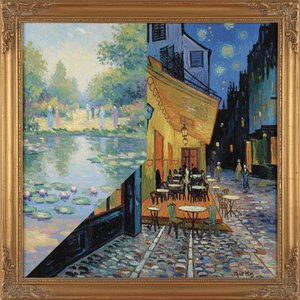
Impresionismo y Postimpresionismo: Una Exploración de la Evolución Artística y sus Distinciones Clave
Explora la evolución del Impresionismo al Postimpresionismo. Descubre sus características, artistas clave y las diferencias esenciales en este análisis experto.

