 Ver en contexto
 Enviar
 Compartir
 Detalles

 Descargar
 Similares
 Radiografía
 Presentación de diapositivas
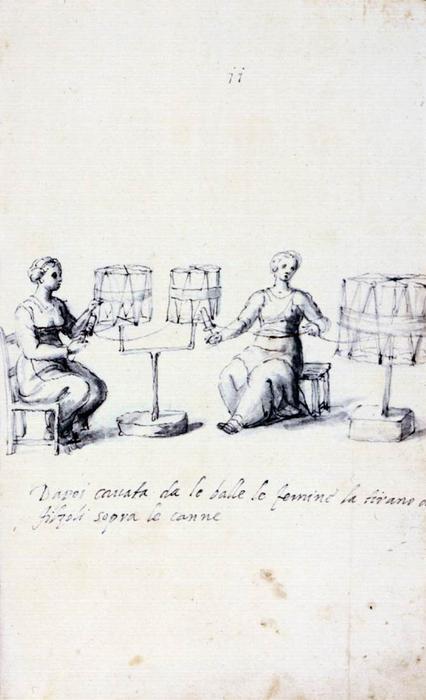
Treatise on Silk Culture and Manufacture (Series of Thirteen Drawings, No. 11)
 Acrylic On Canvas
- WallArt
- Renaissance
 1586
1586 308.0 x 190.0 cm
 Museo de Bellas Artes
 Ver más
Giclée / Impresión de arte
Impresiones giclée o en lienzo de calidad de museo con producción rápida y opciones de acabado flexibles. ( Comprar pintura hecha a mano Comprar imagen)




P118B $10

P118H $10

P118W $10

P438Z $10

P508JH $12

P508YH $12

P805H $10

P805Z $10

P919BZ $10

P919G $10

P919XJ $10

P959ZH $10

P968JZ $12

W106C $8

W218G $10

W218JH $8

W218Y $10

W307PJ $10

W316G $10

W316PJ $8

W316Y $10

W398PJ $8

W4111J $10

W500HY $15

W500JH $15

W692G $12

W849H $8

W940BG $15

W953PJ $8




Elija entre nuestros tamaños predefinidos que respetan las proporciones originales de la obra.

Puede introducir sus propias dimensiones para adaptarse a un marco o espacio específico. Si el tamaño seleccionado no coincide con las proporciones de la imagen original, recortaremos la obra de arte o extenderemos la imagen con un borde con efecto espejo o de color sólido. Se enviará una maqueta digital para su aprobación antes de que comience la producción.
Tenga en cuenta que la vista previa en pantalla no refleja el recorte o la extensión real. Solo la maqueta mostrará con precisión la composición final.
Aunque existen tamaños personalizados, recomendamos seleccionar una dimensión de la lista predefinida para preservar las proporciones originales.
Envío a todo el mundo () en 2 semanas en lugar de las 4/5 semanas estándar. (2 septiembre)

Envío exprés gratuito a todo el mundo

Lienzo de lino de alta calidad

Seguro de envío total

Garantía de reembolso de impuestos aduaneros

Garantía de fidelidad cromática exacta

Política de devolución de 60 días (solo por defectos)

Garantía de devolución del 100% del dinero

Descuento por cantidad
 La opción de vidrio solo está disponible en tamaños inferiores a 110 cm.

Treatise on Silk Culture and Manufacture (Series of Thirteen Drawings, No. 11)
Giclée / Impresión de arte
Dimensiones de la reproducción
-


Precio total final
$ 62
Giuseppe Arcimboldo’s Visionary Portrait of Knowledge
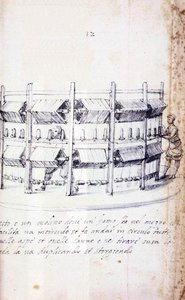
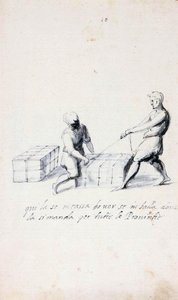
The artwork "Treatise on Silk Culture and Manufacture (Series of Thirteen Drawings, No. 11)" by Giuseppe Arcimboldo stands as an extraordinary testament to Renaissance ingenuity and artistic ambition. Created in 1586, this monochrome engraving transcends mere representation; it embodies a profound philosophical statement about the pursuit of wisdom and the interconnectedness of disciplines—a concept central to the intellectual climate of its time. Examining Arcimboldo’s masterpiece reveals not only his mastery of technique but also the rich tapestry of symbolism woven into every meticulously placed element.- Subject Matter: The drawing depicts a portrait, albeit unlike any conventional depiction of nobility or royalty. Instead of capturing a likeness in paint, Arcimboldo constructs his subject’s visage from an astonishing array of botanical specimens—fruits, vegetables, and flowers—arranged with geometric precision to form the face. Alongside these organic components are books, symbolizing erudition and scholarly pursuits, and musical instruments representing harmony and artistic expression.
- Style: Arcimboldo's style is distinctly innovative for its era. Rejecting idealized beauty favored by Mannerism, he embraces a flattened perspective reminiscent of scientific illustrations—a deliberate choice that prioritizes accuracy over aesthetic embellishment. This stylistic decision underscores the artist’s commitment to conveying information with clarity and precision.
- Technique: The engraving itself is executed with remarkable skill using hatching and cross-hatching techniques. These methods skillfully build tone and texture, mimicking the appearance of natural materials—particularly the fruits and vegetables—creating a palpable sense of physicality. The artist’s meticulous attention to detail ensures that every element contributes to the overall impression of depth and realism.
- Historical Context: Arcimboldo's work emerged during a period marked by significant scientific advancements, fueled by the rediscovery of classical texts and observations. The Renaissance fascination with anatomy, botany, and optics profoundly influenced artistic practice, encouraging artists to explore new ways of representing the natural world. This drawing reflects the humanist spirit of the age—a belief in human reason and potential for understanding.
- Symbolism & Emotional Impact: Beyond its technical brilliance, “Treatise on Silk Culture and Manufacture” resonates with powerful symbolic meaning. The arrangement of objects represents a deliberate effort to encapsulate the multifaceted nature of knowledge—the harmonious blend of observation, experimentation, and contemplation. Arcimboldo’s audacious vision inspires awe and invites viewers to consider the transformative power of art as a vehicle for conveying complex ideas. It speaks to an enduring desire to synthesize disparate fields into a unified whole, capturing not just what is seen but also what is understood.
Obras relacionadas
Biografía del artista
Primeros años y carrera
Giuseppe Arcimboldo, un renombrado pintor italiano, nació en 1527 en Milán, Italia. Su padre, Biagio Arcimboldo, también era artista, lo que probablemente influyó en el temprano interés de Giuseppe por el arte. A la edad de 21 años, Arcimboldo comenzó su carrera como diseñador para vidrieras y frescos en catedrales locales.Pintor de la corte para los Habsburgo
En 1562, Arcimboldo se convirtió en retratista de la corte de Fernando I en la corte habsburga de Viena, Austria. Posteriormente sirvió como pintor de Maximiliano II y su hijo Rodolfo II en la corte de Praga. Este período de su vida está marcado por su trabajo como decorador de la corte y diseñador de vestuario.La obra maestra manierista: retratos de objetos
El trabajo convencional de Arcimboldo sobre temas religiosos tradicionales ha sido en gran medida olvidado, pero sus retratos hechos con objetos como frutas, verduras, flores, criaturas marinas y raíces de árboles continúan fascinando a los entusiastas del arte. Estas obras, caracterizadas por su uso de objetos cotidianos para crear formas anatómicas humanas, no eran meramente decorativas sino que también transmitían un significado más profundo.- "El Bibliotecario", un retrato hecho con objetos que significan la cultura del libro de la época, no era solo una creación caprichosa, sino también una crítica a los individuos ricos que coleccionaban libros sin leerlos.
- Estas obras no eran aleatorias; cada objeto se elegía cuidadosamente para relacionarse con la caracterización del sujeto.
Estilo artístico y legado
El estilo artístico de Arcimboldo, aunque a menudo debatido como caprichoso o producto de una mente perturbada, es visto en gran medida por los académicos como un catering al gusto renacentista por acertijos, rompecabezas y lo bizarro. Su uso de objetos para crear formas humanas era un aspecto único de su trabajo, que lo diferenciaba de otros artistas manieristas. Obras notables:- "Bodegón floral" (1590), una pintura que encarna el movimiento artístico del manierismo italiano, es un ejemplo icónico del estilo único de Arcimboldo.
- "Los cuatro estaciones", un retrato compuesto de Rodolfo II, muestra la maestría de Arcimboldo en el arte manierista.
Museos y colecciones
Las obras de Arcimboldo se pueden encontrar en varios museos, incluido el Kunsthistorisches Museum en Viena y el Schloss Ambras Habsburgo en Innsbruck.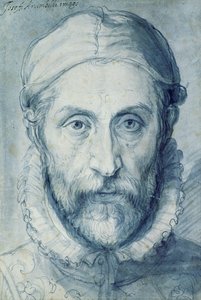
Giuseppe Arcimboldo
1527 - 1593 , Italia
Datos clave
- Estilo Artístico: Manierismo
- Fecha De Nacimiento: 1527
- Lugar De Nacimiento: Milán, Italia
- Nacionalidad: Italiana
- Nombre Completo: Giuseppe Arcimboldo
- Obras Notables:
- El Bibliotecario
- El Fuego
- Vertumnus (Vertumno)
- Primavera
- Vida Floral Silvestre
- Otoño
- Aire
Artículos relacionados
Los 10 Grabados Legendarios que Transformaron la Historia del Arte | ArtsDot
Descubre los 10 grabados legendarios de Dürer, Rembrandt y Goya que revolucionaron el arte. Explora la historia, técnicas y belleza atemporal de estas obras maestras. Reproducciones de alta calidad en ArtsDot.com para decorar tu hogar con arte clásico.
Engraving: A Historical Survey of Technique, Artistic Expression & Enduring Legacy
Explore the rich history of engraving with ArtsDot. Discover techniques, iconic artists like Dürer & Callot, collecting tips, and expert guidance for preserving your art investment. Learn about intaglio printing & more!
El Intricado Mundo del Grabado: Técnica, Expresión y Legado Histórico
Descubre la fascinante historia del grabado calcográfico: técnicas ancestrales, maestros como Goya y su impacto en el arte y la ciencia. Guía experta para coleccionistas y amantes del arte.
Albrecht Dürer: Las 25 Obras Maestras del Renacimiento Alemán | ArtsDot
Descubre las 25 obras maestras de Albrecht Dürer, el genio del Renacimiento alemán. Explora grabados icónicos como 'Melancolía I' y aprende sobre su técnica innovadora. Encuentra reproducciones de arte de alta calidad para decorar tu hogar en ArtsDot.com.

The Nuances of Graphite: Exploring Emotional Depth & Technical Mastery in Pencil Drawing
Explore the captivating world of graphite drawing! Discover its rich history, master essential techniques like chiaroscuro, and learn how artists evoke emotion through this timeless medium. Expert insights for art enthusiasts.