

 Ver en contexto
 Enviar
 Compartir
 Detalles

 Descargar
 Similares
 Radiografía
 Presentación de diapositivas
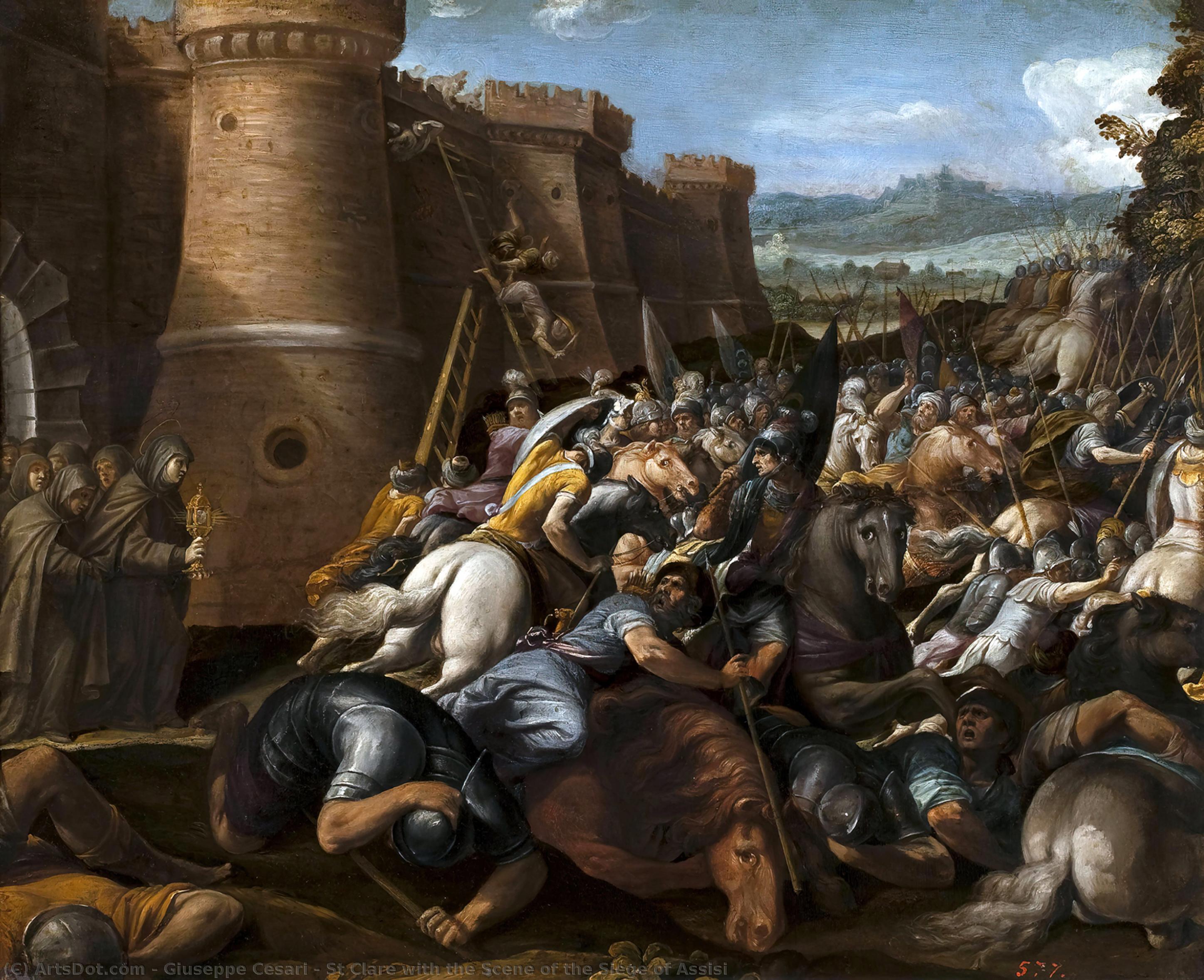
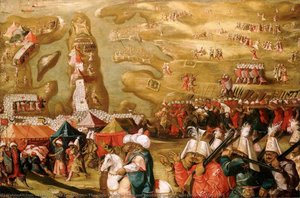
St Clare with the Scene of the Siege of Assisi
 Oil On Panel
- WallArt
- Baroque Mannerism
 Early Modern
 37.0 x 45.0 cm
 Museo del Hermitage
 Ver más
Giclée / Impresión de arte
Impresiones giclée o en lienzo de calidad de museo con producción rápida y opciones de acabado flexibles. ( Comprar pintura hecha a mano Comprar imagen)




P118B $10

P118H $10

P118W $10

P438Z $10

P508JH $12

P508YH $12

P805H $10

P805Z $10

P919BZ $10

P919G $10

P919XJ $10

P959ZH $10

P968JZ $12

W106C $8

W218G $10

W218JH $8

W218Y $10

W307PJ $10

W316G $10

W316PJ $8

W316Y $10

W398PJ $8

W4111J $10

W500HY $15

W500JH $15

W692G $12

W849H $8

W940BG $15

W953PJ $8




Elija entre nuestros tamaños predefinidos que respetan las proporciones originales de la obra.

Puede introducir sus propias dimensiones para adaptarse a un marco o espacio específico. Si el tamaño seleccionado no coincide con las proporciones de la imagen original, recortaremos la obra de arte o extenderemos la imagen con un borde con efecto espejo o de color sólido. Se enviará una maqueta digital para su aprobación antes de que comience la producción.
Tenga en cuenta que la vista previa en pantalla no refleja el recorte o la extensión real. Solo la maqueta mostrará con precisión la composición final.
Aunque existen tamaños personalizados, recomendamos seleccionar una dimensión de la lista predefinida para preservar las proporciones originales.
Envío a todo el mundo () en 2 semanas en lugar de las 4/5 semanas estándar. (28 agosto)

Envío exprés gratuito a todo el mundo

Lienzo de lino de alta calidad

Seguro de envío total

Garantía de reembolso de impuestos aduaneros

Garantía de fidelidad cromática exacta

Política de devolución de 60 días (solo por defectos)

Garantía de devolución del 100% del dinero

Descuento por cantidad
 La opción de vidrio solo está disponible en tamaños inferiores a 110 cm.

St Clare with the Scene of the Siege of Assisi
Giclée / Impresión de arte
Dimensiones de la reproducción
-


Precio total final
$ 62
A Masterpiece of Mannerist Drama
In the sweeping, tumultuous canvas of Giuseppe Cesari’s St. Clare with the Scene of the Siege of Assisi, viewers are transported to a pivotal moment where spiritual devotion meets the raw chaos of warfare. Painted around 1630, this monumental work serves as a breathtaking bridge between the refined elegance of Mannerism and the burgeoning intensity of the Baroque era. The painting does not merely depict a historical event; it captures the very essence of tension, presenting the legendary defense of Assisi by Saint Francis and his followers against papal forces. As one gazes upon the panel, the sheer scale of the conflict unfolds, pulling the observer into a world where the boundaries between earthly struggle and divine intervention are perilously thin.
The composition is a masterclass in dramatic arrangement. Cesari skillfully directs the eye through a dense, energetic cluster of figures that pulse with the movement of battle. In the foreground, the grim reality of conflict is laid bare; fallen soldiers lie in contorted, tragic postures beneath the imposing walls of a formidable citadel. This architectural giant stands as a cold symbol of papal authority, its heavy presence looming over the carnage below. Through this strategic placement, Cesari underscores the profound gravity of the siege, making the viewer feel the weight of every loss and the overwhelming pressure of the encroaching forces.
Technique and the Palette of Conflict
The technical execution of this piece is nothing short of extraordinary, characterized by a deliberate layering of textures that breathes life into the inanimate. Cesari employs a sophisticated range of brushwork, where rough, vigorous strokes convey the gritty physicality of combat and the dust of the battlefield, while smoother, more delicate passages delineate the fine folds of clothing and the rigid lines of architectural elements. This tactile quality creates an immersive experience, allowing the viewer to almost sense the heat of the fray and the cold stone of the fortress.
Color plays a vital role in the emotional storytelling of the work. The artist utilizes a somber, muted palette dominated by earthy tones—deep browns, ochres, and heavy greys—which establish an atmosphere of solemnity and historical weight. However, this gravity is punctuated by strategic bursts of vibrant red found on banners and garments. These crimson accents act as visual anchors, drawing the eye to key figures amidst the melee and heightening the sense of urgency and passion. The contrast between the muted landscape and these sudden flashes of color ensures that the painting remains visually arresting even in its most chaotic moments.
A Vision for the Discerning Collector
Beyond the immediate violence of the siege, Cesari offers a glimpse into a broader, more contemplative world. In the distance, rolling hills and far-off peaks emerge from the smoke of battle, providing a serene backdrop that contrasts sharply with the foreground's intensity. This juxtaposition serves as a powerful metaphor for the eternal struggle between faith and worldly power, reminding us that even amidst the most turbulent human conflicts, a larger, more tranquil divine order persists.
For art lovers, collectors, and interior designers, a high-quality reproduction of this work offers much more than mere decoration. It is an invitation to possess a piece of history—a window into the soul of the Italian Mannerist tradition. The painting’s profound emotional impact and complex narrative make it a commanding centerpiece for any sophisticated space, whether it be a private gallery, a scholarly study, or a grand living area. To display this work is to celebrate the enduring power of storytelling through art, bringing a sense of historical depth, intellectual intrigue, and dramatic grandeur to any curated environment.
Obras relacionadas
Biografía del artista
Giuseppe Cesari: Un Maestro de la Grandeza Manierista
Giuseppe Cesari, nacido en Arpino alrededor de 1568 y fallecido trágicamente en Roma en 1640, sigue siendo una figura fascinante aunque algo enigmática dentro del rico tapiz de la historia del arte italiano. Si bien no siempre fue celebrado con el ferviente reconocimiento otorgado a sus contemporáneos —particularmente a aquellos asociados con el Alto Renacancimiento o el Barroco—, la carrera de Cesari abarcó un período extraordinario, siendo testigo y participante activo de cambios fundamentales en el estilo artístico y el mecenazgo. Su historia es una trama tejida con ambición, destreza técnica y una lucha persistente por establecer un legado duradero en medio del brillo de la escena artística romana. Se erigió como una figura clave durante el periodo Manierista, actuando como un puente estilístico entre los ideales clásicos del Renacimiento y las innovaciones dramáticas que definirían la era Barroca. Los primeros años de Cesari permanecen envueltos en cierto misterio, aunque se acepta generalmente que nació en Arpino, una pequeña ciudad enclavada entre Roma y Nápoles. Su padre, también llamado Giuseppe, era pintor, lo que proporcionó al joven Cesari una base inicial en las técnicas artísticas. Sin embargo, fue su traslado a Roma lo que verdaderamente moldeó la trayectoria de su carrera. La ciudad, corazón del mecenazgo papal y imán para artistas de toda Italia y más allá, ofrecía oportunidades inigualables y, al mismo tiempo, una competencia feroz. Inicialmente, se formó bajo la tutela de Benedetto Cesani, un pintor conocido por sus frescos en el Vaticano, antes de verse vinculado finalmente con el renombrado arquitecto Carlo Maderno. Esta conexión resultó crucial, abriéndole las puertas a encargos significativos y presentándolo ante figuras influyentes del mundo del arte romano.El Ascenso de un Pintor de Corte
La carrera de Cesari ascendió verdaderamente durante el reinado del Papa Clemente VIII (1्लादेश92-1605). Rápidamente se consolidó como un pintor muy solicitado, asegurando prestigiosos encargos que cimentaron su reputación y le reportaron una riqueza considerable. Su logro más celebrado reside, sin duda, en su participación en la decoración de la Basílica de San Pedro. Entre 1603 y 1612, se le confió el diseño de los magníficos mosaicos que adornan la cúpula, una empresa monumental que puso de manifiesto su destreza técnica y ambición artística. Estos mosaicos, que representan escenas de la vida de Cristo y de la Virgen María, se consideran entre los mejores ejemplos del arte del mosaico manierista. Más allá de San Pedro, Cesari recibió numerosos encargos adicionales, incluyendo frescos para palacios, iglesias y residencias privadas por toda Roma. Fue un artista prolífico, produciendo una vasta obra que refleja su diversa gama de habilidades y preferencias estilísticas.Estilo y Técnica
El estilo artístico de Cesari se describe a menudo como manierista, caracterizado por su elegancia, refinamiento e intrincado detalle. Sus composiciones son típicamente equilibradas y simétricas, reflejando la influencia de artistas como Giulio Romano y Pontormo. Empleaba una rica paleta de colores, utilizando con frecuencia el pan de oro para crear una sensación de opulencia y grandeza. Si bien demostró una habilidad considerable en la pintura al fresco —particularmente evidente en su trabajo en San Pedro—, fue igualmente experto en la producción de cuadros de gabinete (pinturas de pequeña escala destinadas a la exhibición privada). Estas obras representaban con frecuencia temas religiosos o mitológicos, ejecutados con una atención meticulosa al detalle y una clara influencia flamenca. Su estilo suele describirse como pulido y algo artificioso, carente de la cruda intensidad emocional de los artistas barrocos posteriores como Caravaggio.Influencias y Legado
El desarrollo artístico de Cesari fue, sin duda, moldeado por su exposición a los diversos estilos que predominaban en Roma durante su época. Absorbió influencias de los maestros del Alto Renacimiento —Rafael y Miguel Ángel— al tiempo que se involucró con las tendencias más excéntricas del Manierismo. Su asociación con Carlo Maderno, un arquitecto líder del periodo, amplió aún más sus horizontes artísticos, exponiéndolo a conceptos arquitectónicos innovadores y principios de diseño. A pesar de su considerable éxito, el legado de Cesari permanece algo ambiguo. Aunque disfrutó de una gran popularidad durante su vida, su obra es vista a menudo como técnicamente competente pero carente de originalidad o de una profunda profundidad emocional. Sin embargo, sus contribuciones a la decoración de la Basílica de San Pedro aseguran que su nombre estará para siempre asociado con uno de los monumentos más icónicos de la cristiandad.¿Un Maestro Olvidado?
La historia de Giuseppe Cesari sirve como un recordatorio conmovedor de los desafíos que enfrentaban los artistas al navegar por el complejo y competitivo mundo del mecenazgo renacentista. Su carrera, marcada tanto por el triunfo como por la oscuridad, ofrece valiosas perspectivas sobre la dinámica de la producción y la recepción artística durante un período crucial en la historia del arte europeo. A pesar de haber sido eclipsado por contemporáneos más célebres, la obra de Cesari continúa siendo estudiada y apreciada por su habilidad técnica, su estilo elegante y su significativa contribución al paisaje visual de Roma. Una investigación más profunda y una reevaluación crítica podrían revelar aún una comprensión más íntima de este maestro de la grandeza manierista, a menudo pasado por alto.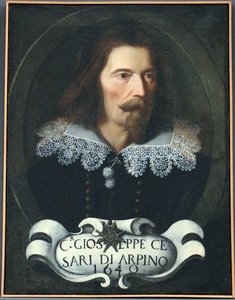
Giuseppe Cesari
1568 - 1640 , Italia
Datos clave
- Artistic Movement Or Style: Manierista
- Artists Or Movements Influenced By This Artist: ['Manierismo flamenco']
- Artists Who Influenced This Artist: ['Caravaggio']
- Date Of Birth: 1568
- Date Of Death: 1640
- Full Name: Giuseppe Cesari
- Nationality: Italiano
- Notable Artworks: ['Mosaicos de San Pedro']
- Place Of Birth: Arpino, Italia
Artículos relacionados
Sacred Narratives Embodied: A Comprehensive Exploration of Religious Iconography in Art History
Explore the rich history of religious iconography in art! Discover symbolism, movements & masterpieces from Byzantine to Renaissance periods. Expert insights for collectors and enthusiasts at ArtsDot.
Sacred Narratives on Canvas: Exploring Religious Painting Through History
Explore the rich history of religious painting with ArtsDot.com! Discover iconic artworks, symbolism & techniques from antiquity to the Renaissance. Enhance your art appreciation today.
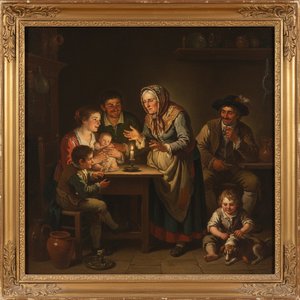
Giuseppe Maria Crespi: Pioneering Genre Painting & the Bolognese Baroque
Explore the life & art of Giuseppe Maria Crespi, a pivotal Bolognese Baroque painter. Discover his groundbreaking genre scenes, religious works, and lasting influence on Italian art history. Learn more at ArtsDot.
Sacred Narratives on Canvas: Exploring Religious Scenes & Their Enduring Influence
Explore the rich history of religious art from Giotto to the Renaissance masters with ArtsDot. Discover symbolism, techniques & enduring legacies. Museum-quality reproductions available.

Sacred Visions: Exploring Faith & Devotion in Religious Art Across Cultures
Explore the rich history of religious art across cultures! Discover symbolism, Renaissance masterpieces & the power of color in devotional works. Expert insights for collectors and enthusiasts.

