

 Ver en contexto
 Enviar
 Compartir
 Detalles

 Descargar
 Similares
 Radiografía
 Presentación de diapositivas
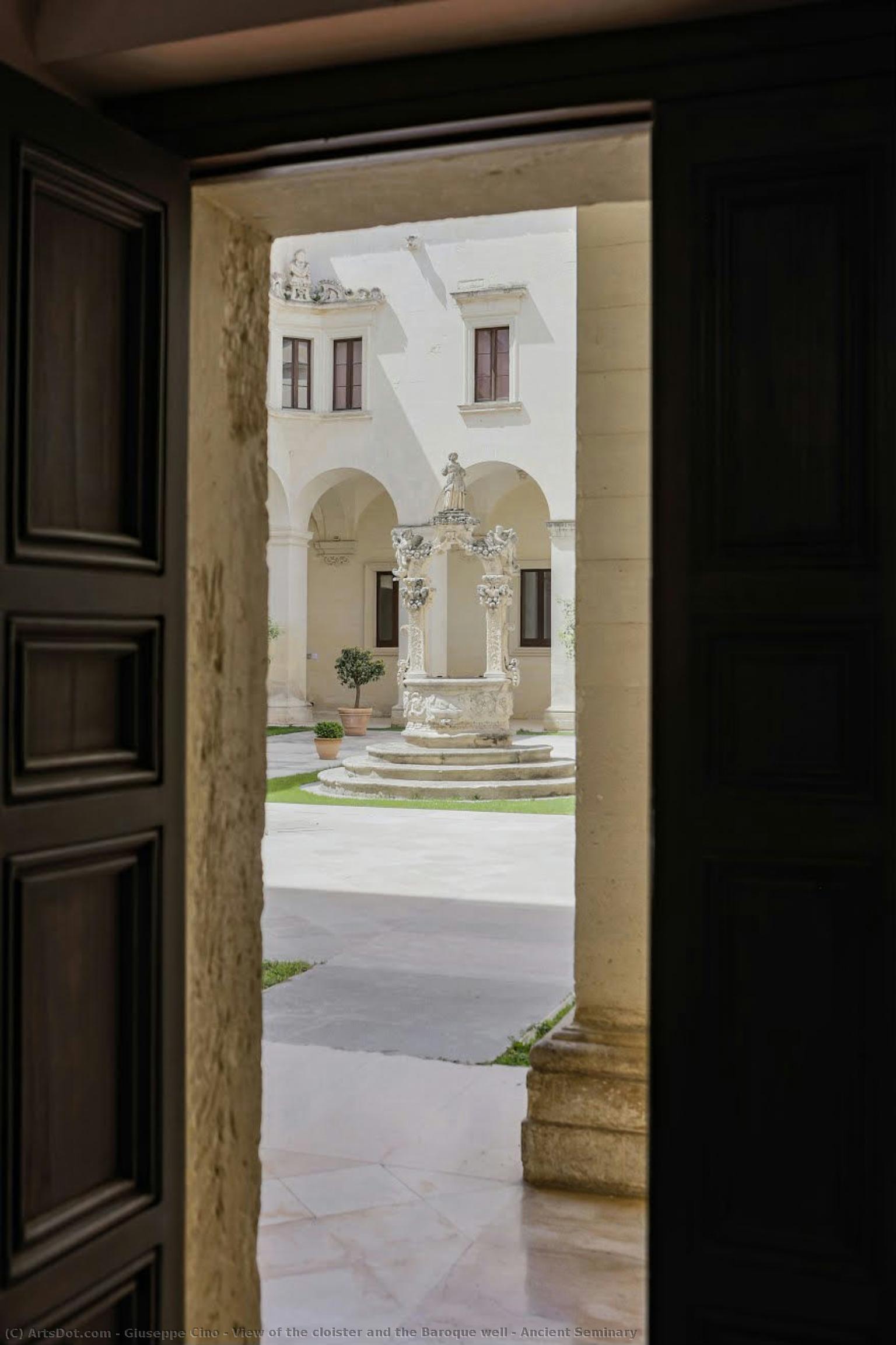
View of the cloister and the Baroque well - Ancient Seminary


 Ver más
Adquiera una imagen digital de alta resolución y optimizada, muy superior a la vista previa en línea.
Cada archivo es preparado meticulosamente por nuestros especialistas internos mediante el uso de herramientas avanzadas y un experto retoque manual. Nos aseguramos de que cada imagen posea una claridad excepcional, una precisión cromática impecable y un detalle minucioso.
El archivo final se entrega por correo electrónico en un plazo de 72 horas, optimizado para su uso inmediato en entornos profesionales, editoriales y de impresión. Esta es la misma calidad en la que confían los estudios de diseño, las editoriales y las galerías de primer nivel.
Imagen Digital
Descarga un archivo de alta resolución para exhibición personal, impresión y proyectos creativos. ( Comprar impresión Comprar pintura hecha a mano)
Incluido en cada pedido de imágenes digitales
Entrega digital experta, garantizada.
Al elegir ArtsDot.com, no solo está adquiriendo una imagen; está recibiendo una obra de arte digital mejorada profesionalmente, elaborada con precisión y respaldada por una garantía de satisfacción. Esto es todo lo que incluye su pedido, automáticamente:

Entrega rápida por email
Recibirá su archivo de imagen digital en alta resolución por correo electrónico en un plazo de 72 horas tras realizar su pedido, listo para su uso inmediato.

Archivo digital optimizado por IA
Su obra de arte se optimiza profesionalmente mediante herramientas avanzadas de IA y edición manual, garantizando el máximo detalle, claridad y precisión cromática.

Reenvío gratuito de por vida
¿Has borrado o perdido tu archivo por error? No te preocupes: te lo volveremos a enviar en cualquier momento, sin coste adicional.

Sin gastos de importación, siempre
Disfrute de su obra de arte al instante sin aduanas, aranceles ni gastos de envío; las descargas digitales siempre están libres de impuestos.

Garantía de fidelidad de color
Garantizamos que su imagen digital refleje los colores originales con la mayor fidelidad posible, mediante el uso de herramientas profesionales y gestión del color.

Garantía de satisfacción de 60 días
Si no está satisfecho con su imagen digital, la revisaremos o le reembolsaremos el 100% en un plazo de 60 días, sin preguntas.

100% Garantía de devolución de dinero
¿No está satisfecho? Obtenga un reembolso completo dentro de los 60 días posteriores a la recepción de su archivo digital, sin necesidad de explicaciones.

Descuentos por pedidos grandes
Compra 3 imágenes, ahorra 10% - Compra 5, ahorra 15% - Compra 10+, ahorra 20%. Ideal para proyectos creativos, galerías y agencias.
Obras relacionadas

Biografía del artista
The Architect of Lecce's Baroque Splendor
In the sun-drenched landscape of Puglia, where the golden stone of Lecce seems to capture and hold the very essence of light, the name Giuseppe Cino resonates as a master of the Baroque era. Born in 1645 into a noble family, Cino was not merely a builder of structures but a weaver of stone, an artist who helped transform his birthplace into what many have poetically called the Florence of the Baroque. His life and career were deeply intertwined with the architectural evolution of Lecce, a city that became a canvas for his profound understanding of space, ornament, and dramatic movement.
Cino’s artistic journey was shaped by the shadows and light of the masters who preceded him. He underwent rigorous training under the guidance of Giuseppe Zimbalo, one of the most formidable figures of the period. From Zimbalo, Cino inherited a command over the intricate, almost organic ornamentation that defines the Lecce Baroque style—a technique where rigid geometric foundations are softened by an explosion of floral motifs, cherubs, and swirling drapery. This duality became the hallmark of his development; he possessed the rare ability to balance structural permanence with a sense of theatrical, ephemeral beauty.
A Legacy Carved in Stone and Memory
The breadth of Cino’s contribution extends far beyond the blueprints of cathedrals. While he is celebrated as an architect, his soul was equally present in the delicate medium of sculpture. His hands breathed life into religious icons, creating works such as the exquisite wooden statues found in the Museum of Sacred Art (MuDAS), where figures like Christ and Mary Magdalene emerge from the grain with a haunting, lifelike intensity. In pieces like the Statue of Saint Irene, one can witness his mastery over detail, capturing the profound emotional gravity required by the Counter-Reformation's aesthetic demands.
His architectural portfolio serves as a roadmap of Lecce’s historical grandeur. Cino was instrumental in the design and execution of several landmarks that continue to define the city's skyline:
- Palazzo dei Celestini: A monumental achievement where he succeeded Zimbalo, bringing a refined sense of nobility to the structure.
- Church of Santa Chiara: A testament to his ability to command sacred space through light and proportion.
- The Seminary of Lecce: Commissioned by Bishop Antonio Pignatelli, this project showcased his capacity for large-scale, complex urban planning.
- Church of Santa Ana: Demonstrating his influence reached beyond the city walls into Mesagne, spreading the Lecce Baroque style across the Salento peninsula.
The Chronicler of an Era
What truly distinguishes Giuseppe Cino from his contemporaries was his role as a guardian of history. Beyond the chisel and the compass, he was a man of letters. He authored the Memorie, a meticulous chronicle documenting the vital events that unfolded in Lecce between 1656 and 1719. This literary endeavor provides a rare, intimate window into the social and political pulse of his time, ensuring that his legacy is not only found in the physical stones of Puglia but also in the written memory of its people.
When Cino passed away in 1722, he left behind a city forever altered by his vision. His work remains a bridge between the rigid discipline of classical architecture and the exuberant, emotional freedom of the Baroque. To walk through the streets of Lecce today is to walk through the mind of Giuseppe Cino, experiencing a world where every carved leaf and every shadowed alcove tells a story of devotion, grandeur, and an enduring passion for beauty.
giuseppe cino
1645 - 1722

