

 Ver en contexto
 Enviar
 Compartir
 Detalles

 Descargar
 Similares
 Radiografía
 Presentación de diapositivas
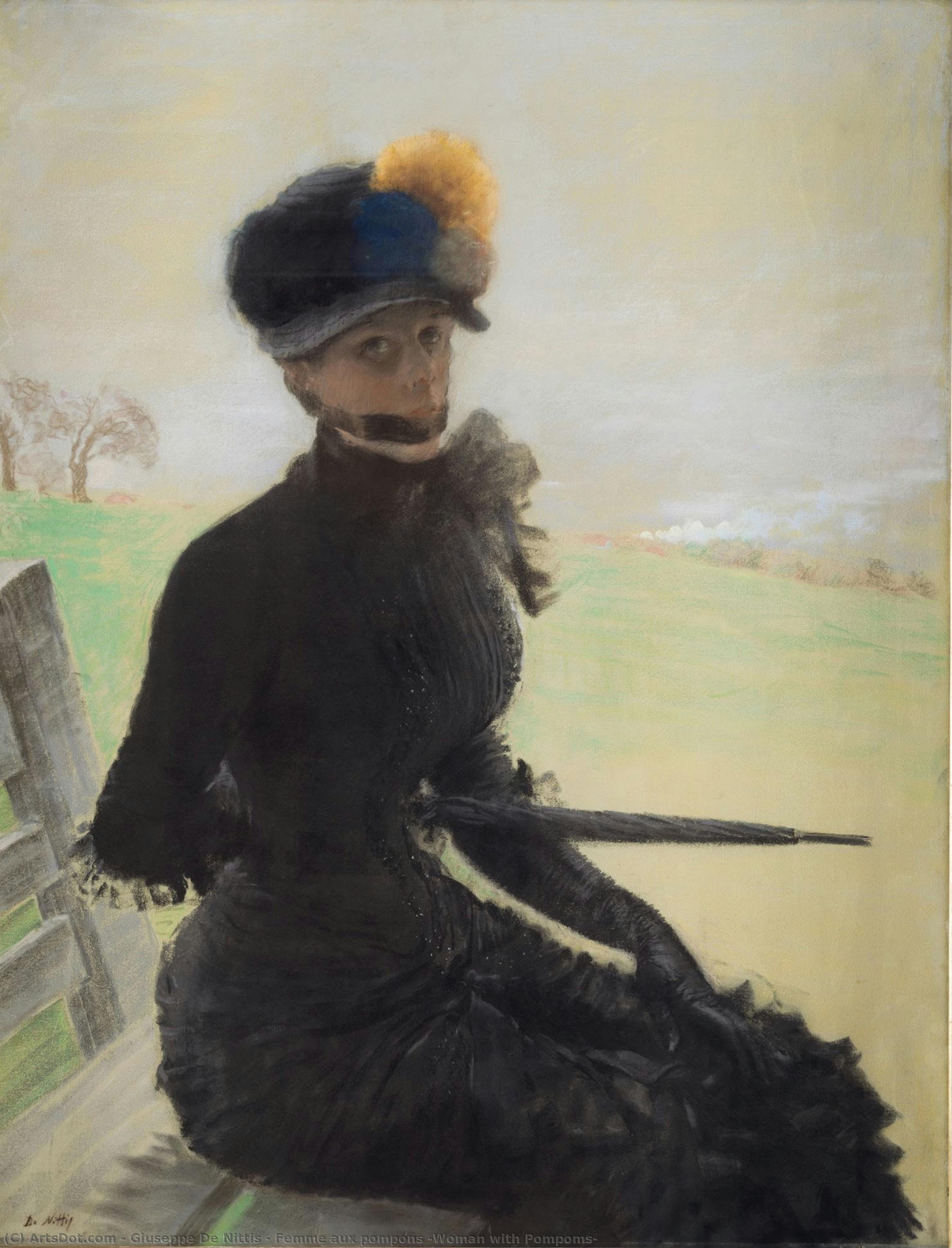
Femme aux pompons (Woman with Pompoms)
 Acrylic On Canvas
- WallArt
- Impressionism
 88.0 x 115.0 cm
 Galería de Arte Moderna
 Ver más
Adquiera una imagen digital de alta resolución y optimizada, muy superior a la vista previa en línea.
Cada archivo es preparado meticulosamente por nuestros especialistas internos mediante el uso de herramientas avanzadas y un experto retoque manual. Nos aseguramos de que cada imagen posea una claridad excepcional, una precisión cromática impecable y un detalle minucioso.
El archivo final se entrega por correo electrónico en un plazo de 72 horas, optimizado para su uso inmediato en entornos profesionales, editoriales y de impresión. Esta es la misma calidad en la que confían los estudios de diseño, las editoriales y las galerías de primer nivel.
Imagen Digital
Descarga un archivo de alta resolución para exhibición personal, impresión y proyectos creativos. ( Comprar impresión Comprar pintura hecha a mano)
Incluido en cada pedido de imágenes digitales
Entrega digital experta, garantizada.
Al elegir ArtsDot.com, no solo está adquiriendo una imagen; está recibiendo una obra de arte digital mejorada profesionalmente, elaborada con precisión y respaldada por una garantía de satisfacción. Esto es todo lo que incluye su pedido, automáticamente:

Entrega rápida por email
Recibirá su archivo de imagen digital en alta resolución por correo electrónico en un plazo de 72 horas tras realizar su pedido, listo para su uso inmediato.

Archivo digital optimizado por IA
Su obra de arte se optimiza profesionalmente mediante herramientas avanzadas de IA y edición manual, garantizando el máximo detalle, claridad y precisión cromática.

Reenvío gratuito de por vida
¿Has borrado o perdido tu archivo por error? No te preocupes: te lo volveremos a enviar en cualquier momento, sin coste adicional.

Sin gastos de importación, siempre
Disfrute de su obra de arte al instante sin aduanas, aranceles ni gastos de envío; las descargas digitales siempre están libres de impuestos.

Garantía de fidelidad de color
Garantizamos que su imagen digital refleje los colores originales con la mayor fidelidad posible, mediante el uso de herramientas profesionales y gestión del color.

Garantía de satisfacción de 60 días
Si no está satisfecho con su imagen digital, la revisaremos o le reembolsaremos el 100% en un plazo de 60 días, sin preguntas.

100% Garantía de devolución de dinero
¿No está satisfecho? Obtenga un reembolso completo dentro de los 60 días posteriores a la recepción de su archivo digital, sin necesidad de explicaciones.

Descuentos por pedidos grandes
Compra 3 imágenes, ahorra 10% - Compra 5, ahorra 15% - Compra 10+, ahorra 20%. Ideal para proyectos creativos, galerías y agencias.
Descripción del coleccionable
Giuseppe De Nittis: Bridging Salon Art and Impressionism
Giuseppe De Nittis (1846-1884) stands as a pivotal figure in Italian art history, recognized for his ability to synthesize the formal conventions of academic salon painting with the vibrant spontaneity of Impressionist aesthetics. Born in Barletta, Italy on February 25, 1846, De Nittis’ artistic journey began under the tutelage of Giovanni Battista Calò before a controversial expulsion from Naples’ Instituto di Belle Arti for insubordination irrevocably altered his trajectory. This early setback fueled an unwavering determination to hone his craft and explore innovative approaches to capturing the essence of the natural world. He would become one of the most influential proponents of the Macchiaioli movement, a revolutionary group that championed bold brushstrokes and prioritized atmospheric perception over meticulous detail—a stance that firmly positioned him at the forefront of artistic experimentation in Italy during its Belle Époque period. ### The Macchiaioli Movement: A Radical Departure The Macchiaioli – meaning “splashed” or “stained” – emerged in Tuscany around 1870, rejecting the prevailing academic tradition and embracing a radically new technique. Artists like De Nittis sought to emulate the expressive power of Japanese prints, particularly Ukiyo-e woodblock prints, which captivated European artists with their flattened perspective, bold color palettes, and focus on capturing fleeting moments of beauty. This stylistic influence is palpable in De Nittis’ oeuvre, where he deliberately avoids precise rendering, favoring instead broad strokes of pigment to convey mood and atmosphere—a hallmark of Impressionism championed by luminaries such as Monet and Renoir. The Macchiaioli's rejection of illusionistic realism wasn’t merely a stylistic preference; it represented a profound philosophical shift toward valuing subjective experience and capturing the immediacy of visual sensation. ### Femme aux Pompons: A Study in Light and Color “Femme aux Pompons” exemplifies De Nittis’ masterful blend of academic training and Impressionist innovation. Executed in pastel on canvas around 1880-1881, this portrait captures a woman seated against a blurred landscape backdrop—a compositional choice that prioritizes the interplay of light and color over meticulous anatomical accuracy. The artist skillfully employs layering thin washes of pastel pigment to build up form and create luminosity, mirroring techniques utilized by Impressionist painters like Monet and Sisley. De Nittis’ deliberate use of muted hues – predominantly shades of brown and ochre – contributes to a sense of melancholy and quiet contemplation, reflecting the prevailing mood of the era. The woman's gaze is averted, hinting at inner thoughts and emotions beyond what is visible on the surface—a characteristic element of portraiture that speaks to the artist’s ability to convey psychological depth. ### Symbolism and Influence: Beyond Mere Representation The inclusion of pompons – decorative tassels – adds a subtle layer of symbolic significance to the artwork. Pompons were fashionable accessories during De Nittis' time, representing elegance and refinement—a visual cue that underscores the sitter’s social status and reinforces the portrait’s aesthetic aspirations. Furthermore, “Femme aux Pompons” demonstrates De Nittis’ engagement with Japanese printmaking aesthetics, evident in the flattened perspective and simplified forms of the landscape background. This stylistic choice reflects a broader trend among European artists seeking inspiration from Eastern art traditions, signaling a pivotal moment in the evolution of Western painting toward embracing new visual vocabularies and expressive possibilities. The artwork stands as a testament to De Nittis’ enduring legacy—a bridge between academic formalism and Impressionist spontaneity that continues to resonate with audiences today. ### Further Exploration: Related Works & Context To delve deeper into Giuseppe De Nittis' artistic vision, consider examining his other paintings, notably “Giornata di neve” (A Day of Snow), “Donna con la veletta” (Woman in the Veil), and “Presso il lago” (Beside the Lake). These pieces showcase De Nittis’ unwavering dedication to capturing the beauty of the Tuscan landscape—a subject that captivated him throughout his career. His work can be found prominently displayed at the Pinacoteca Giuseppe De Nittis in Barletta, Italy, offering visitors a chance to experience firsthand the transformative power of Impressionist technique and Japanese printmaking influence. Examining these related artworks alongside “Femme aux Pompons” provides invaluable insight into De Nittis’ artistic trajectory and his contribution to the broader history of Italian art.Obras relacionadas
Biografía del artista
Giuseppe De Nittis: Bridging Salon Art and Impressionism
Giuseppe De Nittis (February 25, 1846 – August 21, 1884) was one of the most important Italian painters of the 19th century, whose work merges the styles of Salon art and Impressionism. Born in Barletta, Apulia, Italy, he initially studied under Giovanni Battista Calò before being expelled from the Instituto di Belle Arti in Naples for insubordination. This early rejection fueled his determination to forge a path independent of academic conventions—a stance that would define his artistic trajectory.- Early Life and Formation: De Nittis’s upbringing instilled in him a rebellious spirit, evident in his refusal to adhere to the rigid doctrines of the Academy. His father, Raffaele, was a vocal critic of the Bourbon monarchy, shaping Giuseppe's worldview and fostering a commitment to intellectual freedom.
- The Macchiaioli Influence: De Nittis’s encounter with Telemaco Signorini and other Macchiaioli artists proved pivotal. This movement championed direct observation of nature—a radical departure from academic painting—and profoundly impacted De Nittis's artistic approach, prioritizing tonal harmonies and capturing fleeting moments of light.
- Parisian Years: Moving to Paris in 1867 marked a crucial turning point. He established connections with fellow artists like Ernest Meissonier and Jean-Léon Gérôme, immersing himself in the vibrant Parisian art scene. His contract with Adolphe Goupil necessitated producing commercially viable genre paintings—a challenge he embraced while simultaneously exploring Impressionistic techniques.
- Notable Achievements: De Nittis achieved considerable acclaim during the Exposition Universelle of 1878, securing a gold medal and receiving the Légion d’honneur for his artistic contributions. His painting *Che freddo!* (It's So Cold!) captivated audiences at the Salon in 1874, cementing his reputation as an Impressionist innovator.
- Legacy: De Nittis’s influence extended beyond his own lifetime. His distinctive pastel style—characterized by luminous colors and delicate textures—inspired subsequent generations of artists. Furthermore, his unwavering dedication to capturing the essence of natural light and color continues to resonate within the broader artistic canon.
Artistic Style and Technique
De Nittis’s distinctive style was characterized by a masterful blend of Salon art traditions and Impressionist principles. He prioritized tonal harmonies—a technique championed by Signorini and other Macchiaioli—creating paintings that conveyed atmospheric depth and emotional resonance. However, unlike many of his contemporaries, De Nittis embraced plein air painting with fervor, meticulously observing the subtleties of light and color as they shifted across landscapes and portraits. His use of pastel was particularly noteworthy; he elevated this medium to new heights, achieving unparalleled luminosity and expressive power.Major Works
De Nittis produced a prolific oeuvre encompassing landscapes, genre scenes, and portraiture—each infused with his signature aesthetic vision. Among his most celebrated paintings are *Races at Auteuil* (1881), capturing the dynamism of equestrian sport; *Portrait of Madame de Florian* by Giovanni Boldini, showcasing De Nittis’s skill in portraying human emotion; *Paesaggio con bovi* (1855), a serene depiction of pastoral life; and *Vesuvius*, where he skillfully rendered the imposing volcano's majesty. His pastel portraits—including those of Edgar Degas and Gustave Moreau—demonstrate his mastery of tonal modulation and textural nuance.Influence and Recognition
Giuseppe De Nittis’s artistic legacy endured beyond his lifetime, influencing subsequent generations of painters who admired his innovative approach to Impressionism and Macchiaioli aesthetics. His unwavering commitment to capturing the beauty of nature—combined with his technical virtuosity—established him as a cornerstone of Italian art history. Today, his paintings reside in prominent museums worldwide—including the Musée d’Orsay in Paris, the British Museum in London, and the Metropolitan Museum of Art in New York—testament to the enduring power of his artistic vision.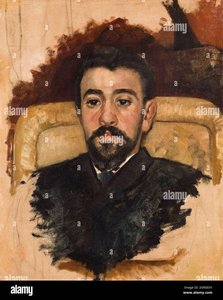
Giuseppe De Nittis
1846 - 1884 , Italia
Breves datos
- Artistic Movement Or Style: Impresionismo y Macchiaioli
- Artists Or Movements Influenced By This Artist: ['Macchiaioli']
- Artists Who Influenced This Artist:
- Giovanni Battista Calò
- Telemaco Signorini
- Date Of Birth: 25 febrero 1846
- Date Of Death: 21 agosto 1884
- Full Name: Giuseppe De Nittis
- Nationality: Italian
- Notable Artworks:
- Races at Auteuil
- Che freddo!
- Paisaggio con bovi
- Place Of Birth: Barletta, Italia

