

 Enviar
 Compartir
 Detalles

 Descargar
 Similares
 Presentación de diapositivas
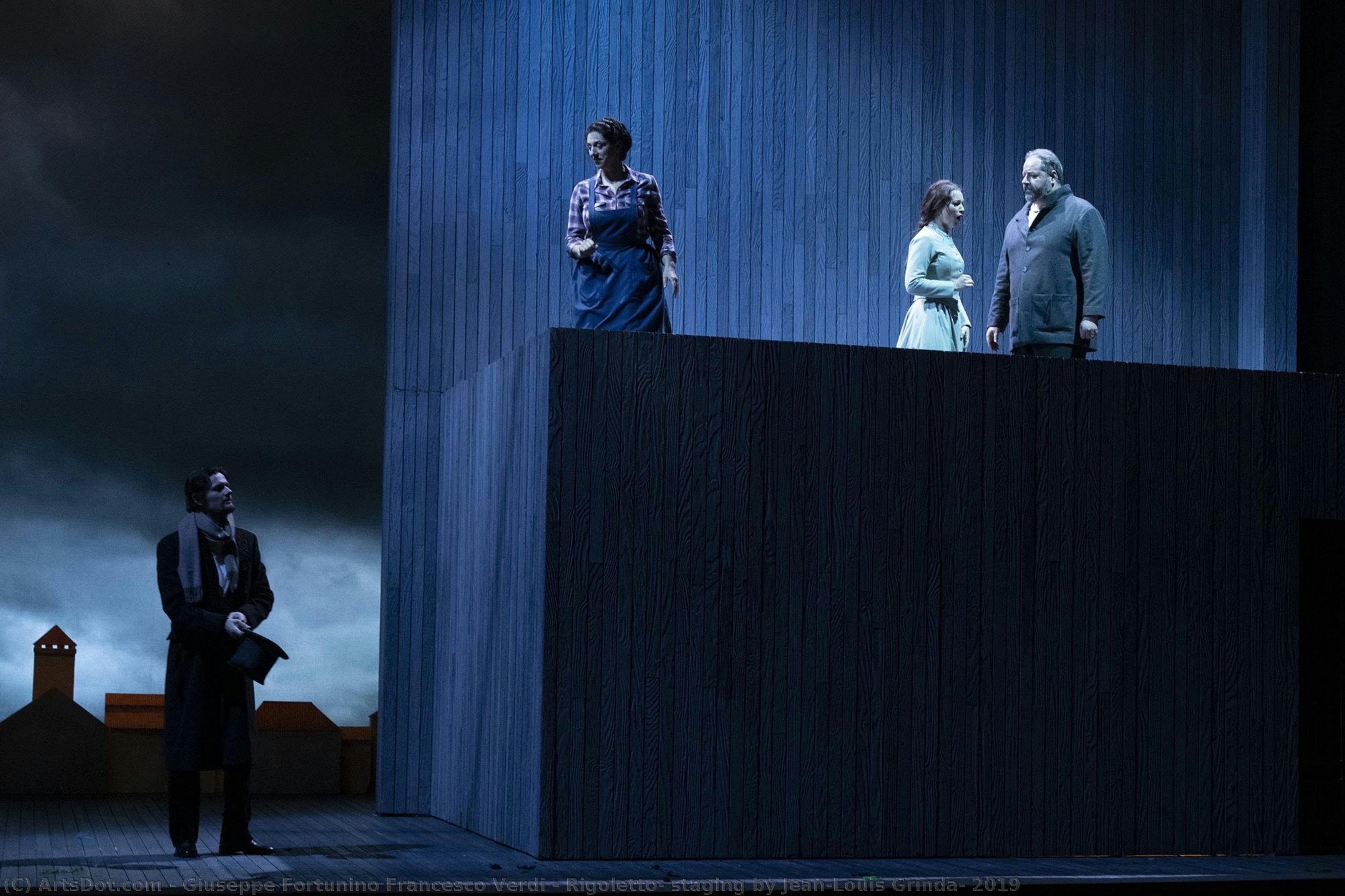
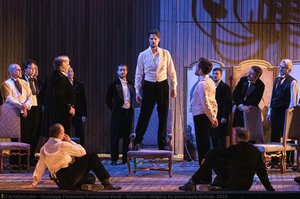
Rigoletto, staging by Jean-Louis Grinda, 2019


 Ver más
Giclée / Impresión de arte
Impresiones giclée o en lienzo de calidad de museo con producción rápida y opciones de acabado flexibles. ( Comprar pintura hecha a mano Comprar imagen)




































Elija entre nuestros tamaños predefinidos que respetan las proporciones originales de la obra.

Puede introducir sus propias dimensiones para adaptarse a un marco o espacio específico. Si el tamaño seleccionado no coincide con las proporciones de la imagen original, recortaremos la obra de arte o extenderemos la imagen con un borde con efecto espejo o de color sólido. Se enviará una maqueta digital para su aprobación antes de que comience la producción.
Tenga en cuenta que la vista previa en pantalla no refleja el recorte o la extensión real. Solo la maqueta mostrará con precisión la composición final.
Aunque existen tamaños personalizados, recomendamos seleccionar una dimensión de la lista predefinida para preservar las proporciones originales.
Envío a todo el mundo () en 2 semanas en lugar de las 4/5 semanas estándar. (29 agosto)

Envío exprés gratuito a todo el mundo

Lienzo de lino de alta calidad

Seguro de envío total

Garantía de reembolso de impuestos aduaneros

Garantía de fidelidad cromática exacta

Política de devolución de 60 días (solo por defectos)

Garantía de devolución del 100% del dinero

Descuento por cantidad
 La opción de vidrio solo está disponible en tamaños inferiores a 110 cm.

Rigoletto, staging by Jean-Louis Grinda, 2019
Giclée / Impresión de arte
Dimensiones de la reproducción
-


Precio total final
$ 62
A Dramatic Encounter in Monochrome
In the hauntingly beautiful black and white photograph capturing Jean-Louis Grinda’s 2019 staging of Rigoletto, the viewer is instantly transported into a world of theatrical tension and operatic grandeur. This evocative piece serves as more than just a visual record; it is a window into the soul of Giuseppe Verdi’s masterpiece. The composition centers on a profound sense of drama, where the interplay of light and shadow breathes life into the figures positioned upon the stage. A man stands with his back turned to the audience, a posture that suggests isolation, heavy burden, or perhaps a moment of deep, internal reflection. Beside him, other characters emerge from the darkness, their presence adding layers of narrative complexity to this frozen moment of musical tragedy.
The choice of a monochromatic palette is masterful, stripping away the distraction of color to focus the eye on texture, form, and the raw emotion of the performance. In this grayscale realm, every fold of costume and every subtle shift in lighting becomes a tool for storytelling. The presence of a clock within the scene acts as a poignant symbol of tempus fugit—the relentless passage of time that drives the tragic momentum of the opera’s plot. This visual element reminds us that in the world of Rigoletto, destiny is unfolding with every passing second, making the artwork feel both timeless and urgently immediate.
The Legacy of Verdi and the Art of the Stage
To appreciate this work, one must understand the monumental legacy of its composer, Giuseppe Verdi. Born in the humble surroundings of Roncole, Italy, Verdi rose to become the definitive voice of Italian opera, weaving themes of political struggle, personal betrayal, and tragic fate into his scores. This 2019 production by Jean-Louis Grinda pays homage to that historical weight, utilizing theatrical realism to bridge the gap between the nineteenth-century composition and a modern visual sensibility. The artwork captures the essence of Verdi’s ability to create characters that are as much archetypes as they are human beings.
For the discerning collector or interior designer, this reproduction offers a sophisticated way to introduce narrative depth into a space. The stark contrast of the black and white imagery provides a versatile aesthetic that complements both contemporary minimalist settings and more traditional, opulent interiors. It is an ideal piece for those who seek art that does not merely decorate a wall but invites conversation and emotional resonance. Owning a hand-painted reproduction of such a significant theatrical moment allows one to possess a fragment of operatic history, rendered with the meticulous care required to honor the intensity of Grinda’s vision and Verdi’s enduring genius.
Obras relacionadas

Biografía del artista
Giuseppe Verdi: The Voice of Italian Romanticism
Giuseppe Fortunino Francesco Verdi (1813-1901) stands as one of the titans of Italian opera, a composer whose melodies resonate through time and whose dramatic narratives continue to captivate audiences worldwide. Born in Roncole Ausano, near Busseto—a humble village nestled within the Duchy of Parma—Verdi’s musical journey began amidst modest circumstances but blossomed into an unparalleled artistic legacy. His formative years were marked by a profound connection to music instilled by his father, Carlo Giuseppe Verdi, who recognized and nurtured his son's exceptional talent from childhood.- Early Musical Education: Verdi received comprehensive instruction in piano and organ at Busseto’s Jesuit school, laying the groundwork for his future compositional endeavors.
- Influence of Antonio Barezzi: The patronage of Antonio Barezzi—a wealthy merchant and fervent music lover—proved instrumental in Verdi's artistic development, providing him with financial support and fostering a lifelong appreciation for musical excellence.
- Marriage and Family Life: Verdi married Margherita Barezzi in 1836, establishing a family that tragically endured profound sorrow when his wife and two children succumbed to illness shortly after their marriage. This personal tragedy deeply impacted Verdi’s creative output.
The Rise of Verdi's Operatic Genius
Verdi’s breakthrough arrived in 1842 with *Nabucco*, a stirring opera that captured the spirit of the Risorgimento—the Italian unification movement. The chorus “Va, pensiero,” instantly became emblematic of patriotic aspiration and solidified Verdi’s reputation as a composer attuned to the social and political currents of his time. His subsequent operas – *Rigoletto* (1853), *Il trovatore* (1853), *La traviata* (1853) – cemented his position at the forefront of Romantic opera, characterized by dramatic intensity, psychological realism, and unforgettable melodies. These works explored themes of love, betrayal, justice, and morality with unparalleled depth.- *Rigoletto*: Verdi’s exploration of moral ambiguity and social injustice captivated audiences and established him as a masterful storyteller.
- *Il trovatore*: The opera's dramatic tension and lyrical beauty showcased Verdi’s ability to craft emotionally resonant narratives.
- *La traviata*: Verdi’s poignant portrayal of Violetta Valéry—a courtesan battling tuberculosis—became an enduring symbol of compassion and artistic integrity.
Verdi's Later Masterpieces: A Legacy Forged in Sorrow and Triumph
Despite facing personal hardship, Verdi persevered in his creative pursuits, producing three monumental operas during his “middle period”: *La forza del destino* (1867), *Aida* (1871) and *Otello* (1887). These works pushed the boundaries of operatic form and technique, demonstrating Verdi’s unwavering commitment to artistic innovation. His magnum opus, *Requiem Mass* (1874)—composed in response to the assassination of Empress Elizabeth Alexandrovna—stands as a testament to his profound spiritual conviction and musical genius.- *Otello*: Verdi's masterful depiction of jealousy and obsession revolutionized opera’s dramatic conventions.
- *Aida*: Verdi’s ambitious retelling of Egyptian mythology captivated audiences with its grandeur and emotional power.
Falstaff: A Farewell to Grand Opera
Verdi concluded his operatic career with *Falstaff* (1893), a comic masterpiece that celebrated Shakespeare's wit and humanity. This opera marked a departure from Verdi’s earlier dramatic style, reflecting a newfound appreciation for musical subtlety and humor. Giuseppe Fortunino Francesco Verdi died in Milan on January 27, 1901, leaving behind an unparalleled contribution to the history of music—a legacy that continues to inspire composers and audiences alike.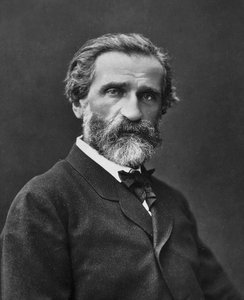
Giuseppe Verdi
1813 - 1901 , Italia
Datos clave
- Artistic Movement Or Style: Romantic Music
- Artists Who Influenced This Artist:
- Franz Schubert
- Gioachino Rossini
- Date Of Birth: October 10, 1813
- Date Of Death: January 27, 1901
- Full Name: Giuseppe Fortunino Francesco Verdi
- Nationality: Italian
- Notable Artworks:
- Rigoletto
- Il trovatore
- La traviata
- Place Of Birth: Roncole Ausano, Italy
Artículos relacionados

Blanco Sublime: Los 10 Cuadros Más Famosos Dominados por la Luz y el Color
Descubre los 10 cuadros blancos más emblemáticos de la historia del arte. Explora Monet, Van Gogh y Klimt, y su magistral uso de la luz y el color. Encuentra reproducciones de alta calidad e inspírate para tu decoración en .

Las 10 Pinturas Más Famosas Dominadas por el Negro | Arte y Decoración
Descubre las 10 pinturas más impactantes dominadas por el negro. Explora obras maestras de Rembrandt, Goya y Rothko, su historia y significado. Encuentra reproducciones de arte exclusivas para transformar tu hogar en .
Romantic Realism's Finest: 10 Masterpieces for Your Home | ArtsDot
Explore 10 defining masterpieces of Romantic Realism! Discover Courbet, Millet & Daumier's powerful paintings—capturing emotion and social realities. Find museum-quality reproductions for your home at ArtsDot.com.

Monochrome Visions: Exploring the Aesthetic & Historical Significance of Black & White Photography
Explore the rich history & artistic power of black and white photography. From early techniques to iconic masters like Ansel Adams, discover why monochrome continues to captivate art lovers today. Expert insights for collectors.
Los 10 Cuadros Más Famosos Dominados por el Negro Marfil: Arte y Decoración
Descubre los 10 cuadros más impactantes dominados por el negro marfil. Explora la historia de Rembrandt, Van Gogh y otros maestros del arte clásico y moderno. Encuentra reproducciones de alta calidad para tu hogar en

