

 Enviar
 Compartir
 Detalles

 Descargar
 Similares
 Presentación de diapositivas
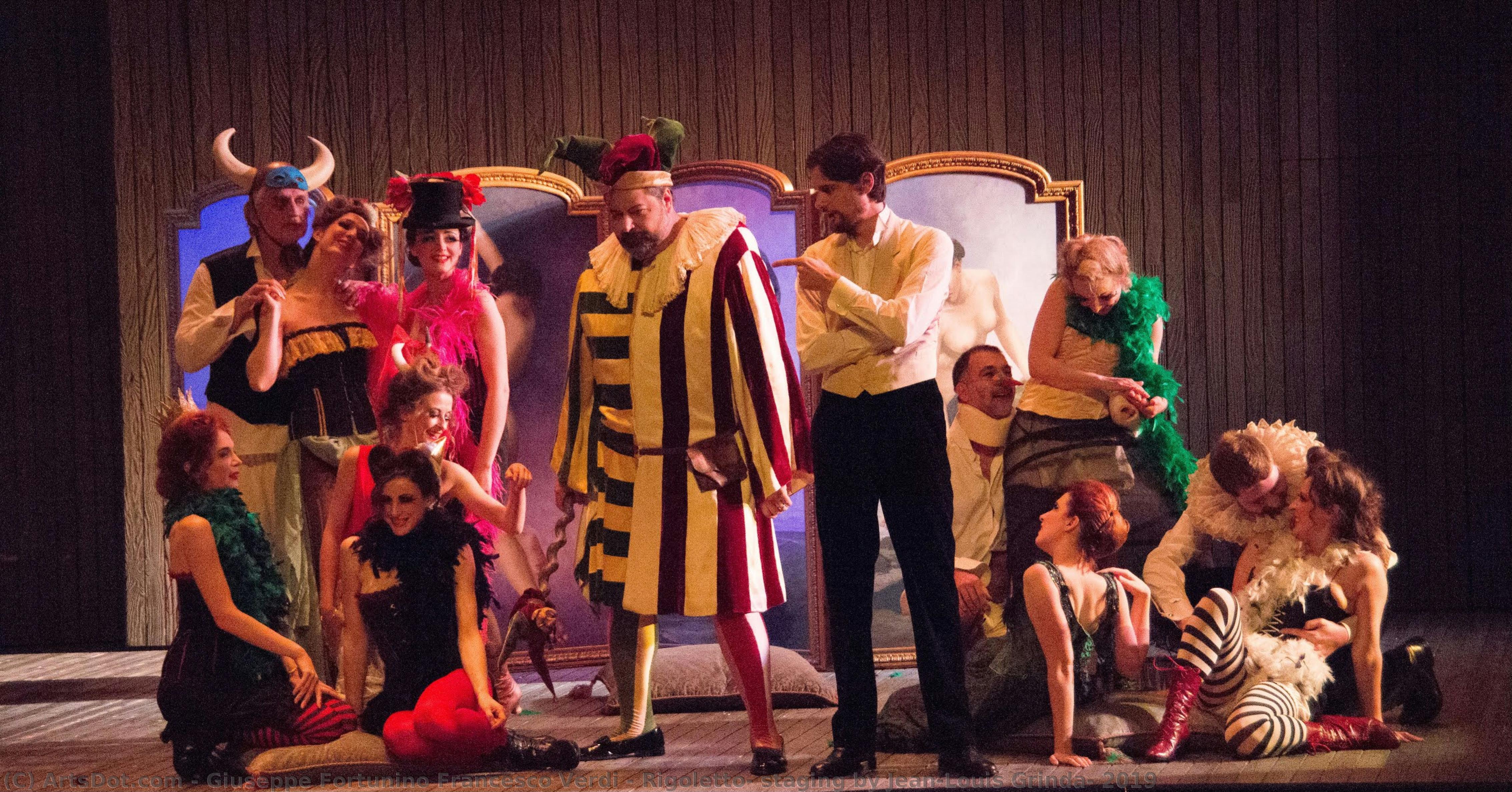
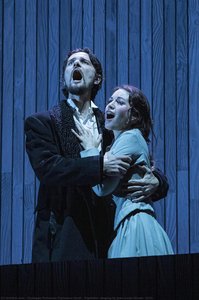
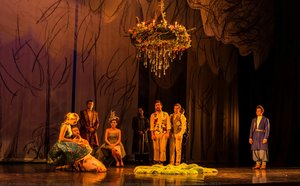
Rigoletto, staging by Jean-Louis Grinda, 2019


 Ver más
Adquiera una imagen digital de alta resolución y optimizada, muy superior a la vista previa en línea.
Cada archivo es preparado meticulosamente por nuestros especialistas internos mediante el uso de herramientas avanzadas y un experto retoque manual. Nos aseguramos de que cada imagen posea una claridad excepcional, una precisión cromática impecable y un detalle minucioso.
El archivo final se entrega por correo electrónico en un plazo de 72 horas, optimizado para su uso inmediato en entornos profesionales, editoriales y de impresión. Esta es la misma calidad en la que confían los estudios de diseño, las editoriales y las galerías de primer nivel.
Imagen Digital
Descarga un archivo de alta resolución para exhibición personal, impresión y proyectos creativos. ( Comprar impresión Comprar pintura hecha a mano)
Incluido en cada pedido de imágenes digitales
Entrega digital experta, garantizada.
Al elegir ArtsDot.com, no solo está adquiriendo una imagen; está recibiendo una obra de arte digital mejorada profesionalmente, elaborada con precisión y respaldada por una garantía de satisfacción. Esto es todo lo que incluye su pedido, automáticamente:

Entrega rápida por email
Recibirá su archivo de imagen digital en alta resolución por correo electrónico en un plazo de 72 horas tras realizar su pedido, listo para su uso inmediato.

Archivo digital optimizado por IA
Su obra de arte se optimiza profesionalmente mediante herramientas avanzadas de IA y edición manual, garantizando el máximo detalle, claridad y precisión cromática.

Reenvío gratuito de por vida
¿Has borrado o perdido tu archivo por error? No te preocupes: te lo volveremos a enviar en cualquier momento, sin coste adicional.

Sin gastos de importación, siempre
Disfrute de su obra de arte al instante sin aduanas, aranceles ni gastos de envío; las descargas digitales siempre están libres de impuestos.

Garantía de fidelidad de color
Garantizamos que su imagen digital refleje los colores originales con la mayor fidelidad posible, mediante el uso de herramientas profesionales y gestión del color.

Garantía de satisfacción de 60 días
Si no está satisfecho con su imagen digital, la revisaremos o le reembolsaremos el 100% en un plazo de 60 días, sin preguntas.

100% Garantía de devolución de dinero
¿No está satisfecho? Obtenga un reembolso completo dentro de los 60 días posteriores a la recepción de su archivo digital, sin necesidad de explicaciones.

Descuentos por pedidos grandes
Compra 3 imágenes, ahorra 10% - Compra 5, ahorra 15% - Compra 10+, ahorra 20%. Ideal para proyectos creativos, galerías y agencias.
A Theatrical Vision of Verdi's Masterpiece
In the breathtaking visual tapestry of Rigoletto, as captured in the 2019 staging by Jean-Louis Grinda, we are transported into a world where the boundaries between reality and performance dissolve. This evocative scene serves as more than just a photographic record; it is a window into the soul of one of opera's most profound tragedies. The composition is masterfully layered, presenting a crowded and intricate stage where every figure contributes to a sense of mounting tension and grandeur. Through a lens of theatrical realism, the image captures the vibrant energy of the performers, utilizing a rich palette of deep reds, lush greens, and regal golds to evoke an atmosphere that is simultaneously opulent and foreboding.
The artistry of this production lies in its ability to use light and shadow as narrative tools. The lighting is strategically focused on central figures, casting dramatic highlights that accentuate the textures of elaborate costumes—from the heavy folds of velvet drapery to the intricate, fantastical headpieces that suggest a world of hidden identities and royal intrigue. This interplay of light creates a profound sense of depth, pulling the viewer through receding planes of the set design and into the very heart of the drama. The organic shapes of the flowing gowns contrast beautifully with the structured, architectural lines of the stage, mirroring the internal conflict between human emotion and the rigid social hierarchies depicted in Verdi's score.
Historical Resonance and Symbolic Depth
To appreciate this visual spectacle, one must consider the monumental legacy of its composer, Giuseppe Verdi. Born in the humble surroundings of Roncole, Italy, Verdi’s journey from a rejected student to the titan of Italian opera is reflected in the very intensity of this staging. The 201 and dramatic atmosphere of the production pays homage to the emotional weight of his work, where themes of betrayal, paternal love, and fate collide. In this specific staging, the costumes act as symbolic vessels; the regal attire and fantastical elements are not merely decorative but serve to underscore the social stratification and the masks worn by characters in a world governed by power and vengeance.
For the discerning collector or interior designer, this artwork offers a unique opportunity to introduce a sense of narrative drama into a space. Whether presented as a vibrant color study or a stark, evocative black-and-white piece, the image commands attention through its sheer scale of emotion. It is an ideal centerpiece for those seeking to evoke a mood of sophistication and classical grandeur. A hand-painted reproduction of this scene does not merely decorate a wall; it invites a conversation about the enduring power of the performing arts and the timeless beauty of theatrical storytelling.
Obras relacionadas
Biografía del artista
Giuseppe Verdi: The Voice of Italian Romanticism
Giuseppe Fortunino Francesco Verdi (1813-1901) stands as one of the titans of Italian opera, a composer whose melodies resonate through time and whose dramatic narratives continue to captivate audiences worldwide. Born in Roncole Ausano, near Busseto—a humble village nestled within the Duchy of Parma—Verdi’s musical journey began amidst modest circumstances but blossomed into an unparalleled artistic legacy. His formative years were marked by a profound connection to music instilled by his father, Carlo Giuseppe Verdi, who recognized and nurtured his son's exceptional talent from childhood.- Early Musical Education: Verdi received comprehensive instruction in piano and organ at Busseto’s Jesuit school, laying the groundwork for his future compositional endeavors.
- Influence of Antonio Barezzi: The patronage of Antonio Barezzi—a wealthy merchant and fervent music lover—proved instrumental in Verdi's artistic development, providing him with financial support and fostering a lifelong appreciation for musical excellence.
- Marriage and Family Life: Verdi married Margherita Barezzi in 1836, establishing a family that tragically endured profound sorrow when his wife and two children succumbed to illness shortly after their marriage. This personal tragedy deeply impacted Verdi’s creative output.
The Rise of Verdi's Operatic Genius
Verdi’s breakthrough arrived in 1842 with *Nabucco*, a stirring opera that captured the spirit of the Risorgimento—the Italian unification movement. The chorus “Va, pensiero,” instantly became emblematic of patriotic aspiration and solidified Verdi’s reputation as a composer attuned to the social and political currents of his time. His subsequent operas – *Rigoletto* (1853), *Il trovatore* (1853), *La traviata* (1853) – cemented his position at the forefront of Romantic opera, characterized by dramatic intensity, psychological realism, and unforgettable melodies. These works explored themes of love, betrayal, justice, and morality with unparalleled depth.- *Rigoletto*: Verdi’s exploration of moral ambiguity and social injustice captivated audiences and established him as a masterful storyteller.
- *Il trovatore*: The opera's dramatic tension and lyrical beauty showcased Verdi’s ability to craft emotionally resonant narratives.
- *La traviata*: Verdi’s poignant portrayal of Violetta Valéry—a courtesan battling tuberculosis—became an enduring symbol of compassion and artistic integrity.
Verdi's Later Masterpieces: A Legacy Forged in Sorrow and Triumph
Despite facing personal hardship, Verdi persevered in his creative pursuits, producing three monumental operas during his “middle period”: *La forza del destino* (1867), *Aida* (1871) and *Otello* (1887). These works pushed the boundaries of operatic form and technique, demonstrating Verdi’s unwavering commitment to artistic innovation. His magnum opus, *Requiem Mass* (1874)—composed in response to the assassination of Empress Elizabeth Alexandrovna—stands as a testament to his profound spiritual conviction and musical genius.- *Otello*: Verdi's masterful depiction of jealousy and obsession revolutionized opera’s dramatic conventions.
- *Aida*: Verdi’s ambitious retelling of Egyptian mythology captivated audiences with its grandeur and emotional power.
Falstaff: A Farewell to Grand Opera
Verdi concluded his operatic career with *Falstaff* (1893), a comic masterpiece that celebrated Shakespeare's wit and humanity. This opera marked a departure from Verdi’s earlier dramatic style, reflecting a newfound appreciation for musical subtlety and humor. Giuseppe Fortunino Francesco Verdi died in Milan on January 27, 1901, leaving behind an unparalleled contribution to the history of music—a legacy that continues to inspire composers and audiences alike.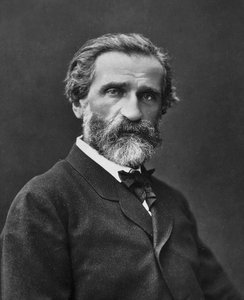
Giuseppe Verdi
1813 - 1901 , Italia
Breves datos
- Artistic Movement Or Style: Romantic Music
- Artists Who Influenced This Artist:
- Franz Schubert
- Gioachino Rossini
- Date Of Birth: October 10, 1813
- Date Of Death: January 27, 1901
- Full Name: Giuseppe Fortunino Francesco Verdi
- Nationality: Italian
- Notable Artworks:
- Rigoletto
- Il trovatore
- La traviata
- Place Of Birth: Roncole Ausano, Italy

