

 Ver en contexto
 Enviar
 Compartir
 Detalles

 Descargar
 Similares
 Radiografía
 Presentación de diapositivas
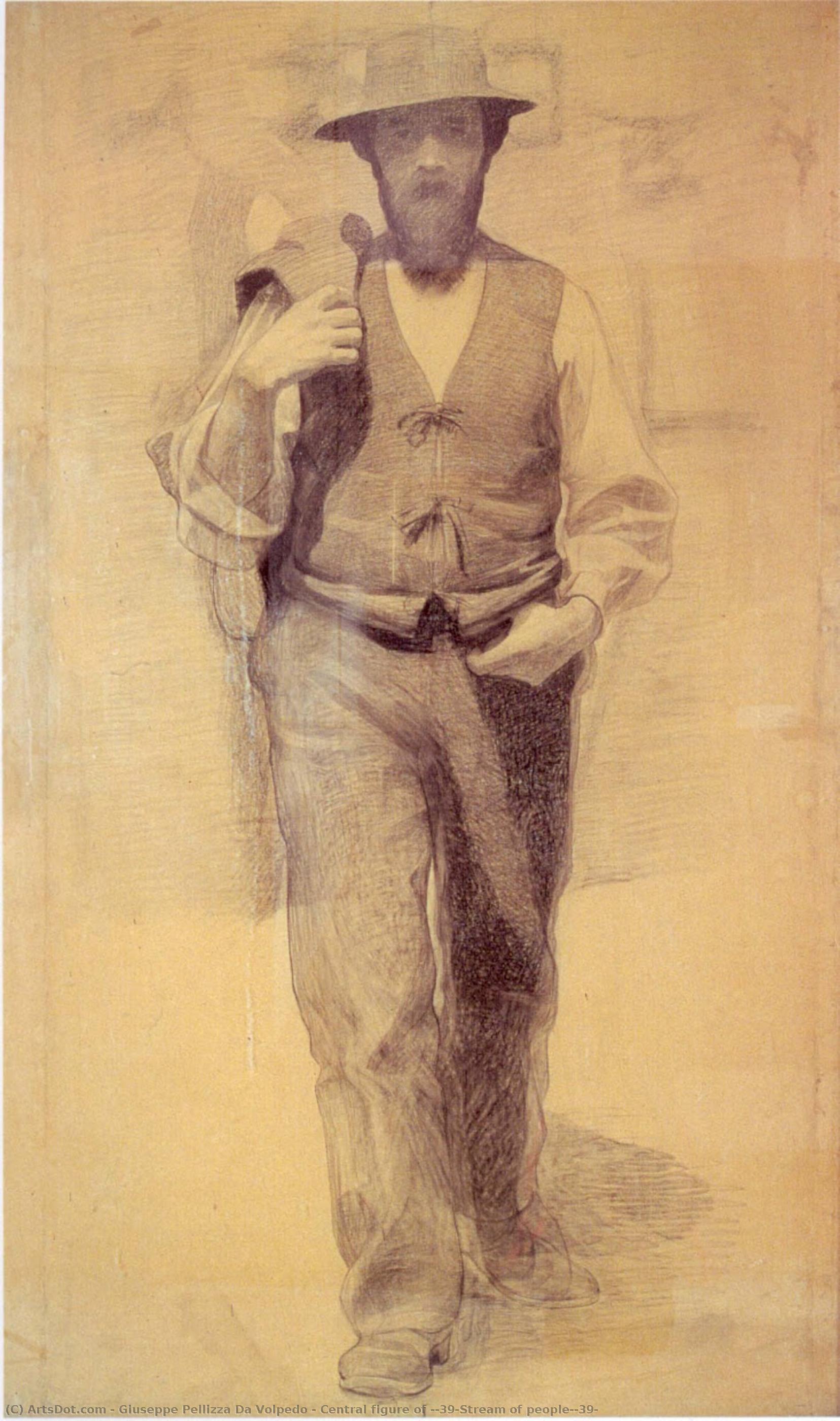
Central figure of 'Stream of people'
 Social Realism
 1895
1895 159.0 x 95.0 cm
 Ver más
Adquiera una imagen digital de alta resolución y optimizada, muy superior a la vista previa en línea.
Cada archivo es preparado meticulosamente por nuestros especialistas internos mediante el uso de herramientas avanzadas y un experto retoque manual. Nos aseguramos de que cada imagen posea una claridad excepcional, una precisión cromática impecable y un detalle minucioso.
El archivo final se entrega por correo electrónico en un plazo de 72 horas, optimizado para su uso inmediato en entornos profesionales, editoriales y de impresión. Esta es la misma calidad en la que confían los estudios de diseño, las editoriales y las galerías de primer nivel.
Imagen Digital
Descarga un archivo de alta resolución para exhibición personal, impresión y proyectos creativos. ( Comprar impresión Comprar pintura hecha a mano)
Incluido en cada pedido de imágenes digitales
Entrega digital experta, garantizada.
Al elegir ArtsDot.com, no solo está adquiriendo una imagen; está recibiendo una obra de arte digital mejorada profesionalmente, elaborada con precisión y respaldada por una garantía de satisfacción. Esto es todo lo que incluye su pedido, automáticamente:

Entrega rápida por email
Recibirá su archivo de imagen digital en alta resolución por correo electrónico en un plazo de 72 horas tras realizar su pedido, listo para su uso inmediato.

Archivo digital optimizado por IA
Su obra de arte se optimiza profesionalmente mediante herramientas avanzadas de IA y edición manual, garantizando el máximo detalle, claridad y precisión cromática.

Reenvío gratuito de por vida
¿Has borrado o perdido tu archivo por error? No te preocupes: te lo volveremos a enviar en cualquier momento, sin coste adicional.

Sin gastos de importación, siempre
Disfrute de su obra de arte al instante sin aduanas, aranceles ni gastos de envío; las descargas digitales siempre están libres de impuestos.

Garantía de fidelidad de color
Garantizamos que su imagen digital refleje los colores originales con la mayor fidelidad posible, mediante el uso de herramientas profesionales y gestión del color.

Garantía de satisfacción de 60 días
Si no está satisfecho con su imagen digital, la revisaremos o le reembolsaremos el 100% en un plazo de 60 días, sin preguntas.

100% Garantía de devolución de dinero
¿No está satisfecho? Obtenga un reembolso completo dentro de los 60 días posteriores a la recepción de su archivo digital, sin necesidad de explicaciones.

Descuentos por pedidos grandes
Compra 3 imágenes, ahorra 10% - Compra 5, ahorra 15% - Compra 10+, ahorra 20%. Ideal para proyectos creativos, galerías y agencias.
Obras relacionadas



Biografía del artista
Giuseppe Pellizza da Volpedo: A Pioneer of Divisionism and Social Consciousness
Giuseppe Pellizza da Volpedo (1868-1907) stands as a singular figure in Italian art history—a divisionist painter who fused artistic innovation with profound social concern. Born in Volpedo, Piedmont, he emerged from humble beginnings to become one of the foremost practitioners of this groundbreaking technique and a vocal advocate for progressive ideals. His life was tragically cut short by suicide at the age of 39, leaving behind an oeuvre that continues to resonate with its uncompromising realism and symbolic depth. ### Early Life and Artistic Formation Pellizza’s formative years were marked by a dedication to artistic pursuits despite familial hardships. He studied under Pio Sanquirico, whose influence instilled in him a commitment to observation and meticulous rendering of the natural world—principles that would underpin his distinctive style. Unlike many artists of his time who sought grand narratives or idealized representations, Pellizza focused on capturing everyday life with remarkable accuracy, prioritizing detail and tonal variation over conventional stylistic conventions. This approach was directly informed by Impressionism and Neo-Impressionism, movements which championed the exploration of light and color through scientific analysis. He absorbed the lessons of Impressionism’s emphasis on capturing fleeting moments of beauty and transformed them into a visual language that would become his hallmark. ### The Divisionist Technique: A Revolutionary Approach Pellizza’s artistic breakthrough arrived with his embrace of divisionism—a technique pioneered by Georges Seurat and Paul Signac. This method involved applying small dots or strokes of pure pigment onto a canvas, allowing colors to blend optically rather than physically mixing on the palette. Unlike blending pigments together, this process maximized luminosity and created an ethereal effect that captured the subtleties of light and atmosphere with unprecedented precision. Pellizza skillfully utilized divisionism not merely as a stylistic device but as a philosophical stance—a belief in the power of science to illuminate artistic expression and to reveal hidden truths about human experience. He saw divisionism as more than just a method; it was a way of perceiving the world, mirroring the scientific quest for understanding and capturing the essence of visual perception. This meticulous approach distinguished him from many contemporaries who favored looser brushstrokes and expressive gestures. ### Major Works and Artistic Legacy His most celebrated masterpiece, “The Fourth Estate” ("Il Quarto Stato") (1901), cemented Pellizza’s reputation as an artist deeply invested in social justice. This monumental painting depicts a gathering of workers—representing the proletariat—engaged in a solemn procession towards the Palazzo Nuovo in Rome. The image became instantly iconic, symbolizing the burgeoning socialist movement in Italy and serving as inspiration for Bernardo Bertolucci's film *1900*. Its enduring presence on cinema screens underscores Pellizza’s ability to transcend artistic boundaries and communicate powerful ideas across mediums. Furthermore, “The Statue of Villa Borghese” exemplifies his masterful depiction of human form and his meticulous attention to textural detail—a testament to his unwavering dedication to realism. The painting's deliberate composition and subtle tonal gradations exemplify the divisionist ideal – a harmonious blend of scientific observation and artistic expression. ### Influence and Historical Significance Pellizza da Volpedo’s contribution to Italian art extends far beyond his individual paintings. He served as an inspiration for subsequent generations of artists who sought to combine artistic innovation with social responsibility. His pioneering use of divisionism challenged prevailing aesthetic norms and established a precedent for exploring complex themes through visual language. Moreover, “The Fourth Estate” remains a potent symbol of the struggle for equality and progress—a reminder that art can serve as a catalyst for societal change. Today, his work is housed in prestigious institutions like the Museo del Novecento in Milan and Brera Art Gallery, ensuring that Pellizza’s legacy continues to inspire admiration and scholarly inquiry. He died tragically young, leaving behind an artistic testament that continues to provoke contemplation on beauty, truth, and social consciousness.
Giuseppe Pellizza da Volpedo
1868 - 1907 , Italia
Breves datos
- Artistic Movement Or Style: Divisionism
- Artists Who Influenced This Artist: ['Pio Sanquirico']
- Date Of Birth: 1868
- Date Of Death: 1907
- Full Name: Giuseppe Pellizza da Volpedo
- Nationality: Italian
- Notable Artworks:
- The Fourth Estate
- Portrait of a Man
- The Statue of Villa Borghese
- Place Of Birth: Volpedo, Piedmont

