 Ver en contexto
 Enviar
 Compartir
 Detalles

 Descargar
 Similares
 Radiografía
 Presentación de diapositivas
 Stats
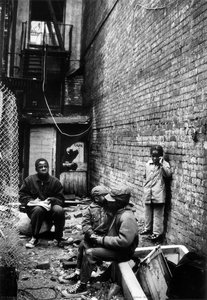
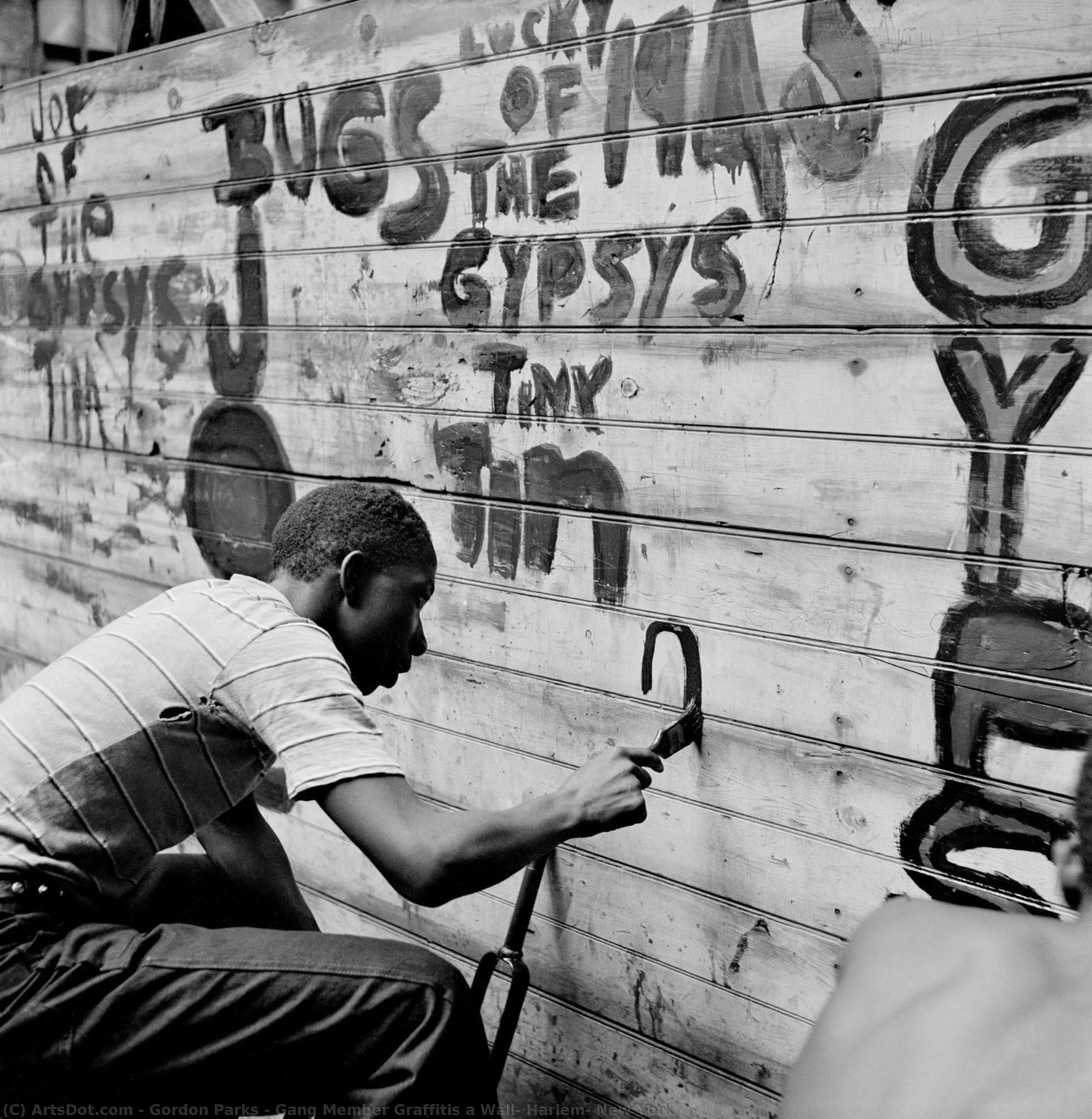
StatsGang Member Graffitis a Wall, Harlem, New York


 Ver más
Giclée / Impresión de arte
Impresiones giclée o en lienzo de calidad de museo con producción rápida y opciones de acabado flexibles. ( Comprar pintura hecha a mano Switch to Digital Image)




P118B $10

P118H $10

P118W $10

P438Z $10

P508JH $12

P508YH $12

P805H $10

P805Z $10

P919BZ $10

P919G $10

P919XJ $10

P959ZH $10

P968JZ $12

W106C $8

W218G $10

W218JH $8

W218Y $10

W307PJ $10

W316G $10

W316PJ $8

W316Y $10

W398PJ $8

W4111J $10

W500HY $15

W500JH $15

W692G $12

W849H $8

W940BG $15

W953PJ $8




Elija entre nuestros tamaños predefinidos que respetan las proporciones originales de la obra.

Puede introducir sus propias dimensiones para adaptarse a un marco o espacio específico. Si el tamaño seleccionado no coincide con las proporciones de la imagen original, recortaremos la obra de arte o extenderemos la imagen con un borde con efecto espejo o de color sólido. Se enviará una maqueta digital para su aprobación antes de que comience la producción.
Tenga en cuenta que la vista previa en pantalla no refleja el recorte o la extensión real. Solo la maqueta mostrará con precisión la composición final.
Aunque existen tamaños personalizados, recomendamos seleccionar una dimensión de la lista predefinida para preservar las proporciones originales.
Envío a todo el mundo () en 2 semanas en lugar de las 4/5 semanas estándar. (8 septiembre)

Envío exprés gratuito a todo el mundo

Lienzo de lino de alta calidad

Seguro de envío total

Garantía de reembolso de impuestos aduaneros

Garantía de fidelidad cromática exacta

Política de devolución de 100 días (solo por defectos)

Garantía de devolución del 100% del dinero

Descuento por cantidad
 La opción de vidrio solo está disponible en tamaños inferiores a 110 cm.

Gang Member Graffitis a Wall, Harlem, New York
Giclée / Impresión de arte
Dimensiones de la reproducción
-


Precio total final
$ 62
A Moment Frozen in Harlem’s Soul
Gordon Parks' "Gang Member Graffitis a Wall, Harlem, New York," captured in 1948, isn’t merely a photograph; it’s a visceral snapshot of urban America grappling with its own identity. The image, a testament to Parks’ pioneering documentary style, presents a young man – identified as Red Jackson – meticulously applying paint to a weathered brick wall in Harlem's vibrant and complex landscape. This wasn’t a staged portrait but an unscripted moment, a raw glimpse into the daily life of a community on the cusp of profound change. The scene is bathed in the soft, natural light of a late afternoon, casting long shadows that accentuate the textures of the wooden planks beneath Jackson's hands and the rough-hewn surface of the wall itself. The composition, subtly angled as if observed from just below eye level, draws the viewer directly into this intimate act of creation – a defiant assertion of self within a challenging environment.
Documenting a Crucible: Parks’ Approach & The FSA
Parks' work with the Farm Security Administration (FSA) in 1948 marked a pivotal moment not only for his career but also for American photography. The FSA, established during the Great Depression, aimed to document the plight of rural and urban Americans facing economic hardship. Parks’ assignment within this project allowed him unprecedented access to marginalized communities – particularly African-American populations – offering a rare opportunity to portray their lives with honesty and empathy. This photograph exemplifies that approach: it avoids romanticization or judgment, instead presenting Jackson as an individual engaged in a creative act, a symbol of resilience amidst adversity. The image’s power lies in its ability to transcend the specifics of gang life and speak to universal themes of self-expression, community, and the search for identity.
Graffiti's Echoes: Symbolism & Social Commentary
The act of graffiti itself is deeply symbolic. In 1948, it was a relatively nascent form of artistic expression within African-American communities, often used to mark territory, declare allegiance, and communicate messages – both celebratory and critical – to the wider world. Parks’ photograph captures this spirit of rebellion and self-representation with remarkable acuity. The vibrant colors of the graffiti contrast sharply with the muted tones of the surrounding environment, drawing attention to the young man's work and suggesting a desire for visibility and recognition. It’s a visual declaration of presence in a society that often sought to marginalize and ignore them. The wall itself becomes a canvas—a space where Jackson asserts his voice and claims ownership of his surroundings.
A Legacy Preserved: Parks' Enduring Impact
“Gang Member Graffitis a Wall, Harlem, New York” is more than just a historical document; it’s a powerful work of art that continues to resonate today. Gordon Parks’ ability to capture the essence of a moment—the energy, the struggle, and the hope—solidifies his place as one of America's most important photographers. His images offer invaluable insights into the social and cultural dynamics of mid-20th century America, particularly within the context of the Harlem Renaissance and the Civil Rights Movement. Reproductions of this photograph serve not only as reminders of a specific time and place but also as potent symbols of artistic expression, community resilience, and the enduring quest for self-determination – qualities that remain profoundly relevant in our own complex world. The image’s continued presence within the Gordon Parks Foundation's archives ensures its legacy will continue to inspire generations.
Obras relacionadas
Biografía del artista
Primeros años y carrera
Gordon Roger Alexander Buchanan Parks, un fotógrafo, músico, escritor y director de cine estadounidense, nació el 30 de noviembre de 1912 en Fort Scott, Kansas. Fue el hijo menor de quince hermanos de Sarah (nacida Ross) y Jackson Parks. Los primeros años de Parks estuvieron marcados por la segregación, una realidad que experimentó en carne propia en su ciudad natal.Como artista autodidacta, Parks comenzó su trayectoria como fotógrafo, llegando a convertirse en el primer afroamericano en trabajar para las revistas Life y Vogue. Sus icónicas fotografías de estadounidenses pobres durante la década de 1940, tomadas para un proyecto del gobierno federal, son un testimonio elocuente de su habilidad y dedicación inquebrantable.
Obras y logros notables
- Shaft (1971), una película dirigida por Parks que se convirtió en un fenómeno cultural.
- The Learning Tree (1969), una película semi-autobiográfica que marcó el debut como director de Parks.
- A Choice of Weapons (1985), un memorando que exhibe la destreza narrativa de Parks.
- Los ensayos fotográficos para la revista Life, que cimentaron el estatus de Parks como un destacado fotoperiodista.
Museos y colecciones
- La colección Melvin Holmes, que alberga una extensa colección de obras de Parks. [https://www.holmesartgallery.com/gordonparks](https://www.holmesartgallery.com/gordonparks)
- MOMA (The Museum of Modern Art), que posee una impresionante colección de fotografías de Parks. [https://www.moma.org/artists/8083](https://www.moma.org/artists/8083)
Premios y legado
- Premio NAACP Image Award (2003)
- Premio PGA Oscar Micheaux (1993)
- Medalla Nacional de Artes (1988)
- Medalla Spingarn (1972)
El legado de Gordon Parks trasciende su impresionante obra, pues allanó el camino para futuras generaciones de artistas afroamericanos. Sus contribuciones al fotoperiodismo, el cine y la música continúan inspirando e influyendo en los artistas hasta el día de hoy.
Obras seleccionadas en ArtsDot.com
- Emerging Man (Impresión de gelatino plata), una fotografía poderosa que exhibe la maestría de Parks. [https://ArtsDot.com/d3xgfc-gordon-parks-emerging-man](https://ArtsDot.com/d3xgfc-gordon-parks-emerging-man)
- Retrato de la Sra. Lucy Johnson (Impresión de gelatino plata), un retrato conmovedor que resalta la capacidad narrativa de Parks. [https://ArtsDot.com/d4dblu-gordon-parks-portrait-of-mrs-lucy-johnson](https://ArtsDot.com/d4dblu-gordon-parks-portrait-of-mrs-lucy-johnson)
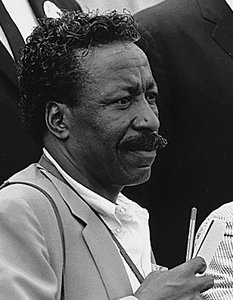
Gordon Parks
1912 - 2006 , Estados Unidos de América
Datos clave
- Artistas Influenciados: Futuros artistas afroamericanos
- Artistas Que Influyeron:
- Norman Alley
- Dorothea Lange
- Fecha De Fallecimiento: 7 de marzo de 2006
- Fecha De Nacimiento: 30 de noviembre de 1912
- Lugar De Nacimiento: Fort Scott, EE. UU.
- Movimiento Artístico: Foto periodismo, Realismo social
- Nacionalidad: Estadounidense
- Nombre Completo: Gordon Roger Alexander Buchanan Parks
- Obras Notables:
- Shaft (1971)
- The Learning Tree (1969)
- A Choice of Weapons (1985)
Artículos relacionados
Beyond the Lens: Photography's Enduring Influence on Modern & Contemporary Art
Explore photography's pivotal role in shaping modern & contemporary art. Discover key movements, influential artists like Stieglitz, and expert collecting advice from ArtsDot.
Witnessing History Through Lens & Light: Documentary Photography's Enduring Legacy
Explore the powerful history of documentary photography – from its origins to contemporary masters like Gordon Parks & W. Eugene Smith. Discover how this art form shapes our understanding of society and witness pivotal moments in time.
Testigos del Tiempo: La Fotografía Documental como Movimiento Artístico y Reflejo Histórico
Explora la historia y el impacto de la fotografía documental. Descubre a los fotógrafos pioneros que capturaron momentos clave y cambiaron nuestra percepción del mundo. Un análisis profundo y visualmente enriquecedor.
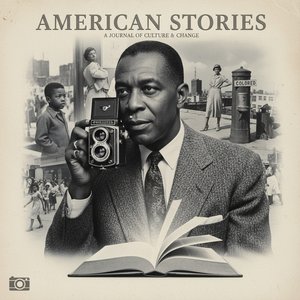
Gordon Parks: A Poetic Lens on American Life – Photography, Social Justice & Storytelling
Explore the profound work of Gordon Parks, a groundbreaking photographer who documented American life with unparalleled empathy and artistry. Discover his iconic images & lasting impact on social justice through Life magazine & beyond.

Monochrome Visions: Exploring the Aesthetic & Historical Significance of Black & White Photography
Explore the rich history & artistic power of black and white photography. From early techniques to iconic masters like Ansel Adams, discover why monochrome continues to captivate art lovers today. Expert insights for collectors.