 Ver en contexto
 Enviar
 Compartir
 Detalles

 Descargar
 Similares
 Radiografía
 Presentación de diapositivas
 Estadísticas
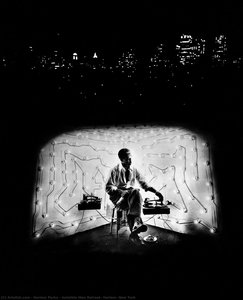
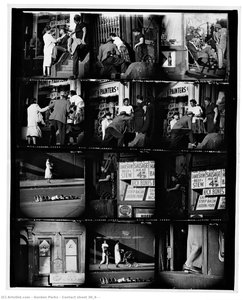
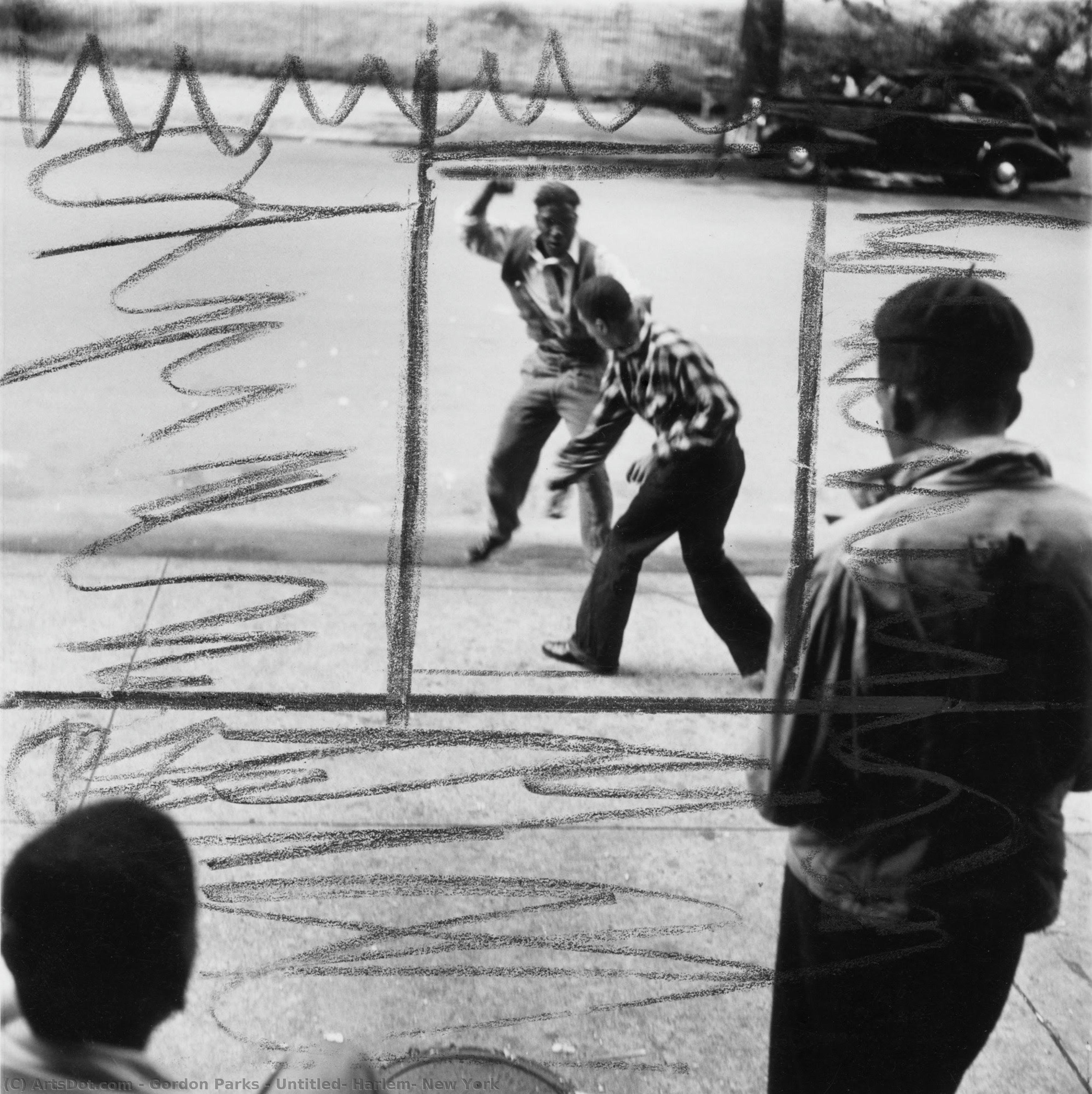
Untitled, Harlem, New York
 Acrylic On Canvas
- WallArt
- Documentary Street Photography
 1948
1948- 19th Century
 11.0 x 11.0 cm
 The Gordon Parks Foundation
 Ver más
Giclée / Impresión de arte
Impresiones giclée o en lienzo de calidad de museo con producción rápida y opciones de acabado flexibles. ( Comprar pintura hecha a mano Cambiar a imagen digital)




P118B $10

P118H $10

P118W $10

P438Z $10

P508JH $12

P508YH $12

P805H $10

P805Z $10

P919BZ $10

P919G $10

P919XJ $10

P959ZH $10

P968JZ $12

W106C $8

W218G $10

W218JH $8

W218Y $10

W307PJ $10

W316G $10

W316PJ $8

W316Y $10

W398PJ $8

W4111J $10

W500HY $15

W500JH $15

W692G $12

W849H $8

W940BG $15

W953PJ $8




Elija entre nuestros tamaños predefinidos que respetan las proporciones originales de la obra.

Puede introducir sus propias dimensiones para adaptarse a un marco o espacio específico. Si el tamaño seleccionado no coincide con las proporciones de la imagen original, recortaremos la obra de arte o extenderemos la imagen con un borde con efecto espejo o de color sólido. Se enviará una maqueta digital para su aprobación antes de que comience la producción.
Tenga en cuenta que la vista previa en pantalla no refleja el recorte o la extensión real. Solo la maqueta mostrará con precisión la composición final.
Aunque existen tamaños personalizados, recomendamos seleccionar una dimensión de la lista predefinida para preservar las proporciones originales.
Envío a todo el mundo () en 2 semanas en lugar de las 4/5 semanas estándar. (9 septiembre)

Envío exprés gratuito a todo el mundo

Lienzo de lino de alta calidad

Seguro de envío total

Garantía de reembolso de impuestos aduaneros

Garantía de fidelidad cromática exacta

Política de devolución de 100 días (solo por defectos)

Garantía de devolución del 100% del dinero

Descuento por cantidad
 La opción de vidrio solo está disponible en tamaños inferiores a 110 cm.

Untitled, Harlem, New York
Giclée / Impresión de arte
Dimensiones de la reproducción
-


Precio total final
$ 62
A Moment Frozen in Time: The Power of Observation
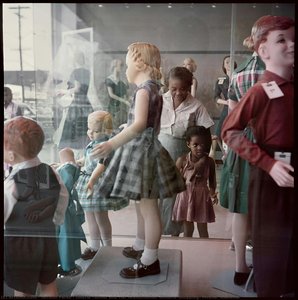
Gordon Parks' "Untitled, Harlem, New York," a black and white photograph from 1948, isn’t merely a snapshot of a baseball game; it’s a carefully constructed observation of urban life, imbued with layers of social commentary and a poignant sense of distance. The image captures three men engaged in an impromptu game on a Harlem street, framed by the unexpected presence of a window or doorway – a device that immediately draws the viewer into the scene as a silent observer, much like those peering through the frame. This framing technique is crucial to understanding the photograph’s deeper meaning; it subtly suggests a commentary on voyeurism and the relationship between the observed and the observer, inviting us to contemplate our own role in witnessing everyday moments.
Parks' masterful use of monochrome elevates the image beyond simple documentation. The absence of color forces us to focus entirely on tonal variations – the subtle gradations of grey that define light and shadow, revealing textures and forms with remarkable clarity. The rough surface of the street, the polished metal of passing cars, and even the fabric of the players’ clothing are rendered with a tactile quality, grounding the scene in a tangible reality. The chalk markings on the ground, seemingly casual additions, provide a delightful counterpoint to the more structured lines of the architecture, hinting at a vibrant, lived-in environment.
The Documentary Lens and the Harlem Narrative
Born in 1912 in Fort Scott, Kansas, Gordon Parks’ early life was profoundly shaped by segregation. This experience undoubtedly informed his artistic vision, leading him to become one of the first African Americans to work for both Life and Vogue magazines. “Untitled, Harlem, New York” is a prime example of his documentary style – a commitment to capturing authentic moments of everyday life without embellishment or judgment. The photograph offers a glimpse into the rhythms of Harlem in the 1940s, a period of significant social and cultural change for African Americans in America.
Parks’ work during this era often focused on portraying the realities faced by marginalized communities. While seemingly simple, the scene depicted here speaks volumes about resilience and community spirit. The casual game of baseball represents a brief respite from the challenges of urban life, a moment of shared joy and connection amidst the complexities of the city.
Composition, Perspective, and the Language of Light
The photograph’s composition is remarkably dynamic, driven by strong diagonal lines created by the framing device. These lines intersect with horizontal elements – the street, the cars, and even the chalk markings – creating a sense of movement and visual tension. The figures in front of the frame, looking into the scene, further emphasize this layered perspective, inviting us to consider our own position as viewers.
Parks’ use of light is equally deliberate. It's diffused and natural, suggesting an overcast day or indirect sunlight, lending a timeless quality to the image. The soft shadows create a sense of intimacy while highlighting the textures of the scene. The careful manipulation of light and shadow contributes significantly to the photograph’s emotional impact, evoking a feeling of nostalgia and prompting reflection on the passage of time.
A Legacy of Observation – Parks' Enduring Influence
"Untitled, Harlem, New York" stands as a testament to Gordon Parks’ extraordinary talent for capturing the essence of human experience. It is more than just a photograph; it’s a window into a specific moment in American history and a poignant meditation on observation, perspective, and the complexities of urban life. Parks' work continues to resonate today, reminding us of the power of photography to document, interpret, and ultimately, connect us to the stories of those around us. Reproductions of this iconic image offer a valuable opportunity to experience Parks’ vision firsthand, bringing a touch of Harlem’s vibrant spirit into any space.
Obras relacionadas

Biografía del artista
Primeros años y carrera
Gordon Roger Alexander Buchanan Parks, un fotógrafo, músico, escritor y director de cine estadounidense, nació el 30 de noviembre de 1912 en Fort Scott, Kansas. Fue el hijo menor de quince hermanos de Sarah (nacida Ross) y Jackson Parks. Los primeros años de Parks estuvieron marcados por la segregación, una realidad que experimentó en carne propia en su ciudad natal.Como artista autodidacta, Parks comenzó su trayectoria como fotógrafo, llegando a convertirse en el primer afroamericano en trabajar para las revistas Life y Vogue. Sus icónicas fotografías de estadounidenses pobres durante la década de 1940, tomadas para un proyecto del gobierno federal, son un testimonio elocuente de su habilidad y dedicación inquebrantable.
Obras y logros notables
- Shaft (1971), una película dirigida por Parks que se convirtió en un fenómeno cultural.
- The Learning Tree (1969), una película semi-autobiográfica que marcó el debut como director de Parks.
- A Choice of Weapons (1985), un memorando que exhibe la destreza narrativa de Parks.
- Los ensayos fotográficos para la revista Life, que cimentaron el estatus de Parks como un destacado fotoperiodista.
Museos y colecciones
- La colección Melvin Holmes, que alberga una extensa colección de obras de Parks. [https://www.holmesartgallery.com/gordonparks](https://www.holmesartgallery.com/gordonparks)
- MOMA (The Museum of Modern Art), que posee una impresionante colección de fotografías de Parks. [https://www.moma.org/artists/8083](https://www.moma.org/artists/8083)
Premios y legado
- Premio NAACP Image Award (2003)
- Premio PGA Oscar Micheaux (1993)
- Medalla Nacional de Artes (1988)
- Medalla Spingarn (1972)
El legado de Gordon Parks trasciende su impresionante obra, pues allanó el camino para futuras generaciones de artistas afroamericanos. Sus contribuciones al fotoperiodismo, el cine y la música continúan inspirando e influyendo en los artistas hasta el día de hoy.
Obras seleccionadas en ArtsDot.com
- Emerging Man (Impresión de gelatino plata), una fotografía poderosa que exhibe la maestría de Parks. [https://ArtsDot.com/d3xgfc-gordon-parks-emerging-man](https://ArtsDot.com/d3xgfc-gordon-parks-emerging-man)
- Retrato de la Sra. Lucy Johnson (Impresión de gelatino plata), un retrato conmovedor que resalta la capacidad narrativa de Parks. [https://ArtsDot.com/d4dblu-gordon-parks-portrait-of-mrs-lucy-johnson](https://ArtsDot.com/d4dblu-gordon-parks-portrait-of-mrs-lucy-johnson)
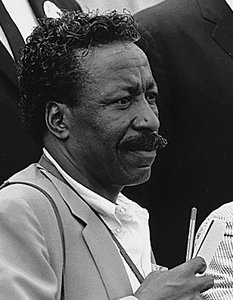
Gordon Parks
1912 - 2006 , Estados Unidos de América
Datos clave
- Artistas Influenciados: Futuros artistas afroamericanos
- Artistas Que Influyeron:
- Norman Alley
- Dorothea Lange
- Fecha De Fallecimiento: 7 de marzo de 2006
- Fecha De Nacimiento: 30 de noviembre de 1912
- Lugar De Nacimiento: Fort Scott, EE. UU.
- Movimiento Artístico: Foto periodismo, Realismo social
- Nacionalidad: Estadounidense
- Nombre Completo: Gordon Roger Alexander Buchanan Parks
- Obras Notables:
- Shaft (1971)
- The Learning Tree (1969)
- A Choice of Weapons (1985)
Artículos relacionados
Testigos del Tiempo: La Fotografía Documental como Movimiento Artístico y Reflejo Histórico
Explora la historia y el impacto de la fotografía documental. Descubre a los fotógrafos pioneros que capturaron momentos clave y cambiaron nuestra percepción del mundo. Un análisis profundo y visualmente enriquecedor.
Gordon Parks: A Poetic Lens on American Life – Photography, Social Justice & Storytelling
Explore the profound work of Gordon Parks, a groundbreaking photographer who documented American life with unparalleled empathy and artistry. Discover his iconic images & lasting impact on social justice through Life magazine & beyond.
Beyond the Lens: Photography's Enduring Influence on Modern & Contemporary Art
Explore photography's pivotal role in shaping modern & contemporary art. Discover key movements, influential artists like Stieglitz, and expert collecting advice from ArtsDot.

Monochrome Visions: Exploring the Aesthetic & Historical Significance of Black & White Photography
Explore the rich history & artistic power of black and white photography. From early techniques to iconic masters like Ansel Adams, discover why monochrome continues to captivate art lovers today. Expert insights for collectors.
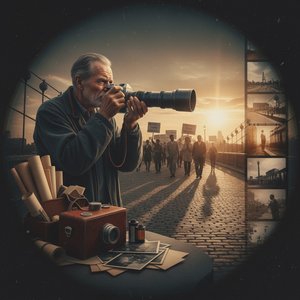
Witnessing History Through Lens & Light: Documentary Photography's Enduring Legacy
Explore the powerful history of documentary photography – from its origins to contemporary masters like Gordon Parks & W. Eugene Smith. Discover how this art form shapes our understanding of society and witness pivotal moments in time.