 Enviar
 Compartir
 Detalles

 Descargar
 Similares
 Presentación de diapositivas
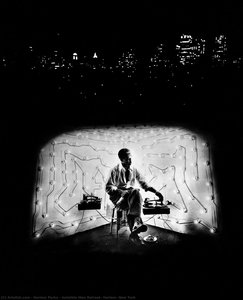
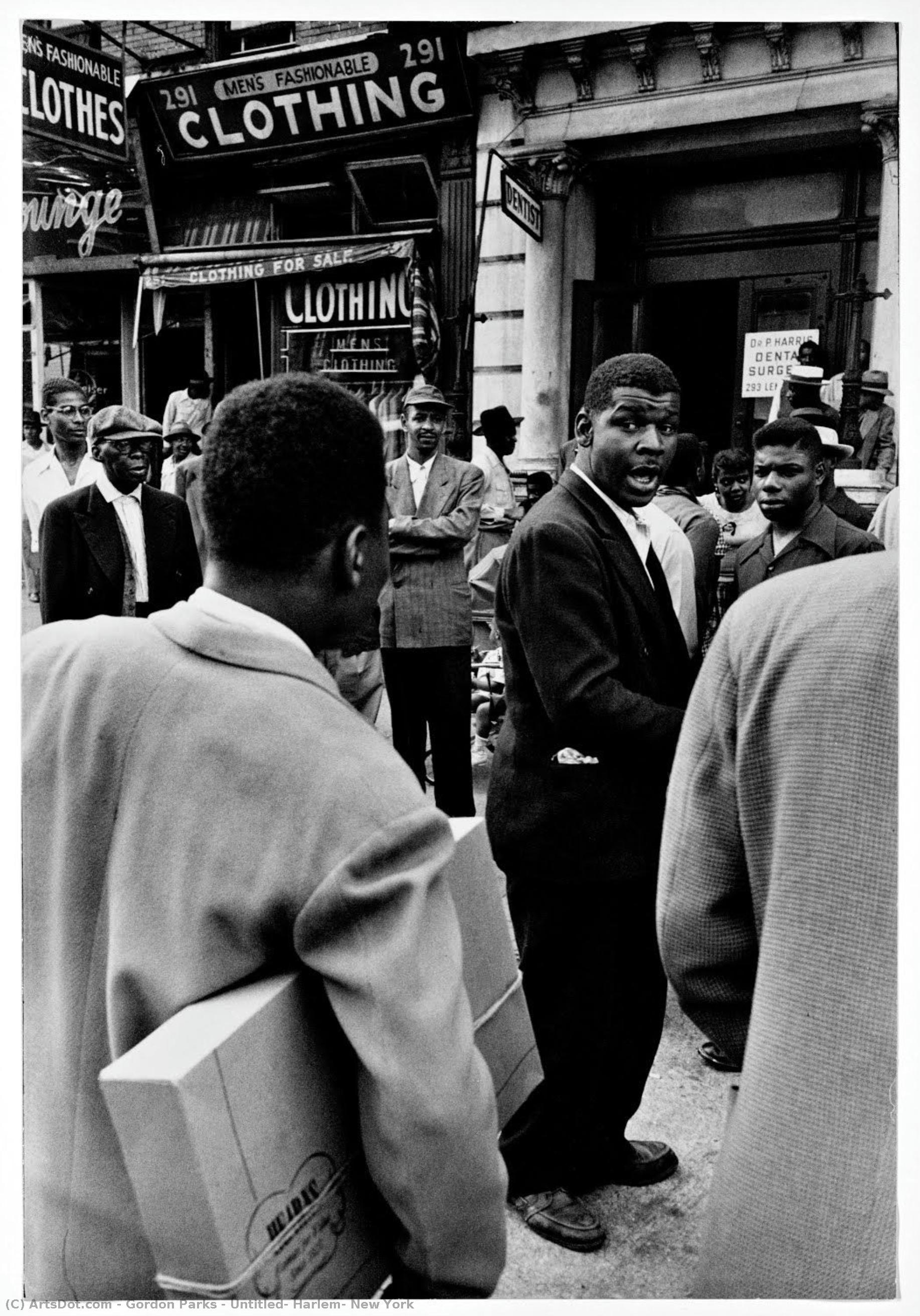
Untitled, Harlem, New York


 Ver más
Giclée / Impresión de arte
Impresiones giclée o en lienzo de calidad de museo con producción rápida y opciones de acabado flexibles. ( Comprar pintura hecha a mano Comprar imagen)




































Elija entre nuestros tamaños predefinidos que respetan las proporciones originales de la obra.

Puede introducir sus propias dimensiones para adaptarse a un marco o espacio específico. Si el tamaño seleccionado no coincide con las proporciones de la imagen original, recortaremos la obra de arte o extenderemos la imagen con un borde con efecto espejo o de color sólido. Se enviará una maqueta digital para su aprobación antes de que comience la producción.
Tenga en cuenta que la vista previa en pantalla no refleja el recorte o la extensión real. Solo la maqueta mostrará con precisión la composición final.
Aunque existen tamaños personalizados, recomendamos seleccionar una dimensión de la lista predefinida para preservar las proporciones originales.
Envío a todo el mundo () en 2 semanas en lugar de las 4/5 semanas estándar. (6 septiembre)

Envío exprés gratuito a todo el mundo

Lienzo de lino de alta calidad

Seguro de envío total

Garantía de reembolso de impuestos aduaneros

Garantía de fidelidad cromática exacta

Política de devolución de 100 días (solo por defectos)

Garantía de devolución del 100% del dinero

Descuento por cantidad
 La opción de vidrio solo está disponible en tamaños inferiores a 110 cm.

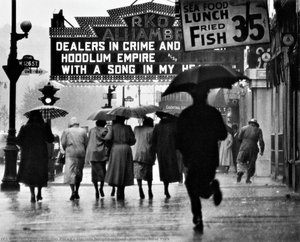
Untitled, Harlem, New York
Giclée / Impresión de arte
Dimensiones de la reproducción
-


Precio total final
$ 62
A Moment Frozen in Harlem’s Soul
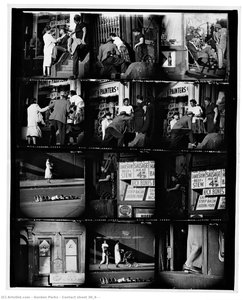
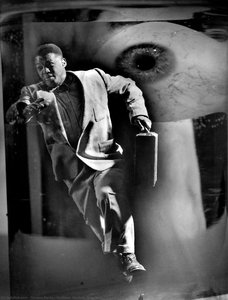
Gordon Parks' "Untitled, Harlem, New York" – a photograph captured in 1952 – isn’t merely a snapshot of an urban street scene; it’s a profound distillation of the era’s complexities and a testament to Parks’ extraordinary ability to capture human emotion through the lens. The image immediately draws you into a bustling corner of Harlem, radiating with the energy of everyday life in post-war America. It's a world rendered in stark black and white, a deliberate choice that amplifies the scene’s inherent drama and forces us to confront its subjects with unflinching honesty.
At the heart of the composition stands a man, animatedly speaking into a hat he holds aloft – his face turned towards an unseen listener. This figure, though unnamed, embodies a potent symbol of communication, perhaps even confrontation. He’s not posed; he's caught in a moment of impassioned dialogue, radiating a sense of urgency and engagement that pulls the viewer directly into the scene. Beside him, a man carrying boxes adds layers to the composition, creating a dynamic interplay of figures and forms – a visual representation of the city’s relentless activity and the struggles of its inhabitants. The background is filled with the architecture of Harlem, hinting at the neighborhood's rich history and vibrant community.
Crafting Reality: Technique and Style
Parks’ masterful use of photographic technique elevates this image beyond a simple record of a street scene. The deliberate monochrome palette – ranging from deep blacks to bright whites – isn’t simply an aesthetic choice; it's a strategic tool for emphasizing form, texture, and emotion. The strong vertical lines of the buildings and signage create a sense of stability and order, contrasting sharply with the diagonal movements of the figures and boxes, conveying a feeling of dynamic energy. The lighting is dramatic, utilizing stark contrasts to sculpt the forms and highlight key elements within the frame. It’s a straightforward technique – likely employing a single exposure – but executed with remarkable precision and an intuitive understanding of how light shapes perception.
The photograph firmly resides within the realm of documentary photography, mirroring Parks' commitment to truthfully representing the lives of ordinary people. There’s no manipulation or embellishment; instead, we are presented with an unvarnished glimpse into a specific moment in time. This approach aligns perfectly with Parks’ broader mission: to shed light on marginalized communities and challenge prevailing societal narratives.
A Window into the 1950s – Context and Symbolism
To fully appreciate “Untitled, Harlem, New York,” it's crucial to understand its historical context. Created in 1952, this photograph captures a Harlem undergoing significant transformation. The post-war era brought economic opportunities but also persistent racial segregation and social inequalities. Parks’ work during this period served as a vital counterpoint to the often-sanitized portrayals of African Americans prevalent in mainstream media. His images offered a raw and honest depiction of daily life, revealing both the resilience and the challenges faced by Harlem residents.
The man holding the hat is particularly symbolic. He could represent a voice demanding to be heard, a plea for recognition within a system that often overlooked or marginalized Black voices. The act of speaking into the hat suggests a desire to connect, to share experiences, and perhaps even to challenge the status quo. The boxes he carries might symbolize burdens – economic hardship, social constraints – yet also represent potential and opportunity.
Emotional Resonance and Lasting Impact
"Untitled, Harlem, New York" is more than just a photograph; it’s an emotional experience. The image evokes a sense of immediacy and authenticity, drawing the viewer into the scene with remarkable force. The man's animated expression, combined with the dynamic composition and stark monochrome palette, creates a feeling of urgency and intrigue. It invites us to contemplate the complexities of urban life, the struggles faced by marginalized communities, and the enduring power of human connection.
Gordon Parks’ work continues to resonate today, reminding us of the importance of visual storytelling in shaping our understanding of the world. Reproductions of this powerful image offer a valuable opportunity to engage with a pivotal moment in American history and appreciate the visionary talent of one of its most important chroniclers.
Obras relacionadas

Biografía del artista
Primeros años y carrera
Gordon Roger Alexander Buchanan Parks, un fotógrafo, músico, escritor y director de cine estadounidense, nació el 30 de noviembre de 1912 en Fort Scott, Kansas. Fue el hijo menor de quince hermanos de Sarah (nacida Ross) y Jackson Parks. Los primeros años de Parks estuvieron marcados por la segregación, una realidad que experimentó en carne propia en su ciudad natal.Como artista autodidacta, Parks comenzó su trayectoria como fotógrafo, llegando a convertirse en el primer afroamericano en trabajar para las revistas Life y Vogue. Sus icónicas fotografías de estadounidenses pobres durante la década de 1940, tomadas para un proyecto del gobierno federal, son un testimonio elocuente de su habilidad y dedicación inquebrantable.
Obras y logros notables
- Shaft (1971), una película dirigida por Parks que se convirtió en un fenómeno cultural.
- The Learning Tree (1969), una película semi-autobiográfica que marcó el debut como director de Parks.
- A Choice of Weapons (1985), un memorando que exhibe la destreza narrativa de Parks.
- Los ensayos fotográficos para la revista Life, que cimentaron el estatus de Parks como un destacado fotoperiodista.
Museos y colecciones
- La colección Melvin Holmes, que alberga una extensa colección de obras de Parks. [https://www.holmesartgallery.com/gordonparks](https://www.holmesartgallery.com/gordonparks)
- MOMA (The Museum of Modern Art), que posee una impresionante colección de fotografías de Parks. [https://www.moma.org/artists/8083](https://www.moma.org/artists/8083)
Premios y legado
- Premio NAACP Image Award (2003)
- Premio PGA Oscar Micheaux (1993)
- Medalla Nacional de Artes (1988)
- Medalla Spingarn (1972)
El legado de Gordon Parks trasciende su impresionante obra, pues allanó el camino para futuras generaciones de artistas afroamericanos. Sus contribuciones al fotoperiodismo, el cine y la música continúan inspirando e influyendo en los artistas hasta el día de hoy.
Obras seleccionadas en ArtsDot.com
- Emerging Man (Impresión de gelatino plata), una fotografía poderosa que exhibe la maestría de Parks. [https://ArtsDot.com/d3xgfc-gordon-parks-emerging-man](https://ArtsDot.com/d3xgfc-gordon-parks-emerging-man)
- Retrato de la Sra. Lucy Johnson (Impresión de gelatino plata), un retrato conmovedor que resalta la capacidad narrativa de Parks. [https://ArtsDot.com/d4dblu-gordon-parks-portrait-of-mrs-lucy-johnson](https://ArtsDot.com/d4dblu-gordon-parks-portrait-of-mrs-lucy-johnson)
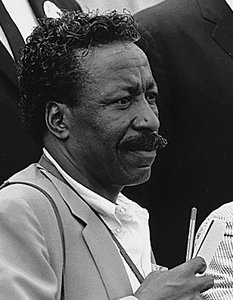
Gordon Parks
1912 - 2006 , Estados Unidos de América
Datos clave
- Artistas Influenciados: Futuros artistas afroamericanos
- Artistas Que Influyeron:
- Norman Alley
- Dorothea Lange
- Fecha De Fallecimiento: 7 de marzo de 2006
- Fecha De Nacimiento: 30 de noviembre de 1912
- Lugar De Nacimiento: Fort Scott, EE. UU.
- Movimiento Artístico: Foto periodismo, Realismo social
- Nacionalidad: Estadounidense
- Nombre Completo: Gordon Roger Alexander Buchanan Parks
- Obras Notables:
- Shaft (1971)
- The Learning Tree (1969)
- A Choice of Weapons (1985)
Artículos relacionados

Monochrome Visions: Exploring the Aesthetic & Historical Significance of Black & White Photography
Explore the rich history & artistic power of black and white photography. From early techniques to iconic masters like Ansel Adams, discover why monochrome continues to captivate art lovers today. Expert insights for collectors.
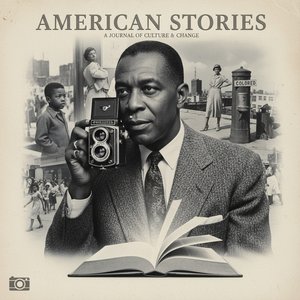
Gordon Parks: A Poetic Lens on American Life – Photography, Social Justice & Storytelling
Explore the profound work of Gordon Parks, a groundbreaking photographer who documented American life with unparalleled empathy and artistry. Discover his iconic images & lasting impact on social justice through Life magazine & beyond.

Blanco Sublime: Los 10 Cuadros Más Famosos Dominados por la Luz y el Color
Descubre los 10 cuadros blancos más emblemáticos de la historia del arte. Explora Monet, Van Gogh y Klimt, y su magistral uso de la luz y el color. Encuentra reproducciones de alta calidad e inspírate para tu decoración en .
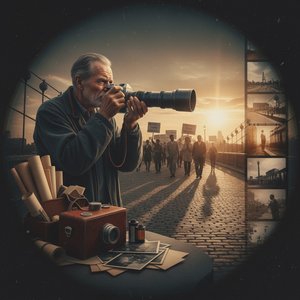
Witnessing History Through Lens & Light: Documentary Photography's Enduring Legacy
Explore the powerful history of documentary photography – from its origins to contemporary masters like Gordon Parks & W. Eugene Smith. Discover how this art form shapes our understanding of society and witness pivotal moments in time.

Timeless & Chic: Elevating Your New Home with the Sophistication of Black and White Photography
Transform your new home with the timeless allure of black and white photography. ArtsDot.com specializes in elegant monochrome decor and custom hand-painted wedding portraits that turn cherished milestones into lasting, soulful masterpieces. Elevate your space with ease.