

 Ver en contexto
 Enviar
 Compartir
 Detalles

 Descargar
 Similares
 Radiografía
 Presentación de diapositivas
 Estadísticas
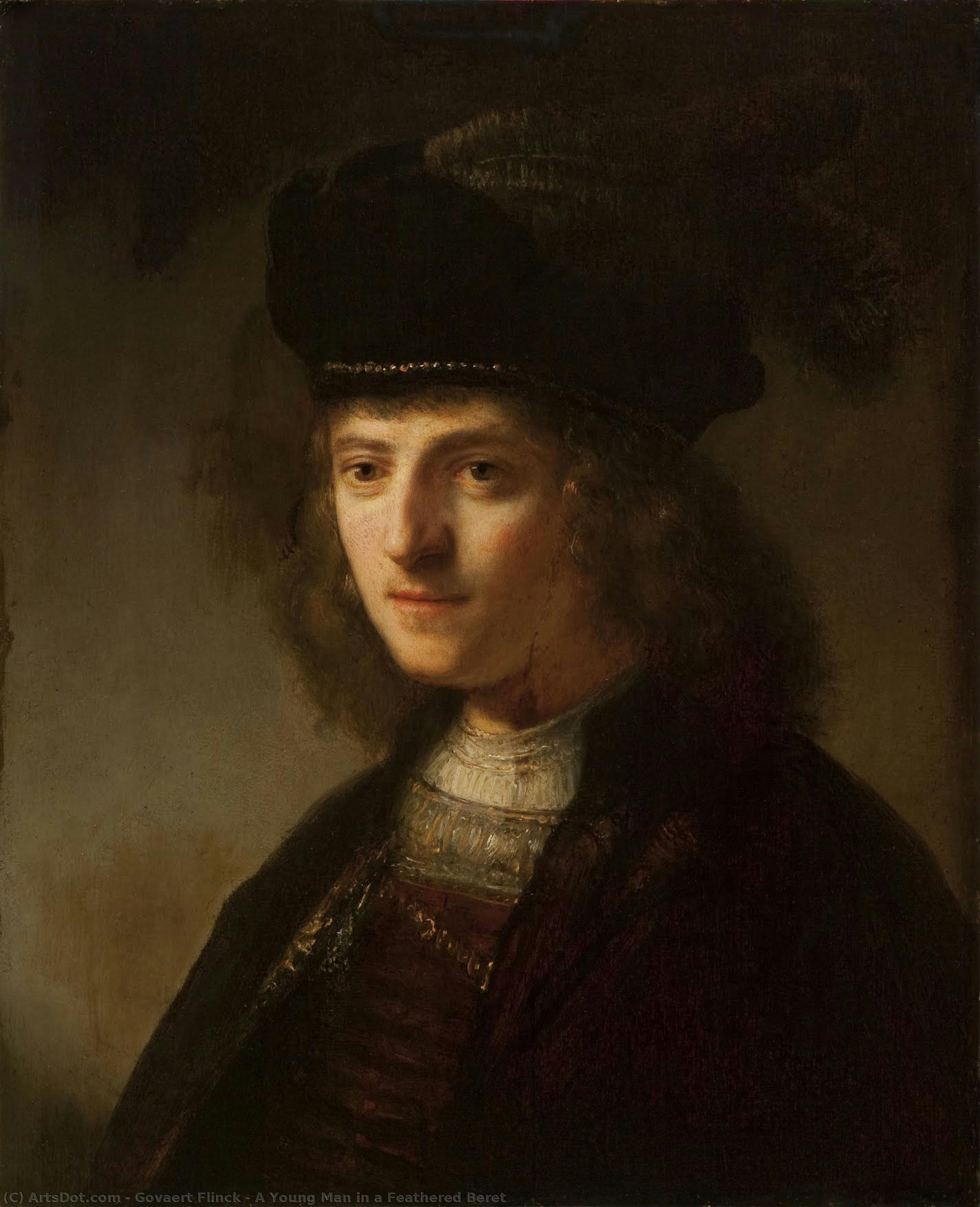
A Young Man in a Feathered Beret
 1636
1636 58.0 x 47.0 cm
 Taft Museum of Art
 Ver más
Reproducción al óleo hecha a mano
Óleo sobre lienzo pintado a mano en el tamaño y marco de su elección, realizado por encargo por nuestros artistas. ( Cambiar a Impresión Cambiar a imagen digital)




































Elija entre nuestros tamaños predefinidos que respetan las proporciones originales de la obra.

Puede ingresar sus propias dimensiones para adaptarse a un marco o espacio específico. Si el tamaño seleccionado no coincide con las proporciones de la imagen original, recortaremos la obra o extenderemos la pintura con elementos adicionales pintados a mano. Se le enviará una maqueta digital para su aprobación antes de comenzar la producción.
Tenga en cuenta que la vista previa en pantalla no refleja el recorte o la extensión reales. Solo la maqueta mostrará con precisión la composición final.
Si bien existen tamaños personalizados, recomendamos seleccionar una dimensión de la lista predefinida para preservar las proporciones originales.
Tras realizar el pedido, el equipo de ArtsDot.com enviará un correo electrónico al cliente para solicitar instrucciones y proporcionarle una vista previa del boceto.
Envío a todo el mundo () en 3-4 semanas en lugar de las 5 semanas estándar. (8 septiembre). Sin comprometer la calidad.

Envío exprés gratuito a todo el mundo

Lienzo de lino de alta calidad

Seguro de envío total

Garantía de reembolso de impuestos aduaneros

Garantía de fidelidad cromática exacta

Política de devolución de 100 días (solo por defectos)

Garantía de devolución del 100% del dinero

Descuento por cantidad
 La opción de vidrio solo está disponible en tamaños inferiores a 110 cm.

A Young Man in a Feathered Beret
Técnica de reproducción
Dimensiones de la reproducción
-


Precio total final
$ 263
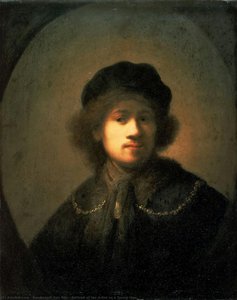
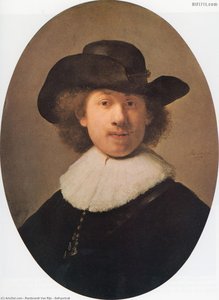
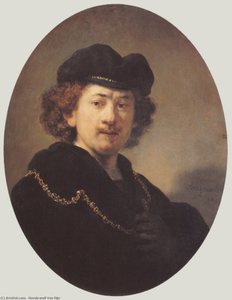
Obras relacionadas
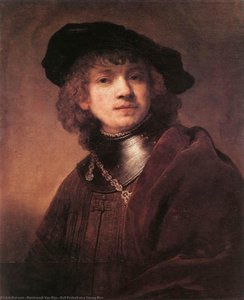

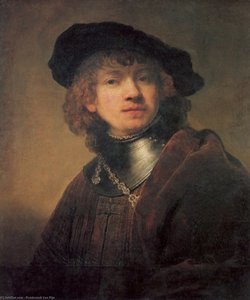

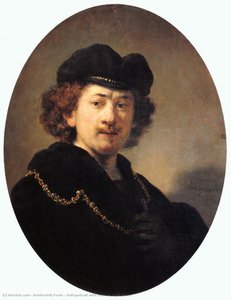

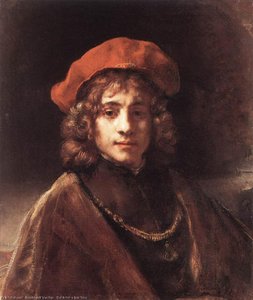
Biografía del artista
Early Life and Training
Govaert Flinck (1615-1660) was a Dutch Golden Age painter, renowned for his masterful depictions of portraits, genre scenes, and monumental historical canvases—a true disciple of Rembrandt van Rijn. Born in Kleve, Brandenburg Germany on January 25th, 1615, Flinck’s father, a silk mercer, initially apprenticed him to the same trade, recognizing early on his son's innate talent for artistic expression. However, Govaert swiftly abandoned the practical craft of weaving in favor of a passion ignited by etching and drawing—a passion that would ultimately lead him to Lambert Jacobszon, a prominent mennonite painter residing in Leeuwarden. Jacobszon’s studio became Flinck's formative environment, where he honed his skills alongside Joachim von Sandrart, fostering connections with influential figures of the era, including Rembrandt’s family—specifically Saskia van Uylenburgh, Rembrandt’s wife. This early exposure to Rembrandt’s artistic vision profoundly shaped Flinck’s style and approach.Artistic Development and Influences
Flinck's artistic trajectory was undeniably guided by the pervasive influence of Rembrandt’s oeuvre. Like Rembrandt himself, he embraced a technique characterized by intense luminosity—a “Rembrandt effect”—that captured the warmth and vitality of human subjects with remarkable accuracy. This stylistic kinship extended beyond mere imitation; Flinck absorbed Rembrandt’s compositional strategies and psychological depth, incorporating them into his own artistic endeavors. Notably, his 1636 portrait in the Gallery of Brunswick exemplifies this characteristic fervor, demonstrating a meticulous attention to detail and conveying an emotional resonance that aligns perfectly with Rembrandt's expressive style. The mentorship of Jacobszon further broadened Flinck’s artistic horizons, introducing him to innovative approaches to painting—particularly Rubensian grandeur—which would later inform his own ambitious projects.Notable Works and Commissions
Flinck quickly established himself as a prolific artist, securing commissions for portraits and historical paintings that cemented his reputation as one of the era's foremost talents. His 1638 depiction of Isaac Blessing Jacob, housed in the Rijksmuseum Amsterdam, stands as an exemplary demonstration of Rembrandt’s influence—a painting imbued with dramatic lighting and palpable emotion. Simultaneously, he undertook monumental undertakings such as “The Four Civic Guards” (1642) and “The Twelve Musketeers with Their President in an Armchair” (1648), commissioned for the Amsterdam City Hall, showcasing his ability to orchestrate complex group compositions while maintaining a captivating visual narrative. Perhaps Flinck’s crowning achievement was “The Peace of Münster” (1648), a colossal canvas featuring nineteen life-sized figures—a testament to his technical prowess and artistic vision during this pivotal period in Dutch history. The painting's masterful depiction of human emotion and its dynamic arrangement captivated audiences and solidified Flinck’s place among the most celebrated artists of his time.Legacy and Later Life
Govaert Flinck continued to produce artwork throughout his life, demonstrating unwavering dedication to his craft until his untimely death on February 2nd, 1660, in Amsterdam. His artistic legacy extends beyond his impressive body of work—including “The Expulsion of Hagar” now residing in the Berlin Museum—to encompass a profound contribution to the Dutch Baroque tradition. Flinck’s influence can be discerned in subsequent generations of painters who admired his stylistic brilliance and embraced his expressive technique. He remained a respected figure within Amsterdam's artistic community, fostering friendships with prominent intellectuals like Vondel and maintaining connections with influential patrons such as Juan Mauricio de Nassau—a testament to the enduring esteem accorded to his artistic accomplishments. His home was adorned with antique molds, textiles, and an exceptional collection of engravings—reflecting not only his personal tastes but also the intellectual climate of his era.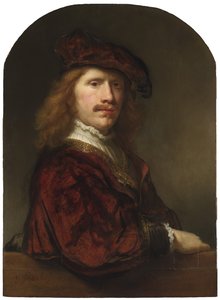
Govaert Flinck
1615 - 1660 , Alemania
Datos clave
- Artistic Movement Or Style: Edad Dorada Holandesa, Barroco
- Artists Or Movements Influenced By This Artist: ['Pedro Pablo Rubens']
- Artists Who Influenced This Artist: ['Rembrandt van Rijn']
- Date Of Birth: 25 enero 1615
- Full Name: Govaert Teuniszoon Flinck
- Nationality: Holandés
- Notable Artworks:
- Isaac Bendiciendo a Jacob
- Los Cuatro Guardias Civiles
- Los Doce Mosqueteros
- Place Of Birth: Cleveris, Alemania