

 Ver en contexto
 Enviar
 Compartir
 Detalles

 Descargar
 Similares
 Radiografía
 Presentación de diapositivas
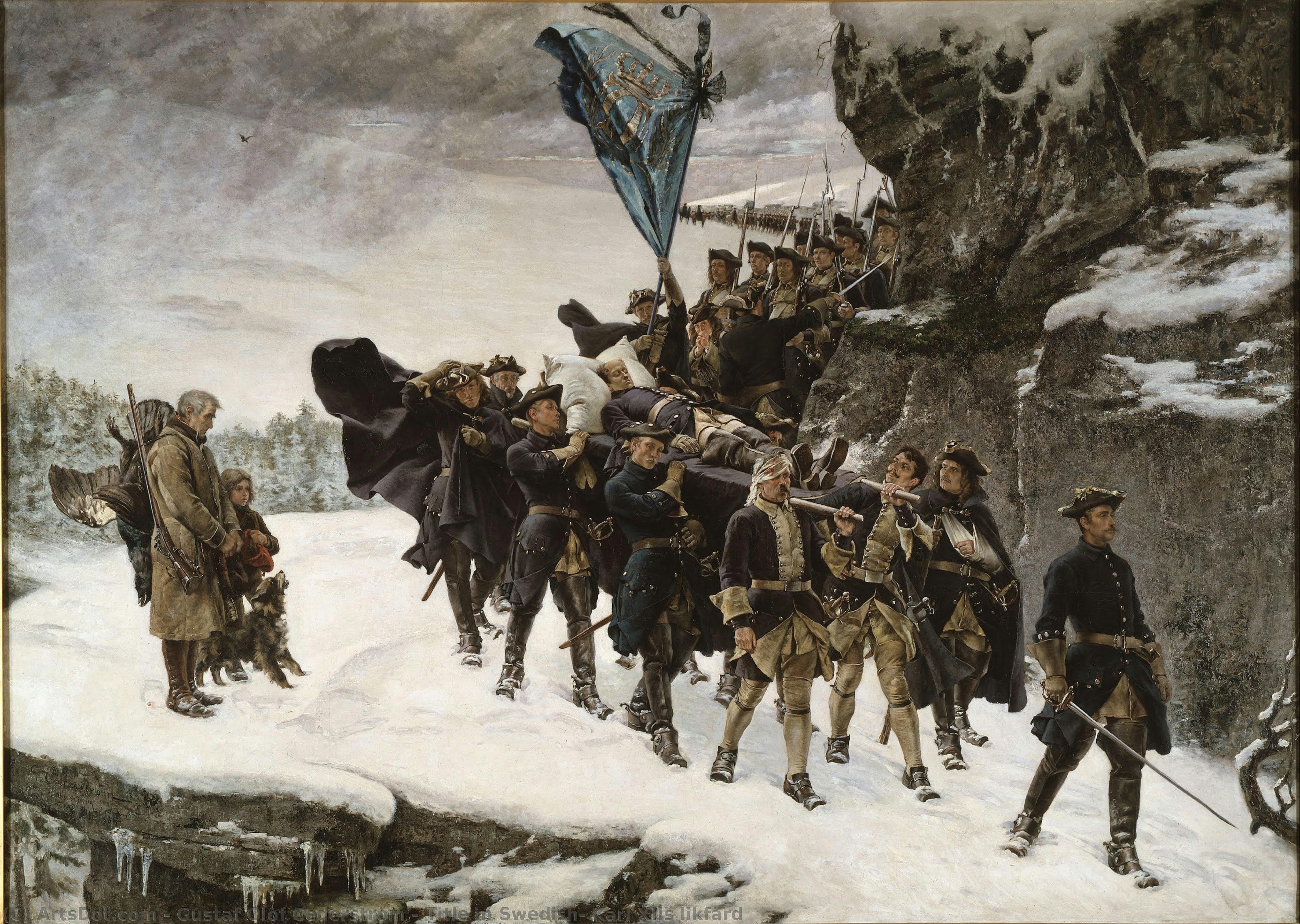
Title in Swedish: Karl XIIs likfärd
 Oil On Canvas
- WallArt
- Historical Painting
 1884
1884- 19th Century
 3710.0 x 2650.0 cm
 Nationalmuseum
 Ver más
Adquiera una imagen digital de alta resolución y optimizada, muy superior a la vista previa en línea.
Cada archivo es preparado meticulosamente por nuestros especialistas internos mediante el uso de herramientas avanzadas y un experto retoque manual. Nos aseguramos de que cada imagen posea una claridad excepcional, una precisión cromática impecable y un detalle minucioso.
El archivo final se entrega por correo electrónico en un plazo de 72 horas, optimizado para su uso inmediato en entornos profesionales, editoriales y de impresión. Esta es la misma calidad en la que confían los estudios de diseño, las editoriales y las galerías de primer nivel.
Imagen Digital
Descarga un archivo de alta resolución para exhibición personal, impresión y proyectos creativos. ( Comprar impresión Comprar pintura hecha a mano)
Incluido en cada pedido de imágenes digitales
Entrega digital experta, garantizada.
Al elegir ArtsDot.com, no solo está adquiriendo una imagen; está recibiendo una obra de arte digital mejorada profesionalmente, elaborada con precisión y respaldada por una garantía de satisfacción. Esto es todo lo que incluye su pedido, automáticamente:

Entrega rápida por email
Recibirá su archivo de imagen digital en alta resolución por correo electrónico en un plazo de 72 horas tras realizar su pedido, listo para su uso inmediato.

Archivo digital optimizado por IA
Su obra de arte se optimiza profesionalmente mediante herramientas avanzadas de IA y edición manual, garantizando el máximo detalle, claridad y precisión cromática.

Reenvío gratuito de por vida
¿Has borrado o perdido tu archivo por error? No te preocupes: te lo volveremos a enviar en cualquier momento, sin coste adicional.

Sin gastos de importación, siempre
Disfrute de su obra de arte al instante sin aduanas, aranceles ni gastos de envío; las descargas digitales siempre están libres de impuestos.

Garantía de fidelidad de color
Garantizamos que su imagen digital refleje los colores originales con la mayor fidelidad posible, mediante el uso de herramientas profesionales y gestión del color.

Garantía de satisfacción de 60 días
Si no está satisfecho con su imagen digital, la revisaremos o le reembolsaremos el 100% en un plazo de 60 días, sin preguntas.

100% Garantía de devolución de dinero
¿No está satisfecho? Obtenga un reembolso completo dentro de los 60 días posteriores a la recepción de su archivo digital, sin necesidad de explicaciones.

Descuentos por pedidos grandes
Compra 3 imágenes, ahorra 10% - Compra 5, ahorra 15% - Compra 10+, ahorra 20%. Ideal para proyectos creativos, galerías y agencias.
Descripción del coleccionable
A Somber Procession Through Time
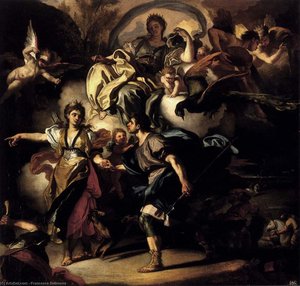
In the sweeping, dramatic canvas of Gustaf Olof Cederström, we are not merely observers of a historical event, but witnesses to a nation's grief. Karl XIIs likfärd (The Funeral Transport of King Charles XII) serves as a profound window into the Swedish soul, capturing the heavy, atmospheric moment when the legendary monarch is brought home. The painting transcends simple documentation; it is an immersive journey into the late 19th-century romantic fascination with heroism and tragedy. As the eye wanders across the rugged, rocky hillside, one feels the weight of the soldiers' footsteps and the biting chill of the landscape. Cederström masterfully orchestrates a scene where the silence of death meets the disciplined movement of an army, creating a tension that is both haunting and deeply reverent.
The composition is a triumph of narrative depth, populated by at least fourteen figures whose varied uniforms tell a story of different ranks and units brought together by a singular, mournful purpose. Some soldiers stand vigilant with muskets, their silhouettes etched against the terrain, while others appear weary from the journey, their backpacks laden with the remnants of campaign life. The inclusion of a solitary dog and a sturdy horse adds a layer of poignant realism, suggesting that even in the midst of royal mourning, the rhythms of life and the companionship of animals persist. This meticulous attention to detail—from the texture of the gear to the ruggedness of the earth—invites collectors and enthusiasts to lose themselves in the sheer scale of this historical reconstruction.
Mastery of Light and Historical Grandeur
Technically, Cederström employs a style that bridges the gap between rigorous academic realism and the emotional intensity of Romanticism. His brushwork is incredibly detailed, capturing the interplay of light across the metallic surfaces of weapons and the coarse fabrics of military tunics. This precision serves to ground the imaginative elements of the painting in a palpable reality, making the historical event feel immediate and visceral. For the interior designer or art lover, this piece offers an unparalleled sense of gravitas. The muted, earthy palette of the landscape provides a sophisticated backdrop that allows the dramatic figures to command attention without overwhelming a curated space.
Beyond its visual splendor, the painting functions as a symbolic meditation on legacy and loss. The "funeral transport" is more than a movement of a body; it is the movement of an era. Cederström, whose own life was deeply intertwined with Swedish history, imbues the scene with a sense of duty and national identity. To possess a reproduction of this work is to hold a piece of cultural memory—a fragment of a time when art sought to immortalize the very essence of a people's triumphs and tribulations. It is an ideal centerpiece for those seeking to infuse their surroundings with a sense of timelessness, strength, and profound historical narrative.
Obras relacionadas


Biografía del artista
Gustaf Olof Cederström (1845 - 1933): A Life Etched in History
Gustaf Olof Cederström, born in Stockholm on April 12th, 1845, stands as a cornerstone of Swedish artistic history—specifically recognized for his masterful depictions of pivotal moments in the nation’s past. His oeuvre wasn't merely an imitation of bygone eras; it was a profound engagement with Swedish heritage, imbued with dramatic composition and a meticulous attention to detail that cemented his place among Sweden’s most celebrated painters. The duality inherent in Cederström’s upbringing profoundly shaped his artistic trajectory—his father, Carl Emanuel Cederström, a naval officer embodying discipline and duty, instilled in him a respect for order and precision, while his mother, Theresine af Ugglas, nurtured within him an innate appreciation for beauty and artistic expression. This formative influence fostered a lifelong fascination with history, sparked by the discovery of an ancestor’s involvement in the Skirmish at Bender—a confrontation that ignited a passion for documenting significant events and conveying their emotional impact.Early Influences and Military Beginnings
Before dedicating himself entirely to painting, Cederström pursued a military career, joining the infantry regiment stationed in Värmland in 1864 as an * underlöjtnant*. This experience honed his observational skills and instilled in him a disciplined approach—qualities that would later translate into his artistic endeavors. Simultaneously, he diligently studied at the Royal Swedish Academy of Fine Arts, recognizing that true creative fulfillment lay beyond the confines of military service. It was here that he absorbed the stylistic precepts of Düsseldorf’s academic tradition under Ferdinand Fagerlin and honed his technique through rigorous training. This formative period cultivated a sensitivity to light, color, and form—elements that would become hallmarks of his distinctive artistic style.Parisian Artistic Transformation
A decisive turning point arrived in 1870 when Cederström relinquished his commission and embraced painting with unwavering commitment. He traveled abroad, initially immersing himself in Düsseldorf’s artistic milieu before relocating to Paris where he studied under Léon Bonnat—a pivotal encounter that solidified his connection to the French academic tradition. In Paris, Cederström flourished, absorbing influences from masters like Ingres and Bouguereau while simultaneously developing a uniquely Swedish perspective on historical subjects. He established himself as a respected artist within the city’s vibrant cultural landscape and married Amalia Katarina Jaeder in 1878, beginning a family life that would include his daughter Carola—who herself would become a painter, continuing Cederström's artistic legacy.The Triumph of Karl XII: A National Icon
Cederström’s artistic reputation ascended dramatically with the creation of *Karl XII:s likfärd* (The Funeral Transport of Charles XII)—a monumental painting completed in 1878 and subsequently purchased by Grand Duke Konstantin of Russia. This work, depicting the solemn procession carrying King Karl XII's body back to Stockholm after his defeat at Poltava—a defining moment in Swedish history—became an instant sensation. The painting’s masterful composition, dramatic lighting, and palpable sense of grief captivated audiences and garnered Cederström a medal from the Exposition Universelle. It remains on display at Göteborgs konstmuseum as a testament to his artistic skill and enduring contribution to Swedish art.A Legacy Beyond Painting: Academia and Artistic Direction
Recognizing his profound influence on aspiring artists, Cederström was elected a member of the Royal Academy in 1894—a prestigious honor reflecting his stature within the Swedish artistic community. He subsequently served as Director of the Academy from 1899 to 1911, shaping the curriculum and fostering a tradition of excellence that continues to inspire artists today. Despite encountering challenges regarding subject matter during a collaborative project with Carl Larsson for murals in the Nationalmuseum—a disagreement stemming from differing artistic visions—Cederström persevered in his dedication to art, producing evocative scenes for the Royal Dramatic Theatre and furthering his exploration of historical narratives. His autobiography, *En gammal konstnärs minnen* (An Old Artist's Memories), published in 1926, offered invaluable insights into his artistic philosophy and the historical context that fueled his creative endeavors. Gustaf Olof Cederström passed away peacefully on August 20th, 1933, leaving behind a remarkable body of work—a legacy that secures his enduring place as one of Sweden’s most significant artists.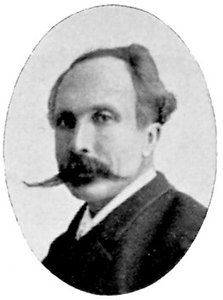
Gustaf Olof Cederström
1845 - 1933 , Suecia
Breves datos
- Artistic Movement Or Style: Academic art
- Artists Who Influenced This Artist:
- Ferdinand Fagerlin
- Léon Bonnat
- Date Of Birth: 1845 Stockholm
- Date Of Death: 1933 Stockholm
- Full Name: Gustaf Olof Cederström
- Nationality: Swedish
- Notable Artworks: ['Karl XII:s likfärd']
- Place Of Birth: Stockholm Sweden

