 Ver en contexto
 Enviar
 Compartir
 Detalles

 Descargar
 Similares
 Radiografía
 Presentación de diapositivas
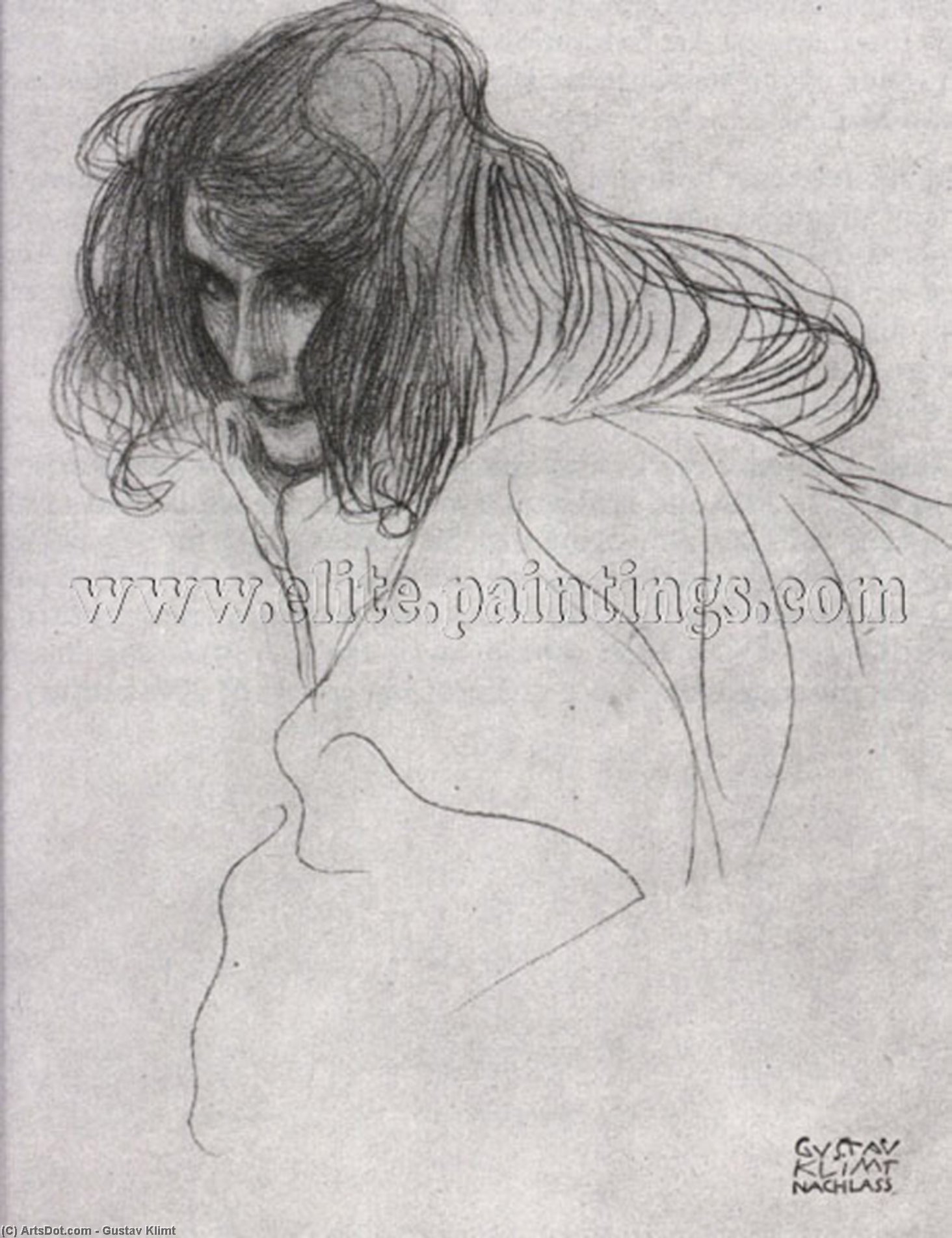
Estudio para 'Lewdness' desde el Frieze de Beethoven


 Ver más
Reproducción al óleo hecha a mano
Óleo sobre lienzo pintado a mano en el tamaño y marco de su elección, realizado por encargo por nuestros artistas. ( Comprar impresión Comprar imagen)




P118B $10

P118H $10

P118W $10

P438Z $10

P508JH $12

P508YH $12

P805H $10

P805Z $10

P919BZ $10

P919G $10

P919XJ $10

P959ZH $10

P968JZ $12

W106C $8

W218G $10

W218JH $8

W218Y $10

W307PJ $10

W316G $10

W316PJ $8

W316Y $10

W398PJ $8

W4111J $10

W500HY $15

W500JH $15

W692G $12

W849H $8

W940BG $15

W953PJ $8




Elija entre nuestros tamaños predefinidos que respetan las proporciones originales de la obra.

Puede ingresar sus propias dimensiones para adaptarse a un marco o espacio específico. Si el tamaño seleccionado no coincide con las proporciones de la imagen original, recortaremos la obra o extenderemos la pintura con elementos adicionales pintados a mano. Se le enviará una maqueta digital para su aprobación antes de comenzar la producción.
Tenga en cuenta que la vista previa en pantalla no refleja el recorte o la extensión reales. Solo la maqueta mostrará con precisión la composición final.
Si bien existen tamaños personalizados, recomendamos seleccionar una dimensión de la lista predefinida para preservar las proporciones originales.
Tras realizar el pedido, el equipo de ArtsDot.com enviará un correo electrónico al cliente para solicitar instrucciones y proporcionarle una vista previa del boceto.
Envío a todo el mundo () en 3-4 semanas en lugar de las 5 semanas estándar. (27 agosto). Sin comprometer la calidad.

Envío exprés gratuito a todo el mundo

Lienzo de lino de alta calidad

Seguro de envío total

Garantía de reembolso de impuestos aduaneros

Garantía de fidelidad cromática exacta

Política de devolución de 60 días (solo por defectos)

Garantía de devolución del 100% del dinero

Descuento por cantidad
 La opción de vidrio solo está disponible en tamaños inferiores a 110 cm.

Estudio para 'Lewdness' desde el Frieze de Beethoven
Técnica de reproducción
Dimensiones de la reproducción
-


Precio total final
$ 263
Introduction to Gustav Klimt and his Artistic Style
Gustav Klimt (1862-1918) was an Austrian symbolist painter, known for his decorative and sensual style. He was a leading figure in the Vienna Secession movement, which aimed to break away from traditional academic art and create a new aesthetic language. Klimt's works often featured erotic and mythological themes, with a focus on the female form. He rejected the prevailing artistic conventions of his time, prioritizing emotional expression over realistic representation—a bold stance that cemented his place as one of the most influential artists of the Belle Époque. His distinctive style combined elements of Art Nouveau, Byzantine iconography, and Celtic art, resulting in opulent compositions characterized by shimmering gold leaf and intricate patterns. Klimt’s artistic vision was profoundly shaped by his fascination with psychoanalysis and Nietzschean philosophy, reflecting a preoccupation with themes of duality, desire, and the subconscious mind.The Beethoven Frieze: A Masterpiece of Symbolism
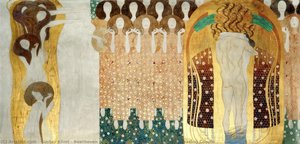
One of Klimt's most famous works is the Beethoven Frieze, a monumental painting created for the 14th Vienna Secession exhibition in 1902. The frieze was inspired by Ludwig van Beethoven’s Ninth Symphony and its theme of human struggle and redemption. It consists of three panels, each depicting different stages of the journey towards enlightenment. Klimt envisioned this ambitious project as a visual interpretation of Beethoven's musical masterpiece—a daring undertaking that demanded meticulous attention to detail and profound artistic sensitivity. The frieze’s overarching symbolism speaks to universal aspirations for harmony and transcendence, mirroring Klimt’s own intellectual convictions. Its formal structure—horizontal bands punctuated by vertical figures—creates a dynamic interplay between opposing forces, reflecting the complexities of human experience.Study for Lewdness: A Preparatory Drawing for the Frieze
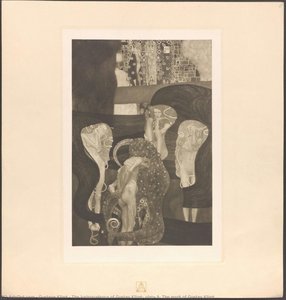
The Study for Lewdness is a preparatory drawing for the third panel of the Beethoven Frieze, which depicts the dangers and temptations that threaten humanity's pursuit of happiness. The drawing shows a female figure with her arms raised, surrounded by abstract shapes and patterns. It is thought to represent the concept of lewdness or lust, one of the obstacles on the path to enlightenment. Klimt’s meticulous draftsmanship reveals his unwavering commitment to capturing the essence of his artistic ideas—a testament to his mastery as a draftsman and his profound understanding of visual composition. The drawing's subdued palette contrasts sharply with the vibrant gold leaf that would adorn the final painting, highlighting the transformative power of art and its ability to convey complex psychological states.Interpreting the Symbolism of Study for Lewdness
The symbolism of Study for Lewdness has been the subject of much debate among art historians. Some interpret it as a representation of the dangers of uncontrolled desire, emphasizing Klimt’s exploration of primal instincts and anxieties. Others see it as a commentary on the role of women in society—particularly their vulnerability to temptation and their capacity for both beauty and transgression. The abstract shapes and patterns surrounding the figure have been interpreted in various ways, from depictions of the natural world to representations of the human psyche—reflecting Klimt’s engagement with Jungian psychology and his fascination with archetypal imagery. Ultimately, Klimt invites viewers to confront uncomfortable truths about human nature while simultaneously celebrating the potential for spiritual growth and artistic innovation.The Legacy of Gustav Klimt and the Beethoven Frieze
Gustav Klimt's work continues to inspire artists and collectors around the world. The Beethoven Frieze is considered one of his masterpieces, a powerful and thought-provoking exploration of human emotions and desires. At https://ArtsDot.com, you can find high-quality reproductions of Klimt’s works, including the Study for Lewdness and other studies for the Beethoven Frieze. These reproductions are hand-painted by skilled artists, using traditional techniques to capture the beauty and depth of Klimt's original vision. They offer a stunning glimpse into his artistic genius—a chance to experience the transformative allure of Art Nouveau and the enduring resonance of Klimt’s symbolic language. Explore the exquisite detail and shimmering gold leaf of these reproductions today!Obras relacionadas
Biografía del artista
Gustav Klimt: Vida, Arte y Legado
Primeros Años y Educación (1862-1883)
- Nacido el 14 de julio de 1862 en Baumgarten, cerca de Viena, Austria.
- Hijo de Ernst Klimt, grabador de oro, y Anna Finster. Su familia enfrentó dificultades financieras, lo que provocó mudanzas frecuentes dentro de Viena.
- Talento Temprano: Demostró habilidades de dibujo precoces fomentadas por la profesión de su padre y las inclinaciones artísticas familiares.
- Se matriculó en la Escuela de Artes Aplicadas de Viena (Kunstgewerbeschule) en 1876, estudiando pintura arquitectónica bajo Ferdinand Laufberger. Esto proporcionó una sólida formación técnica pero también le expuso a estilos académicos tradicionales.
- En 1877, formó la “Compañía de Artistas” con su hermano Ernst y Franz von Matsch, obteniendo encargos para murales y techos decorativos.
La Compañía de Artistas y Éxito Temprano (1883-1900)
- Continuó trabajando con la “Compañía de Artistas” después de dejar la Kunstgewerbeschule, ganando reconocimiento por proyectos decorativos como murales en el teatro municipal de Karlsbad y escaleras del Burgtheater de Viena.
- Contribuyó a las decoraciones del Museo Histórico de Viena, demostrando competencia técnica pero insinuando un deseo de romper con las limitaciones artísticas.
El Techo de la Universidad de Viena y Controversia (1900)
- Recibió una prestigiosa comisión alrededor de 1900 para pintar murales en el techo del Gran Salón de la Universidad de Viena, representando Filosofía, Derecho y Teología.
- Obras Controversiales: Los murales, particularmente *Filosofía*, fueron considerados provocativos e incluso pornográficos por los críticos, lo que provocó indignación pública.
- Klimt rechazó futuros encargos públicos tras la controversia, marcando un punto de inflexión en su carrera.
La “Fase Dorada” y Madurez Artística (1901-1918)
- Entró en su “fase dorada”, caracterizada por un uso lujoso del dorado inspirado en los mosaicos bizantinos y los manuscritos iluminados medievales.
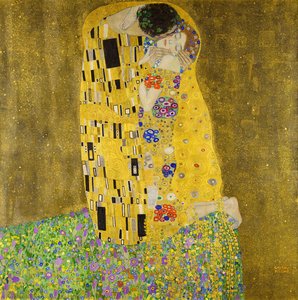
- Obras Clave: *El Beso* (1907-1908) ejemplifica el estilo opulento y la riqueza simbólica de esta época.
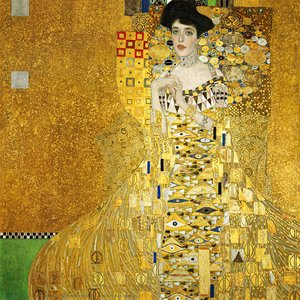
- *Retratos:* Los retratos como *Retrato de Adele Bloch-Bauer I* (1907) se volvieron muy solicitados, mostrando su capacidad para captar tanto la semejanza física como la profundidad psicológica.
- Integraba cada vez más elementos decorativos en las composiciones, difuminando los límites entre pintura y ornamentación.
Influencias y Estilo Artístico
- Hans Makart: Admiración temprana por el pintor de historia líder de Viena influyó en su formación académica inicial.
- Arte Japonés (Japonismo): Profundamente influenciado por las estampas japonesas, particularmente su perspectiva aplastada, patrones decorativos y énfasis en la línea.
- Arte Bizantino: El uso del dorado y la ornamentación rica en los mosaicos bizantinos impactó profundamente en su “fase dorada.”
- Características del Estilo: Una mezcla única de Simbolismo, Art Nouveau y elementos decorativos; colores audaces, patrones intrincados y representaciones sensuales de la forma femenina.
Años Posteriores y Legado (1918)
- Continuó pintando prolíficamente hasta su muerte el 6 de febrero de 1918, debido a un derrame cerebral.
- Sus obras posteriores exploraron formas más abstractas y paisajes, demostrando una evolución artística continua.
- Significado Histórico: Reconocido como uno de los personajes más importantes de la historia del arte austriaca y un exponente líder del Secesionismo Vienés. Sus pinturas alcanzan precios altos en subastas, y su influencia se ve en el arte y el diseño contemporáneos.
- El Museo Histórico de Viena alberga una colección significativa de sus obras, asegurando que su legado continúe inspirando.
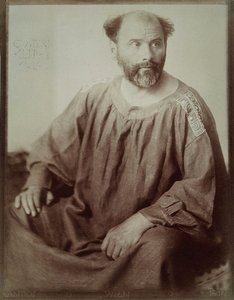
Gustav Klimt
1862 - 1918 , Austria
Datos clave
- Artistas Que Influyeron: ['Hans Makart']
- Fecha De Muerte: 6 de febrero de 1918
- Fecha De Nacimiento: 14 de julio de 1862
- Influenciado A: ['Egon Schiele']
- Lugar De Nacimiento: Baumgarten, Austria
- Movimiento Artístico: Simbolismo, Art Nouveau
- Nacionalidad: Austriaco
- Nombre Completo: Gustav Klimt
- Obras Notables:
- El Beso
- Adele Bloch-Bauer I
Artículos relacionados
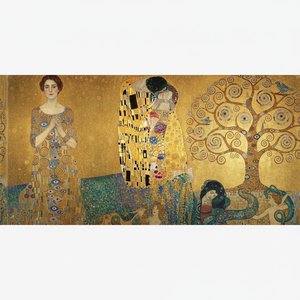
Gustav Klimt: Las 25 Obras Maestras que Definen un Ícono del Arte Moderno | ArtsDot
Descubre las 25 obras maestras de Gustav Klimt, ícono del simbolismo y Art Nouveau. Explora 'El Beso', 'Judith' y más. Reproducciones de arte en ArtsDot.com para decorar tu hogar con elegancia. ¡Inspírate!
Art Nouveau: 10 Obras Maestras que Definieron un Movimiento Revolucionario |
Descubre las 10 obras maestras del Art Nouveau que revolucionaron el arte. Explora la belleza de Mucha, Klimt y más. Reproducciones de museo en para un hogar con estilo. ¡Inspírate ahora!
La Secesión Vienesa: Un Legado de Innovación y Estilo Fin-de-Siècle
Descubre la Secesión Vienesa: su historia, artistas clave como Klimt y Schiele, e impacto en el arte moderno. Un análisis profundo de este movimiento innovador del Fin-de-Siècle.
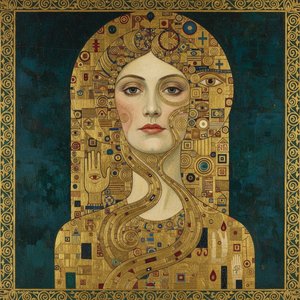
Gustav Klimt: A Golden Legacy of Sensuality & Symbolism in Viennese Art
Explore the captivating world of Gustav Klimt with ArtsDot. Discover his iconic paintings, the Vienna Secession movement, & enduring legacy. High-quality reproductions available.
Simbolismo en el Arte: 10 Obras Maestras que Marcaron una Época | ArtsDot
Descubre las 10 obras maestras del Simbolismo: Moreau, Redon y más. Explora la historia, el significado y la belleza de este movimiento artístico en ArtsDot.com. Reproducciones de arte de calidad museo para tu hogar.