 Vista previa
 Compartir
 Compartir
 Ver detalles

 Descargar
 Ver similares
 Radiografía
 Presentación de diapositivas
Study for Water Serpents01


 Leer más
Reproducción al óleo hecha a mano
Óleo sobre lienzo pintado a mano en el tamaño y marco de su elección, realizado por encargo por nuestros artistas. ( Pedir impresión Comprar descarga)




P118B $10

P118H $10

P118W $10

P438Z $10

P508JH $12

P508YH $12

P805H $10

P805Z $10

P919BZ $10

P919G $10

P919XJ $10

P959ZH $10

P968JZ $12

W106C $8

W218G $10

W218JH $8

W218Y $10

W307PJ $10

W316G $10

W316PJ $8

W316Y $10

W398PJ $8

W4111J $10

W500HY $15

W500JH $15

W692G $12

W849H $8

W940BG $15

W953PJ $8




Elija entre nuestros tamaños predefinidos que respetan las proporciones originales de la obra.

Puede ingresar sus propias dimensiones para adaptarse a un marco o espacio específico. Si el tamaño seleccionado no coincide con las proporciones de la imagen original, recortaremos la obra o extenderemos la pintura con elementos adicionales pintados a mano. Se le enviará una maqueta digital para su aprobación antes de comenzar la producción.
Tenga en cuenta que la vista previa en pantalla no refleja el recorte o la extensión reales. Solo la maqueta mostrará con precisión la composición final.
Si bien existen tamaños personalizados, recomendamos seleccionar una dimensión de la lista predefinida para preservar las proporciones originales.
Tras realizar el pedido, el equipo de ArtsDot.com enviará un correo electrónico al cliente para solicitar instrucciones y proporcionarle una vista previa del boceto.
Envío a todo el mundo () en 3-4 semanas en lugar de las 5 semanas estándar. (20 agosto). Sin comprometer la calidad.

Envío exprés gratuito a todo el mundo

Lienzo de lino de alta calidad

Seguro de envío completo

Garantía de reembolso de aranceles aduaneros

Garantía de fidelidad cromática exacta

Política de devolución de 60 días (solo por defectos)

Garantía de devolución del 100% del dinero

Oferta por volumen
 La opción de vidrio solo está disponible en tamaños inferiores a 110 cm.

Study for Water Serpents01
Técnica de reproducción
Tamaño de la reproducción
-


Precio total
$ 263
Descripción de la obra
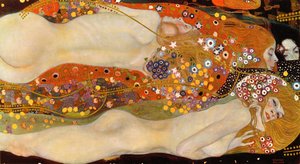
A Study in Melancholy: Gustav Klimt’s “Study for Water Serpents”
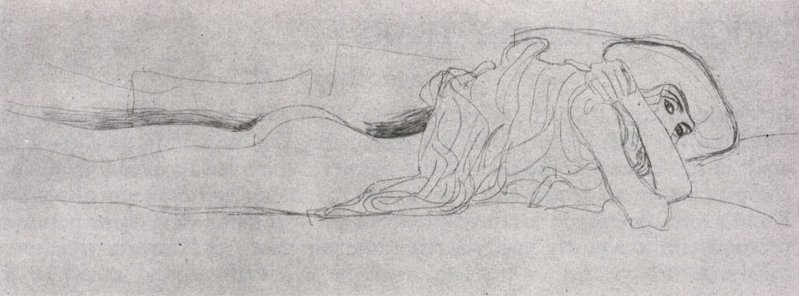
Gustav Klimt's "Study for Water Serpents," created in 1904, is not merely a sketch; it’s a poignant distillation of the artist’s evolving style and a window into his complex emotional landscape. This particular work, often considered a preparatory study for the larger “Water Serpents” mural that adorned the University Hospital in Vienna, offers a remarkably intimate glimpse into Klimt's creative process – a raw, unvarnished exploration of form, gesture, and the quiet sorrow inherent within the human figure.
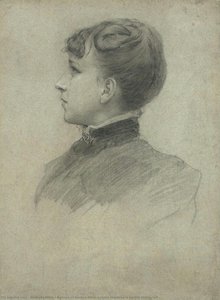
The image immediately draws the viewer in with its monochromatic palette. A single pencil, wielding remarkable control, dominates the page, creating a world of subtle gradations and delicate lines. The subject is a woman lying prone, her body elegantly curved and draped in what appears to be flowing fabric. Her posture suggests both vulnerability and a certain resignation; she’s not actively struggling, but neither is she entirely at peace. The loose, gestural strokes employed by Klimt imbue the figure with an immediate sense of movement and life – as if captured mid-dream or caught in a moment of profound introspection. The simplification of detail, characteristic of Klimt's mature style, allows the viewer to focus on the essential qualities of the form: the curve of her spine, the delicate suggestion of her hands, the downward tilt of her head.
The Seeds of Symbolism and Modernism
Klimt’s artistic journey during this period was marked by a shift away from the rigid conventions of academic art. He was deeply influenced by Japanese prints – particularly their flattened perspectives and emphasis on decorative patterns – as well as the burgeoning field of psychoanalysis, which explored the subconscious mind. “Study for Water Serpents” embodies these influences. The reclining figure can be interpreted as representing the female psyche, a realm of hidden emotions and suppressed desires. The ‘water serpents’ alluded to in the title likely represent both danger and transformation – potent symbols that Klimt frequently employed to explore themes of sexuality, death, and rebirth.
Furthermore, the work foreshadows Klimt's later embrace of Art Nouveau, with its flowing lines, decorative motifs, and sensual imagery. The careful attention paid to texture through varying line weights—the heavier strokes delineating the folds of her garment, the lighter ones suggesting the smoothness of her skin—anticipates the opulent use of gold leaf that would become synonymous with his mature style. The muted tones also reflect a growing interest in exploring emotional depth and psychological states, moving beyond purely representational concerns.
Technique and Materiality
Klimt’s technique here is deceptively simple yet remarkably sophisticated. He masterfully utilizes the limitations of pencil to create a sense of volume and atmosphere. The subtle shading and hatching suggest both light and shadow, lending depth to the figure without resorting to precise rendering. The choice of paper – likely a textured surface – further enhances the tactile quality of the drawing, adding another layer of visual interest. It’s important to note that this is not a finished artwork; it's a study, a preliminary exploration of ideas and composition. The imperfections—the slight smudging, the visible pencil marks—only serve to emphasize its immediacy and authenticity.
The drawing’s scale – likely small, perhaps sketchbook size – contributes to its intimacy. It invites close examination, encouraging the viewer to linger over the details and contemplate the figure's enigmatic expression. The artist’s hand is clearly visible in every stroke, conveying a sense of personal connection and emotional investment.
A Portrait of Inner Turmoil
Ultimately, “Study for Water Serpents” transcends its status as a preparatory sketch. It’s a powerful meditation on themes of vulnerability, isolation, and the complexities of human emotion. The woman's downward gaze and slightly downturned mouth suggest a quiet sadness, a sense of introspection that resonates deeply with viewers. The work speaks to the universal experience of feeling lost or adrift, of grappling with inner turmoil and seeking solace in solitude. It’s a testament to Klimt’s ability to capture not just the outward appearance of his subjects but also their innermost thoughts and feelings – making it a profoundly moving and enduring masterpiece.
Obras relacionadas
Biografía del artista
Gustav Klimt: Vida, Arte y Legado
Primeros Años y Educación (1862-1883)
- Nacido el 14 de julio de 1862 en Baumgarten, cerca de Viena, Austria.
- Hijo de Ernst Klimt, grabador de oro, y Anna Finster. Su familia enfrentó dificultades financieras, lo que provocó mudanzas frecuentes dentro de Viena.
- Talento Temprano: Demostró habilidades de dibujo precoces fomentadas por la profesión de su padre y las inclinaciones artísticas familiares.
- Se matriculó en la Escuela de Artes Aplicadas de Viena (Kunstgewerbeschule) en 1876, estudiando pintura arquitectónica bajo Ferdinand Laufberger. Esto proporcionó una sólida formación técnica pero también le expuso a estilos académicos tradicionales.
- En 1877, formó la “Compañía de Artistas” con su hermano Ernst y Franz von Matsch, obteniendo encargos para murales y techos decorativos.
La Compañía de Artistas y Éxito Temprano (1883-1900)
- Continuó trabajando con la “Compañía de Artistas” después de dejar la Kunstgewerbeschule, ganando reconocimiento por proyectos decorativos como murales en el teatro municipal de Karlsbad y escaleras del Burgtheater de Viena.
- Contribuyó a las decoraciones del Museo Histórico de Viena, demostrando competencia técnica pero insinuando un deseo de romper con las limitaciones artísticas.
El Techo de la Universidad de Viena y Controversia (1900)
- Recibió una prestigiosa comisión alrededor de 1900 para pintar murales en el techo del Gran Salón de la Universidad de Viena, representando Filosofía, Derecho y Teología.
- Obras Controversiales: Los murales, particularmente *Filosofía*, fueron considerados provocativos e incluso pornográficos por los críticos, lo que provocó indignación pública.
- Klimt rechazó futuros encargos públicos tras la controversia, marcando un punto de inflexión en su carrera.
La “Fase Dorada” y Madurez Artística (1901-1918)
- Entró en su “fase dorada”, caracterizada por un uso lujoso del dorado inspirado en los mosaicos bizantinos y los manuscritos iluminados medievales.
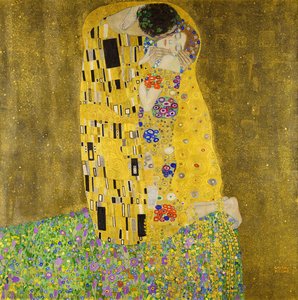
- Obras Clave: *El Beso* (1907-1908) ejemplifica el estilo opulento y la riqueza simbólica de esta época.
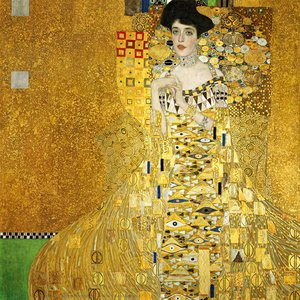
- *Retratos:* Los retratos como *Retrato de Adele Bloch-Bauer I* (1907) se volvieron muy solicitados, mostrando su capacidad para captar tanto la semejanza física como la profundidad psicológica.
- Integraba cada vez más elementos decorativos en las composiciones, difuminando los límites entre pintura y ornamentación.
Influencias y Estilo Artístico
- Hans Makart: Admiración temprana por el pintor de historia líder de Viena influyó en su formación académica inicial.
- Arte Japonés (Japonismo): Profundamente influenciado por las estampas japonesas, particularmente su perspectiva aplastada, patrones decorativos y énfasis en la línea.
- Arte Bizantino: El uso del dorado y la ornamentación rica en los mosaicos bizantinos impactó profundamente en su “fase dorada.”
- Características del Estilo: Una mezcla única de Simbolismo, Art Nouveau y elementos decorativos; colores audaces, patrones intrincados y representaciones sensuales de la forma femenina.
Años Posteriores y Legado (1918)
- Continuó pintando prolíficamente hasta su muerte el 6 de febrero de 1918, debido a un derrame cerebral.
- Sus obras posteriores exploraron formas más abstractas y paisajes, demostrando una evolución artística continua.
- Significado Histórico: Reconocido como uno de los personajes más importantes de la historia del arte austriaca y un exponente líder del Secesionismo Vienés. Sus pinturas alcanzan precios altos en subastas, y su influencia se ve en el arte y el diseño contemporáneos.
- El Museo Histórico de Viena alberga una colección significativa de sus obras, asegurando que su legado continúe inspirando.
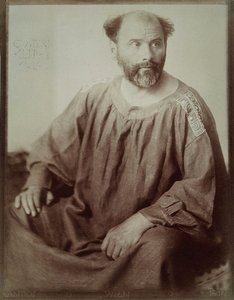
Gustav Klimt
1862 - 1918 , Austria
Datos clave
- Artistas Que Influyeron: ['Hans Makart']
- Fecha De Muerte: 6 de febrero de 1918
- Fecha De Nacimiento: 14 de julio de 1862
- Influenciado A: ['Egon Schiele']
- Lugar De Nacimiento: Baumgarten, Austria
- Movimiento Artístico: Simbolismo, Art Nouveau
- Nacionalidad: Austriaco
- Nombre Completo: Gustav Klimt
- Obras Notables:
- El Beso
- Adele Bloch-Bauer I
Artículos relacionados
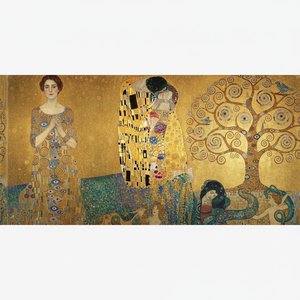
Gustav Klimt: Las 25 Obras Maestras que Definen un Ícono del Arte Moderno | ArtsDot
Descubre las 25 obras maestras de Gustav Klimt, ícono del simbolismo y Art Nouveau. Explora 'El Beso', 'Judith' y más. Reproducciones de arte en ArtsDot.com para decorar tu hogar con elegancia. ¡Inspírate!
Art Nouveau: 10 Obras Maestras que Definieron un Movimiento Revolucionario |
Descubre las 10 obras maestras del Art Nouveau que revolucionaron el arte. Explora la belleza de Mucha, Klimt y más. Reproducciones de museo en para un hogar con estilo. ¡Inspírate ahora!
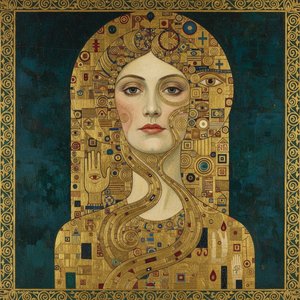
Gustav Klimt: A Golden Legacy of Sensuality & Symbolism in Viennese Art
Explore the captivating world of Gustav Klimt with ArtsDot. Discover his iconic paintings, the Vienna Secession movement, & enduring legacy. High-quality reproductions available.
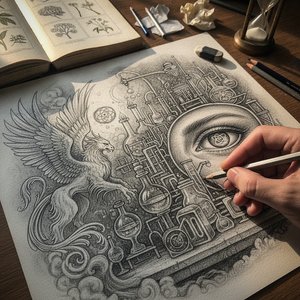
The Alchemy of Graphite: An Expert Guide to Mastering Detail and Depth in Pencil Sketching
Unlock the secrets of graphite sketching with our expert guide for art students. Learn to master pencil grades, create realistic depth, and capture intricate textures through professional techniques designed to elevate your observational drawing skills.
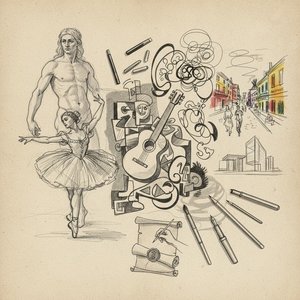
The Eloquent Line: Exploring the Artistic Significance of Sketches Across Movements and Media
Explore the profound artistic significance of sketches throughout history. From Renaissance masters to modern innovators like Van Gogh & Guston, discover how these foundational works reveal technique, emotion, and vision. Learn more at ArtsDot.