 Ver en contexto
 Enviar
 Compartir
 Detalles

 Descargar
 Similares
 Radiografía
 Presentación de diapositivas
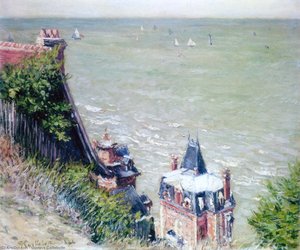
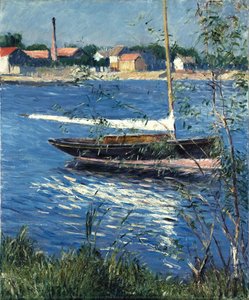
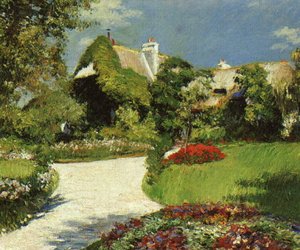
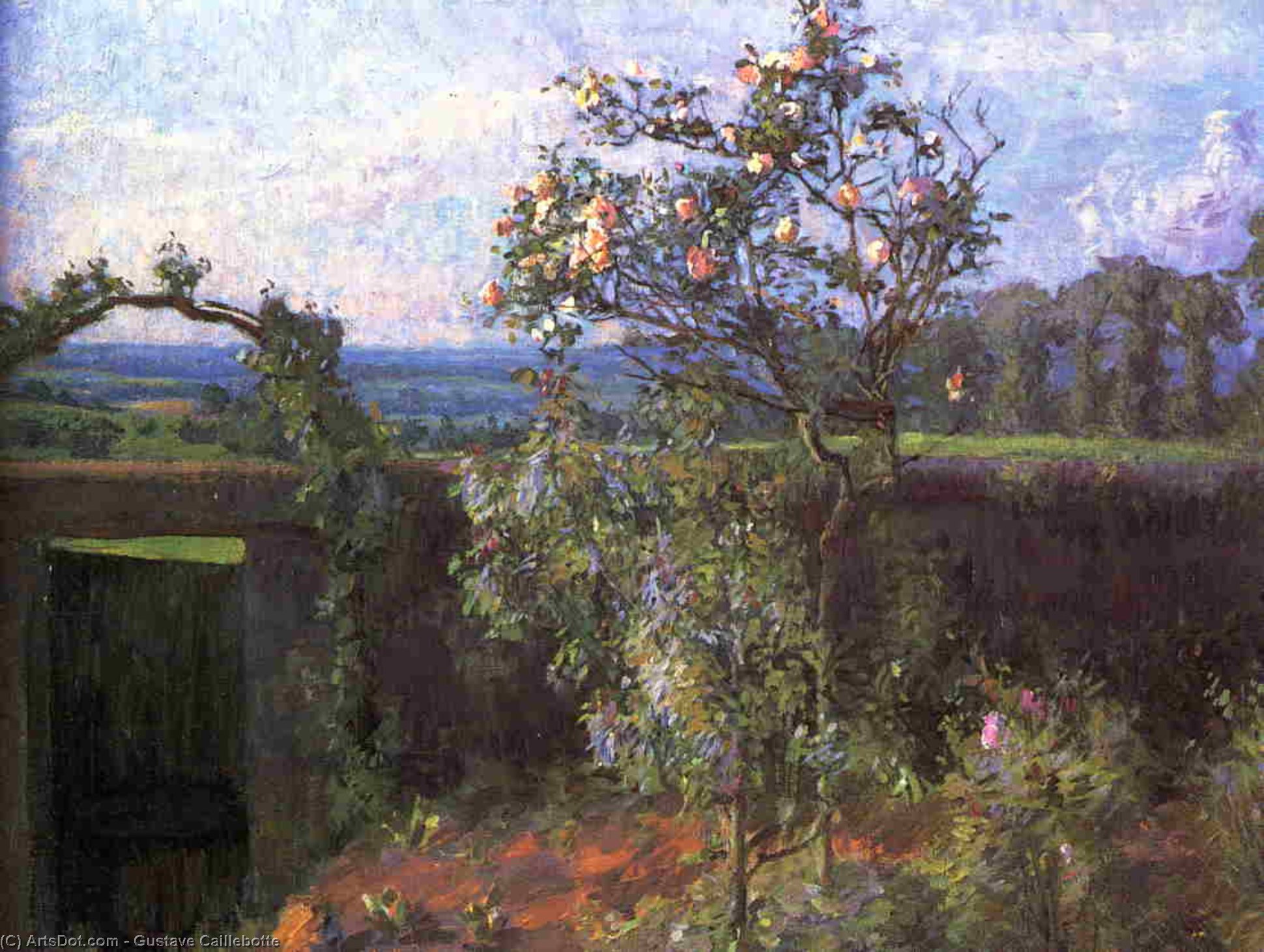
Landscape near Yerres (also known as View of the Yerres Valley and the Garden of the Artist's Family Property)
 Oil On Canvas
- WallArt
- Impressionism
 1877
1877- 19th Century
 48.0 x 65.0 cm
 Ver más
Reproducción al óleo hecha a mano
Óleo sobre lienzo pintado a mano en el tamaño y marco de su elección, realizado por encargo por nuestros artistas. ( Comprar impresión Comprar imagen)




P118B $10

P118H $10

P118W $10

P438Z $10

P508JH $12

P508YH $12

P805H $10

P805Z $10

P919BZ $10

P919G $10

P919XJ $10

P959ZH $10

P968JZ $12

W106C $8

W218G $10

W218JH $8

W218Y $10

W307PJ $10

W316G $10

W316PJ $8

W316Y $10

W398PJ $8

W4111J $10

W500HY $15

W500JH $15

W692G $12

W849H $8

W940BG $15

W953PJ $8




Elija entre nuestros tamaños predefinidos que respetan las proporciones originales de la obra.

Puede ingresar sus propias dimensiones para adaptarse a un marco o espacio específico. Si el tamaño seleccionado no coincide con las proporciones de la imagen original, recortaremos la obra o extenderemos la pintura con elementos adicionales pintados a mano. Se le enviará una maqueta digital para su aprobación antes de comenzar la producción.
Tenga en cuenta que la vista previa en pantalla no refleja el recorte o la extensión reales. Solo la maqueta mostrará con precisión la composición final.
Si bien existen tamaños personalizados, recomendamos seleccionar una dimensión de la lista predefinida para preservar las proporciones originales.
Tras realizar el pedido, el equipo de ArtsDot.com enviará un correo electrónico al cliente para solicitar instrucciones y proporcionarle una vista previa del boceto.
Envío a todo el mundo () en 3-4 semanas en lugar de las 5 semanas estándar. (2 septiembre). Sin comprometer la calidad.

Envío exprés gratuito a todo el mundo

Lienzo de lino de alta calidad

Seguro de envío total

Garantía de reembolso de impuestos aduaneros

Garantía de fidelidad cromática exacta

Política de devolución de 60 días (solo por defectos)

Garantía de devolución del 100% del dinero

Descuento por cantidad
 La opción de vidrio solo está disponible en tamaños inferiores a 110 cm.

Landscape near Yerres (also known as View of the Yerres Valley and the Garden of the Artist's Family Property)
Técnica de reproducción
Dimensiones de la reproducción
-


Precio total final
$ 263
Landscape near Yerres (View of the Yerres Valley and the Garden of the Artist's Family Property) by Gustave Caillebotte – A Moment Frozen in Impression
Gustave Caillebotte’s “Landscape near Yerres,” painted in 1877, is more than just a depiction of a serene French valley; it’s a carefully constructed evocation of atmosphere and light, a quintessential example of the burgeoning Impressionist movement. Measuring 48 x 65 cm, this oil on canvas offers an intimate glimpse into Caillebotte's artistic vision – one shaped by his privileged Parisian upbringing, his fascination with photography, and a desire to capture fleeting moments rather than meticulously rendered reality.
- Subject Matter: The painting presents a familiar landscape scene – the Yerres Valley near Paris, viewed through the lens of Caillebotte’s family property. A prominent rose-covered tree dominates the composition, its blossoms radiating delicate pink hues against the hazy sky. Distant hills and a meandering river complete the idyllic vista.
- Impressionist Style: As an Impressionist work, “Landscape near Yerres” prioritizes capturing the *impression* of light and color over precise detail. Loose brushstrokes are immediately apparent, creating a sense of movement and vibrancy within the scene. The artist’s focus is on how light interacts with surfaces – the shimmering reflections in the water, the dappled shade beneath the trees – rather than achieving photographic accuracy.
Technique and Artistic Process
Caillebotte's technique reflects his dual influences: painting and photography. He employs a ‘wet-on-wet’ method, allowing colors to blend and bleed into one another, creating soft edges and luminous effects. The broken application of paint – visible brushstrokes meticulously placed – generates texture and depth, mimicking the way light scatters in nature. The flattened perspective, characteristic of Impressionism, contributes to the painting's immediacy, drawing the viewer directly into the scene. Notice how the artist uses geometric shapes—the tree’s branches, the river’s flow—to create a sense of balance and harmony within the composition.
- Color Palette: The color palette is dominated by pinks, greens, blues, and browns, creating a harmonious yet slightly melancholic mood. Warm tones are used to highlight the rose tree and the sunlit areas, while cooler shades evoke the shadows and distance.
- Brushwork: Caillebotte’s brushstrokes are loose and gestural, conveying movement and energy. They aren't blended smoothly; instead, they retain their individual character, contributing to the painting’s vibrant quality.
Historical Context and Symbolism
Painted in 1877, “Landscape near Yerres” emerged during a period of profound social and artistic change in France. The Impressionist movement was challenging traditional academic styles, advocating for a new approach to painting that emphasized subjective perception and the effects of light. Caillebotte’s work reflects this shift, moving away from detailed realism towards a more expressive and atmospheric representation of nature. The rose tree itself carries symbolic weight – representing beauty, love, and perhaps even the fleeting nature of time, themes frequently explored by Impressionist artists.
This painting aligns with Post-Impressionism, a movement that built upon Impressionistic principles while exploring more personal and expressive styles. Artists like Paul Gauguin and Paul Cézanne were reacting against the limitations of pure Impressionism, seeking to imbue their work with deeper meaning and emotional resonance.
Collecting this Masterpiece – A Reproduction for Your Space
ArtsDot offers a meticulously crafted hand-painted reproduction of “Landscape near Yerres,” allowing you to bring this iconic Impressionist artwork into your home or office. Each reproduction is created using the same techniques and materials as the original, ensuring exceptional quality and authenticity. Whether you’re an art collector, interior designer, or simply someone who appreciates beauty, this reproduction offers a stunning tribute to Gustave Caillebotte's artistic genius.
Obras relacionadas
Biografía del artista
**Primeros años y educación**
Gustave Caillebotte, pintor francés, nació el 19 de agosto de 1848 en París, proveniente de una familia de la alta sociedad. Su padre, Martial Caillebotte, era heredero del negocio familiar de textiles militares y también se desempeñaba como juez en el tribunal de comercio del departamento del Sena. El temprano interés de Gustave por la fotografía como forma de arte influiría más tarde en su estilo pictórico.**Trayectoria artística**
En 1868, Gustave obtuvo un título en derecho y una licencia para ejercer la abogacía en 1870, pero su verdadera pasión residía en las artes. Comenzó a visitar el estudio del pintor Léon Bonnat, donde estudió pintura con seriedad. Su estilo, caracterizado por su realismo, fue influenciado por sus colegas impresionistas, incluyendo a Edgar Degas y Giuseppe de Nittis.**Obras destacadas y estilo**
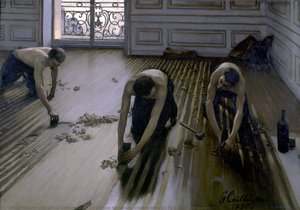
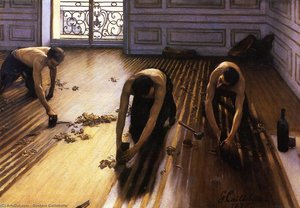
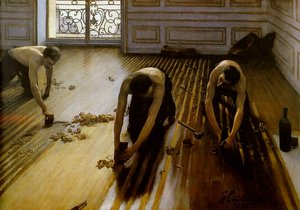
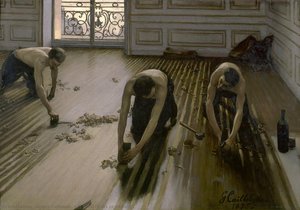
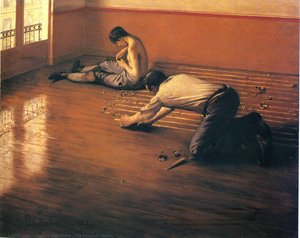
- Les Raboteurs de Parquet (Los Scrapers de Piso) (1875): Esta obra maestra temprana, ahora en el Musée d'Orsay, muestra la mezcla única de Caillebotte entre realismo e influencias impresionistas.
- Vista de Techos (Efecto de Nieve) (Vue de toits (effet de neige)) (1878): Demuestra su uso de puntos de vista elevados, una técnica posiblemente influenciada por grabados japoneses y fotografía.
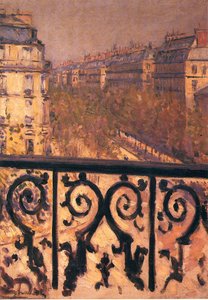
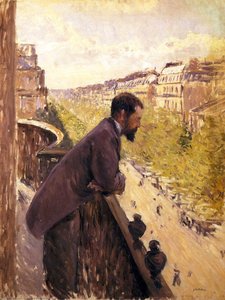
- Un Balcón en París: Captura la vida parisina con un realismo sereno y una composición única.
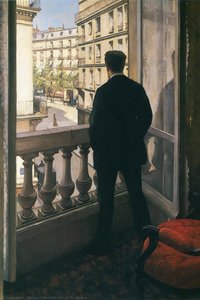
- El Hombre en la Ventana (1875): Explora el aislamiento parisino y la modernidad a través de una obra maestra realista conmovedora.
- Villas Rosadas en Trouville (1884): Una escapada costera impresionista con tonos serenos que reflejan la vida moderna parisina.
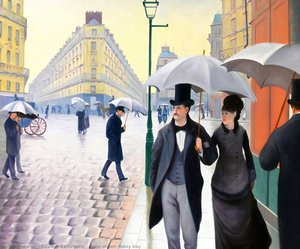
- Calle de París, Día Lluvioso: Captura la vida parisina atemporal a través del realismo y el simbolismo.
- Los Escupidores de Suelo (también conocidos como Los Descapadores de Suelo): Una obra maestra del impresionismo realista que representa el trabajo parisino con elegancia y detalles sutiles.
**Legado e influencia**
El estilo de Caillebotte, aunque parte de la escuela del realismo, estuvo fuertemente influenciado por sus compañeros impresionistas. Sus obras, como Boulevard visto desde arriba (1880), muestran una mezcla única de técnicas realistas e impresionistas. Su contribución al arte francés es significativa, y su obra ha sido objeto de creciente reconocimiento en las últimas décadas.**El legado de Caillebotte**
Tras la muerte de Caillebotte en 1894, su hermano Martial y Auguste Renoir, su albacea, informaron a las autoridades sobre el legado que había instituido: más de sesenta obras maestras del Impresionismo. Las autoridades dudaron. Después de dos años de negociaciones, se aceptaron cuarenta obras y se exhibieron en un anexo al Musée du Luxembourg, donde causaron escándalo. El impresionismo aún estaba lejos de ser aceptado por el establishment artístico. La colección ahora reside en el Musée d'Orsay e incluye obras excepcionales como El Balcón de Manet, Baile en Le moulin de la Galette de Renoir y La Gare Saint-Lazare y su Regata en Argenteuil de Monet.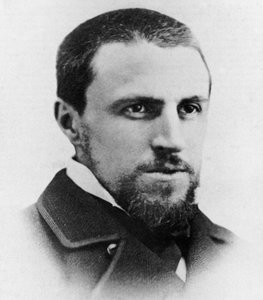
Gustave Caillebotte
1848 - 1894 , Francia
Datos clave
- Artistas Que Influyeron:
- Léon Bonnat
- Edgar Degas
- Giuseppe De Nittis
- Estilo Artístico: Realismo e Impresionismo
- Fecha De Muerte: 1894
- Fecha De Nacimiento: 19 de agosto de 1848
- Lugar De Nacimiento: París, Francia
- Nacionalidad: Francesa
- Nombre Completo: Gustave Caillebotte
- Obras Notables:
- Les Raboteurs de parquet
- Vista de tejados (efecto de nieve)
- Un Balcón en París
- Calle de París, día lluvioso
Artículos relacionados

Gustav Klimt: Las 25 Obras Maestras que Definen un Ícono del Arte Moderno | ArtsDot
Descubre las 25 obras maestras de Gustav Klimt, ícono del simbolismo y Art Nouveau. Explora 'El Beso', 'Judith' y más. Reproducciones de arte en ArtsDot.com para decorar tu hogar con elegancia. ¡Inspírate!

Los 10 Maestros del Paisaje Impresionista: Obras que Cambiaron la Historia del Arte
Descubre los 10 lienzos impresionistas que revolucionaron el arte. Explora la historia de Monet, Van Gogh y Renoir, sus técnicas y colores vibrantes. Encuentra reproducciones de alta calidad para decorar tu hogar en ArtsDot.com

Los 10 Maestros del Paisaje Impresionista: Obras que Cambiaron la Historia del Arte
Descubre los 10 lienzos impresionistas que revolucionaron el arte. Monet, Renoir y más… Explora la historia, técnica y belleza de cada obra maestra. Encuentra reproducciones de alta calidad para tu hogar en ArtsDot.com.
Gustave Loiseau: Capturing the Ephemeral Light of French Landscapes
Explore the captivating landscapes of Gustave Loiseau, a key Post-Impressionist painter. Discover his unique 'en treillis' technique and artistic legacy with our comprehensive guide.
Gustave Caillebotte: Bridging Realism & Modernity in Parisian Life
Explore the life & art of Gustave Caillebotte, a pivotal figure bridging Realism & Impressionism. Discover his iconic Parisian scenes and lasting legacy with ArtsDot.