 Ver en contexto
 Enviar
 Compartir
 Detalles

 Descargar
 Similares
 Radiografía
 Presentación de diapositivas
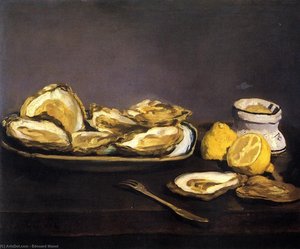
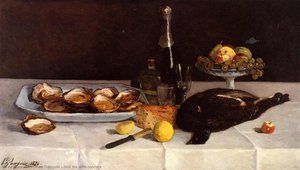
Still Life with Oysters
 Oil On Canvas
- WallArt
- Impressionism
 1881
1881- 19th Century
 38.0 x 55.0 cm
 Ver más
Reproducción al óleo hecha a mano
Óleo sobre lienzo pintado a mano en el tamaño y marco de su elección, realizado por encargo por nuestros artistas. ( Comprar impresión Comprar imagen)




P118B $10

P118H $10

P118W $10

P438Z $10

P508JH $12

P508YH $12

P805H $10

P805Z $10

P919BZ $10

P919G $10

P919XJ $10

P959ZH $10

P968JZ $12

W106C $8

W218G $10

W218JH $8

W218Y $10

W307PJ $10

W316G $10

W316PJ $8

W316Y $10

W398PJ $8

W4111J $10

W500HY $15

W500JH $15

W692G $12

W849H $8

W940BG $15

W953PJ $8




Elija entre nuestros tamaños predefinidos que respetan las proporciones originales de la obra.

Puede ingresar sus propias dimensiones para adaptarse a un marco o espacio específico. Si el tamaño seleccionado no coincide con las proporciones de la imagen original, recortaremos la obra o extenderemos la pintura con elementos adicionales pintados a mano. Se le enviará una maqueta digital para su aprobación antes de comenzar la producción.
Tenga en cuenta que la vista previa en pantalla no refleja el recorte o la extensión reales. Solo la maqueta mostrará con precisión la composición final.
Si bien existen tamaños personalizados, recomendamos seleccionar una dimensión de la lista predefinida para preservar las proporciones originales.
Tras realizar el pedido, el equipo de ArtsDot.com enviará un correo electrónico al cliente para solicitar instrucciones y proporcionarle una vista previa del boceto.
Envío a todo el mundo () en 3-4 semanas en lugar de las 5 semanas estándar. (7 septiembre). Sin comprometer la calidad.

Envío exprés gratuito a todo el mundo

Lienzo de lino de alta calidad

Seguro de envío total

Garantía de reembolso de impuestos aduaneros

Garantía de fidelidad cromática exacta

Política de devolución de 100 días (solo por defectos)

Garantía de devolución del 100% del dinero

Descuento por cantidad
 La opción de vidrio solo está disponible en tamaños inferiores a 110 cm.

Still Life with Oysters
Técnica de reproducción
Dimensiones de la reproducción
-


Precio total final
$ 263
A Sensory Feast on Canvas
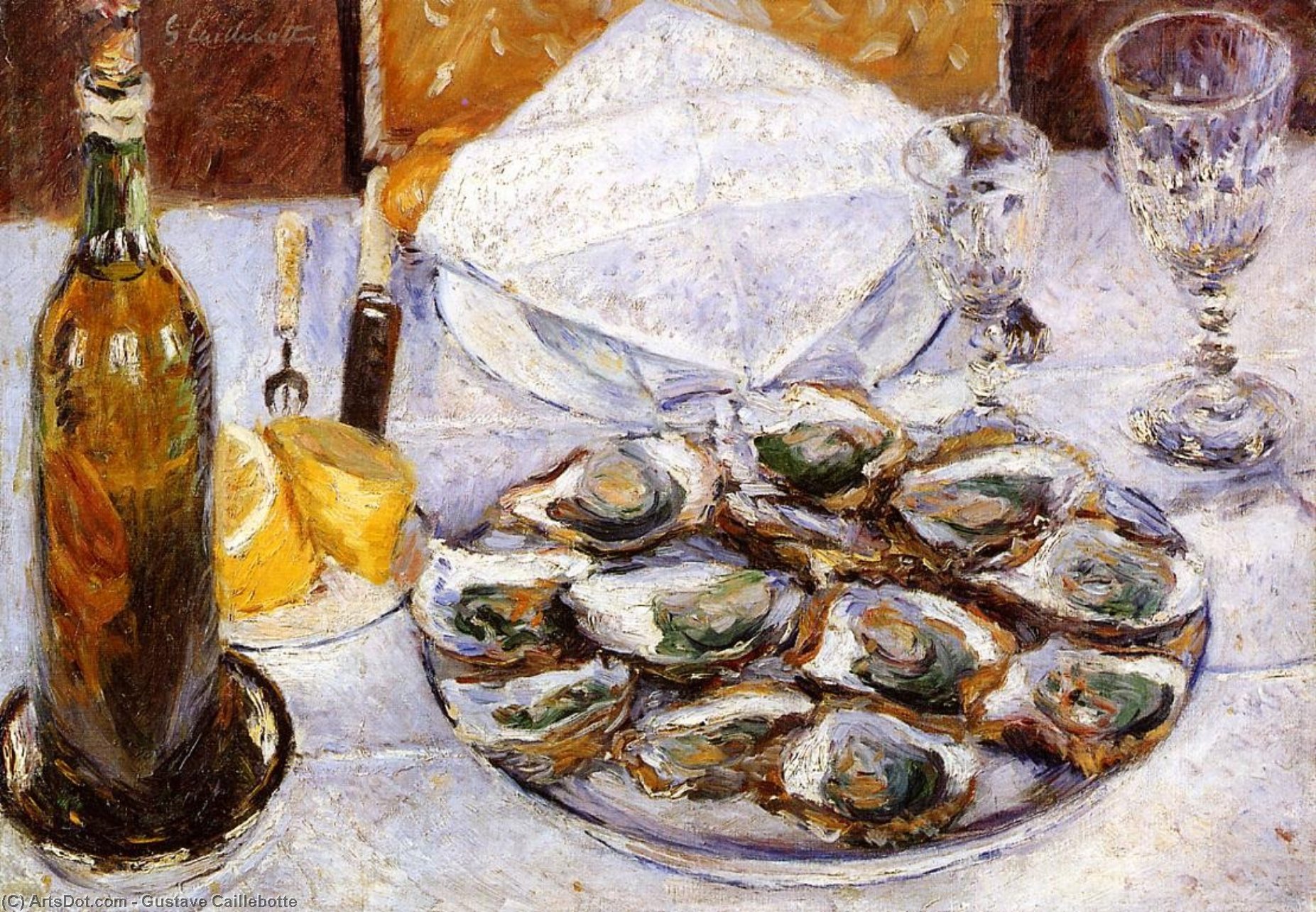
In the quiet intimacy of Gustave Caillebotte’s Still Life with Oysters, we are invited to a table that feels both timeless and profoundly immediate. Painted in 1881, this masterpiece transcends the mere depiction of food, offering instead a sensory journey through texture, light, and the quiet luxury of Parisian life. The composition centers on a bountiful plate of oysters, their glistening, pearlesmecent shells scattered with an organic grace that suggests they have only just been shucked. Surrounding this centerpiece is a carefully curated arrangement of nature’s bounty: the vibrant, sun-kissed hues of oranges and apples, the deep shadows of glass bottles, and the delicate transparency of a wine glass catching the light in the upper corner. It is a scene that breathes with the vitality of a lived moment, capturing the essence of a leisurely, opulent afternoon.
Caillebotte, a master who navigated the intersection of Realism and Impressionism, employs a technique that is as much about atmosphere as it is about precision. While his contemporaries often chased the fleeting movement of light in landscapes, Caillebotte brought a unique, almost photographic eye to the stationary objects of the domestic sphere. In this work, one can observe his profound ability to manipulate light to create volume and depth. The way the light dances across the moist surfaces of the oysters and reflects off the curved glass of the bottles demonstrates a sophisticated command of chiaroscuro. His brushwork, though controlled, possesses a tactile quality that allows the viewer to almost feel the coolness of the seafood and the smooth skin of the fruit, making the painting an immersive experience for the eyes.
Symbolism and the Art of Living
Beyond its aesthetic brilliance, Still Life with Oysters serves as a window into the social fabric of late 19th-century France. During this era, the still life genre often functioned as a celebration of abundance and the burgeoning middle-class prosperity. The presence of delicacies like oysters—once a luxury—symbolizes a refined way of life, an appreciation for the finer things that defined the Parisian bourgeois experience. There is a subtle tension between the permanence of the objects and the ephemeral nature of the feast; the fruit will ripen and decay, the wine will be consumed, yet Caillebotte freezes this moment in a state of eternal freshness. This creates a poignant emotional resonance, reminding the viewer to find beauty and presence in the fleeting pleasures of the everyday.
For the discerning collector or interior designer, this painting offers more than just visual splendor; it provides a focal point of sophisticated warmth. The rich, earthy palette and the balanced composition make it an ideal piece for spaces that demand elegance and character. Whether placed in a contemporary dining room to evoke a sense of classical grandeur or integrated into a modern study to add a layer of historical depth, a high-quality reproduction of this work brings with it the prestige of the Impressionist era. It is an invitation to slow down, to appreciate the artistry of the mundane, and to surround oneself with a piece that celebrates the enduring beauty of life’s most delicious moments.
Obras relacionadas
Biografía del artista
**Primeros años y educación**
Gustave Caillebotte, pintor francés, nació el 19 de agosto de 1848 en París, proveniente de una familia de la alta sociedad. Su padre, Martial Caillebotte, era heredero del negocio familiar de textiles militares y también se desempeñaba como juez en el tribunal de comercio del departamento del Sena. El temprano interés de Gustave por la fotografía como forma de arte influiría más tarde en su estilo pictórico.**Trayectoria artística**
En 1868, Gustave obtuvo un título en derecho y una licencia para ejercer la abogacía en 1870, pero su verdadera pasión residía en las artes. Comenzó a visitar el estudio del pintor Léon Bonnat, donde estudió pintura con seriedad. Su estilo, caracterizado por su realismo, fue influenciado por sus colegas impresionistas, incluyendo a Edgar Degas y Giuseppe de Nittis.**Obras destacadas y estilo**
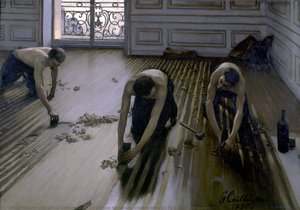
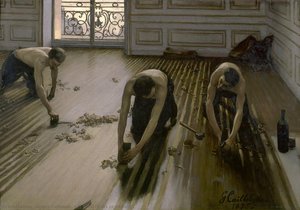
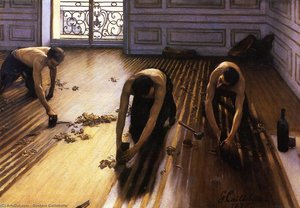
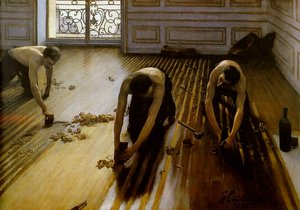
- Les Raboteurs de Parquet (Los Scrapers de Piso) (1875): Esta obra maestra temprana, ahora en el Musée d'Orsay, muestra la mezcla única de Caillebotte entre realismo e influencias impresionistas.
- Vista de Techos (Efecto de Nieve) (Vue de toits (effet de neige)) (1878): Demuestra su uso de puntos de vista elevados, una técnica posiblemente influenciada por grabados japoneses y fotografía.
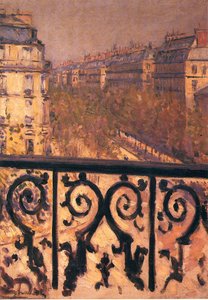
- Un Balcón en París: Captura la vida parisina con un realismo sereno y una composición única.
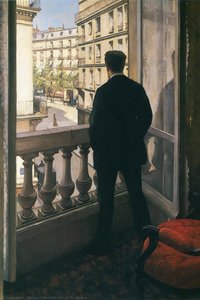
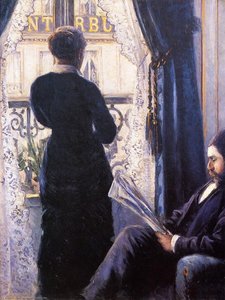
- El Hombre en la Ventana (1875): Explora el aislamiento parisino y la modernidad a través de una obra maestra realista conmovedora.
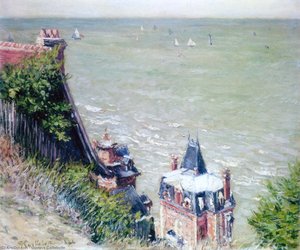
- Villas Rosadas en Trouville (1884): Una escapada costera impresionista con tonos serenos que reflejan la vida moderna parisina.
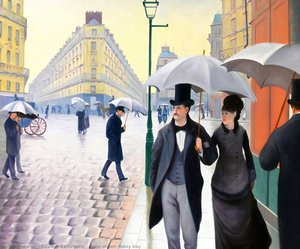
- Calle de París, Día Lluvioso: Captura la vida parisina atemporal a través del realismo y el simbolismo.
- Los Escupidores de Suelo (también conocidos como Los Descapadores de Suelo): Una obra maestra del impresionismo realista que representa el trabajo parisino con elegancia y detalles sutiles.
**Legado e influencia**
El estilo de Caillebotte, aunque parte de la escuela del realismo, estuvo fuertemente influenciado por sus compañeros impresionistas. Sus obras, como Boulevard visto desde arriba (1880), muestran una mezcla única de técnicas realistas e impresionistas. Su contribución al arte francés es significativa, y su obra ha sido objeto de creciente reconocimiento en las últimas décadas.**El legado de Caillebotte**
Tras la muerte de Caillebotte en 1894, su hermano Martial y Auguste Renoir, su albacea, informaron a las autoridades sobre el legado que había instituido: más de sesenta obras maestras del Impresionismo. Las autoridades dudaron. Después de dos años de negociaciones, se aceptaron cuarenta obras y se exhibieron en un anexo al Musée du Luxembourg, donde causaron escándalo. El impresionismo aún estaba lejos de ser aceptado por el establishment artístico. La colección ahora reside en el Musée d'Orsay e incluye obras excepcionales como El Balcón de Manet, Baile en Le moulin de la Galette de Renoir y La Gare Saint-Lazare y su Regata en Argenteuil de Monet.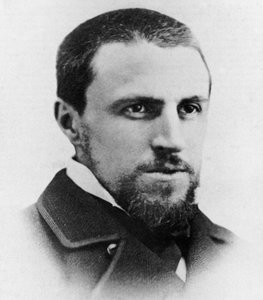
Gustave Caillebotte
1848 - 1894 , Francia
Datos clave
- Artistas Que Influyeron:
- Léon Bonnat
- Edgar Degas
- Giuseppe De Nittis
- Estilo Artístico: Realismo e Impresionismo
- Fecha De Muerte: 1894
- Fecha De Nacimiento: 19 de agosto de 1848
- Lugar De Nacimiento: París, Francia
- Nacionalidad: Francesa
- Nombre Completo: Gustave Caillebotte
- Obras Notables:
- Les Raboteurs de parquet
- Vista de tejados (efecto de nieve)
- Un Balcón en París
- Calle de París, día lluvioso
Artículos relacionados
Gustav Klimt: Las 25 Obras Maestras que Definen un Ícono del Arte Moderno | ArtsDot
Descubre las 25 obras maestras de Gustav Klimt, ícono del simbolismo y Art Nouveau. Explora 'El Beso', 'Judith' y más. Reproducciones de arte en ArtsDot.com para decorar tu hogar con elegancia. ¡Inspírate!

Paul Cézanne: Las 25 Obras Maestras que Definieron el Arte Moderno | ArtsDot
Descubre las 25 obras maestras de Paul Cézanne que revolucionaron el arte moderno. Explora su técnica, inspiración y significado en paisajes, bodegones y retratos. Reproducciones de alta calidad para decorar tu hogar con arte inolvidable. ¡Explora la colección completa en ArtsDot.com!
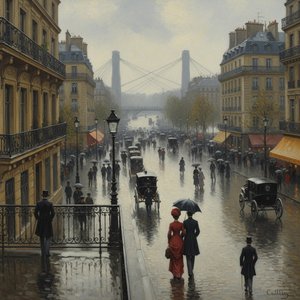
Gustave Caillebotte: Bridging Realism & Modernity in Parisian Life
Explore the life & art of Gustave Caillebotte, a pivotal figure bridging Realism & Impressionism. Discover his iconic Parisian scenes and lasting legacy with ArtsDot.
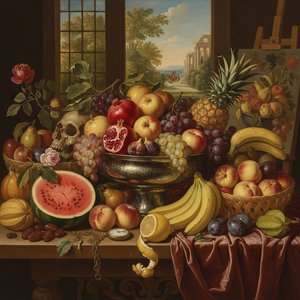
The Bountiful Still Life: Symbolism & Artistic Representation of Fruit Across Art History
Explore the rich history of still life painting & the symbolism of fruit across art movements. Discover masterpieces from Caravaggio to Cézanne with ArtsDot – expert guidance & museum-quality reproductions.
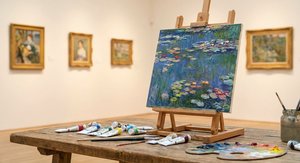
Impresionismo: 10 Obras Maestras que Capturan la Luz y el Momento
Descubre 10 obras maestras del impresionismo de Monet, Renoir y Degas. Explora la luz, el color y las historias detrás de estos icónicos cuadros. Reproducciones de arte en ArtsDot.com para decorar tu hogar con estilo.