

 Ver en contexto
 Enviar
 Compartir
 Detalles

 Descargar
 Similares
 Radiografía
 Presentación de diapositivas
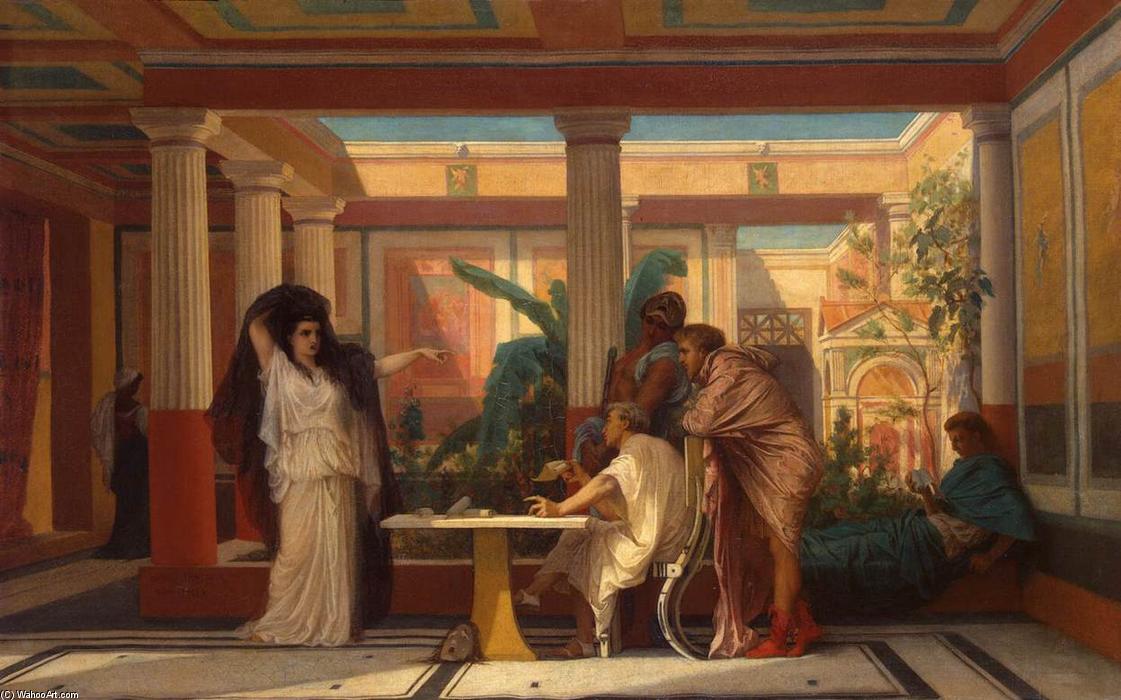
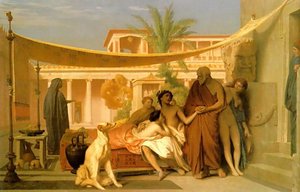
Theatrical Rehearsal in the House of an Ancient Rome Poet
 Acrylic On Canvas
- WallArt
- Néo-Grec
 1855
1855- 19th Century
 48.0 x 76.0 cm
 Museo del Hermitage
 Ver más
Reproducción al óleo hecha a mano
Óleo sobre lienzo pintado a mano en el tamaño y marco de su elección, realizado por encargo por nuestros artistas. ( Comprar impresión Comprar imagen)




P118B $10

P118H $10

P118W $10

P438Z $10

P508JH $12

P508YH $12

P805H $10

P805Z $10

P919BZ $10

P919G $10

P919XJ $10

P959ZH $10

P968JZ $12

W106C $8

W218G $10

W218JH $8

W218Y $10

W307PJ $10

W316G $10

W316PJ $8

W316Y $10

W398PJ $8

W4111J $10

W500HY $15

W500JH $15

W692G $12

W849H $8

W940BG $15

W953PJ $8




Elija entre nuestros tamaños predefinidos que respetan las proporciones originales de la obra.

Puede ingresar sus propias dimensiones para adaptarse a un marco o espacio específico. Si el tamaño seleccionado no coincide con las proporciones de la imagen original, recortaremos la obra o extenderemos la pintura con elementos adicionales pintados a mano. Se le enviará una maqueta digital para su aprobación antes de comenzar la producción.
Tenga en cuenta que la vista previa en pantalla no refleja el recorte o la extensión reales. Solo la maqueta mostrará con precisión la composición final.
Si bien existen tamaños personalizados, recomendamos seleccionar una dimensión de la lista predefinida para preservar las proporciones originales.
Tras realizar el pedido, el equipo de ArtsDot.com enviará un correo electrónico al cliente para solicitar instrucciones y proporcionarle una vista previa del boceto.
Envío a todo el mundo () en 3-4 semanas en lugar de las 5 semanas estándar. (6 septiembre). Sin comprometer la calidad.

Envío exprés gratuito a todo el mundo

Lienzo de lino de alta calidad

Seguro de envío total

Garantía de reembolso de impuestos aduaneros

Garantía de fidelidad cromática exacta

Política de devolución de 100 días (solo por defectos)

Garantía de devolución del 100% del dinero

Descuento por cantidad
 La opción de vidrio solo está disponible en tamaños inferiores a 110 cm.

Theatrical Rehearsal in the House of an Ancient Rome Poet
Técnica de reproducción
Dimensiones de la reproducción
-


Precio total final
$ 263
A Glimpse of Roman Life: Theatrical Rehearsal in the House of an Ancient Rome Poet
Gustave Clarence Rodolphe Boulanger’s “Theatrical Rehearsal in the House of an Ancient Rome Poet,” painted in 1855, is more than just a depiction of a scene; it's a vibrant portal into the heart of 19th-century Neoclassical art and its fascination with antiquity. The painting captures a fleeting moment within a Roman poet’s home – a rehearsal for a performance, perhaps a dramatic reading or a recitation of verse – brimming with an atmosphere of intellectual pursuit, theatricality, and subtle sensuality. Boulanger, deeply influenced by the Néo-Grec movement, masterfully blends classical ideals with a distinctly Romantic sensibility, imbuing the scene with both grandeur and intimacy.
The composition is immediately arresting. Two women, elegantly dressed in flowing togas, dominate the foreground, engaged in animated conversation. Their gestures are fluid, their expressions hinting at passion and intrigue. Around them, four other figures – likely actors or members of the poet’s circle – contribute to the dynamic tableau. A dining table laden with scrolls and writing implements suggests a space dedicated to creative work, while two chairs offer moments of respite. The architectural setting itself is meticulously rendered, transporting the viewer into a richly decorated Roman interior, complete with columns, frescoes, and decorative details that evoke the grandeur of Pompeii. Boulanger’s attention to detail is remarkable; one can almost feel the cool marble beneath their feet and hear the rustle of silk.
The Neoclassical Vision: Echoes of Antiquity
Boulanger's work firmly places itself within the context of the Néo-Grec movement, a reaction against the prevailing Romanticism that sought to revive the artistic principles and subject matter of ancient Greece and Rome. This revival wasn’t simply an imitation; it was a deliberate reimagining, informed by contemporary sensibilities. Boulanger, along with Jean-Léon Gérôme, championed a style characterized by idealized forms, precise draftsmanship, and a focus on classical themes – but with a crucial twist: they infused these subjects with a heightened emotional intensity and a subtle eroticism that challenged the rigid conventions of academic art.
The influence of Pompeii is undeniable. Boulanger’s meticulous depiction of Roman architecture, furniture, and decorative elements clearly draws inspiration from the excavated ruins of this ancient city. However, he doesn't merely reproduce these details; he uses them to create a believable and engaging scene, imbuing it with life and drama. The painting reflects a broader fascination with antiquity that gripped Europe during the 19th century – a desire to reconnect with the perceived virtues and wisdom of the classical world.
Technique and Palette: A Masterful Blend
Executed in oil on canvas, “Theatrical Rehearsal” showcases Boulanger’s exceptional technical skill. His brushwork is smooth and confident, creating a sense of depth and realism. The use of light and shadow is particularly effective, highlighting the figures and architectural details while casting subtle shadows that add to the painting's atmosphere. Boulanger employs a rich, warm palette dominated by earthy tones – ochres, siennas, and browns – punctuated by flashes of color in the women’s garments and the decorative elements within the room. These colors contribute to the painting’s overall sense of warmth and vitality.
The artist's meticulous attention to detail is further evidenced by his skillful rendering of textures—the folds of the togas, the sheen of marble, the roughness of scrolls. Boulanger demonstrates a mastery of chiaroscuro, creating dramatic contrasts between light and dark that heighten the sense of drama and depth within the scene.
Symbolism and Emotional Resonance
Beyond its technical brilliance, “Theatrical Rehearsal” is rich in symbolism. The rehearsal itself represents the creative process – a moment of intense concentration and collaboration. The women’s animated conversation suggests intellectual exchange and perhaps even romantic tension. The presence of scrolls and writing implements underscores the importance of literature and poetry within Roman society. The overall mood of the painting is one of lively engagement, intellectual curiosity, and subtle sensuality.
Boulanger's work invites us to contemplate the intersection of art, culture, and social life in 19th-century Rome. It’s a testament to his artistic vision and technical skill—a captivating glimpse into a world where classical ideals were reinterpreted through a distinctly Romantic lens. Reproductions of this piece offer a beautiful way to bring a touch of Roman elegance and intellectual vibrancy into any space.
Obras relacionadas
Biografía del artista
Gustave Boulanger: Vida y Legado
Primeros Años y Educación
- Nacido: París, Francia en 1824.
- Huérfano a los catorce años, fue puesto bajo la tutela de su tío, Constant Desbrosses.
- Comenzó su formación artística en 1840, primero con Pierre-Jules Jollivet, y luego con Paul Delaroche.
- Mientras estudiaba bajo Delaroche, se hizo amigo del artista Jean-Léon Gérôme, una relación que influyó significativamente en su carrera.
Desarrollo Artístico e Influencias
- El desarrollo artístico de Boulanger fue moldeado por el movimiento Néo-Grec, que revisó los temas clásicos con una perspectiva fresca.
- Un viaje a Argelia en 1845 despertó su interés por los temas Orientalistas, inspirándolo a incorporar escenarios y motivos del norte de África en su obra.
- Sus estudios en la École de Rome, incluyendo visitas a Pompeya, proporcionaron inspiración para muchos de sus pinturas históricas.
- Influencias Clave: Pierre-Jules Jollivet, Paul Delaroche, Jean-Léon Gérôme y la antigüedad clásica.
Obras Principales y Temas
- Ulises (1849): La pintura que le ganó el Prix de Rome, mostrando su habilidad para representar narrativas clásicas con matices orientalistas.
- Un Café Berebere (1848): Un ejemplo temprano de su fascinación por los temas orientalistas y las representaciones detalladas de la vida cotidiana.
- Júlio César en el Rubicón (1865): Una pintura histórica que demuestra su maestría del estilo académico y la composición dramática.
- El Paseo por la Calle de las Tumbas, Pompeya (1869): Reflejando su interés en los descubrimientos arqueológicos y la recreación de la vida romana antigua.
- El Mercado de Esclavos (1888): Una obra posterior que muestra su continua exploración de temas históricos y exóticos.
- Temas Recurrentes: Mitología clásica, escenas orientalistas, eventos históricos y representaciones de la vida cotidiana en entornos antiguos.
Logros y Reconocimientos
- Ganó el Prix de Rome en 1849, lo que le permitió obtener una beca para estudiar en la Académie de France à Rome.
- Recibió numerosas medallas a lo largo de su carrera por sus logros artísticos.
- Se convirtió en miembro del Institut de Francia en 1882, un honor prestigioso que reconocía sus contribuciones al arte francés.
- Sirvió como profesor en el Institut de Francia desde 1882, influyendo a una nueva generación de artistas. Era conocido por su aversión al Impresionismo.
Significado Histórico y Legado
- La obra de Boulanger ejemplifica el arte Académico del siglo XIX, caracterizado por su meticuloso detalle, precisión histórica e influencias clásicas.
- Jugó un papel clave en la popularización del Orientalismo en la pintura francesa, contribuyendo a una mayor fascinación con la cultura y la estética del norte de África.
- Sus pinturas proporcionan valiosos conocimientos sobre los gustos artísticos y los valores culturales de su tiempo.
- Legado: La influencia de Boulanger se puede ver en el trabajo de las generaciones posteriores de artistas que continuaron explorando temas históricos y exóticos. Su dedicación a los principios académicos y la habilidad técnica son admiradas hoy en día por los historiadores del arte y los coleccionistas.
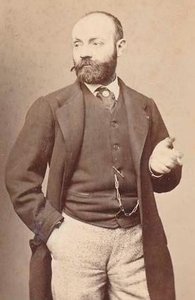
Gustavo Clarence Rodolphe Boulanger
1824 - 1888 , Francia
Datos clave
- Artistic Movement Or Style: Académico, Orientalismo, Neo-Grec
- Artists Who Influenced This Artist:
- Pierre-Jules Jollivet
- Paul Delaroche
- Jean-Léon Gérôme
- Date Of Birth: 25 abril 1824 París, Francia
- Date Of Death: 22 septiembre 1888 París, Francia
- Full Name: Gustave Clarence Rodolphe Boulanger
- Nationality: Francés
- Notable Artworks:
- Ulysses
- A Moorish Cafe
- Cæsar at the Rubicon
- The Slave Market
- Place Of Birth: París, Francia
Artículos relacionados
Gustav Klimt: Las 25 Obras Maestras que Definen un Ícono del Arte Moderno | ArtsDot
Descubre las 25 obras maestras de Gustav Klimt, ícono del simbolismo y Art Nouveau. Explora 'El Beso', 'Judith' y más. Reproducciones de arte en ArtsDot.com para decorar tu hogar con elegancia. ¡Inspírate!
Bartolomeo Pinelli: Neoclassical Linearity & Roman Topography of Memory
Explore the captivating world of Bartolomeo Pinelli, a master Italian engraver renowned for his evocative Roman scenes & historical narratives. Discover his art and legacy with ArtsDot.
Giovanni Paolo Panini: Capturing Roman Grandeur – A Vedute Master's Legacy
Explore the captivating world of Giovanni Paolo Panini, master of Roman vedute painting. Discover his technique, iconic works, influence on art history & collecting advice from experts at ArtsDot.
Art Nouveau: 10 Obras Maestras que Definieron un Movimiento Revolucionario |
Descubre las 10 obras maestras del Art Nouveau que revolucionaron el arte. Explora la belleza de Mucha, Klimt y más. Reproducciones de museo en para un hogar con estilo. ¡Inspírate ahora!
Echoes of Antiquity: Exploring Themes & Techniques in Classical Art Masterpieces
Explore the timeless beauty & profound themes of Classical art! Discover Greek & Roman masterpieces, Neoclassical revivals, and the enduring influence on artistic movements. Expert insights & high-quality reproductions at ArtsDot.