 Ver en contexto
 Enviar
 Compartir
 Detalles

 Descargar
 Similares
 Radiografía
 Presentación de diapositivas
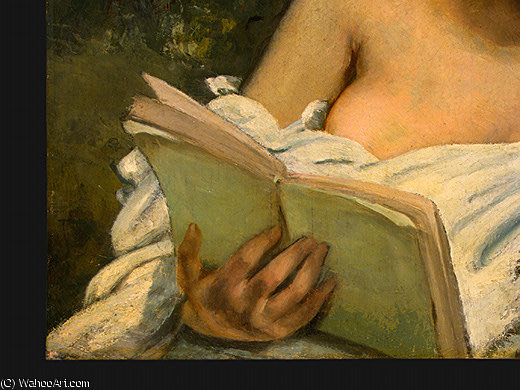
A Young Woman Reading, detalj 3, NG Washi


 Ver más
Giclée / Impresión de arte
Impresiones giclée o en lienzo de calidad de museo con producción rápida y opciones de acabado flexibles. ( Comprar pintura hecha a mano Comprar imagen)




P118B $10

P118H $10

P118W $10

P438Z $10

P508JH $12

P508YH $12

P805H $10

P805Z $10

P919BZ $10

P919G $10

P919XJ $10

P959ZH $10

P968JZ $12

W106C $8

W218G $10

W218JH $8

W218Y $10

W307PJ $10

W316G $10

W316PJ $8

W316Y $10

W398PJ $8

W4111J $10

W500HY $15

W500JH $15

W692G $12

W849H $8

W940BG $15

W953PJ $8




Elija entre nuestros tamaños predefinidos que respetan las proporciones originales de la obra.

Puede introducir sus propias dimensiones para adaptarse a un marco o espacio específico. Si el tamaño seleccionado no coincide con las proporciones de la imagen original, recortaremos la obra de arte o extenderemos la imagen con un borde con efecto espejo o de color sólido. Se enviará una maqueta digital para su aprobación antes de que comience la producción.
Tenga en cuenta que la vista previa en pantalla no refleja el recorte o la extensión real. Solo la maqueta mostrará con precisión la composición final.
Aunque existen tamaños personalizados, recomendamos seleccionar una dimensión de la lista predefinida para preservar las proporciones originales.
Envío a todo el mundo () en 2 semanas en lugar de las 4/5 semanas estándar. (29 agosto)

Envío exprés gratuito a todo el mundo

Lienzo de lino de alta calidad

Seguro de envío total

Garantía de reembolso de impuestos aduaneros

Garantía de fidelidad cromática exacta

Política de devolución de 60 días (solo por defectos)

Garantía de devolución del 100% del dinero

Descuento por cantidad
 La opción de vidrio solo está disponible en tamaños inferiores a 110 cm.

A Young Woman Reading, detalj 3, NG Washi
Giclée / Impresión de arte
Dimensiones de la reproducción
-


Precio total final
$ 62
A Sanctuary of Solitude: The Quiet Power of Courbet’s Vision
In the quiet corners of art history, few moments capture the profound beauty of stillness as masterfully as Gustave Courbet’s 1868 masterpiece, "A Young Woman Reading." This painting is far more than a mere depiction of a domestic scene; it is an intimate window into a private world, inviting the viewer to pause and share in a moment of deep, intellectual repose. As she sits nestled upon her bed, the woman is entirely lost to the pages before her, her physical presence anchored by the weight of the book and the heavy, comforting textures of her surroundings. There is an undeniable magnetism in her solitude, a sense that we are witnessing something sacred and unobserved—a fleeting instance of peace in an ever-changing world.
The composition is a masterclass in understated balance, designed to guide the eye through a landscape of quietude. To her left, a simple chair stands as a silent companion, while a subtle touch of greenery from a potted plant in the upper corner breathes life into the scene without disrupting its contemplative mood. Courbet avoids the grand, sweeping gestures typical of the Romantic era, opting instead for a grounded, earthbound arrangement. This deliberate simplicity allows the subject’s downward gaze and the rhythmic placement of her hands to become the emotional heartbeat of the work, symbolizing a profound connection between the human spirit and the transformative power of literature.
The Radical Truth of Realism
To understand this painting is to understand the revolutionary spirit of Realism. During a period when many artists sought to idealize beauty or depict heroic legends, Courbet emerged as a defiant rebel, insisting on portraying life exactly as it was—unvarnished, honest, and raw. In "A Young Woman Reading," he eschews the polished, ethereal glow of academic painting in favor of a palette rooted in the natural world. His use of deep browns, warm ochres, and muted greens creates an atmosphere that feels tactile and lived-in, as if one could reach out and feel the coarse weave of the fabric or the cool surface of the furniture.
His technique is equally courageous. Rather than hiding his hand behind seamless blending, Courbet allows visible brushstrokes to convey a sense of immediacy and physical presence. Through the sophisticated use of glazing—applying thin, translucent layers of pigment—he achieves a remarkable depth and luminosity that breathes life into the shadows. This meticulous attention to texture ensures that every element, from the soft skin of the subject to the sturdy edges of the book, possesses a tangible reality. It is this commitment to the "truth" of the material world that makes the piece so enduringly powerful for the modern observer.
An Enduring Inspiration for the Modern Interior
For the discerning collector or interior designer, a reproduction of this caliber offers much more than mere decoration; it provides an emotional anchor for a room. The painting’s earthy tones and tranquil subject matter make it a versatile centerpiece, capable of bringing a sense of sophisticated calm to a library, a study, or a serene bedroom suite. It speaks to a lifestyle that values introspection, intellect, and the beauty found in life's quietest intervals.
Owning a piece that captures Courbet’s radical embrace of reality allows one to surround themselves with the strength of historical defiance and the elegance of naturalism. Whether placed in a contemporary minimalist setting or a more traditional, richly textured space, "A Young Woman Reading" serves as a constant reminder of the profound dignity found in moments of reflection. It is an investment in atmosphere, a tribute to the art of observation, and a timeless addition to any curated collection of fine art.
Biografía del artista
Gustave Courbet: Un Pionero del Realismo
Primeros Años y Educación
- Nacido el 31 de julio de 1819 en Ornans, Francia, Gustave Courbet emergió de una familia burguesa relativamente próspera.
- Sus primeras inclinaciones artísticas fueron cultivadas por su madre, quien animó sus habilidades para dibujar.
- Recibió formación formal en la École des Beaux-Arts en París, comenzando en 1839, aunque a menudo chocaba con las convenciones académicas.
- Influencias durante este período incluyeron a Eugène Delacroix y Théodore Géricault, pero Courbet finalmente rechazó su idealismo romántico.
Desarrollo Artístico y Temas Clave
- El desarrollo artístico de Courbet estuvo marcado por una deliberada rechazo a los estilos de pintura académica. Buscó representar el mundo tal como lo veía, sin idealización ni embellecimiento.
- Sus primeras obras exploraron paisajes y retratos, gradualmente desplazándose hacia escenas de la vida cotidiana y sujetos de la clase trabajadora.
- Temas clave en su obra incluyen el realismo social, la vida rural y la dignidad del trabajo.
- A menudo elegía formatos a gran escala tradicionalmente reservados para pinturas históricas o religiosas para representar a personas comunes y eventos cotidianos.
Obras Maestras y Logros
- “Los Pedreros” (1849): Esta obra maestra temprana, aunque lamentablemente destruida durante la Segunda Guerra Mundial, ejemplificó el compromiso de Courbet para representar las duras realidades de la vida de la clase trabajadora.
- “El Funeral en Ornans” (1850): Un lienzo monumental que desafió las nociones convencionales de la pintura histórica al retratar un funeral provincial con un realismo inquebrantable.
- “El Estudio del Pintor” (1855): Una obra alegórica que refleja la filosofía artística de Courbet y su compromiso con los problemas sociales contemporáneos.
- “Vista en el Bosque de Fontainebleau” (1855): Demuestra su habilidad en la pintura de paisajes, capturando la belleza natural del bosque mientras mantiene un enfoque realista.
- Su participación en el Salón des Refusés en 1863, mostrando obras rechazadas por el Salón oficial, consolidó aún más su reputación como artista rebelde.
Influencias y Legado
- Si bien rechazaba las tradiciones académicas, Courbet fue influenciado por maestros anteriores como Caravaggio por su realismo dramático y el uso de la luz y la sombra.
- Tuvo un impacto profundo en los movimientos artísticos posteriores, particularmente Impresionismo y Postimpresionismo, al liberar a los artistas de las limitaciones de la representación tradicional.
- Su énfasis en el comentario social allanó el camino para artistas posteriores comprometidos socialmente.
- El legado de Courbet se extiende más allá de sus pinturas; fue un defensor vocal de la libertad artística y el cambio político.
Significado Histórico
- Gustave Courbet desempeñó un papel fundamental en el desarrollo del Realismo como una fuerza dominante en el arte del siglo XIX.
- Su obra desafió las normas establecidas e inició un debate sobre el propósito y la función del arte en la sociedad.
- Participó activamente en los tumultos políticos de su tiempo, incluida la Comuna de París de 1871, lo que llevó a un período de exilio en Suiza.
- Courbet falleció el 29 de abril de 1877, dejando atrás un cuerpo de trabajo que continúa inspirando y provocando al público actual.
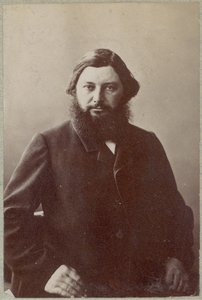
Gustave Courbet
1819 - 1877 , Francia
Datos clave
- Artistas Influenciados Por Este Artista:
- Impresionismo
- Postimpresionismo
- Artistas Que Influyeron:
- Eugène Delacroix
- Théodore Géricault
- Caravaggio
- Fecha De Muerte: 29 de abril de 1877
- Fecha De Nacimiento: 31 de julio de 1819
- Lugar De Nacimiento: Orleans, Francia
- Movimiento Artístico: Realismo
- Nacionalidad: Francés
- Nombre Completo: Gustave Courbet
- Obras Notables:
- Los Pedreros
- Un entierro en Ornans
- El Estudio del Pintor
- Vista en el Bosque de Fontainebleau
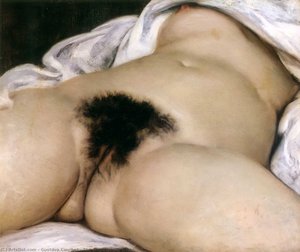
- El Origen del Mundo
Artículos relacionados
Gustav Klimt: Las 25 Obras Maestras que Definen un Ícono del Arte Moderno | ArtsDot
Descubre las 25 obras maestras de Gustav Klimt, ícono del simbolismo y Art Nouveau. Explora 'El Beso', 'Judith' y más. Reproducciones de arte en ArtsDot.com para decorar tu hogar con elegancia. ¡Inspírate!
Gustave Courbet: Realism's Revolutionary Vision & the Social Canvas of 19th-Century France
Explore the revolutionary art of Gustave Courbet, pioneer of Realism. Discover his iconic paintings, social commentary, and lasting impact on 19th-century French art history. Expert analysis & insights.

Romantic Realism's Finest: 10 Masterpieces for Your Home | ArtsDot
Explore 10 defining masterpieces of Romantic Realism! Discover Courbet, Millet & Daumier's powerful paintings—capturing emotion and social realities. Find museum-quality reproductions for your home at ArtsDot.com.

Realismo en el Arte: 10 Obras Maestras que Cambiaron la Historia |
Descubre 10 obras maestras del Realismo que revolucionaron el arte. Explora la historia de Courbet, Millet y otros pintores realistas. Encuentra reproducciones de alta calidad para decorar tu hogar con

Realismo en el Arte: 10 Obras Maestras para Decorar con Autenticidad
Descubre 10 obras maestras del realismo, desde Courbet a Vermeer. Explora la historia, técnica y significado de estos icónicos cuadros. Encuentra reproducciones de arte de museo en ArtsDot.com y decora con autenticidad.