

 Ver en contexto
 Enviar
 Compartir
 Detalles

 Descargar
 Similares
 Radiografía
 Presentación de diapositivas
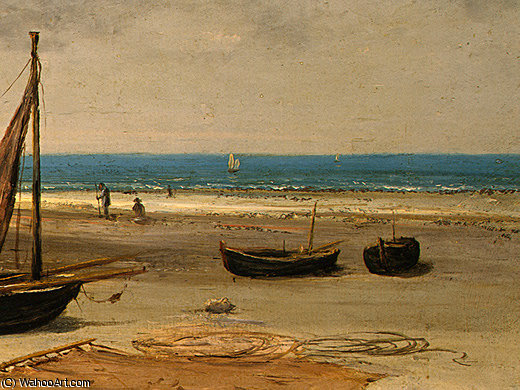
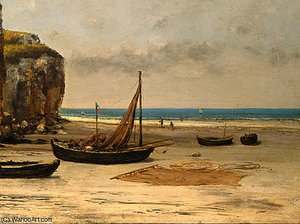
Beach in Normandy, Detalj 4, NG Washingto


 Ver más
Adquiera una imagen digital de alta resolución y optimizada, muy superior a la vista previa en línea.
Cada archivo es preparado meticulosamente por nuestros especialistas internos mediante el uso de herramientas avanzadas y un experto retoque manual. Nos aseguramos de que cada imagen posea una claridad excepcional, una precisión cromática impecable y un detalle minucioso.
El archivo final se entrega por correo electrónico en un plazo de 72 horas, optimizado para su uso inmediato en entornos profesionales, editoriales y de impresión. Esta es la misma calidad en la que confían los estudios de diseño, las editoriales y las galerías de primer nivel.
Imagen Digital
Descarga un archivo de alta resolución para exhibición personal, impresión y proyectos creativos. ( Comprar impresión Comprar pintura hecha a mano)
Incluido en cada pedido de imágenes digitales
Entrega digital experta, garantizada.
Al elegir ArtsDot.com, no solo está adquiriendo una imagen; está recibiendo una obra de arte digital mejorada profesionalmente, elaborada con precisión y respaldada por una garantía de satisfacción. Esto es todo lo que incluye su pedido, automáticamente:

Entrega rápida por email
Recibirá su archivo de imagen digital en alta resolución por correo electrónico en un plazo de 72 horas tras realizar su pedido, listo para su uso inmediato.

Archivo digital optimizado por IA
Su obra de arte se optimiza profesionalmente mediante herramientas avanzadas de IA y edición manual, garantizando el máximo detalle, claridad y precisión cromática.

Reenvío gratuito de por vida
¿Has borrado o perdido tu archivo por error? No te preocupes: te lo volveremos a enviar en cualquier momento, sin coste adicional.

Sin gastos de importación, siempre
Disfrute de su obra de arte al instante sin aduanas, aranceles ni gastos de envío; las descargas digitales siempre están libres de impuestos.

Garantía de fidelidad de color
Garantizamos que su imagen digital refleje los colores originales con la mayor fidelidad posible, mediante el uso de herramientas profesionales y gestión del color.

Garantía de satisfacción de 60 días
Si no está satisfecho con su imagen digital, la revisaremos o le reembolsaremos el 100% en un plazo de 60 días, sin preguntas.

100% Garantía de devolución de dinero
¿No está satisfecho? Obtenga un reembolso completo dentro de los 60 días posteriores a la recepción de su archivo digital, sin necesidad de explicaciones.

Descuentos por pedidos grandes
Compra 3 imágenes, ahorra 10% - Compra 5, ahorra 15% - Compra 10+, ahorra 20%. Ideal para proyectos creativos, galerías y agencias.
A Window into the Realist Soul
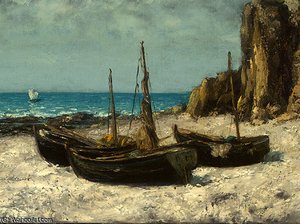
In the vast landscape of nineteenth-century art, few works possess the raw, unvarnished vitality found in Gustave Courbet’s Beach in Normandy. This masterpiece serves as more than a mere depiction of a coastal scene; it is an invitation to witness the world through the eyes of a rebel. Created around 1875, the painting captures a moment of quiet yet profound existence on the French coast. As the eye wanders across the canvas, one encounters towering, sheer cliffs that loom with a majestic, almost intimidating presence on the left, providing a dramatic vertical contrast to the expansive, sun-drenched shore. Scattered across the sand are several boats, resting like weary travelers after a day at sea, while small figures and a wandering dog add a layer of lived-in intimacy to the vastness of the landscape.
The composition is masterfully balanced, guiding the viewer from the rugged geological structures toward the gentle movement of life on the beach. A single bird glides through the sky, a delicate touch of motion that breathes life into the atmosphere, while the presence of people—some near the boats, others receding into the distance—suggests a narrative of everyday labor and leisure. For the collector or interior designer, this piece offers a sense of expansive serenity, making it an ideal focal point for spaces that require a connection to the natural world and a touch of historical gravity.
The Texture of Truth: Technique and Style
To understand Beach in Normandy, one must understand Courbet’s rejection of the ethereal. As the definitive architect of the Realism movement, Courbet abandoned the polished, idealized aesthetics of Romanticism in favor of a tactile, honest engagement with reality. His technique is famously characterized by a heavy use of impasto—the thick, sculptural application of paint that gives the canvas a physical weight. When observing this work, one does not just see the sand and stone; one feels the grit and the dampness of the coastal air through the textured surfaces he created.
His palette is intentionally grounded, utilizing earthy and muted tones that reflect the true colors of the natural world rather than an artist's romanticized whim. This commitment to "painting only what one can see" allows the light to play across the heavy textures in a way that feels authentic and immersive. For those seeking a high-quality reproduction, this emphasis on texture is vital; a faithful recreation must capture that interplay of light and thick pigment to truly convey the visceral energy Courbet intended. It is a style that does not merely decorate a room but commands it with an undeniable, rugged elegance.
A Legacy of Defiance and Beauty
Beyond its visual splendor, this painting carries the weight of a revolutionary spirit. Gustave Courbet was an iconoclast who challenged the academic institutions of his time, using his brush as a tool for social truth. In Beach in Normandy, we see the culmination of this philosophy: a refusal to embellish the landscape with myth or drama, choosing instead to find beauty in the honest, unadorned reality of the French coastline. The emotional impact of the work lies in this very sincerity—it is a peaceful yet powerful testament to the dignity of the everyday.
For the discerning art lover, owning a piece that embodies such historical significance provides a profound connection to the origins of modern art. Whether placed in a contemporary gallery setting or a classic study, this depiction of Normandy serves as a constant reminder of the beauty found in truth. It is an investment in a legacy of rebellion, a piece that brings not just color and light into a home, but a sense of enduring strength and historical depth.
Obras relacionadas
Biografía del artista
Gustave Courbet: Un Pionero del Realismo
Primeros Años y Educación
- Nacido el 31 de julio de 1819 en Ornans, Francia, Gustave Courbet emergió de una familia burguesa relativamente próspera.
- Sus primeras inclinaciones artísticas fueron cultivadas por su madre, quien animó sus habilidades para dibujar.
- Recibió formación formal en la École des Beaux-Arts en París, comenzando en 1839, aunque a menudo chocaba con las convenciones académicas.
- Influencias durante este período incluyeron a Eugène Delacroix y Théodore Géricault, pero Courbet finalmente rechazó su idealismo romántico.
Desarrollo Artístico y Temas Clave
- El desarrollo artístico de Courbet estuvo marcado por una deliberada rechazo a los estilos de pintura académica. Buscó representar el mundo tal como lo veía, sin idealización ni embellecimiento.
- Sus primeras obras exploraron paisajes y retratos, gradualmente desplazándose hacia escenas de la vida cotidiana y sujetos de la clase trabajadora.
- Temas clave en su obra incluyen el realismo social, la vida rural y la dignidad del trabajo.
- A menudo elegía formatos a gran escala tradicionalmente reservados para pinturas históricas o religiosas para representar a personas comunes y eventos cotidianos.
Obras Maestras y Logros
- “Los Pedreros” (1849): Esta obra maestra temprana, aunque lamentablemente destruida durante la Segunda Guerra Mundial, ejemplificó el compromiso de Courbet para representar las duras realidades de la vida de la clase trabajadora.
- “El Funeral en Ornans” (1850): Un lienzo monumental que desafió las nociones convencionales de la pintura histórica al retratar un funeral provincial con un realismo inquebrantable.
- “El Estudio del Pintor” (1855): Una obra alegórica que refleja la filosofía artística de Courbet y su compromiso con los problemas sociales contemporáneos.
- “Vista en el Bosque de Fontainebleau” (1855): Demuestra su habilidad en la pintura de paisajes, capturando la belleza natural del bosque mientras mantiene un enfoque realista.
- Su participación en el Salón des Refusés en 1863, mostrando obras rechazadas por el Salón oficial, consolidó aún más su reputación como artista rebelde.
Influencias y Legado
- Si bien rechazaba las tradiciones académicas, Courbet fue influenciado por maestros anteriores como Caravaggio por su realismo dramático y el uso de la luz y la sombra.
- Tuvo un impacto profundo en los movimientos artísticos posteriores, particularmente Impresionismo y Postimpresionismo, al liberar a los artistas de las limitaciones de la representación tradicional.
- Su énfasis en el comentario social allanó el camino para artistas posteriores comprometidos socialmente.
- El legado de Courbet se extiende más allá de sus pinturas; fue un defensor vocal de la libertad artística y el cambio político.
Significado Histórico
- Gustave Courbet desempeñó un papel fundamental en el desarrollo del Realismo como una fuerza dominante en el arte del siglo XIX.
- Su obra desafió las normas establecidas e inició un debate sobre el propósito y la función del arte en la sociedad.
- Participó activamente en los tumultos políticos de su tiempo, incluida la Comuna de París de 1871, lo que llevó a un período de exilio en Suiza.
- Courbet falleció el 29 de abril de 1877, dejando atrás un cuerpo de trabajo que continúa inspirando y provocando al público actual.
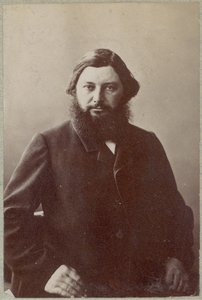
Gustave Courbet
1819 - 1877 , Francia
Breves datos
- Artistas Influenciados Por Este Artista:
- Impresionismo
- Postimpresionismo
- Artistas Que Influyeron:
- Eugène Delacroix
- Théodore Géricault
- Caravaggio
- Fecha De Muerte: 29 de abril de 1877
- Fecha De Nacimiento: 31 de julio de 1819
- Lugar De Nacimiento: Orleans, Francia
- Movimiento Artístico: Realismo
- Nacionalidad: Francés
- Nombre Completo: Gustave Courbet
- Obras Notables:
- Los Pedreros
- Un entierro en Ornans
- El Estudio del Pintor
- Vista en el Bosque de Fontainebleau
- El Origen del Mundo

