 Ver en contexto
 Enviar
 Compartir
 Detalles

 Descargar
 Similares
 Radiografía
 Presentación de diapositivas
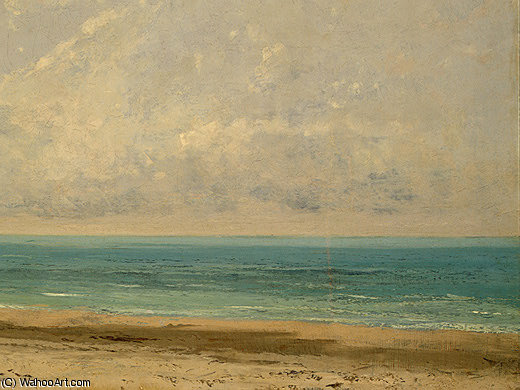
Calm Sea, Detalj 2, NG Washington


 Ver más
Giclée / Impresión de arte
Impresiones giclée o en lienzo de calidad de museo con producción rápida y opciones de acabado flexibles. ( Comprar pintura hecha a mano Comprar imagen)




P118B $10

P118H $10

P118W $10

P438Z $10

P508JH $12

P508YH $12

P805H $10

P805Z $10

P919BZ $10

P919G $10

P919XJ $10

P959ZH $10

P968JZ $12

W106C $8

W218G $10

W218JH $8

W218Y $10

W307PJ $10

W316G $10

W316PJ $8

W316Y $10

W398PJ $8

W4111J $10

W500HY $15

W500JH $15

W692G $12

W849H $8

W940BG $15

W953PJ $8




Elija entre nuestros tamaños predefinidos que respetan las proporciones originales de la obra.

Puede introducir sus propias dimensiones para adaptarse a un marco o espacio específico. Si el tamaño seleccionado no coincide con las proporciones de la imagen original, recortaremos la obra de arte o extenderemos la imagen con un borde con efecto espejo o de color sólido. Se enviará una maqueta digital para su aprobación antes de que comience la producción.
Tenga en cuenta que la vista previa en pantalla no refleja el recorte o la extensión real. Solo la maqueta mostrará con precisión la composición final.
Aunque existen tamaños personalizados, recomendamos seleccionar una dimensión de la lista predefinida para preservar las proporciones originales.
Envío a todo el mundo () en 2 semanas en lugar de las 4/5 semanas estándar. (26 agosto)

Envío exprés gratuito a todo el mundo

Lienzo de lino de alta calidad

Seguro de envío total

Garantía de reembolso de impuestos aduaneros

Garantía de fidelidad cromática exacta

Política de devolución de 60 días (solo por defectos)

Garantía de devolución del 100% del dinero

Descuento por cantidad
 La opción de vidrio solo está disponible en tamaños inferiores a 110 cm.

Calm Sea, Detalj 2, NG Washington
Giclée / Impresión de arte
Dimensiones de la reproducción
-


Precio total final
$ 62
Descripción de la pieza
Gustave Courbet’s “Calm Sea, Detalj 2, NG Washington”: A Testament to Realism
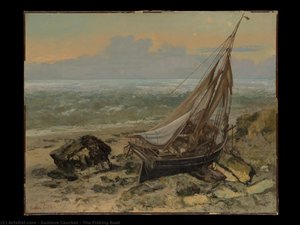
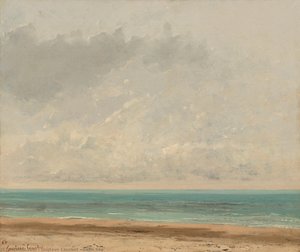
“Calm Sea, Detalj 2, NG Washington,” painted in 1866 by the revolutionary artist Gustave Courbet, offers a profoundly evocative glimpse into the heart of nineteenth-century coastal life. This work, a masterful example of Courbet’s unflinching realism, transcends mere landscape depiction; it's a statement about observation, humanity’s relationship with nature, and the burgeoning spirit of social commentary within French art. The painting captures a serene yet powerful moment on the shore – waves relentlessly crashing against the sand, a cloudy sky hinting at impending weather, and figures scattered across the beach, engaged in quiet contemplation or joyful activity. It is a scene brimming with life, rendered with an almost brutal honesty that would later define Courbet’s legacy.
The Radical Vision of Gustave Courbet
- A Rejection of Romantic Idealism: Born in 1819 in Orléans, France, Courbet emerged as a pivotal figure challenging the prevailing artistic trends of his era. Unlike the idealized and often fantastical scenes favored by Romantic painters like Delacroix, Courbet sought to depict reality as he perceived it – unvarnished, without embellishment or moralizing interpretation.
- The Rise of Realism: Courbet’s commitment to portraying the world truthfully aligned him with the burgeoning movement of realism, a reaction against academic conventions and a desire to represent everyday life for ordinary people. His work was often met with criticism from conservative critics who found his depictions of peasant life and industrial landscapes unsettling.
- A Political Statement: Courbet’s art wasn't simply about aesthetics; it carried a strong political message, reflecting his socialist sympathies and his belief in the dignity of labor. He frequently depicted working-class subjects and scenes of rural life, challenging the established social hierarchy.
Technique and Composition: A Study in Texture and Light
Executed with a bold and confident hand, “Calm Sea, Detalj 2” showcases Courbet’s mastery of impasto – applying thick layers of paint directly onto the canvas. This technique creates a remarkable tactile quality, allowing viewers to almost feel the roughness of the waves and the solidity of the sand. The artist's use of color is equally significant; muted blues, greens, and browns dominate the palette, reflecting the natural tones of the coastal environment. The composition itself is carefully constructed, with the figures strategically placed to draw the viewer’s eye across the scene and emphasize the scale of the ocean. The detail in capturing the reflections on the water and the subtle variations in the clouds further enhances the painting's realism.
Symbolism and Emotional Impact
Beyond its technical brilliance, “Calm Sea, Detalj 2” resonates with profound symbolic meaning. The sea itself is a recurring motif in Courbet’s work, representing both the power and the unpredictability of nature – a force that can be both beautiful and destructive. The presence of human figures adds another layer of interpretation, suggesting humanity's smallness in the face of the vast natural world, yet also our capacity for joy, contemplation, and connection. The painting evokes a sense of tranquility mixed with an underlying awareness of the forces at play, inviting viewers to contemplate their own place within this dynamic relationship.
A Timeless Masterpiece – Recreated for Today
ArtsDot offers meticulously crafted hand-painted reproductions of “Calm Sea, Detalj 2,” allowing you to bring this iconic work into your home or office. Each reproduction is created using the same techniques and materials as the original, ensuring an unparalleled level of detail and authenticity. Whether you are a seasoned art collector, an interior designer seeking to add a touch of artistic grandeur, or simply someone who appreciates beauty, this reproduction offers a unique opportunity to own a piece of art history.
Obras relacionadas
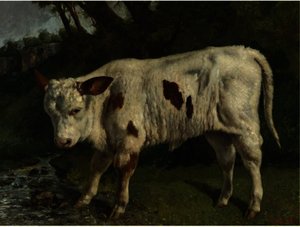
Biografía del artista
Gustave Courbet: Un Pionero del Realismo
Primeros Años y Educación
- Nacido el 31 de julio de 1819 en Ornans, Francia, Gustave Courbet emergió de una familia burguesa relativamente próspera.
- Sus primeras inclinaciones artísticas fueron cultivadas por su madre, quien animó sus habilidades para dibujar.
- Recibió formación formal en la École des Beaux-Arts en París, comenzando en 1839, aunque a menudo chocaba con las convenciones académicas.
- Influencias durante este período incluyeron a Eugène Delacroix y Théodore Géricault, pero Courbet finalmente rechazó su idealismo romántico.
Desarrollo Artístico y Temas Clave
- El desarrollo artístico de Courbet estuvo marcado por una deliberada rechazo a los estilos de pintura académica. Buscó representar el mundo tal como lo veía, sin idealización ni embellecimiento.
- Sus primeras obras exploraron paisajes y retratos, gradualmente desplazándose hacia escenas de la vida cotidiana y sujetos de la clase trabajadora.
- Temas clave en su obra incluyen el realismo social, la vida rural y la dignidad del trabajo.
- A menudo elegía formatos a gran escala tradicionalmente reservados para pinturas históricas o religiosas para representar a personas comunes y eventos cotidianos.
Obras Maestras y Logros
- “Los Pedreros” (1849): Esta obra maestra temprana, aunque lamentablemente destruida durante la Segunda Guerra Mundial, ejemplificó el compromiso de Courbet para representar las duras realidades de la vida de la clase trabajadora.
- “El Funeral en Ornans” (1850): Un lienzo monumental que desafió las nociones convencionales de la pintura histórica al retratar un funeral provincial con un realismo inquebrantable.
- “El Estudio del Pintor” (1855): Una obra alegórica que refleja la filosofía artística de Courbet y su compromiso con los problemas sociales contemporáneos.
- “Vista en el Bosque de Fontainebleau” (1855): Demuestra su habilidad en la pintura de paisajes, capturando la belleza natural del bosque mientras mantiene un enfoque realista.
- Su participación en el Salón des Refusés en 1863, mostrando obras rechazadas por el Salón oficial, consolidó aún más su reputación como artista rebelde.
Influencias y Legado
- Si bien rechazaba las tradiciones académicas, Courbet fue influenciado por maestros anteriores como Caravaggio por su realismo dramático y el uso de la luz y la sombra.
- Tuvo un impacto profundo en los movimientos artísticos posteriores, particularmente Impresionismo y Postimpresionismo, al liberar a los artistas de las limitaciones de la representación tradicional.
- Su énfasis en el comentario social allanó el camino para artistas posteriores comprometidos socialmente.
- El legado de Courbet se extiende más allá de sus pinturas; fue un defensor vocal de la libertad artística y el cambio político.
Significado Histórico
- Gustave Courbet desempeñó un papel fundamental en el desarrollo del Realismo como una fuerza dominante en el arte del siglo XIX.
- Su obra desafió las normas establecidas e inició un debate sobre el propósito y la función del arte en la sociedad.
- Participó activamente en los tumultos políticos de su tiempo, incluida la Comuna de París de 1871, lo que llevó a un período de exilio en Suiza.
- Courbet falleció el 29 de abril de 1877, dejando atrás un cuerpo de trabajo que continúa inspirando y provocando al público actual.
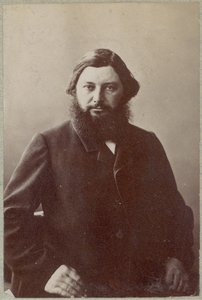
Gustave Courbet
1819 - 1877 , Francia
Datos clave
- Artistas Influenciados Por Este Artista:
- Impresionismo
- Postimpresionismo
- Artistas Que Influyeron:
- Eugène Delacroix
- Théodore Géricault
- Caravaggio
- Fecha De Muerte: 29 de abril de 1877
- Fecha De Nacimiento: 31 de julio de 1819
- Lugar De Nacimiento: Orleans, Francia
- Movimiento Artístico: Realismo
- Nacionalidad: Francés
- Nombre Completo: Gustave Courbet
- Obras Notables:
- Los Pedreros
- Un entierro en Ornans
- El Estudio del Pintor
- Vista en el Bosque de Fontainebleau
- El Origen del Mundo
Artículos relacionados

Giclée Prints: Archival Quality & Aesthetic Nuances for the Discerning Collector
Explore the world of giclée prints with ArtsDot. Learn about archival quality, aesthetic nuances & investment potential. Expert guidance for discerning art collectors seeking museum-quality reproductions and lasting value.

Echoes of Time: Exploring the Enduring Appeal & Historical Context of Vintage Art Prints
Explore the captivating world of vintage art prints! Discover their history, collecting tips & enduring appeal. Expert insights on chromolithography and building a legacy collection with ArtsDot.
Transforming Spaces: A Comprehensive Exploration of Wall Decor Through Art History & Contemporary Practice
Explore the art of transforming spaces with our comprehensive guide to wall decor. From historical movements to contemporary trends, discover how to curate impactful interiors and commission bespoke artwork for a truly personalized aesthetic.
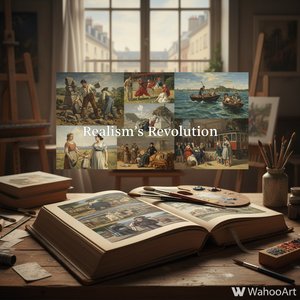
Realismo en el Arte: 10 Obras Maestras que Cambiaron la Historia |
Descubre 10 obras maestras del Realismo que revolucionaron el arte. Explora la historia de Courbet, Millet y otros pintores realistas. Encuentra reproducciones de alta calidad para decorar tu hogar con
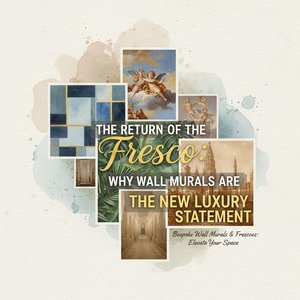
El Regreso del Fresco: Murales de Lujo para un Diseño Exclusivo
Descubre el arte del fresco: guía completa sobre técnicas, diseño y aplicaciones de lujo. Expertos en murales personalizados para hoteles y espacios exclusivos. ¡Transforma tu espacio con !