 Ver en contexto
 Enviar
 Compartir
 Detalles

 Descargar
 Similares
 Radiografía
 Presentación de diapositivas
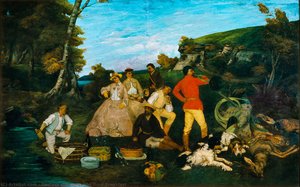
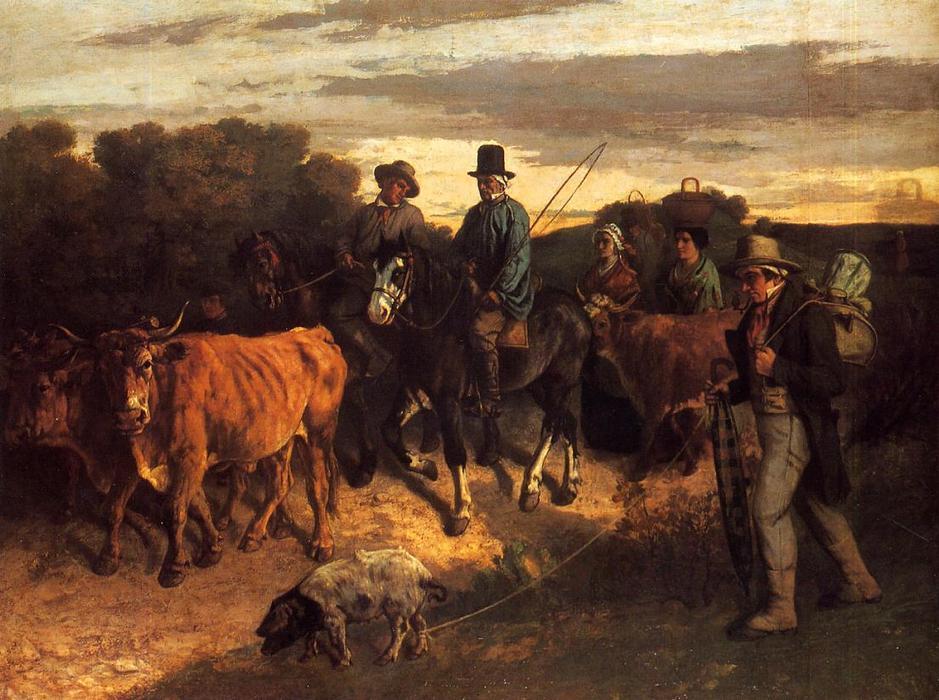
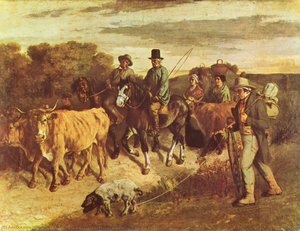
Los campesinos de Flagey regresando del mercado


 Ver más
Giclée / Impresión de arte
Impresiones giclée o en lienzo de calidad de museo con producción rápida y opciones de acabado flexibles. ( Comprar pintura hecha a mano Comprar imagen)




P118B $10

P118H $10

P118W $10

P438Z $10

P508JH $12

P508YH $12

P805H $10

P805Z $10

P919BZ $10

P919G $10

P919XJ $10

P959ZH $10

P968JZ $12

W106C $8

W218G $10

W218JH $8

W218Y $10

W307PJ $10

W316G $10

W316PJ $8

W316Y $10

W398PJ $8

W4111J $10

W500HY $15

W500JH $15

W692G $12

W849H $8

W940BG $15

W953PJ $8




Elija entre nuestros tamaños predefinidos que respetan las proporciones originales de la obra.

Puede introducir sus propias dimensiones para adaptarse a un marco o espacio específico. Si el tamaño seleccionado no coincide con las proporciones de la imagen original, recortaremos la obra de arte o extenderemos la imagen con un borde con efecto espejo o de color sólido. Se enviará una maqueta digital para su aprobación antes de que comience la producción.
Tenga en cuenta que la vista previa en pantalla no refleja el recorte o la extensión real. Solo la maqueta mostrará con precisión la composición final.
Aunque existen tamaños personalizados, recomendamos seleccionar una dimensión de la lista predefinida para preservar las proporciones originales.
Envío a todo el mundo () en 2 semanas en lugar de las 4/5 semanas estándar. (26 agosto)

Envío exprés gratuito a todo el mundo

Lienzo de lino de alta calidad

Seguro de envío total

Garantía de reembolso de impuestos aduaneros

Garantía de fidelidad cromática exacta

Política de devolución de 60 días (solo por defectos)

Garantía de devolución del 100% del dinero

Descuento por cantidad
 La opción de vidrio solo está disponible en tamaños inferiores a 110 cm.

Los campesinos de Flagey regresando del mercado
Giclée / Impresión de arte
Dimensiones de la reproducción
-


Precio total final
$ 62
Descripción de la pieza
A Window into Rural France: Gustave Courbet’s “The Peasants of Flagey Returning from the Fair”
Gustave Courbet's "The Peasants of Flagey Returning from the Fair," painted in 1855, stands as a cornerstone of Realism—a movement determined to dismantle Romantic idealism and portray life with unflinching honesty. More than just a depiction of a provincial fête, this monumental canvas embodies Courbet’s profound belief that art should reflect the everyday experiences of ordinary people, cementing his legacy as one of the most influential artists of the 19th century. Its presence at the Musée des Beaux-Arts in Besançon serves not merely as an aesthetic delight but as a tangible link to a pivotal moment in artistic history.Composition and Observation: Capturing Authenticity
The painting’s visual impact is immediately arresting due to its sheer scale—approximately 183 x 274 cm—allowing Courbet to immerse the viewer within the scene. He eschewed idealized landscapes or heroic narratives, opting instead for a meticulously observed depiction of Flagey village and its inhabitants returning from the annual fair. The composition prioritizes horizontal lines, emphasizing the expansive meadow upon which the peasants traverse. Horses and cows dominate the foreground, skillfully rendered with painstaking detail—a testament to Courbet’s dedication to capturing textures and nuances accurately. Figures are positioned strategically throughout the canvas, creating a dynamic interplay of movement and stillness. Notably, Courbet deliberately avoided central symmetry, furthering his commitment to portraying reality without embellishment.The Style of Realism: Beyond Romantic Sentiment
Courbet's approach directly challenged the prevailing artistic conventions of his time. Unlike Romantic painters who sought to elevate subjects through emotion and imagination, Courbet insisted on representing the world as it appeared—warts and all. He employed a technique characterized by thick impasto—heavy application of paint—creating palpable surfaces that convey the materiality of the scene. This bold stylistic choice was revolutionary, rejecting academic smoothness in favor of expressive brushstrokes that conveyed both visual accuracy and emotional resonance. Courbet’s palette is muted yet vibrant, reflecting the natural colors of the landscape and capturing the warmth of human interaction.Symbolism and Societal Commentary
Beyond its aesthetic merits, “The Peasants of Flagey Returning from the Fair” carries significant symbolic weight. The fair itself represents a microcosm of rural society—a celebration of labor, community spirit, and connection to the land. Courbet’s portrayal of these figures isn't merely descriptive; it’s imbued with an implicit critique of social hierarchies and idealized notions of pastoral life. He presents the peasants as dignified individuals engaged in honest work, rejecting romanticized depictions that often portrayed rural laborers as impoverished or melancholic. The painting serves as a powerful reminder of Courbet’s humanist vision—a belief that art should illuminate the complexities of human experience and foster empathy for those less privileged.A Legacy Enduring Inspiration
Courbet's influence extends far beyond his own lifetime, inspiring generations of artists who followed him. His unwavering commitment to realism paved the way for Impressionism and subsequent movements that prioritized capturing fleeting moments of sensory perception. Today, “The Peasants of Flagey Returning from the Fair” continues to resonate with audiences worldwide—a testament to Courbet’s enduring artistic genius and his profound contribution to the history of art. Discover more about Gustave Courbet's masterpiece at ArtsDot: Gustave Courbet: The Peasants of Flagey Returning from the Fair. Explore and purchase your own piece of art history!Obras relacionadas
Biografía del artista
Gustave Courbet: Un Pionero del Realismo
Primeros Años y Educación
- Nacido el 31 de julio de 1819 en Ornans, Francia, Gustave Courbet emergió de una familia burguesa relativamente próspera.
- Sus primeras inclinaciones artísticas fueron cultivadas por su madre, quien animó sus habilidades para dibujar.
- Recibió formación formal en la École des Beaux-Arts en París, comenzando en 1839, aunque a menudo chocaba con las convenciones académicas.
- Influencias durante este período incluyeron a Eugène Delacroix y Théodore Géricault, pero Courbet finalmente rechazó su idealismo romántico.
Desarrollo Artístico y Temas Clave
- El desarrollo artístico de Courbet estuvo marcado por una deliberada rechazo a los estilos de pintura académica. Buscó representar el mundo tal como lo veía, sin idealización ni embellecimiento.
- Sus primeras obras exploraron paisajes y retratos, gradualmente desplazándose hacia escenas de la vida cotidiana y sujetos de la clase trabajadora.
- Temas clave en su obra incluyen el realismo social, la vida rural y la dignidad del trabajo.
- A menudo elegía formatos a gran escala tradicionalmente reservados para pinturas históricas o religiosas para representar a personas comunes y eventos cotidianos.
Obras Maestras y Logros
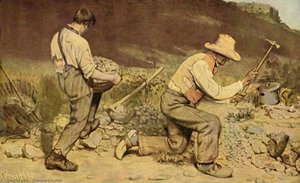
- “Los Pedreros” (1849): Esta obra maestra temprana, aunque lamentablemente destruida durante la Segunda Guerra Mundial, ejemplificó el compromiso de Courbet para representar las duras realidades de la vida de la clase trabajadora.
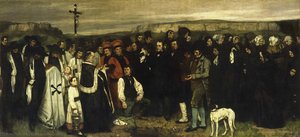
- “El Funeral en Ornans” (1850): Un lienzo monumental que desafió las nociones convencionales de la pintura histórica al retratar un funeral provincial con un realismo inquebrantable.
- “El Estudio del Pintor” (1855): Una obra alegórica que refleja la filosofía artística de Courbet y su compromiso con los problemas sociales contemporáneos.
- “Vista en el Bosque de Fontainebleau” (1855): Demuestra su habilidad en la pintura de paisajes, capturando la belleza natural del bosque mientras mantiene un enfoque realista.
- Su participación en el Salón des Refusés en 1863, mostrando obras rechazadas por el Salón oficial, consolidó aún más su reputación como artista rebelde.
Influencias y Legado
- Si bien rechazaba las tradiciones académicas, Courbet fue influenciado por maestros anteriores como Caravaggio por su realismo dramático y el uso de la luz y la sombra.
- Tuvo un impacto profundo en los movimientos artísticos posteriores, particularmente Impresionismo y Postimpresionismo, al liberar a los artistas de las limitaciones de la representación tradicional.
- Su énfasis en el comentario social allanó el camino para artistas posteriores comprometidos socialmente.
- El legado de Courbet se extiende más allá de sus pinturas; fue un defensor vocal de la libertad artística y el cambio político.
Significado Histórico
- Gustave Courbet desempeñó un papel fundamental en el desarrollo del Realismo como una fuerza dominante en el arte del siglo XIX.
- Su obra desafió las normas establecidas e inició un debate sobre el propósito y la función del arte en la sociedad.
- Participó activamente en los tumultos políticos de su tiempo, incluida la Comuna de París de 1871, lo que llevó a un período de exilio en Suiza.
- Courbet falleció el 29 de abril de 1877, dejando atrás un cuerpo de trabajo que continúa inspirando y provocando al público actual.
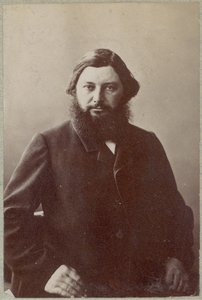
Gustave Courbet
1819 - 1877 , Francia
Datos clave
- Artistas Influenciados Por Este Artista:
- Impresionismo
- Postimpresionismo
- Artistas Que Influyeron:
- Eugène Delacroix
- Théodore Géricault
- Caravaggio
- Fecha De Muerte: 29 de abril de 1877
- Fecha De Nacimiento: 31 de julio de 1819
- Lugar De Nacimiento: Orleans, Francia
- Movimiento Artístico: Realismo
- Nacionalidad: Francés
- Nombre Completo: Gustave Courbet
- Obras Notables:
- Los Pedreros
- Un entierro en Ornans
- El Estudio del Pintor
- Vista en el Bosque de Fontainebleau
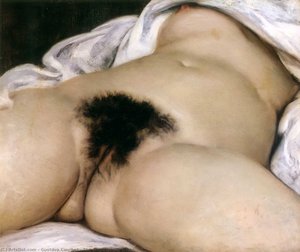
- El Origen del Mundo
Artículos relacionados
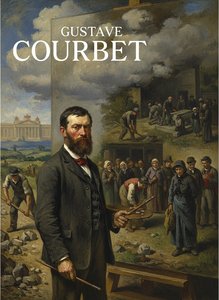
Gustave Courbet: Realism's Revolutionary Vision & the Social Canvas of 19th-Century France
Explore the revolutionary art of Gustave Courbet, pioneer of Realism. Discover his iconic paintings, social commentary, and lasting impact on 19th-century French art history. Expert analysis & insights.

Romantic Realism's Finest: 10 Masterpieces for Your Home | ArtsDot
Explore 10 defining masterpieces of Romantic Realism! Discover Courbet, Millet & Daumier's powerful paintings—capturing emotion and social realities. Find museum-quality reproductions for your home at ArtsDot.com.
Gustav Klimt: Las 25 Obras Maestras que Definen un Ícono del Arte Moderno | ArtsDot
Descubre las 25 obras maestras de Gustav Klimt, ícono del simbolismo y Art Nouveau. Explora 'El Beso', 'Judith' y más. Reproducciones de arte en ArtsDot.com para decorar tu hogar con elegancia. ¡Inspírate!
Realismo en el Arte: 10 Obras Maestras que Cambiaron la Historia |
Descubre 10 obras maestras del Realismo que revolucionaron el arte. Explora la historia de Courbet, Millet y otros pintores realistas. Encuentra reproducciones de alta calidad para decorar tu hogar con
The Enduring Appeal of Realism: Technique, History & Emotional Impact
Explore the captivating world of 19th-century Realism! Discover key artists like Courbet & Millet, masterpieces, and its lasting impact on art history. Expert insights at ArtsDot.