 Ver en contexto
 Enviar
 Compartir
 Detalles

 Descargar
 Similares
 Radiografía
 Presentación de diapositivas
Paisaje marino 2


 Ver más
Reproducción al óleo hecha a mano
Óleo sobre lienzo pintado a mano en el tamaño y marco de su elección, realizado por encargo por nuestros artistas. ( Comprar impresión Comprar imagen)




P118B $10

P118H $10

P118W $10

P438Z $10

P508JH $12

P508YH $12

P805H $10

P805Z $10

P919BZ $10

P919G $10

P919XJ $10

P959ZH $10

P968JZ $12

W106C $8

W218G $10

W218JH $8

W218Y $10

W307PJ $10

W316G $10

W316PJ $8

W316Y $10

W398PJ $8

W4111J $10

W500HY $15

W500JH $15

W692G $12

W849H $8

W940BG $15

W953PJ $8




Elija entre nuestros tamaños predefinidos que respetan las proporciones originales de la obra.

Puede ingresar sus propias dimensiones para adaptarse a un marco o espacio específico. Si el tamaño seleccionado no coincide con las proporciones de la imagen original, recortaremos la obra o extenderemos la pintura con elementos adicionales pintados a mano. Se le enviará una maqueta digital para su aprobación antes de comenzar la producción.
Tenga en cuenta que la vista previa en pantalla no refleja el recorte o la extensión reales. Solo la maqueta mostrará con precisión la composición final.
Si bien existen tamaños personalizados, recomendamos seleccionar una dimensión de la lista predefinida para preservar las proporciones originales.
Tras realizar el pedido, el equipo de ArtsDot.com enviará un correo electrónico al cliente para solicitar instrucciones y proporcionarle una vista previa del boceto.
Envío a todo el mundo () en 3-4 semanas en lugar de las 5 semanas estándar. (25 agosto). Sin comprometer la calidad.

Envío exprés gratuito a todo el mundo

Lienzo de lino de alta calidad

Seguro de envío total

Garantía de reembolso de impuestos aduaneros

Garantía de fidelidad cromática exacta

Política de devolución de 60 días (solo por defectos)

Garantía de devolución del 100% del dinero

Descuento por cantidad
 La opción de vidrio solo está disponible en tamaños inferiores a 110 cm.

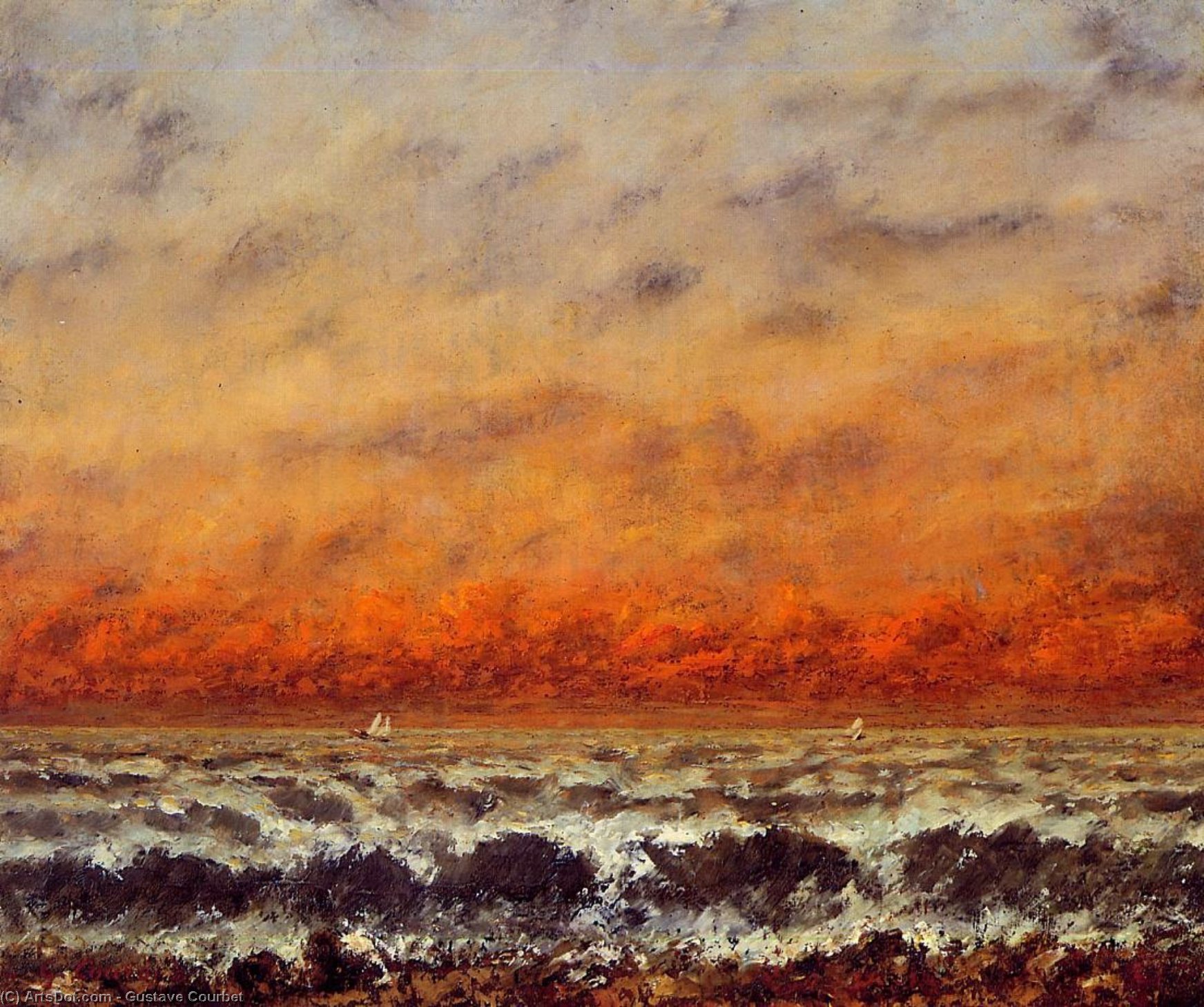
Paisaje marino 2
Técnica de reproducción
Dimensiones de la reproducción
-


Precio total final
$ 263
Descripción de la obra
A Symphony of Salt and Sunset: The Raw Power of Seascape 2
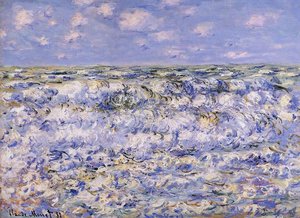
In the vast, turbulent theater of 19th-century art, few voices resonated with as much defiant clarity as that of Gustave Courbet. His work Seascape 2 stands not merely as a depiction of maritime life, but as a profound confrontation with the elemental forces of our world. To gaze upon this canvas is to witness the very moment where the sky meets the sea in a dramatic, unscripted embrace. The painting captures a seascape bathed in the fleeting, golden warmth of a setting sun, where the atmosphere is thick with the weight of approaching dusk and the salt spray of crashing waves. It is a scene that refuses to be tamamed by the polite conventions of academic art, offering instead a visceral experience of nature’s untamed majesty.
The composition is anchored by a sense of restless movement, a hallmark of Courbet’s Realist mastery. As the eye wanders across the horizon, it encounters two solitary boats, adrift amidst the churning whitecaps. One vessel lingers near the left foreground, while another appears as a distant silhouette toward the right, providing a crucial sense of scale and depth to the vast oceanic expanse. These boats serve as poignant symbols of human presence—fragile, transient, and dwarfed by the overwhelming energy of the Atlantic. The waves themselves are rendered with such palpable force that one can almost hear the rhythmic roar of the surf breaking against the shore, creating an immersive environment that pulls the viewer into the heart of the storm.
The Texture of Truth: Technique and Realist Vision
What distinguishes Seascape 2 from the idealized, often saccharine landscapes of the Romantic era is Courbet’s uncompromising dedication to texture and truth. Eschewing the smooth, invisible brushwork favored by his contemporaries, Courbet employs bold, assertive strokes that lend a tactile quality to the water and sky. The clouds are not mere wisps of vapor but heavy, sculptural masses that add a dramatic dimension to the heavens, catching the amber light of the sunset in a way that feels both luminous and weighty. This technique allows the artist to capture the "grit" of reality—the spray of the sea, the churning foam, and the shifting light—with an honesty that was revolutionary for its time.
The color palette is a masterclass in emotional resonance. The rich, vibrant hues of the sunset cast a warm, almost melancholic glow over the scene, contrasting sharply with the darker, more turbulent tones of the deep water. This interplay of light and shadow creates a dynamic tension, evoking a sense of both awe and unease. For the discerning collector or interior designer, this piece offers a sophisticated balance; it possesses the grandeur required for a focal point in a large gallery space, yet its deep, emotive tones provide an anchoring warmth that can transform a contemporary living space into a sanctuary of reflection.
An Enduring Legacy for the Modern Collector
Beyond its aesthetic brilliance, Seascape 2 carries the historical weight of a movement that changed art forever. As a pioneer of Realism, Courbet’s refusal to sugarcoat the world serves as an inspiration to those who value authenticity and raw emotion. This painting is more than a decorative element; it is a window into a period of artistic rebellion, where the goal was to paint only what could be seen and felt. It invites the viewer to contemplate our relationship with the natural world—a relationship defined by respect, vulnerability, and an enduring fascination with the sublime.
Whether displayed in a curated collection or used to breathe life into a modern architectural setting, a high-quality reproduction of this masterpiece brings with it the spirit of the French countryside and the rugged coastlines of Europe. It is an investment in atmosphere, offering a timeless elegance that transcends fleeting trends and speaks directly to the soul of anyone moved by the magnificent, unvarnished beauty of the earth.
Obras relacionadas

Biografía del artista
Gustave Courbet: Un Pionero del Realismo
Primeros Años y Educación
- Nacido el 31 de julio de 1819 en Ornans, Francia, Gustave Courbet emergió de una familia burguesa relativamente próspera.
- Sus primeras inclinaciones artísticas fueron cultivadas por su madre, quien animó sus habilidades para dibujar.
- Recibió formación formal en la École des Beaux-Arts en París, comenzando en 1839, aunque a menudo chocaba con las convenciones académicas.
- Influencias durante este período incluyeron a Eugène Delacroix y Théodore Géricault, pero Courbet finalmente rechazó su idealismo romántico.
Desarrollo Artístico y Temas Clave
- El desarrollo artístico de Courbet estuvo marcado por una deliberada rechazo a los estilos de pintura académica. Buscó representar el mundo tal como lo veía, sin idealización ni embellecimiento.
- Sus primeras obras exploraron paisajes y retratos, gradualmente desplazándose hacia escenas de la vida cotidiana y sujetos de la clase trabajadora.
- Temas clave en su obra incluyen el realismo social, la vida rural y la dignidad del trabajo.
- A menudo elegía formatos a gran escala tradicionalmente reservados para pinturas históricas o religiosas para representar a personas comunes y eventos cotidianos.
Obras Maestras y Logros
- “Los Pedreros” (1849): Esta obra maestra temprana, aunque lamentablemente destruida durante la Segunda Guerra Mundial, ejemplificó el compromiso de Courbet para representar las duras realidades de la vida de la clase trabajadora.
- “El Funeral en Ornans” (1850): Un lienzo monumental que desafió las nociones convencionales de la pintura histórica al retratar un funeral provincial con un realismo inquebrantable.
- “El Estudio del Pintor” (1855): Una obra alegórica que refleja la filosofía artística de Courbet y su compromiso con los problemas sociales contemporáneos.
- “Vista en el Bosque de Fontainebleau” (1855): Demuestra su habilidad en la pintura de paisajes, capturando la belleza natural del bosque mientras mantiene un enfoque realista.
- Su participación en el Salón des Refusés en 1863, mostrando obras rechazadas por el Salón oficial, consolidó aún más su reputación como artista rebelde.
Influencias y Legado
- Si bien rechazaba las tradiciones académicas, Courbet fue influenciado por maestros anteriores como Caravaggio por su realismo dramático y el uso de la luz y la sombra.
- Tuvo un impacto profundo en los movimientos artísticos posteriores, particularmente Impresionismo y Postimpresionismo, al liberar a los artistas de las limitaciones de la representación tradicional.
- Su énfasis en el comentario social allanó el camino para artistas posteriores comprometidos socialmente.
- El legado de Courbet se extiende más allá de sus pinturas; fue un defensor vocal de la libertad artística y el cambio político.
Significado Histórico
- Gustave Courbet desempeñó un papel fundamental en el desarrollo del Realismo como una fuerza dominante en el arte del siglo XIX.
- Su obra desafió las normas establecidas e inició un debate sobre el propósito y la función del arte en la sociedad.
- Participó activamente en los tumultos políticos de su tiempo, incluida la Comuna de París de 1871, lo que llevó a un período de exilio en Suiza.
- Courbet falleció el 29 de abril de 1877, dejando atrás un cuerpo de trabajo que continúa inspirando y provocando al público actual.
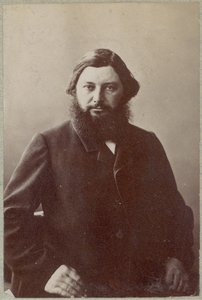
Gustave Courbet
1819 - 1877 , Francia
Datos clave
- Artistas Influenciados Por Este Artista:
- Impresionismo
- Postimpresionismo
- Artistas Que Influyeron:
- Eugène Delacroix
- Théodore Géricault
- Caravaggio
- Fecha De Muerte: 29 de abril de 1877
- Fecha De Nacimiento: 31 de julio de 1819
- Lugar De Nacimiento: Orleans, Francia
- Movimiento Artístico: Realismo
- Nacionalidad: Francés
- Nombre Completo: Gustave Courbet
- Obras Notables:
- Los Pedreros
- Un entierro en Ornans
- El Estudio del Pintor
- Vista en el Bosque de Fontainebleau
- El Origen del Mundo
Artículos relacionados

Katsushika Hokusai: Las 25 Obras Maestras del Ukiyo-e que Transformaron el Arte Japonés | ArtsDot
Descubre las 25 obras maestras de Katsushika Hokusai, el genio del ukiyo-e. Explora 'La Gran Ola', paisajes japoneses y su impacto en el arte moderno. Reproducciones de alta calidad para tu hogar en ArtsDot.com.
The Allure of the Horizon: A Comprehensive Exploration of Seascape Art Through History & Emotion
Explore the captivating world of seascape art! Discover its history, key artists & movements – from Dutch Masters to Impressionism. Expert insights for collectors and enthusiasts at ArtsDot.
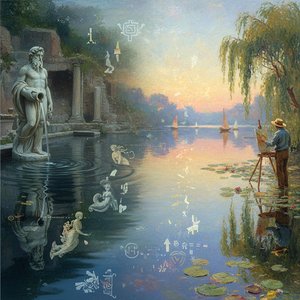
Fluid Reflections: Exploring Water's Symbolism in Art History – From Myth to Impressionism
Explore the rich symbolism of water in art history – from ancient myths to Impressionism's fleeting beauty. Discover masterpieces & find your perfect serene artwork with ArtsDot.com.
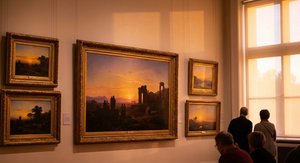
Golden Hours: Sunset Motifs in Western Art History
Explore the captivating history of sunset motifs in Western art! Discover iconic paintings by Monet, Van Gogh & Kuindzhi. Learn about Romanticism, Impressionism & collecting these timeless masterpieces. Expert insights at ArtsDot.
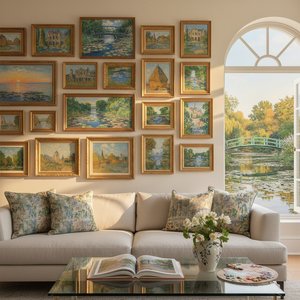
Claude Monet: Las 25 Obras Maestras del Impresionismo para Decorar tu Hogar con Arte
Descubre las 25 obras maestras de Claude Monet, el padre del impresionismo. Explora la historia, técnica y belleza de sus paisajes, nenúfares y 'Impresión, sole levant'. Encuentra reproducciones de arte exclusivas en ArtsDot.com.