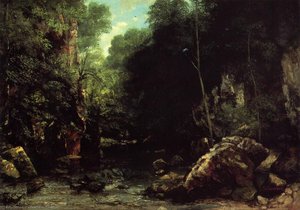
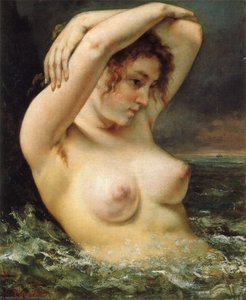
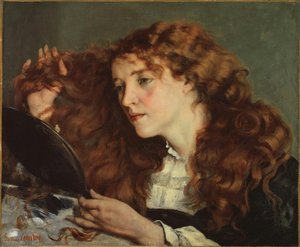
Ver en contexto
 Enviar
 Compartir
 Detalles

 Descargar
 Similares
 Radiografía
 Presentación de diapositivas
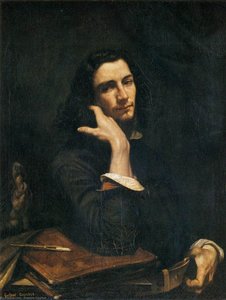
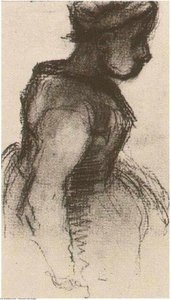
Seated Young Man
 Acrylic On Canvas
- WallArt
- Contemporary Realism
 1847
1847 450.0 x 340.0 cm
 Ver más
Reproducción al óleo hecha a mano
Óleo sobre lienzo pintado a mano en el tamaño y marco de su elección, realizado por encargo por nuestros artistas. ( Comprar impresión Comprar imagen)




P118B $10

P118H $10

P118W $10

P438Z $10

P508JH $12

P508YH $12

P805H $10

P805Z $10

P919BZ $10

P919G $10

P919XJ $10

P959ZH $10

P968JZ $12

W106C $8

W218G $10

W218JH $8

W218Y $10

W307PJ $10

W316G $10

W316PJ $8

W316Y $10

W398PJ $8

W4111J $10

W500HY $15

W500JH $15

W692G $12

W849H $8

W940BG $15

W953PJ $8




Elija entre nuestros tamaños predefinidos que respetan las proporciones originales de la obra.

Puede ingresar sus propias dimensiones para adaptarse a un marco o espacio específico. Si el tamaño seleccionado no coincide con las proporciones de la imagen original, recortaremos la obra o extenderemos la pintura con elementos adicionales pintados a mano. Se le enviará una maqueta digital para su aprobación antes de comenzar la producción.
Tenga en cuenta que la vista previa en pantalla no refleja el recorte o la extensión reales. Solo la maqueta mostrará con precisión la composición final.
Si bien existen tamaños personalizados, recomendamos seleccionar una dimensión de la lista predefinida para preservar las proporciones originales.
Tras realizar el pedido, el equipo de ArtsDot.com enviará un correo electrónico al cliente para solicitar instrucciones y proporcionarle una vista previa del boceto.
Envío a todo el mundo () en 3-4 semanas en lugar de las 5 semanas estándar. (28 agosto). Sin comprometer la calidad.

Envío exprés gratuito a todo el mundo

Lienzo de lino de alta calidad

Seguro de envío total

Garantía de reembolso de impuestos aduaneros

Garantía de fidelidad cromática exacta

Política de devolución de 60 días (solo por defectos)

Garantía de devolución del 100% del dinero

Descuento por cantidad
 La opción de vidrio solo está disponible en tamaños inferiores a 110 cm.

Seated Young Man
Técnica de reproducción
Dimensiones de la reproducción
-


Precio total final
$ 263
A Rebel’s Brush: The Life and Legacy of Gustave Courbet
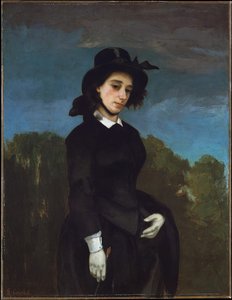
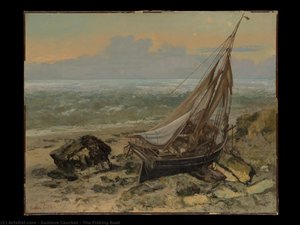
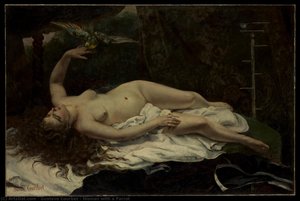
Gustave Courbet (1819 – 1877), born in Ornans, France, wasn't merely an artist; he was a provocateur who fundamentally reshaped the landscape of European painting. His journey from provincial upbringing to artistic iconoclasm embodies the spirit of Realism—a rejection of Romantic idealism and a commitment to portraying the world as it truly is: gritty, honest, and unapologetically present. Encouraged by his mother’s belief in his talent, Courbet embarked on formal training at the École des Beaux-Arts in Paris, swiftly recognizing the limitations imposed by academic dogma. While acknowledging influences from Delacroix and Géricault, he forged a singular path prioritizing meticulous observation over idealized representation—a decision that would propel him to the forefront of artistic innovation.- Early Influences: Courbet’s initial exposure to Romantic art instilled in him an appreciation for dramatic composition and emotive color palettes. However, he quickly discerned that these approaches served only to obscure reality.
- The École des Beaux-Arts Critique: Disillusioned by the rigid conventions of the École, Courbet challenged its obsession with mythological subjects and historical grandeur, arguing passionately for a focus on everyday life—a stance that alienated him from many of his peers.
The Birth of Realism: Observation as Revolution
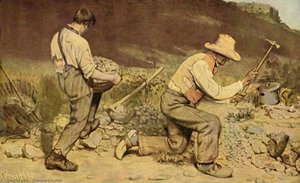
Courbet’s artistic breakthrough arrived not through grand narratives but through painstaking detail. He championed the “plein air” technique – painting outdoors directly from nature—a radical departure from studio practice that demanded unwavering attention to light and texture. This commitment to veracity extended beyond mere visual accuracy; Courbet sought to convey the psychological essence of his subjects, capturing their inner lives with unflinching honesty. His canvases became windows into the working-class world, depicting laborers, peasants, and urban dwellers with dignity and compassion—a deliberate rebuke of artistic condescension toward marginalized communities.- “The Stonebreakers”: This monumental painting exemplifies Courbet’s Realist vision, presenting a brutal depiction of manual labor with uncompromising realism.
- Palette & Technique: Courbet favored earthy pigments—browns, ochres, and siennas—to faithfully reproduce the colors of the natural environment. His brushstrokes were bold and expressive, conveying movement and texture with remarkable skill.
Symbolism Beyond Surface Appearance
While outwardly rejecting symbolic ornamentation, Courbet’s paintings nonetheless resonate with profound thematic concerns. The depiction of ordinary individuals—often confronting hardship or poverty—served as a powerful indictment of social injustice. Furthermore, Courbet's unwavering dedication to portraying the world without embellishment embodies a broader philosophical commitment to intellectual honesty and moral courage. Consider “The Painter’s Studio,” where Courbet subtly asserts his independence from academic expectations – a gesture that speaks volumes about his artistic ethos.- Social Commentary: Courbet's canvases confronted viewers with uncomfortable truths about societal inequalities, prompting reflection on the role of art in shaping perceptions of reality.
- Courbet’s Artistic Manifesto: He famously declared that he wished to paint “without ever having to make a painting as big as a hand to please anyone,” encapsulating his rejection of artistic subservience and reaffirming his belief in artistic autonomy.
Legacy & Influence
Gustave Courbet’s impact on subsequent generations of artists is undeniable. He established Realism as a dominant aesthetic force, inspiring painters like Jean-François Millet and Jules Bastien Lepage to depict rural life with unflinching honesty. More broadly, Courbet challenged the conventions of artistic representation—demanding that art serve as a conduit for social critique and psychological insight—a legacy that continues to inspire artists today. His unwavering conviction in portraying the world authentically cemented his place as one of the most influential figures in 19th-century art history.Obras relacionadas
Biografía del artista
Gustave Courbet: Un Pionero del Realismo
Primeros Años y Educación
- Nacido el 31 de julio de 1819 en Ornans, Francia, Gustave Courbet emergió de una familia burguesa relativamente próspera.
- Sus primeras inclinaciones artísticas fueron cultivadas por su madre, quien animó sus habilidades para dibujar.
- Recibió formación formal en la École des Beaux-Arts en París, comenzando en 1839, aunque a menudo chocaba con las convenciones académicas.
- Influencias durante este período incluyeron a Eugène Delacroix y Théodore Géricault, pero Courbet finalmente rechazó su idealismo romántico.
Desarrollo Artístico y Temas Clave
- El desarrollo artístico de Courbet estuvo marcado por una deliberada rechazo a los estilos de pintura académica. Buscó representar el mundo tal como lo veía, sin idealización ni embellecimiento.
- Sus primeras obras exploraron paisajes y retratos, gradualmente desplazándose hacia escenas de la vida cotidiana y sujetos de la clase trabajadora.
- Temas clave en su obra incluyen el realismo social, la vida rural y la dignidad del trabajo.
- A menudo elegía formatos a gran escala tradicionalmente reservados para pinturas históricas o religiosas para representar a personas comunes y eventos cotidianos.
Obras Maestras y Logros
- “Los Pedreros” (1849): Esta obra maestra temprana, aunque lamentablemente destruida durante la Segunda Guerra Mundial, ejemplificó el compromiso de Courbet para representar las duras realidades de la vida de la clase trabajadora.
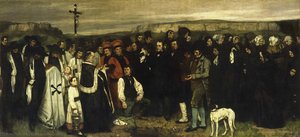
- “El Funeral en Ornans” (1850): Un lienzo monumental que desafió las nociones convencionales de la pintura histórica al retratar un funeral provincial con un realismo inquebrantable.
- “El Estudio del Pintor” (1855): Una obra alegórica que refleja la filosofía artística de Courbet y su compromiso con los problemas sociales contemporáneos.
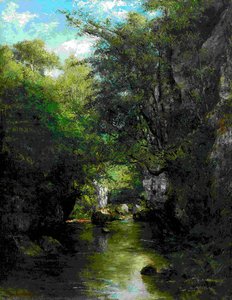
- “Vista en el Bosque de Fontainebleau” (1855): Demuestra su habilidad en la pintura de paisajes, capturando la belleza natural del bosque mientras mantiene un enfoque realista.
- Su participación en el Salón des Refusés en 1863, mostrando obras rechazadas por el Salón oficial, consolidó aún más su reputación como artista rebelde.
Influencias y Legado
- Si bien rechazaba las tradiciones académicas, Courbet fue influenciado por maestros anteriores como Caravaggio por su realismo dramático y el uso de la luz y la sombra.
- Tuvo un impacto profundo en los movimientos artísticos posteriores, particularmente Impresionismo y Postimpresionismo, al liberar a los artistas de las limitaciones de la representación tradicional.
- Su énfasis en el comentario social allanó el camino para artistas posteriores comprometidos socialmente.
- El legado de Courbet se extiende más allá de sus pinturas; fue un defensor vocal de la libertad artística y el cambio político.
Significado Histórico
- Gustave Courbet desempeñó un papel fundamental en el desarrollo del Realismo como una fuerza dominante en el arte del siglo XIX.
- Su obra desafió las normas establecidas e inició un debate sobre el propósito y la función del arte en la sociedad.
- Participó activamente en los tumultos políticos de su tiempo, incluida la Comuna de París de 1871, lo que llevó a un período de exilio en Suiza.
- Courbet falleció el 29 de abril de 1877, dejando atrás un cuerpo de trabajo que continúa inspirando y provocando al público actual.
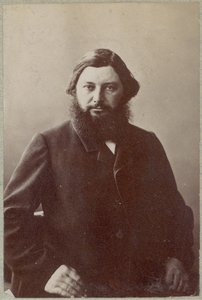
Gustave Courbet
1819 - 1877 , Francia
Datos clave
- Artistas Influenciados Por Este Artista:
- Impresionismo
- Postimpresionismo
- Artistas Que Influyeron:
- Eugène Delacroix
- Théodore Géricault
- Caravaggio
- Fecha De Muerte: 29 de abril de 1877
- Fecha De Nacimiento: 31 de julio de 1819
- Lugar De Nacimiento: Orleans, Francia
- Movimiento Artístico: Realismo
- Nacionalidad: Francés
- Nombre Completo: Gustave Courbet
- Obras Notables:
- Los Pedreros
- Un entierro en Ornans
- El Estudio del Pintor
- Vista en el Bosque de Fontainebleau
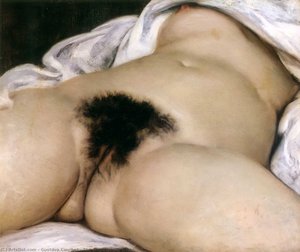
- El Origen del Mundo
Artículos relacionados

Alfred Munnings: Las 25 Obras Maestras del Pintor de Caballos | ArtsDot
Descubre las 25 obras maestras de Alfred Munnings, el pintor británico de caballos por excelencia. Explora su impresionismo inglés, escenas campestres y técnica única. Encuentra reproducciones de arte de alta calidad en ArtsDot.com.
Gustav Klimt: Las 25 Obras Maestras que Definen un Ícono del Arte Moderno | ArtsDot
Descubre las 25 obras maestras de Gustav Klimt, ícono del simbolismo y Art Nouveau. Explora 'El Beso', 'Judith' y más. Reproducciones de arte en ArtsDot.com para decorar tu hogar con elegancia. ¡Inspírate!

Romantic Realism's Finest: 10 Masterpieces for Your Home | ArtsDot
Explore 10 defining masterpieces of Romantic Realism! Discover Courbet, Millet & Daumier's powerful paintings—capturing emotion and social realities. Find museum-quality reproductions for your home at ArtsDot.com.
Gustave Courbet: Realism's Revolutionary Vision & the Social Canvas of 19th-Century France
Explore the revolutionary art of Gustave Courbet, pioneer of Realism. Discover his iconic paintings, social commentary, and lasting impact on 19th-century French art history. Expert analysis & insights.
Realismo en el Arte: 10 Obras Maestras que Cambiaron la Historia |
Descubre 10 obras maestras del Realismo que revolucionaron el arte. Explora la historia de Courbet, Millet y otros pintores realistas. Encuentra reproducciones de alta calidad para decorar tu hogar con