 Ver en contexto
 Enviar
 Compartir
 Detalles

 Descargar
 Similares
 Radiografía
 Presentación de diapositivas
the grain sifters


 Ver más
Reproducción al óleo hecha a mano
Óleo sobre lienzo pintado a mano en el tamaño y marco de su elección, realizado por encargo por nuestros artistas. ( Comprar impresión Comprar imagen)




P118B $10

P118H $10

P118W $10

P438Z $10

P508JH $12

P508YH $12

P805H $10

P805Z $10

P919BZ $10

P919G $10

P919XJ $10

P959ZH $10

P968JZ $12

W106C $8

W218G $10

W218JH $8

W218Y $10

W307PJ $10

W316G $10

W316PJ $8

W316Y $10

W398PJ $8

W4111J $10

W500HY $15

W500JH $15

W692G $12

W849H $8

W940BG $15

W953PJ $8




Elija entre nuestros tamaños predefinidos que respetan las proporciones originales de la obra.

Puede ingresar sus propias dimensiones para adaptarse a un marco o espacio específico. Si el tamaño seleccionado no coincide con las proporciones de la imagen original, recortaremos la obra o extenderemos la pintura con elementos adicionales pintados a mano. Se le enviará una maqueta digital para su aprobación antes de comenzar la producción.
Tenga en cuenta que la vista previa en pantalla no refleja el recorte o la extensión reales. Solo la maqueta mostrará con precisión la composición final.
Si bien existen tamaños personalizados, recomendamos seleccionar una dimensión de la lista predefinida para preservar las proporciones originales.
Tras realizar el pedido, el equipo de ArtsDot.com enviará un correo electrónico al cliente para solicitar instrucciones y proporcionarle una vista previa del boceto.
Envío a todo el mundo () en 3-4 semanas en lugar de las 5 semanas estándar. (30 agosto). Sin comprometer la calidad.

Envío exprés gratuito a todo el mundo

Lienzo de lino de alta calidad

Seguro de envío total

Garantía de reembolso de impuestos aduaneros

Garantía de fidelidad cromática exacta

Política de devolución de 60 días (solo por defectos)

Garantía de devolución del 100% del dinero

Descuento por cantidad
 La opción de vidrio solo está disponible en tamaños inferiores a 110 cm.

the grain sifters
Técnica de reproducción
Dimensiones de la reproducción
-


Precio total final
$ 263
A Window into Rural Resilience
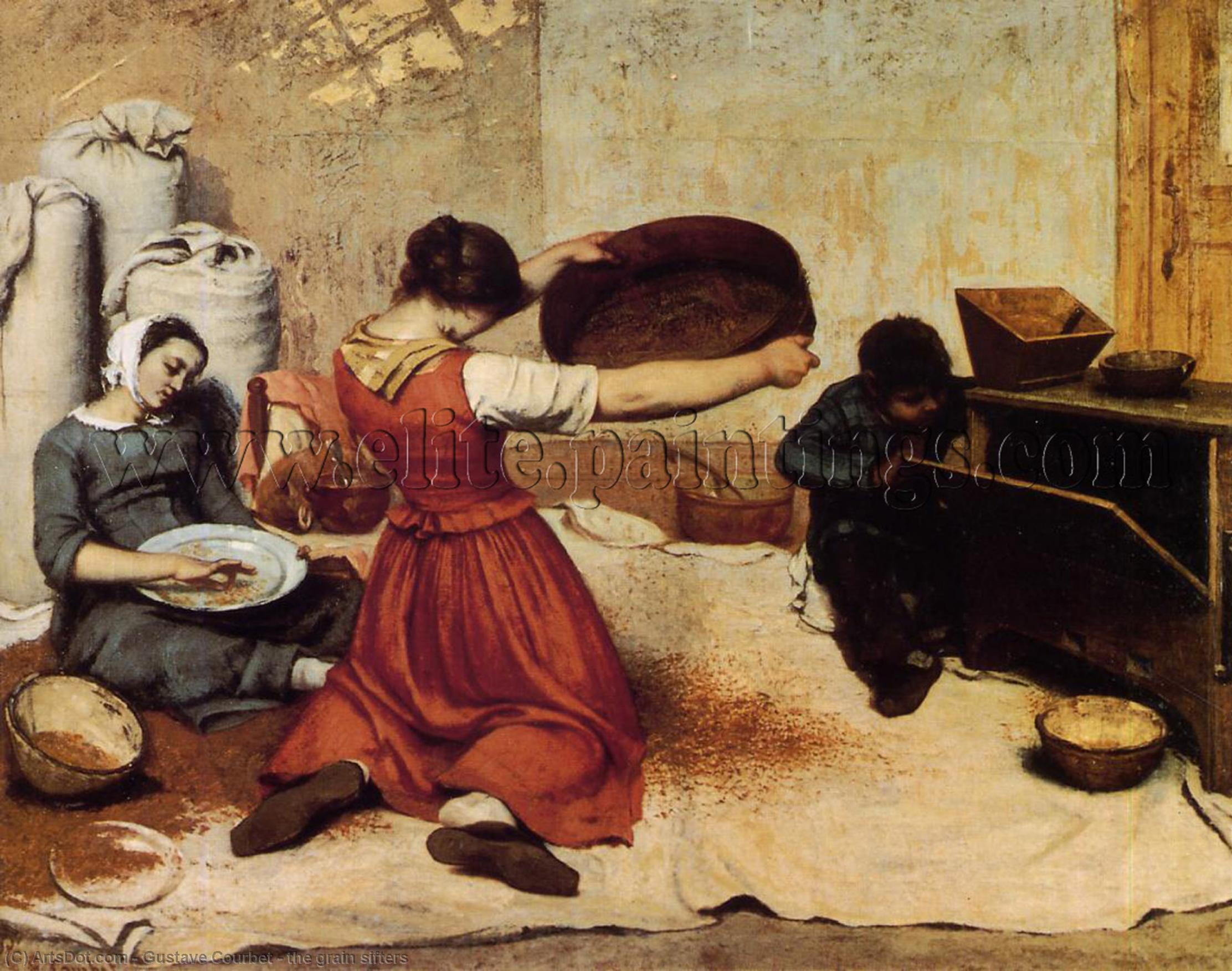
In the heart of the mid-19th century, amidst a whirlwind of artistic revolution, Gustave Courbet captured a moment of profound, unadorned reality in The Grain Sifters. This masterpiece does not merely depict a scene; it invites the viewer to step into the rhythmic, arduous world of French rural labor. The painting presents three figures—believed by many scholars to be Courbet’s own kin—engaged in the timeless, tactile task of winnowing grain. As light filters through a humble kitchen setting, we witness the physical weight of existence. One woman stands with a powerful, central presence, her movements dictated by the heavy circular sieve, while others sit nearby, lost in the meticulous sorting of the harvest. It is a scene that breathes with the dust of the earth and the quiet strength of those who toil within it.
For the discerning collector or interior designer, this work offers more than just visual beauty; it provides a soulful anchor for any space. The composition is anchored by an intimate, domestic atmosphere that feels both grounded and eternal. There is a palpable sense of chiaroscuro at play, where the interplay of soft light and deep, earthy shadows creates a three-dimensional depth that draws the eye inward, making it a perfect centerpiece for rooms that value warmth, character, and a connection to the natural world.
The Mastery of Realist Technique
Courbet’s approach in The Grain Sifters was nothing short of radical. Rejecting the polished, idealized perfection taught in the prestigious academies of Paris, he embraced the Realist movement with a gritty, uncompromising honesty. His technique is characterized by a bold use of impasto, where thick, textured layers of paint are applied to the canvas to mimic the very textures of the subjects—the coarseness of the grain, the heavy fabric of the women's clothing, and the ruggedness of their hands. This tactile quality gives the painting a sculptural presence that is rare in traditional portraiture.
The color palette is a sophisticated study in earth tones—ochres, deep browns, and muted creams—which reinforces the connection between the people and the land they cultivate. By avoiding the romanticized, bright palettes of his predecessors, Courbet achieved a level of authenticity that feels strikingly modern. To possess a reproduction of this work is to bring a piece of art history into one's home that celebrates the beauty found in the mundane and the dignity found in hard work.
Symbolism and Emotional Resonance
Beyond its technical brilliance, The Grain Sifters serves as a powerful symbol of perseverance. The act of sifting—separating the wheat from the chaff—is a metaphor for the human condition: the struggle to find value and sustenance amidst the chaos of life. There is an inherent nobility in the way Courbet portrays these women; they are not mere subjects, but icons of resilience. The painting captures the quiet dignity of the peasantry, elevating their daily chores to the level of high art.
When decorating a space with this piece, one introduces an element of profound emotional depth. It evokes feelings of stability, heritage, and a deep respect for the cycles of nature. Whether placed in a sunlit library or a contemporary living area, The Grain Sifters acts as a conversation starter, prompting reflections on labor, history, and the enduring strength of the human spirit. It is an investment in a narrative that remains as relevant today as it was in 1854.
Obras relacionadas
Biografía del artista
Gustave Courbet: Un Pionero del Realismo
Primeros Años y Educación
- Nacido el 31 de julio de 1819 en Ornans, Francia, Gustave Courbet emergió de una familia burguesa relativamente próspera.
- Sus primeras inclinaciones artísticas fueron cultivadas por su madre, quien animó sus habilidades para dibujar.
- Recibió formación formal en la École des Beaux-Arts en París, comenzando en 1839, aunque a menudo chocaba con las convenciones académicas.
- Influencias durante este período incluyeron a Eugène Delacroix y Théodore Géricault, pero Courbet finalmente rechazó su idealismo romántico.
Desarrollo Artístico y Temas Clave
- El desarrollo artístico de Courbet estuvo marcado por una deliberada rechazo a los estilos de pintura académica. Buscó representar el mundo tal como lo veía, sin idealización ni embellecimiento.
- Sus primeras obras exploraron paisajes y retratos, gradualmente desplazándose hacia escenas de la vida cotidiana y sujetos de la clase trabajadora.
- Temas clave en su obra incluyen el realismo social, la vida rural y la dignidad del trabajo.
- A menudo elegía formatos a gran escala tradicionalmente reservados para pinturas históricas o religiosas para representar a personas comunes y eventos cotidianos.
Obras Maestras y Logros
- “Los Pedreros” (1849): Esta obra maestra temprana, aunque lamentablemente destruida durante la Segunda Guerra Mundial, ejemplificó el compromiso de Courbet para representar las duras realidades de la vida de la clase trabajadora.
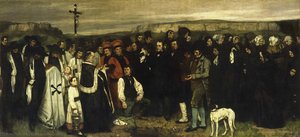
- “El Funeral en Ornans” (1850): Un lienzo monumental que desafió las nociones convencionales de la pintura histórica al retratar un funeral provincial con un realismo inquebrantable.
- “El Estudio del Pintor” (1855): Una obra alegórica que refleja la filosofía artística de Courbet y su compromiso con los problemas sociales contemporáneos.
- “Vista en el Bosque de Fontainebleau” (1855): Demuestra su habilidad en la pintura de paisajes, capturando la belleza natural del bosque mientras mantiene un enfoque realista.
- Su participación en el Salón des Refusés en 1863, mostrando obras rechazadas por el Salón oficial, consolidó aún más su reputación como artista rebelde.
Influencias y Legado
- Si bien rechazaba las tradiciones académicas, Courbet fue influenciado por maestros anteriores como Caravaggio por su realismo dramático y el uso de la luz y la sombra.
- Tuvo un impacto profundo en los movimientos artísticos posteriores, particularmente Impresionismo y Postimpresionismo, al liberar a los artistas de las limitaciones de la representación tradicional.
- Su énfasis en el comentario social allanó el camino para artistas posteriores comprometidos socialmente.
- El legado de Courbet se extiende más allá de sus pinturas; fue un defensor vocal de la libertad artística y el cambio político.
Significado Histórico
- Gustave Courbet desempeñó un papel fundamental en el desarrollo del Realismo como una fuerza dominante en el arte del siglo XIX.
- Su obra desafió las normas establecidas e inició un debate sobre el propósito y la función del arte en la sociedad.
- Participó activamente en los tumultos políticos de su tiempo, incluida la Comuna de París de 1871, lo que llevó a un período de exilio en Suiza.
- Courbet falleció el 29 de abril de 1877, dejando atrás un cuerpo de trabajo que continúa inspirando y provocando al público actual.
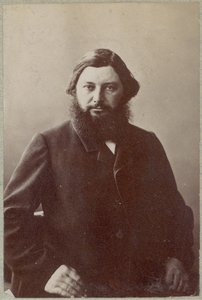
Gustave Courbet
1819 - 1877 , Francia
Datos clave
- Artistas Influenciados Por Este Artista:
- Impresionismo
- Postimpresionismo
- Artistas Que Influyeron:
- Eugène Delacroix
- Théodore Géricault
- Caravaggio
- Fecha De Muerte: 29 de abril de 1877
- Fecha De Nacimiento: 31 de julio de 1819
- Lugar De Nacimiento: Orleans, Francia
- Movimiento Artístico: Realismo
- Nacionalidad: Francés
- Nombre Completo: Gustave Courbet
- Obras Notables:
- Los Pedreros
- Un entierro en Ornans
- El Estudio del Pintor
- Vista en el Bosque de Fontainebleau
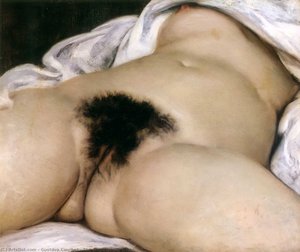
- El Origen del Mundo
Artículos relacionados
Los 10 Cuadros Más Famosos en Tonos 'Hongo': Arte, Historia y Decoración
Descubre los 10 cuadros más emblemáticos en tonos tierra y ocres. Explora la historia, artistas como Monet y Van Gogh, e inspírate para decorar con arte atemporal. Reproducciones de museo en .
Masterpieces of the Soil: The Top 25 Artworks by Jean-François Millet
Immerse yourself in the soul of French Realism with our curated guide to the top 25 Jean-François Millet artworks. Explore the profound beauty of Barbizon school masterpieces and find museum-quality art reproductions for your home. Discover all masterpieces on ArtsDot.com.
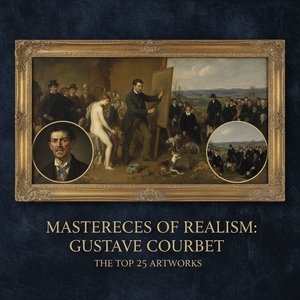
Masterpieces of Realism: The Top 25 Gustave Courbet Artworks
Immerse yourself in the raw beauty of Realism with our curated guide to the top 25 Gustave Courbet artworks. From powerful landscapes to iconic portraits, explore the stories behind these masterpieces and find museum-quality reproductions for your decor. Discover all on ArtsDot.com.
10 Iconic Masterpieces Defined by Earthy Olive Tones
Immerse yourself in the timeless beauty of olive tones. Explore 10 iconic masterpieces, from Impressionist landscapes to classic oil paintings, and find inspiration for your decor with museum-quality reproductions. Discover all masterpieces on ArtsDot.com.
Las 10 Obras Maestras del Arte Dominadas por Tonos de Arcilla |
Descubre las 10 pinturas más famosas dominadas por tonos de arcilla y tierra. Explora la historia, artistas como Rembrandt y Monet, e inspírate para decorar con arte clásico. Reproducciones de museo en .