

 Ver en contexto
 Enviar
 Compartir
 Detalles

 Descargar
 Similares
 Radiografía
 Presentación de diapositivas
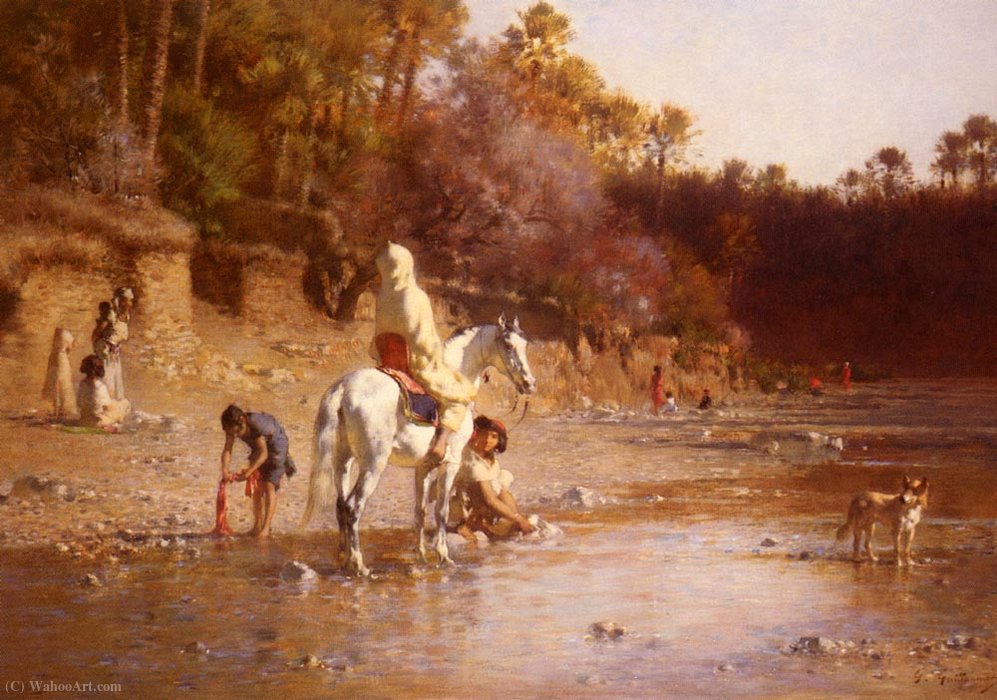
Achille La Riviere A El-Kantara
 Ver más
Reproducción al óleo hecha a mano
Óleo sobre lienzo pintado a mano en el tamaño y marco de su elección, realizado por encargo por nuestros artistas. ( Comprar impresión Comprar imagen)




































Elija entre nuestros tamaños predefinidos que respetan las proporciones originales de la obra.

Puede ingresar sus propias dimensiones para adaptarse a un marco o espacio específico. Si el tamaño seleccionado no coincide con las proporciones de la imagen original, recortaremos la obra o extenderemos la pintura con elementos adicionales pintados a mano. Se le enviará una maqueta digital para su aprobación antes de comenzar la producción.
Tenga en cuenta que la vista previa en pantalla no refleja el recorte o la extensión reales. Solo la maqueta mostrará con precisión la composición final.
Si bien existen tamaños personalizados, recomendamos seleccionar una dimensión de la lista predefinida para preservar las proporciones originales.
Tras realizar el pedido, el equipo de ArtsDot.com enviará un correo electrónico al cliente para solicitar instrucciones y proporcionarle una vista previa del boceto.
Envío a todo el mundo () en 3-4 semanas en lugar de las 5 semanas estándar. (26 agosto). Sin comprometer la calidad.

Envío exprés gratuito a todo el mundo

Lienzo de lino de alta calidad

Seguro de envío total

Garantía de reembolso de impuestos aduaneros

Garantía de fidelidad cromática exacta

Política de devolución de 60 días (solo por defectos)

Garantía de devolución del 100% del dinero

Descuento por cantidad
 La opción de vidrio solo está disponible en tamaños inferiores a 110 cm.

Achille La Riviere A El-Kantara
Técnica de reproducción
Dimensiones de la reproducción
-


Precio total final
$ 263
Obras relacionadas




Biografía del artista
Claude Monet: Capturing the Ephemeral Light of Impressionism
Claude Monet, born Oscar-Claude Monet in Paris on November 14th, 1840, was a pivotal figure in the history of art – not merely a painter, but a revolutionary who fundamentally altered how we perceive and represent the world. His life’s work, spanning nearly six decades, became inextricably linked with the rise of Impressionism, a movement he both spearheaded and embodied. Monet's journey began far from the bustling Parisian salons; raised in Le Havre, Normandy, his early exposure to the rugged coastline and ever-changing skies instilled within him an enduring fascination with nature’s fleeting beauty. This formative experience would profoundly shape his artistic vision, driving him to capture not just the *appearance* of a scene but its very essence – the ephemeral quality of light and atmosphere.Early Influences and Artistic Development
Monet's formal training was initially somewhat haphazard. He briefly attended the Académie Suisse, absorbing traditional academic techniques, yet he quickly found himself dissatisfied with their rigid constraints. A crucial turning point arrived through his encounter with Eugène Boudin, a landscape painter who championed *plein air* painting – working outdoors directly from nature. Boudin’s emphasis on observing and recording light as it shifted across the canvas proved transformative for young Monet, liberating him from the confines of the studio and fostering an intuitive approach to artmaking. Later, he studied under Charles Gleyre, a history painter, alongside future Impressionists like Renoir and Bazille, absorbing elements of classical composition while simultaneously developing his own distinctive style. The influence of Edouard Manet, particularly in his early figure compositions, is also notable, demonstrating Monet’s willingness to experiment with modern subject matter and techniques.The Birth of Impressionism
The 1870s marked a watershed moment for Monet and the art world. Frustrated by the conservative tastes of the official Salon, a group of artists – including Monet, Renoir, Pissarro, Degas, and Manet – formed an independent exhibition in 1874. This event, dubbed “The First Impressionist Exhibition,” was a deliberate challenge to established artistic norms. Monet’s painting *Impression, Sunrise* (1873), with its loose brushstrokes and focus on capturing the fleeting effects of light over the harbor of Le Havre, became the namesake for the entire movement. The critics' derisive reaction to this work – “impressionistic” was used as a pejorative term – ironically cemented Impressionism’s identity and propelled it into the public consciousness.Series Paintings and the Pursuit of Light
Throughout his career, Monet became increasingly obsessed with systematically exploring variations on a single subject under different lighting conditions. These “series paintings”—including haystacks, Rouen Cathedral, water lilies at Giverny, and Japanese bridges—demonstrate his meticulous approach to capturing the nuances of light and atmosphere. He would return to the same location repeatedly over several months or years, painting multiple canvases each day, meticulously documenting how the light transformed the scene throughout the seasons. This dedication to observation and experimentation resulted in a remarkable body of work that reveals an astonishing sensitivity to color, texture, and the subtle shifts of perception. The series paintings are not merely reproductions; they are investigations into the very nature of seeing.Legacy and Historical Significance
Claude Monet’s impact on art history is immeasurable. He liberated painting from the constraints of academic realism, paving the way for modernism and influencing generations of artists. His emphasis on capturing subjective experience—the artist's *impression* of a scene—shifted the focus from objective representation to emotional expression. His innovative use of color, brushwork, and composition revolutionized landscape painting and profoundly impacted subsequent movements such as Post-Impressionism and Fauvism. Today, Monet’s works are celebrated worldwide for their beauty, technical brilliance, and enduring ability to evoke a sense of wonder and delight. His legacy continues to inspire artists and viewers alike, reminding us of the transformative power of art to capture the fleeting magic of the natural world.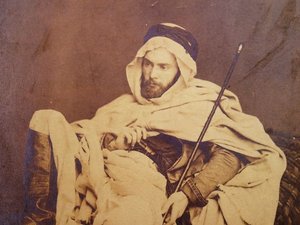
gustave guillaumet
1840 - 1887
Datos clave
- Artistic Movement Or Style: Impressionism
- Artists Or Movements Influenced By This Artist:
- Pierre-Auguste Renoir
- Post-Impressionism
- Artists Who Influenced This Artist:
- Eugène Boudin
- Charles Gleyre
- Date Of Birth: 14 November 1840
- Date Of Death: 5 December 1926
- Full Name: Claude Monet
- Nationality: French
- Notable Artworks:
- Impression, Sunrise
- Water Lilies series
- Rouen Cathedral series
- Place Of Birth: Paris, France

