

 Ver en contexto
 Enviar
 Compartir
 Detalles

 Descargar
 Similares
 Radiografía
 Presentación de diapositivas
 Stats
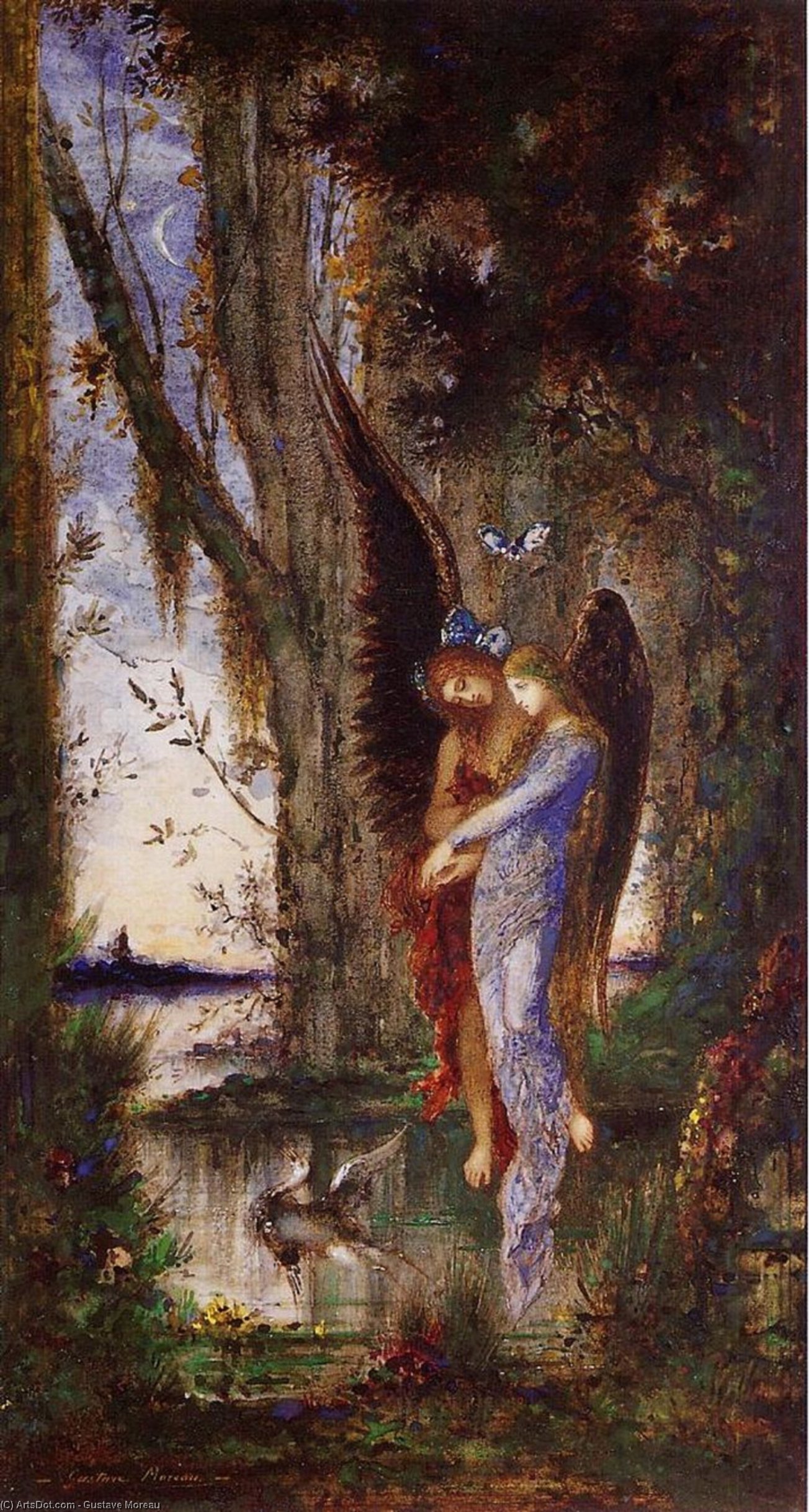
StatsEvening and Sorrow


 Ver más
Adquiera una imagen digital de alta resolución y optimizada, muy superior a la vista previa en línea.
Cada archivo es preparado meticulosamente por nuestros especialistas internos mediante el uso de herramientas avanzadas y un experto retoque manual. Nos aseguramos de que cada imagen posea una claridad excepcional, una precisión cromática impecable y un detalle minucioso.
El archivo final se entrega por correo electrónico en un plazo de 72 horas, optimizado para su uso inmediato en entornos profesionales, editoriales y de impresión. Esta es la misma calidad en la que confían los estudios de diseño, las editoriales y las galerías de primer nivel.
Imagen Digital
Descarga un archivo de alta resolución para exhibición personal, impresión y proyectos creativos. ( Switch to Print Comprar pintura hecha a mano)
Incluido en cada pedido de imágenes digitales
Entrega digital experta, garantizada.
Al elegir ArtsDot.com, no solo está adquiriendo una imagen; está recibiendo una obra de arte digital mejorada profesionalmente, elaborada con precisión y respaldada por una garantía de satisfacción. Esto es todo lo que incluye su pedido, automáticamente:

Entrega rápida por email
Recibirá su archivo de imagen digital en alta resolución por correo electrónico en un plazo de 72 horas tras realizar su pedido, listo para su uso inmediato.

Archivo digital optimizado por IA
Su obra de arte se optimiza profesionalmente mediante herramientas avanzadas de IA y edición manual, garantizando el máximo detalle, claridad y precisión cromática.

Reenvío gratuito de por vida
¿Has borrado o perdido tu archivo por error? No te preocupes: te lo volveremos a enviar en cualquier momento, sin coste adicional.

Sin gastos de importación, siempre
Disfrute de su obra de arte al instante sin aduanas, aranceles ni gastos de envío; las descargas digitales siempre están libres de impuestos.

Garantía de fidelidad de color
Garantizamos que su imagen digital refleje los colores originales con la mayor fidelidad posible, mediante el uso de herramientas profesionales y gestión del color.

Garantía de satisfacción de 100 días
Si no está satisfecho con su imagen digital, la revisaremos o le reembolsaremos el 100% en un plazo de 100 días, sin preguntas.

100% Garantía de devolución de dinero
¿No está satisfecho? Obtenga un reembolso completo dentro de los 100 días posteriores a la recepción de su archivo digital, sin preguntas.

Descuentos por pedidos grandes
Compra 3 imágenes, ahorra 10% - Compra 5, ahorra 15% - Compra 10+, ahorra 20%. Ideal para proyectos creativos, galerías y agencias.
A Visionary Descent into Symbolism
In the twilight of the nineteenth century, as the art world grappled with the fleeting light of Impressionism, Gustave Moreau offered a different kind of transcendence. He did not seek to capture the momentary flicker of sun on water, but rather the eternal resonance of the human soul. His masterpiece, "Evening and Sorrow," completed in 1882, serves as a profound window into this ethereal realm. As a titan of the Symbolist movement, Moreau utilized his rigorous academic training from the École des Beaux-Arts to construct worlds that felt both meticulously crafted and hauntingly dreamlike. This watercolor is not merely a depiction of a scene; it is an invitation to step away from the tangible world and enter a space where myth and psyche intertwine.
The composition of the piece is a masterclass in balanced tension. Two celestial figures, angels with wings outstretched, frame the canvas on the left and right, creating a sense of sacred enclosure. They stand before a backdrop of stylized, almost architectural trees that seem to grow from the very fabric of a dream. Near the heart of this arrangement, a solitary bird perches, acting as a silent witness to the unfolding stillness. This careful placement of figures creates a rhythmic movement that guides the eye through a landscape that feels both vast and intimately contained, much like the architecture of a memory.
Technique and the Luminous Dream
To behold "Evening and Sorrow" is to witness Moreau’s unparalleled command over the watercolor medium. While many of his contemporaries used the medium for light sketches, Moreau approached it with an almost sculptural intensity. He employed delicate washes to build luminous, shifting backgrounds that seem to glow from within, imbuing the atmosphere with a soft, otherworldly radiance. His technique involves a painstaking layering of color and texture, where every brushstroke on the angels' drapery and feathers contributes to a sense of tactile reality within a non-realist space.
The vibrancy of the palette is particularly striking for a work of this era. Rich, deep hues are balanced by ethereal highlights, creating a visual depth that pulls the viewer into the shadows of the forest. For the discerning collector or interior designer, this piece offers a unique opportunity to introduce a sense of sophisticated mystery into a space. The intricate details—the subtle shifts in the sky, the delicate rendering of natural elements—ensure that the artwork reveals new layers of beauty upon every viewing, making it a centerpiece of profound intellectual and aesthetic value.
Emotional Resonance and Interior Inspiration
Beyond its technical brilliance, "Evening and Sorrow" carries an emotional weight that is both tranquil and unsettling. The title itself suggests a contemplative melancholy, a moment of quiet reflection at the end of a cycle. There is a profound stillness in the way the angels inhabit the landscape, a sense of serenity that borders on the divine. This duality—the beauty of the scene contrasted with the underlying theme of sorrow—is what makes Moreau’s work so enduringly captivating. It speaks to the universal human experience of finding peace within the complexities of existence.
For those looking to curate an environment of depth and introspection, a high-quality reproduction of this watercolor provides more than just decoration; it provides a focal point for contemplation. Whether placed in a quiet study, a grand library, or a contemporary living space, the painting acts as a portal to the subconscious. It invites guests to linger, to wonder, and to find inspiration in the delicate balance between light and shadow, between the earthly and the divine. Owning a piece of Moreau’s vision is an investment in the enduring power of the imagination.
Obras relacionadas
Biografía del artista
**vida temprana y educación**
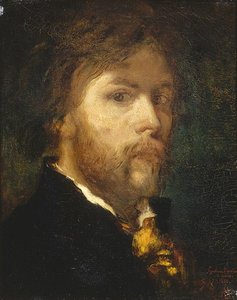
gustave moreau, un artista francés, nació el 6 de abril de 1826 en París. Recibió una formación académica tradicional en pintura en la école des beaux-arts, mostrando una aptitud para el dibujo desde temprana edad.**el movimiento simbolista**
La obra de Moreau, caracterizada por temas alegóricos y mitológicos, lo posicionó como un destacado pintor simbolista, especialmente durante los años 1890. Su arte (y el simbolismo en general) cayó en desfavor pero ha sido reevaluado desde la década de 1960, con Moreau ahora considerado entre los pintores simbolistas más importantes.**obras notables y exposiciones**
* salomé en la prisión (pintura de 'gustave moreau') es un ejemplo notable de su obra, mostrando su dominio del simbolismo. * autorretrato (pintura de 'gustave moreau') es otra poderosa representación del artista en sí mismo.**museo gustavo moreau**
El museo nacional gustavo-moreau (museo gustavo moreau paris, francia) en París está dedicado a la obra de Moreau, que alberga más de 1200 pinturas, acuarelas y dibujos. El museo es un testimonio de su legado artístico.**legado e influencia**
La influencia de Moreau en el movimiento simbolista es innegable. Enseñó en la école des beaux-arts, influyendo en artistas notables como hénri matisse y giorges rouault. Su naturaleza reclusiva no disminuyó su impacto en el mundo del arte.- descubra más sobre la vida y obra de gustavo moreau en ArtsDot.com
- explore el museo nacional gustavo-moreau y su impresionante colección de obras de arte en museo gustavo moreau paris, francia
- aprenda más sobre el movimiento simbolista y su importancia en la historia del arte en el movimiento simbolista de arte
Gustave Moreau
1826 - 1898 , Francia
Breves datos
- Artistas Influenciados:
- Henri Matisse
- Georges Rouault
- Artistas Que Influyeron:
- Eugène Delacroix
- Miguel Ángel
- Leonardo da Vinci
- Fecha De Muerte: 1898
- Fecha De Nacimiento: 6 de abril de 1826
- Lugar De Nacimiento: París, Francia
- Movimiento Artístico: Simbolismo
- Nacionalidad: Francés
- Nombre Completo: Gustave Moreau
- Obras Notables:
- Salomé en la prisión
- Autorretrato
- Júpiter y Semele
- Orfeo
- La Aparición