 Ver en contexto
 Enviar
 Compartir
 Detalles

 Descargar
 Similares
 Radiografía
 Presentación de diapositivas
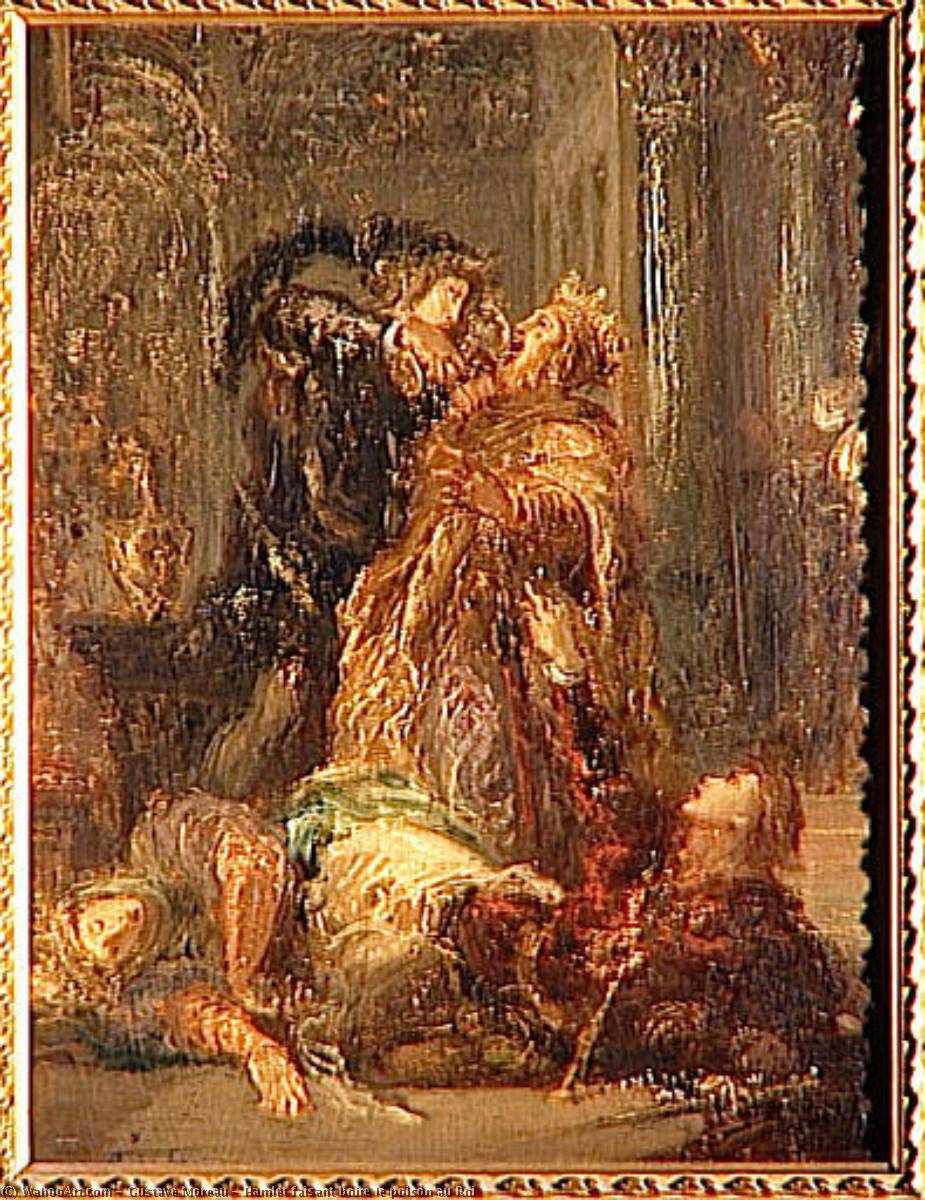
Hamlet faisant boire le poison au Roi


 Ver más
Giclée / Impresión de arte
Impresiones giclée o en lienzo de calidad de museo con producción rápida y opciones de acabado flexibles. ( Comprar pintura hecha a mano Comprar imagen)




P118B $10

P118H $10

P118W $10

P438Z $10

P508JH $12

P508YH $12

P805H $10

P805Z $10

P919BZ $10

P919G $10

P919XJ $10

P959ZH $10

P968JZ $12

W106C $8

W218G $10

W218JH $8

W218Y $10

W307PJ $10

W316G $10

W316PJ $8

W316Y $10

W398PJ $8

W4111J $10

W500HY $15

W500JH $15

W692G $12

W849H $8

W940BG $15

W953PJ $8




Elija entre nuestros tamaños predefinidos que respetan las proporciones originales de la obra.

Puede introducir sus propias dimensiones para adaptarse a un marco o espacio específico. Si el tamaño seleccionado no coincide con las proporciones de la imagen original, recortaremos la obra de arte o extenderemos la imagen con un borde con efecto espejo o de color sólido. Se enviará una maqueta digital para su aprobación antes de que comience la producción.
Tenga en cuenta que la vista previa en pantalla no refleja el recorte o la extensión real. Solo la maqueta mostrará con precisión la composición final.
Aunque existen tamaños personalizados, recomendamos seleccionar una dimensión de la lista predefinida para preservar las proporciones originales.
Envío a todo el mundo () en 2 semanas en lugar de las 4/5 semanas estándar. (24 agosto)

Envío exprés gratuito a todo el mundo

Lienzo de lino de alta calidad

Seguro de envío total

Garantía de reembolso de impuestos aduaneros

Garantía de fidelidad cromática exacta

Política de devolución de 60 días (solo por defectos)

Garantía de devolución del 100% del dinero

Descuento por cantidad
 La opción de vidrio solo está disponible en tamaños inferiores a 110 cm.

Hamlet faisant boire le poison au Roi
Giclée / Impresión de arte
Dimensiones de la reproducción
-


Precio total final
$ 62
Descripción de la pieza
A Descent into Melancholy: Exploring Moreau’s “Hamlet faisant boire le poison au Roi”
Gustave Moreau's "Hamlet faisant boire le poison au Roi" (Hamlet Giving the Poison to the King) is not merely a depiction of a dramatic moment from Shakespeare; it’s an immersion into a world steeped in psychological torment and symbolic dread. Painted during the height of Symbolism – a movement that prioritized subjective experience and emotional resonance over literal representation – this work exemplifies Moreau's profound engagement with myth, religion, and the darker aspects of human nature. The painting, shrouded in a palpable sense of tragedy, invites viewers to confront uncomfortable truths about power, betrayal, and ultimately, mortality.
- Subject Matter: The scene unfolds with chilling precision – Hamlet, clad in black, administers poison to his ailing father, the King. Yet, it’s not a straightforward portrayal of murder; rather, it's an intensely intimate tableau, suggesting a profound sense of duty and perhaps even reluctant compassion.
- Style & Technique: Moreau’s style is immediately recognizable for its opulent detail and dreamlike quality. He employs rich, saturated colors – deep blues, blacks, and reds – to create a visually arresting effect. The brushwork is meticulous, layering textures and creating an almost sculptural quality within the figures and architectural elements.
The Symbolist Palette: Color, Light, and Atmosphere
Moreau’s masterful use of color is central to the painting's emotional impact. The dominant blacks and blues evoke a sense of mourning and despair, while flashes of crimson – representing both the poison and perhaps Hamlet’s inner turmoil – punctuate the scene with dramatic intensity. Light plays a crucial role, filtering through the arched doorway in the background, casting long, distorted shadows that heighten the atmosphere of unease. This deliberate manipulation of light and shadow is characteristic of Symbolist painting, aiming to evoke mood and emotion rather than simply depicting reality.
- Architectural Setting: The arched doorway, reminiscent of Renaissance architecture, adds a layer of classical allusion, subtly elevating the scene beyond a simple narrative. It suggests a timelessness, a connection to ancient myths and tragedies.
- Compositional Dynamics: Moreau expertly uses composition to draw the viewer’s eye through the painting. The figures are arranged in a triangular format, creating a sense of stability amidst the chaos of the moment.
Decoding the Symbolism: Myth, Guilt, and Redemption
"Hamlet faisant boire le poison au Roi" is rich with symbolic meaning, reflecting Moreau’s fascination with classical mythology and psychological themes. The act of poisoning itself represents a corruption of innocence and the destructive consequences of revenge. Hamlet's posture – his arm gently supporting the dying king – suggests not just an act of violence but also a profound sense of guilt and perhaps even a desperate attempt at redemption. The presence of other figures in the background, partially obscured, hints at the wider web of relationships and secrets that contribute to the tragedy.
- Historical Context: Moreau’s work emerged during a period of significant social and intellectual change in France. The Symbolist movement was a reaction against the perceived materialism and superficiality of bourgeois society, seeking instead to explore deeper truths about human existence.
- Moreau's Influences: Moreau drew inspiration from a wide range of sources, including Dante’s *Inferno*, medieval religious iconography, and the works of William Blake.
Emotional Resonance & Artistic Value
More than just a historical painting, “Hamlet faisant boire le poison au Roi” remains powerfully evocative today. Moreau's ability to capture the psychological complexities of his subject matter – the burden of guilt, the weight of responsibility, and the inevitability of death – continues to resonate with viewers. A hand-painted reproduction offers an unparalleled opportunity to experience the full impact of this masterpiece, bringing its haunting beauty and profound symbolism into your home or studio.
Obras relacionadas

Biografía del artista
**vida temprana y educación**
gustave moreau, un artista francés, nació el 6 de abril de 1826 en París. Recibió una formación académica tradicional en pintura en la école des beaux-arts, mostrando una aptitud para el dibujo desde temprana edad.**el movimiento simbolista**
La obra de Moreau, caracterizada por temas alegóricos y mitológicos, lo posicionó como un destacado pintor simbolista, especialmente durante los años 1890. Su arte (y el simbolismo en general) cayó en desfavor pero ha sido reevaluado desde la década de 1960, con Moreau ahora considerado entre los pintores simbolistas más importantes.**obras notables y exposiciones**
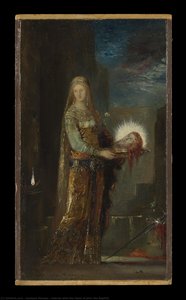
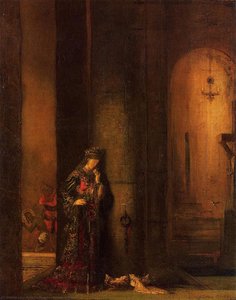
* salomé en la prisión (pintura de 'gustave moreau') es un ejemplo notable de su obra, mostrando su dominio del simbolismo. * autorretrato (pintura de 'gustave moreau') es otra poderosa representación del artista en sí mismo.**museo gustavo moreau**
El museo nacional gustavo-moreau (museo gustavo moreau paris, francia) en París está dedicado a la obra de Moreau, que alberga más de 1200 pinturas, acuarelas y dibujos. El museo es un testimonio de su legado artístico.**legado e influencia**
La influencia de Moreau en el movimiento simbolista es innegable. Enseñó en la école des beaux-arts, influyendo en artistas notables como hénri matisse y giorges rouault. Su naturaleza reclusiva no disminuyó su impacto en el mundo del arte.- descubra más sobre la vida y obra de gustavo moreau en ArtsDot.com
- explore el museo nacional gustavo-moreau y su impresionante colección de obras de arte en museo gustavo moreau paris, francia
- aprenda más sobre el movimiento simbolista y su importancia en la historia del arte en el movimiento simbolista de arte
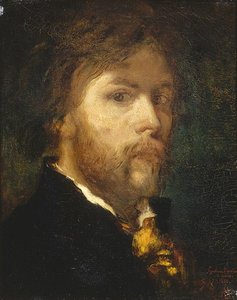
Gustave Moreau
1826 - 1898 , Francia
Datos clave
- Artistas Influenciados:
- Henri Matisse
- Georges Rouault
- Artistas Que Influyeron:
- Eugène Delacroix
- Miguel Ángel
- Leonardo da Vinci
- Fecha De Muerte: 1898
- Fecha De Nacimiento: 6 de abril de 1826
- Lugar De Nacimiento: París, Francia
- Movimiento Artístico: Simbolismo
- Nacionalidad: Francés
- Nombre Completo: Gustave Moreau
- Obras Notables:
- Salomé en la prisión
- Autorretrato
- Júpiter y Semele
- Orfeo
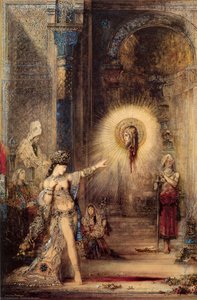
- La Aparición
Artículos relacionados

Las 10 Pinturas Más Famosas Dominadas por el Negro | Arte y Decoración
Descubre las 10 pinturas más impactantes dominadas por el negro. Explora obras maestras de Rembrandt, Goya y Rothko, su historia y significado. Encuentra reproducciones de arte exclusivas para transformar tu hogar en .
Gustave Moreau: Symbolism's Enigmatic Visionary & Precursors of Modern Fantasy Art
Explore the captivating world of Gustave Moreau, the leading Symbolist painter. Discover his iconic masterpieces, influences, and lasting legacy. Expert analysis for collectors & art enthusiasts.
Las 10 Obras Maestras Dominadas por el Negro Marsella: Arte y Decoración
Descubre las 10 pinturas más famosas dominadas por el negro marsella. Explora la historia, técnica y simbolismo de obras maestras del expresionismo alemán, gótico y arte moderno. Reproducciones de museos en .
Las 10 Obras Maestras del Negro Carbón: Arte, Historia y Decoración
Descubre 10 obras maestras del arte dominadas por el negro carbón. Explora la historia, técnica y significado de cuadros icónicos de artistas como Rembrandt y Goya. Encuentra reproducciones de museo en .
Los 10 Cuadros Más Famosos Dominados por el Negro Marfil: Arte y Decoración
Descubre los 10 cuadros más impactantes dominados por el negro marfil. Explora la historia de Rembrandt, Van Gogh y otros maestros del arte clásico y moderno. Encuentra reproducciones de alta calidad para tu hogar en