 Ver en contexto
 Enviar
 Compartir
 Detalles

 Descargar
 Similares
 Radiografía
 Presentación de diapositivas
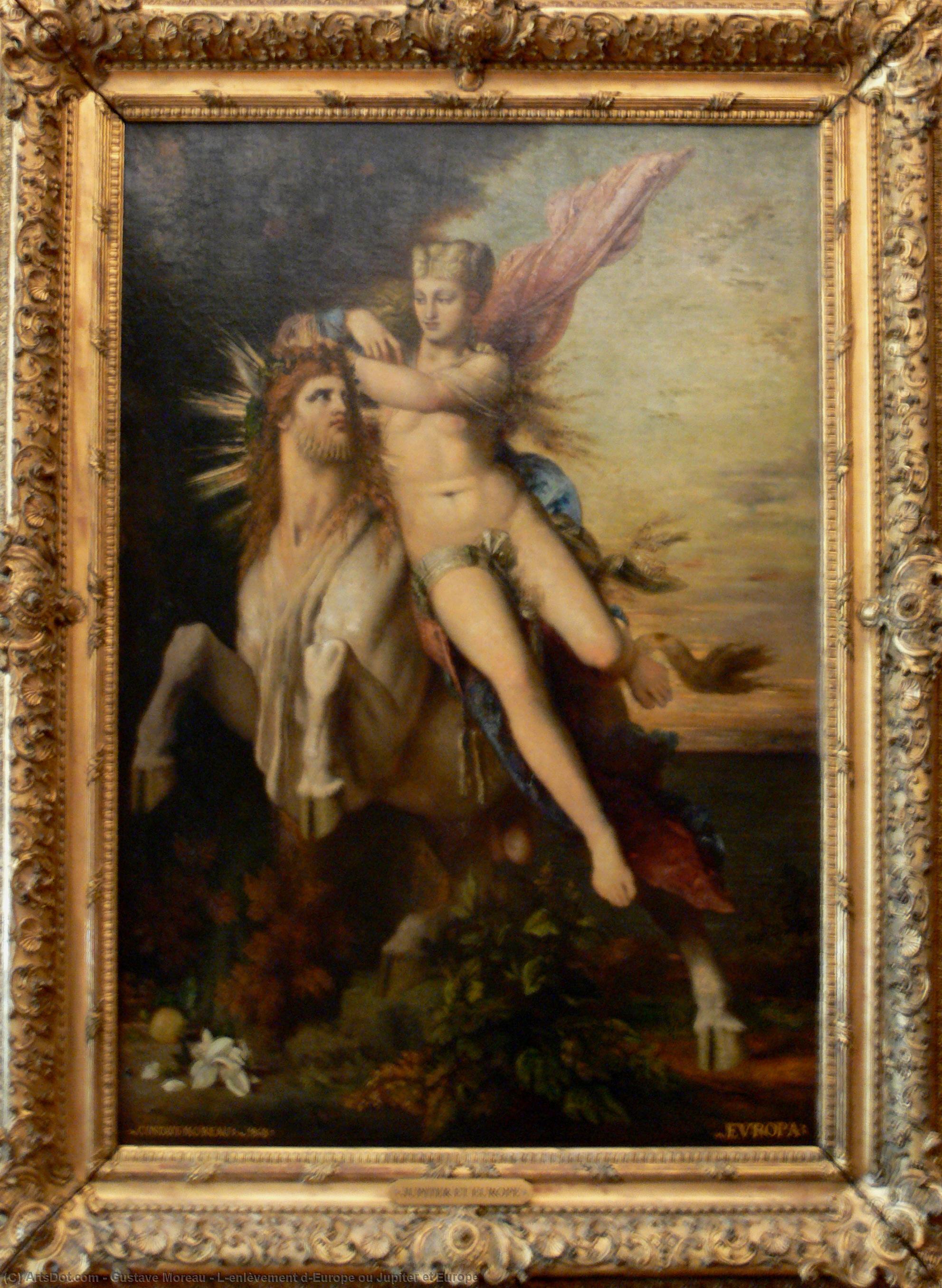
L'enlèvement d'Europe ou Jupiter et Europe


 Ver más
Giclée / Impresión de arte
Impresiones giclée o en lienzo de calidad de museo con producción rápida y opciones de acabado flexibles. ( Comprar pintura hecha a mano Comprar imagen)




P118B $10

P118H $10

P118W $10

P438Z $10

P508JH $12

P508YH $12

P805H $10

P805Z $10

P919BZ $10

P919G $10

P919XJ $10

P959ZH $10

P968JZ $12

W106C $8

W218G $10

W218JH $8

W218Y $10

W307PJ $10

W316G $10

W316PJ $8

W316Y $10

W398PJ $8

W4111J $10

W500HY $15

W500JH $15

W692G $12

W849H $8

W940BG $15

W953PJ $8




Elija entre nuestros tamaños predefinidos que respetan las proporciones originales de la obra.

Puede introducir sus propias dimensiones para adaptarse a un marco o espacio específico. Si el tamaño seleccionado no coincide con las proporciones de la imagen original, recortaremos la obra de arte o extenderemos la imagen con un borde con efecto espejo o de color sólido. Se enviará una maqueta digital para su aprobación antes de que comience la producción.
Tenga en cuenta que la vista previa en pantalla no refleja el recorte o la extensión real. Solo la maqueta mostrará con precisión la composición final.
Aunque existen tamaños personalizados, recomendamos seleccionar una dimensión de la lista predefinida para preservar las proporciones originales.
Envío a todo el mundo () en 2 semanas en lugar de las 4/5 semanas estándar. (29 agosto)

Envío exprés gratuito a todo el mundo

Lienzo de lino de alta calidad

Seguro de envío total

Garantía de reembolso de impuestos aduaneros

Garantía de fidelidad cromática exacta

Política de devolución de 60 días (solo por defectos)

Garantía de devolución del 100% del dinero

Descuento por cantidad
 La opción de vidrio solo está disponible en tamaños inferiores a 110 cm.

L'enlèvement d'Europe ou Jupiter et Europe
Giclée / Impresión de arte
Dimensiones de la reproducción
-


Precio total final
$ 62
A Dream Weaver of Symbolism: Gustave Moreau’s L'Enlèvement d'Europe
Gustave Moreau’s “L’Enlèvement d’Europe” – housed prominently in the Musée d’Orsay – isn’t merely a depiction of Greek mythology; it’s an immersive journey into the subconscious, meticulously crafted by one of Symbolism’s foremost practitioners. Painted in 1891, this monumental canvas transcends simple narrative representation, opting instead for a layered tapestry of imagery designed to provoke contemplation and evoke profound emotional responses. Moreau didn't aim to simply recount Zeus’ abduction of Europa; he sought to distill the essence of desire, fear, and divine intervention into a single unforgettable tableau.Style and Technique: The Language of Dreams
Moreau’s stylistic approach firmly establishes him within the Symbolist movement—a reaction against Impressionism’s focus on optical perception. Rejecting naturalistic color palettes and fleeting impressions, he embraced a deliberately muted tonal range dominated by dusky blues, browns, and ochres. These colors aren't chosen for their representational accuracy but rather for their ability to convey mood and atmosphere, mirroring the shadowy recesses of the human psyche. The technique itself is characterized by meticulous detail—a hallmark of Moreau’s oeuvre—executed with tempera on canvas. This medium lends itself beautifully to achieving luminous surfaces and conveying a sense of ethereal stillness, qualities crucial to capturing the dreamlike quality of the scene. He employed glazing techniques extensively, applying thin layers of translucent pigment over thicker undercoats to build up depth and luminosity, creating an illusionistic effect that defies conventional realism.Historical Context: Challenging Victorian Ideals
“L’Enlèvement d'Europe” emerged during a period of significant intellectual ferment in Europe—the waning years of the Victorian era. Artists like Moreau were actively rebelling against the moral conservatism and social conventions prevalent at the time, prioritizing subjective experience and exploring esoteric themes rooted in folklore and mythology. The Symbolist movement drew inspiration from sources as diverse as Nietzschean philosophy, Wagnerian opera, and occultism, reflecting a broader cultural preoccupation with spirituality and the mysteries of existence. Moreau’s work deliberately eschewed didactic pronouncements, instead inviting viewers to engage in an active process of interpretation—to confront unsettling images and grapple with complex psychological ideas.Symbolism Unleashed: Layers of Meaning
The painting's symbolism is extraordinarily rich and multifaceted. Zeus, rendered as a colossal bull adorned with intricate ornamentation – referencing Minoan frescoes – dominates the composition, embodying brute force and primal instinct. Europa, portrayed as a serene princess bathed in ethereal light, represents innocence and vulnerability, symbolizing the allure of the unknown. The angelic figures flanking the scene serve as guardians of virtue and protectors against evil, reinforcing the overarching narrative of moral struggle. Notably, Moreau incorporates elements of Islamic art—particularly geometric patterns—into the background, subtly suggesting connections between Eastern and Western spiritual traditions. These motifs contribute to the painting’s sense of timeless grandeur and underscore its exploration of universal themes concerning desire, transformation, and divine grace.Emotional Impact: A Vision of Transcendence
Ultimately, “L’Enlèvement d'Europe” succeeds in transporting viewers beyond the confines of rational thought into a realm of emotional intensity. The painting evokes feelings of awe, apprehension, and longing—reflecting the profound psychological complexities inherent in the myth itself. Moreau’s masterful manipulation of color, texture, and composition compels us to confront our own anxieties about vulnerability and surrender, while simultaneously offering glimpses of transcendent beauty and spiritual illumination. It remains a testament to Moreau's ability to transform mythological narrative into an enduring emblem of Symbolist artistic vision—a dream woven in pigment that continues to captivate audiences today.Obras relacionadas

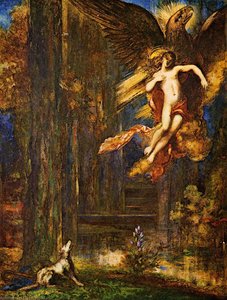
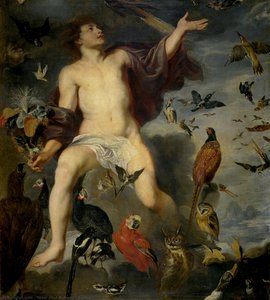
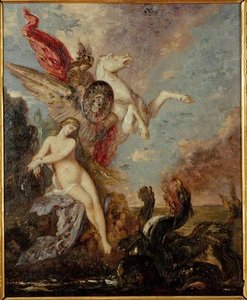
Biografía del artista
**vida temprana y educación**
gustave moreau, un artista francés, nació el 6 de abril de 1826 en París. Recibió una formación académica tradicional en pintura en la école des beaux-arts, mostrando una aptitud para el dibujo desde temprana edad.**el movimiento simbolista**
La obra de Moreau, caracterizada por temas alegóricos y mitológicos, lo posicionó como un destacado pintor simbolista, especialmente durante los años 1890. Su arte (y el simbolismo en general) cayó en desfavor pero ha sido reevaluado desde la década de 1960, con Moreau ahora considerado entre los pintores simbolistas más importantes.**obras notables y exposiciones**
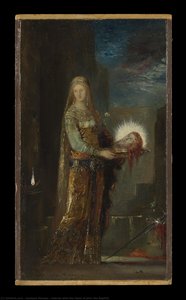
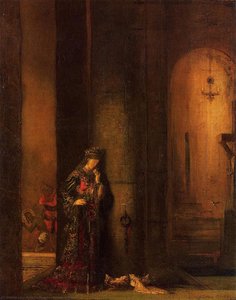
* salomé en la prisión (pintura de 'gustave moreau') es un ejemplo notable de su obra, mostrando su dominio del simbolismo. * autorretrato (pintura de 'gustave moreau') es otra poderosa representación del artista en sí mismo.**museo gustavo moreau**
El museo nacional gustavo-moreau (museo gustavo moreau paris, francia) en París está dedicado a la obra de Moreau, que alberga más de 1200 pinturas, acuarelas y dibujos. El museo es un testimonio de su legado artístico.**legado e influencia**
La influencia de Moreau en el movimiento simbolista es innegable. Enseñó en la école des beaux-arts, influyendo en artistas notables como hénri matisse y giorges rouault. Su naturaleza reclusiva no disminuyó su impacto en el mundo del arte.- descubra más sobre la vida y obra de gustavo moreau en ArtsDot.com
- explore el museo nacional gustavo-moreau y su impresionante colección de obras de arte en museo gustavo moreau paris, francia
- aprenda más sobre el movimiento simbolista y su importancia en la historia del arte en el movimiento simbolista de arte
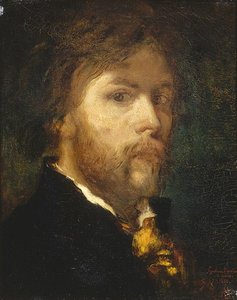
Gustave Moreau
1826 - 1898 , Francia
Datos clave
- Artistas Influenciados:
- Henri Matisse
- Georges Rouault
- Artistas Que Influyeron:
- Eugène Delacroix
- Miguel Ángel
- Leonardo da Vinci
- Fecha De Muerte: 1898
- Fecha De Nacimiento: 6 de abril de 1826
- Lugar De Nacimiento: París, Francia
- Movimiento Artístico: Simbolismo
- Nacionalidad: Francés
- Nombre Completo: Gustave Moreau
- Obras Notables:
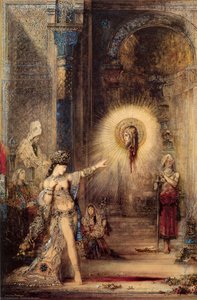
- Salomé en la prisión
- Autorretrato
- Júpiter y Semele
- Orfeo
- La Aparición
Artículos relacionados
Gustav Klimt: Las 25 Obras Maestras que Definen un Ícono del Arte Moderno | ArtsDot
Descubre las 25 obras maestras de Gustav Klimt, ícono del simbolismo y Art Nouveau. Explora 'El Beso', 'Judith' y más. Reproducciones de arte en ArtsDot.com para decorar tu hogar con elegancia. ¡Inspírate!
Gustave Moreau: Symbolism's Enigmatic Visionary & Precursors of Modern Fantasy Art
Explore the captivating world of Gustave Moreau, the leading Symbolist painter. Discover his iconic masterpieces, influences, and lasting legacy. Expert analysis for collectors & art enthusiasts.
Echoes of Olympus: Mythological Narratives in Western Art Through the Ages
Explore the captivating history of mythological narratives in Western art! From ancient Greece to modern masterpieces, discover iconic artworks & symbolism. Expert analysis and high-quality reproductions at ArtsDot.
Simbolismo en el Arte: 10 Obras Maestras que Marcaron una Época | ArtsDot
Descubre las 10 obras maestras del Simbolismo: Moreau, Redon y más. Explora la historia, el significado y la belleza de este movimiento artístico en ArtsDot.com. Reproducciones de arte de calidad museo para tu hogar.

Más Allá de la Realidad: El Simbolismo y su Profundo Impacto en la Pintura (1880-1910)
Descubre el fascinante mundo de la pintura simbolista (1880-1910). Análisis profundo de sus orígenes, características, artistas clave y temas recurrentes. Un viaje a través del misticismo y los sueños en el arte.