 Vista previa
 Compartir
 Compartir
 Ver detalles

 Descargar
 Ver similares
 Radiografía
 Presentación de diapositivas
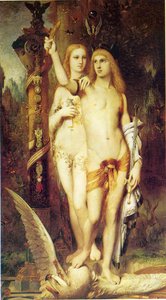
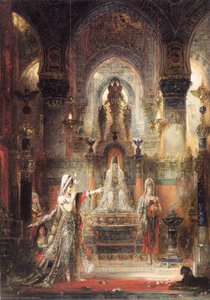
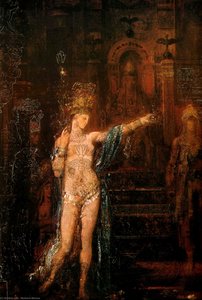
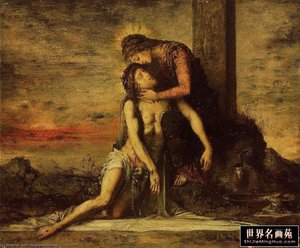
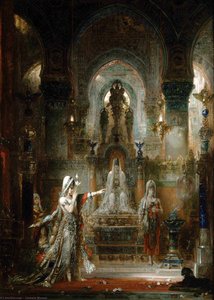
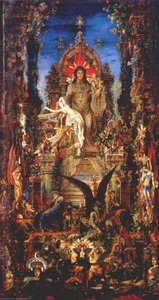
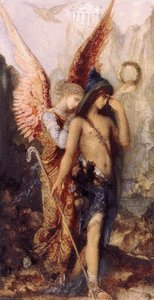
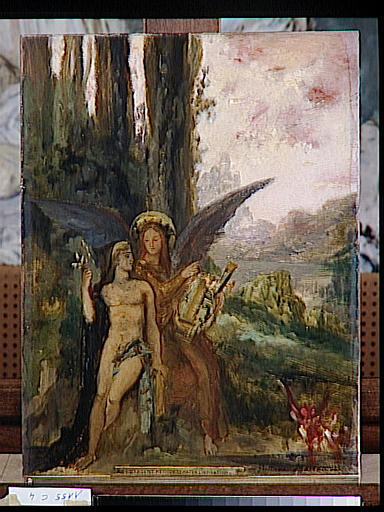
La Vie de l'Humanité L'Age d'argent, Hésiode et Orphée. Hésiode. Le Matin. L'Inspiration

 Leer más
Reproducción al óleo hecha a mano
Óleo sobre lienzo pintado a mano en el tamaño y marco de su elección, realizado por encargo por nuestros artistas. ( Pedir impresión Comprar descarga)




































Elija entre nuestros tamaños predefinidos que respetan las proporciones originales de la obra.

Puede ingresar sus propias dimensiones para adaptarse a un marco o espacio específico. Si el tamaño seleccionado no coincide con las proporciones de la imagen original, recortaremos la obra o extenderemos la pintura con elementos adicionales pintados a mano. Se le enviará una maqueta digital para su aprobación antes de comenzar la producción.
Tenga en cuenta que la vista previa en pantalla no refleja el recorte o la extensión reales. Solo la maqueta mostrará con precisión la composición final.
Si bien existen tamaños personalizados, recomendamos seleccionar una dimensión de la lista predefinida para preservar las proporciones originales.
Tras realizar el pedido, el equipo de ArtsDot.com enviará un correo electrónico al cliente para solicitar instrucciones y proporcionarle una vista previa del boceto.
Envío a todo el mundo () en 3-4 semanas en lugar de las 5 semanas estándar. (22 agosto). Sin comprometer la calidad.

Envío exprés gratuito a todo el mundo

Lienzo de lino de alta calidad

Seguro de envío completo

Garantía de reembolso de aranceles aduaneros

Garantía de fidelidad cromática exacta

Política de devolución de 60 días (solo por defectos)

Garantía de devolución del 100% del dinero

Oferta por volumen
 La opción de vidrio solo está disponible en tamaños inferiores a 110 cm.

La Vie de l'Humanité L'Age d'argent, Hésiode et Orphée. Hésiode. Le Matin. L'Inspiration
Técnica de reproducción
Tamaño de la reproducción
-


Precio total
$ 263
Descripción de la obra
Gustave Moreau: A Weaver of Mythic Visions
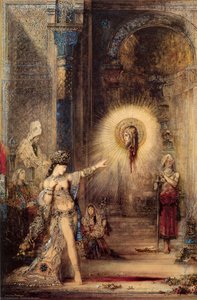
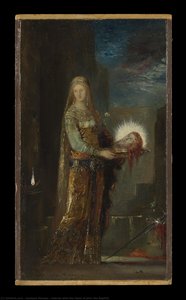
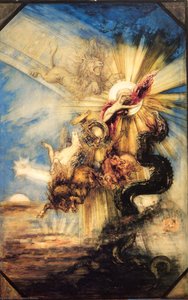
Moreau’s “La Vie de l'Humanité : L'Age d'argent, Hésiode et Orphée,” Cat. 1155-4, is more than just a painting; it’s an immersive experience into the heart of Symbolist art and philosophy. Executed in 1879 and subsequently revisited in 1886, this monumental polyptyque—measuring approximately 34 x 25.6 inches—represents Moreau's unwavering commitment to translating subjective emotion and spiritual yearning into a visual language steeped in mythic allusion. It’s housed in the Musée départemental de l'Oise – Beauvais, where visitors can contemplate its grandeur alongside other masterpieces of Symbolist landscape painting by Corot and Sisley.- Subject Matter: The composition unfolds as a dramatic retelling of Homer’s “Iliad” and Hesiod’s “Theogony,” portraying the genesis of humanity through interwoven narratives centered around Jupiter and Semele, Adam and Eve, and culminating in the triumphant return of Christ. Moreau meticulously captures these mythological figures against a backdrop of stylized trees—a deliberate choice reflecting the Symbolist preoccupation with nature as both source of inspiration and embodiment of spiritual truth.
- Style & Technique: Moreau’s distinctive style is characterized by its meticulous attention to detail, combined with an expressive use of color and texture. Employing oil paint on canvas, he achieves remarkable luminosity through layering techniques—a hallmark of Symbolist painting—creating a palpable sense of atmosphere and conveying profound emotional depth. The artist's masterful manipulation of light and shadow contributes significantly to the overall dramatic impact of the artwork.
- Historical Context: Moreau emerged during the fervent debates surrounding Impressionism, rejecting its objective representation in favor of exploring the inner landscape of consciousness. He aligned himself with the burgeoning Symbolist movement—a reaction against materialism and rationalism—drawing inspiration from Nietzsche’s philosophy and embracing esoteric traditions. This painting stands as a testament to Moreau's pioneering role in shaping the aesthetic sensibilities of his time.
- Symbolism & Imagery: The artwork is replete with symbolic imagery—ranging from the stylized depiction of Jupiter and Semele, symbolizing divine power and cosmic drama, to the poignant portrayal of Adam and Eve—representing innocence lost and the eternal struggle between good and evil. Moreau’s use of color—particularly crimson reds—evokes religious fervor and underscores the painting's thematic core: the triumph of spiritual redemption over mortality.
- Emotional Impact: Viewing “La Vie de l'Humanité” evokes a powerful emotional response, prompting contemplation on themes of creation, sacrifice, and divine grace. Moreau’s masterful composition—characterized by balanced symmetry and dynamic movement—captures the grandeur and solemnity of mythological narratives, inviting viewers to immerse themselves in a realm beyond mere visual perception.
Moreau's Approach: A Dialogue Between Form and Emotion
Moreau’s artistic vision transcended mere imitation; he sought to distill the essence of mythic experience into a visual form that resonated with profound psychological depth. As Jean Cassou aptly noted, Moreau “brought symbolist polyvalence to its highest point,” demonstrating an unparalleled ability to convey complex ideas through evocative imagery and masterful technique. His meticulous attention to detail—evident in the precise rendering of anatomical forms and the subtle gradations of color—served as a conduit for expressing inner turmoil and spiritual aspiration.A Legacy Enduring Beyond Its Time
Despite facing criticism during his lifetime, Moreau’s influence on subsequent generations of artists remains undeniable. His unwavering dedication to Symbolist principles—characterized by subjective vision and symbolic representation—established him as a pivotal figure in the history of modern art. Today, “La Vie de l'Humanité” continues to inspire admiration for its artistic brilliance and intellectual ambition—a testament to Moreau’s enduring legacy as one of France’s most visionary painters. Its presence within the Musée départemental de l'Oise – Beauvais – ensures that this monumental artwork will continue to captivate audiences for years to come.Obras relacionadas
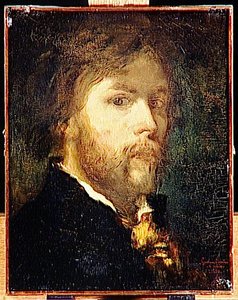
Biografía del artista
**vida temprana y educación**
gustave moreau, un artista francés, nació el 6 de abril de 1826 en París. Recibió una formación académica tradicional en pintura en la école des beaux-arts, mostrando una aptitud para el dibujo desde temprana edad.**el movimiento simbolista**
La obra de Moreau, caracterizada por temas alegóricos y mitológicos, lo posicionó como un destacado pintor simbolista, especialmente durante los años 1890. Su arte (y el simbolismo en general) cayó en desfavor pero ha sido reevaluado desde la década de 1960, con Moreau ahora considerado entre los pintores simbolistas más importantes.**obras notables y exposiciones**
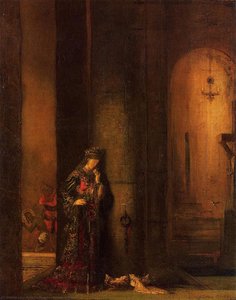
* salomé en la prisión (pintura de 'gustave moreau') es un ejemplo notable de su obra, mostrando su dominio del simbolismo. * autorretrato (pintura de 'gustave moreau') es otra poderosa representación del artista en sí mismo.**museo gustavo moreau**
El museo nacional gustavo-moreau (museo gustavo moreau paris, francia) en París está dedicado a la obra de Moreau, que alberga más de 1200 pinturas, acuarelas y dibujos. El museo es un testimonio de su legado artístico.**legado e influencia**
La influencia de Moreau en el movimiento simbolista es innegable. Enseñó en la école des beaux-arts, influyendo en artistas notables como hénri matisse y giorges rouault. Su naturaleza reclusiva no disminuyó su impacto en el mundo del arte.- descubra más sobre la vida y obra de gustavo moreau en ArtsDot.com
- explore el museo nacional gustavo-moreau y su impresionante colección de obras de arte en museo gustavo moreau paris, francia
- aprenda más sobre el movimiento simbolista y su importancia en la historia del arte en el movimiento simbolista de arte
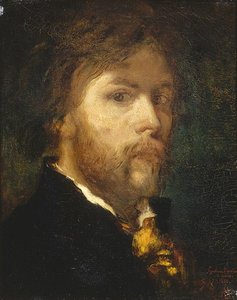
Gustave Moreau
1826 - 1898 , Francia
Datos clave
- Artistas Influenciados:
- Henri Matisse
- Georges Rouault
- Artistas Que Influyeron:
- Eugène Delacroix
- Miguel Ángel
- Leonardo da Vinci
- Fecha De Muerte: 1898
- Fecha De Nacimiento: 6 de abril de 1826
- Lugar De Nacimiento: París, Francia
- Movimiento Artístico: Simbolismo
- Nacionalidad: Francés
- Nombre Completo: Gustave Moreau
- Obras Notables:
- Salomé en la prisión
- Autorretrato
- Júpiter y Semele
- Orfeo
- La Aparición
Artículos relacionados
Gustave Moreau: Symbolism's Enigmatic Visionary & Precursors of Modern Fantasy Art
Explore the captivating world of Gustave Moreau, the leading Symbolist painter. Discover his iconic masterpieces, influences, and lasting legacy. Expert analysis for collectors & art enthusiasts.
Gustav Klimt: Las 25 Obras Maestras que Definen un Ícono del Arte Moderno | ArtsDot
Descubre las 25 obras maestras de Gustav Klimt, ícono del simbolismo y Art Nouveau. Explora 'El Beso', 'Judith' y más. Reproducciones de arte en ArtsDot.com para decorar tu hogar con elegancia. ¡Inspírate!
Echoes of Olympus: Mythological Narratives in Western Art Through the Ages
Explore the captivating history of mythological narratives in Western art! From ancient Greece to modern masterpieces, discover iconic artworks & symbolism. Expert analysis and high-quality reproductions at ArtsDot.
Simbolismo en el Arte: 10 Obras Maestras que Marcaron una Época | ArtsDot
Descubre las 10 obras maestras del Simbolismo: Moreau, Redon y más. Explora la historia, el significado y la belleza de este movimiento artístico en ArtsDot.com. Reproducciones de arte de calidad museo para tu hogar.
La Biennale de Venecia: 25 Obras Maestras para Inspirar tu Hogar | ArtsDot
Descubre las 25 obras maestras de la Bienal de Venecia. Explora la historia, artistas y técnicas detrás de iconos del arte renacentista, moderno y contemporáneo. Encuentra reproducciones de alta calidad e inspira tu hogar con ArtsDot.com.