 Ver en contexto
 Enviar
 Compartir
 Detalles

 Descargar
 Similares
 Radiografía
 Presentación de diapositivas
 Stats
StatsOreste


 Ver más
Giclée / Impresión de arte
Impresiones giclée o en lienzo de calidad de museo con producción rápida y opciones de acabado flexibles. ( Comprar pintura hecha a mano Switch to Digital Image)




P118B $10

P118H $10

P118W $10

P438Z $10

P508JH $12

P508YH $12

P805H $10

P805Z $10

P919BZ $10

P919G $10

P919XJ $10

P959ZH $10

P968JZ $12

W106C $8

W218G $10

W218JH $8

W218Y $10

W307PJ $10

W316G $10

W316PJ $8

W316Y $10

W398PJ $8

W4111J $10

W500HY $15

W500JH $15

W692G $12

W849H $8

W940BG $15

W953PJ $8




Elija entre nuestros tamaños predefinidos que respetan las proporciones originales de la obra.

Puede introducir sus propias dimensiones para adaptarse a un marco o espacio específico. Si el tamaño seleccionado no coincide con las proporciones de la imagen original, recortaremos la obra de arte o extenderemos la imagen con un borde con efecto espejo o de color sólido. Se enviará una maqueta digital para su aprobación antes de que comience la producción.
Tenga en cuenta que la vista previa en pantalla no refleja el recorte o la extensión real. Solo la maqueta mostrará con precisión la composición final.
Aunque existen tamaños personalizados, recomendamos seleccionar una dimensión de la lista predefinida para preservar las proporciones originales.
Envío a todo el mundo () en 2 semanas en lugar de las 4/5 semanas estándar. (7 septiembre)

Envío exprés gratuito a todo el mundo

Lienzo de lino de alta calidad

Seguro de envío total

Garantía de reembolso de impuestos aduaneros

Garantía de fidelidad cromática exacta

Política de devolución de 100 días (solo por defectos)

Garantía de devolución del 100% del dinero

Descuento por cantidad
 La opción de vidrio solo está disponible en tamaños inferiores a 110 cm.

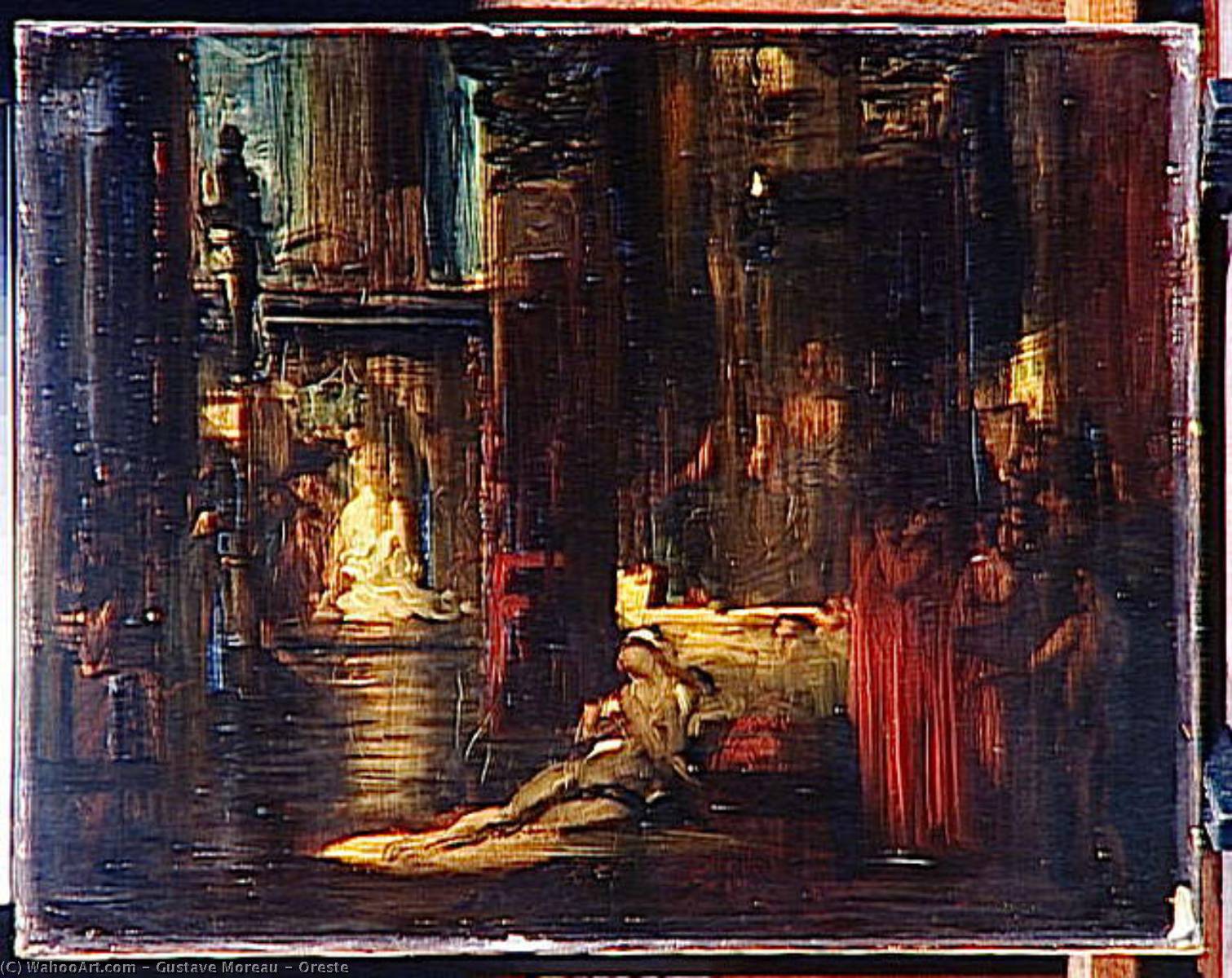
Oreste
Giclée / Impresión de arte
Dimensiones de la reproducción
-


Precio total final
$ 62
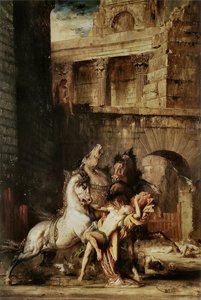
A Dreamscape of Mythic Tension
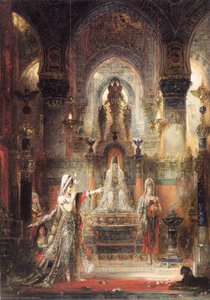
In the quiet, shadowed corridors of late 19th-century Symbolism, few works command the room with as much psychological gravity as Gustave Moreau’s Oreste. Painted around 1895, this masterpiece serves as a profound invitation into a meticulously crafted dreamscape, designed to provoke deep contemplation and resonate with the unspoken tensions of the human soul. The scene captures a solemn gathering around a dining table, bathed in a subdued, ethereal light that instantly establishes an atmosphere of hushed reverence. It is not merely a depiction of figures in a room; it is a window into a world where the boundaries between reality and myth are perpetually blurred.
The composition draws the viewer into a moment of heavy deliberation. A group of individuals sits at the table, their postures conveying a weight of seriousness that transcends the physical setting. As one gazes upon the scene, the presence of a simple bowl resting upon the tabletop hints at something far deeper than mere sustenance; it acts as a symbolic anchor for the complexities of life and ritual. The room itself, dimly lit and shrouded in mystery, creates an intimate yet hauntingly vast space where every shadow seems to hold a secret, making it an extraordinary focal point for any collection seeking to evoke intrigue and intellectual depth.
The Alchemy of Technique and Symbolism
Moreau’s mastery is most evident in his signature use of technique, specifically his employment of tempera on canvas. This method allowed him to achieve a remarkable luminosity and subtle tonal gradations that are essential for conveying the ethereal quality demanded by the Symbolist movement. His brushwork, though contributing to an overall impression of stillness, is punctuated by expressive gestures and an opulent ornamentation that defines his unique aesthetic. Every detail, from the texture of the garments to the play of light on the tabletop, is rendered with a meticulousness that rewards prolonged observation.
Beyond the surface beauty lies a dense web of symbolism rooted in the intellectual ferment of Paris. During a period when thinkers like Nietzsche and Freud were beginning to reshape our understanding of the psyche, Moreau drew heavily from the ancient echoes of Homer’s Iliad. The figures within the composition, reminiscent of deities such as Zeus and Hera, are not presented as benevolent rulers but as embodiments of primal, often unsettling, forces. The bowl on the table serves as a potent symbol of sacrifice and ritual, reflecting Moreau's preoccupation with the spiritual and the cyclical nature of mythic tragedy. For the discerning collector or interior designer, this painting offers more than decoration; it provides a narrative layer of profound spiritual and psychological complexity.
An Eternal Presence for the Modern Interior
For those looking to curate an environment of sophistication and thought-provoking beauty, Oreste offers an unparalleled emotional impact. The painting’s ability to anchor a room with its dark, moody palette and dramatic composition makes it a versatile choice for high-end residential or gallery settings. It possesses a timeless quality that bridges the gap between the classical past and the modern fascination with the subconscious.
Whether displayed in a quiet study, a formal dining area, or a contemporary living space, a high-quality reproduction of this work brings with it the prestige of art history. It invites guests to linger, to wonder, and to engage with the shadows. To possess such a piece is to hold a fragment of Moreau’s "dream weaver" legacy, allowing the haunting beauty of Symbolism to breathe life into the modern architectural landscape.
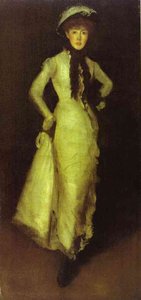
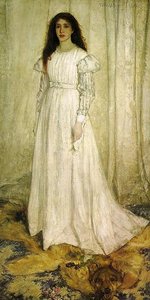
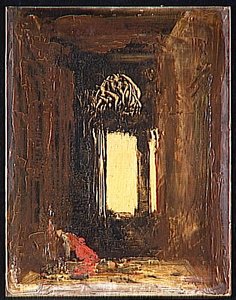
Obras relacionadas
Biografía del artista
**vida temprana y educación**
gustave moreau, un artista francés, nació el 6 de abril de 1826 en París. Recibió una formación académica tradicional en pintura en la école des beaux-arts, mostrando una aptitud para el dibujo desde temprana edad.**el movimiento simbolista**
La obra de Moreau, caracterizada por temas alegóricos y mitológicos, lo posicionó como un destacado pintor simbolista, especialmente durante los años 1890. Su arte (y el simbolismo en general) cayó en desfavor pero ha sido reevaluado desde la década de 1960, con Moreau ahora considerado entre los pintores simbolistas más importantes.**obras notables y exposiciones**
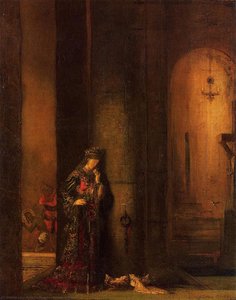
* salomé en la prisión (pintura de 'gustave moreau') es un ejemplo notable de su obra, mostrando su dominio del simbolismo. * autorretrato (pintura de 'gustave moreau') es otra poderosa representación del artista en sí mismo.**museo gustavo moreau**
El museo nacional gustavo-moreau (museo gustavo moreau paris, francia) en París está dedicado a la obra de Moreau, que alberga más de 1200 pinturas, acuarelas y dibujos. El museo es un testimonio de su legado artístico.**legado e influencia**
La influencia de Moreau en el movimiento simbolista es innegable. Enseñó en la école des beaux-arts, influyendo en artistas notables como hénri matisse y giorges rouault. Su naturaleza reclusiva no disminuyó su impacto en el mundo del arte.- descubra más sobre la vida y obra de gustavo moreau en ArtsDot.com
- explore el museo nacional gustavo-moreau y su impresionante colección de obras de arte en museo gustavo moreau paris, francia
- aprenda más sobre el movimiento simbolista y su importancia en la historia del arte en el movimiento simbolista de arte
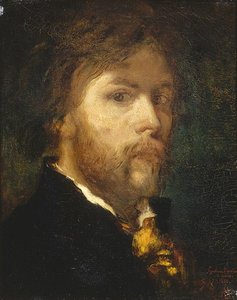
Gustave Moreau
1826 - 1898 , Francia
Datos clave
- Artistas Influenciados:
- Henri Matisse
- Georges Rouault
- Artistas Que Influyeron:
- Eugène Delacroix
- Miguel Ángel
- Leonardo da Vinci
- Fecha De Muerte: 1898
- Fecha De Nacimiento: 6 de abril de 1826
- Lugar De Nacimiento: París, Francia
- Movimiento Artístico: Simbolismo
- Nacionalidad: Francés
- Nombre Completo: Gustave Moreau
- Obras Notables:
- Salomé en la prisión
- Autorretrato
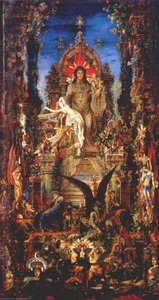
- Júpiter y Semele
- Orfeo
- La Aparición
Artículos relacionados

Las 10 Pinturas Más Famosas Dominadas por el Negro | Arte y Decoración
Descubre las 10 pinturas más impactantes dominadas por el negro. Explora obras maestras de Rembrandt, Goya y Rothko, su historia y significado. Encuentra reproducciones de arte exclusivas para transformar tu hogar en .

Monochrome Visions: Exploring the Aesthetic & Historical Significance of Black & White Photography
Explore the rich history & artistic power of black and white photography. From early techniques to iconic masters like Ansel Adams, discover why monochrome continues to captivate art lovers today. Expert insights for collectors.
Cultivando Ambientes: Selección de Reproducciones Artísticas para el Comedor – Una Guía Histórica y Estética
Descubre cómo seleccionar reproducciones artísticas para tu comedor con nuestra guía experta. Explora la historia del bodegón, desde el Renacimiento hasta el Pop Art, y crea un ambiente sofisticado y lleno de estilo.

Blanco Sublime: Los 10 Cuadros Más Famosos Dominados por la Luz y el Color
Descubre los 10 cuadros blancos más emblemáticos de la historia del arte. Explora Monet, Van Gogh y Klimt, y su magistral uso de la luz y el color. Encuentra reproducciones de alta calidad e inspírate para tu decoración en .
La Sutileza del Neutro: Explorando la Abstracción en Blanco y Negro para una Arquitectura Moderna Elevada
Descubre cómo la abstracción en blanco y negro eleva el diseño arquitectónico moderno. Expertos revelan secretos de iluminación, materiales y minimalismo para espacios sofisticados y atemporales.