 Ver en contexto
 Enviar
 Compartir
 Detalles

 Descargar
 Similares
 Radiografía
 Presentación de diapositivas
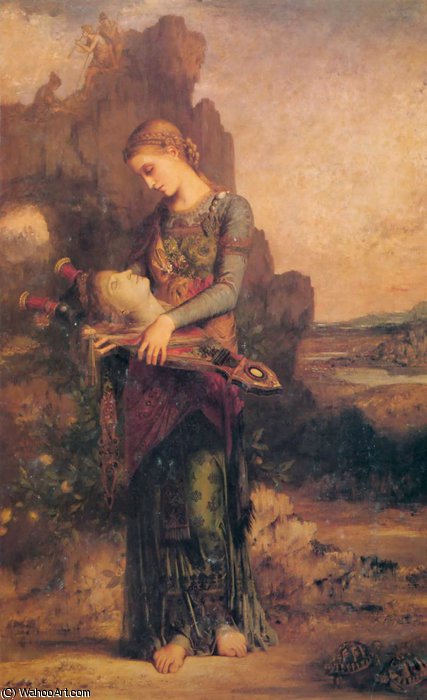
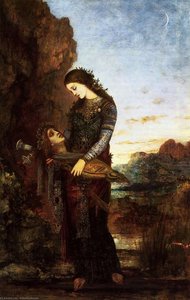
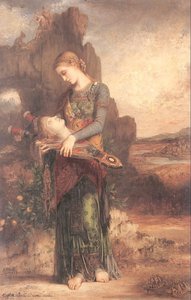
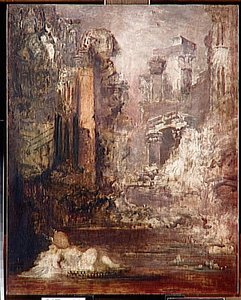
Thracian girl carrying the head of Orpheus on his lyre


 Ver más
Giclée / Impresión de arte
Impresiones giclée o en lienzo de calidad de museo con producción rápida y opciones de acabado flexibles. ( Comprar pintura hecha a mano Comprar imagen)




P118B $10

P118H $10

P118W $10

P438Z $10

P508JH $12

P508YH $12

P805H $10

P805Z $10

P919BZ $10

P919G $10

P919XJ $10

P959ZH $10

P968JZ $12

W106C $8

W218G $10

W218JH $8

W218Y $10

W307PJ $10

W316G $10

W316PJ $8

W316Y $10

W398PJ $8

W4111J $10

W500HY $15

W500JH $15

W692G $12

W849H $8

W940BG $15

W953PJ $8




Elija entre nuestros tamaños predefinidos que respetan las proporciones originales de la obra.

Puede introducir sus propias dimensiones para adaptarse a un marco o espacio específico. Si el tamaño seleccionado no coincide con las proporciones de la imagen original, recortaremos la obra de arte o extenderemos la imagen con un borde con efecto espejo o de color sólido. Se enviará una maqueta digital para su aprobación antes de que comience la producción.
Tenga en cuenta que la vista previa en pantalla no refleja el recorte o la extensión real. Solo la maqueta mostrará con precisión la composición final.
Aunque existen tamaños personalizados, recomendamos seleccionar una dimensión de la lista predefinida para preservar las proporciones originales.
Envío a todo el mundo () en 2 semanas en lugar de las 4/5 semanas estándar. (3 septiembre)

Envío exprés gratuito a todo el mundo

Lienzo de lino de alta calidad

Seguro de envío total

Garantía de reembolso de impuestos aduaneros

Garantía de fidelidad cromática exacta

Política de devolución de 60 días (solo por defectos)

Garantía de devolución del 100% del dinero

Descuento por cantidad
 La opción de vidrio solo está disponible en tamaños inferiores a 110 cm.

Thracian girl carrying the head of Orpheus on his lyre
Giclée / Impresión de arte
Dimensiones de la reproducción
-


Precio total final
$ 62
A Portrait of Myth and Melancholy: Gustave Moreau’s “Thracian Girl”
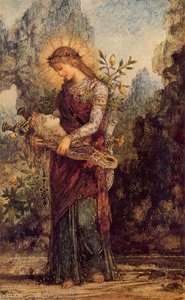
- Subject: The painting depicts a young Thracian woman, presented as an embodiment of sorrow and reverence, cradling the severed head of Orpheus upon his lyre. This arresting image immediately draws the viewer into a world steeped in ancient Greek mythology and profound emotional resonance.
- Artist: Gustave Moreau (1826-1898), a pivotal figure in the Symbolist movement, meticulously crafted this work during 1865, reflecting his fascination with dreamlike narratives and symbolic representation rather than literal depiction.
Symbolism and the Language of Dreams
Moreau’s “Thracian Girl” is a masterclass in Symbolist technique. The scene unfolds against a dramatic backdrop of a rocky mountain, immediately establishing a sense of isolation and timelessness. The woman's attire – a flowing Greek-inspired dress – speaks to classical antiquity, yet her expression and the presence of Orpheus’ head inject an element of profound melancholy. Moreau wasn't interested in simply illustrating a mythological scene; he sought to evoke a specific mood, a feeling of loss and contemplation. The composition itself is deliberately unsettling, with the woman’s gaze directed off-camera, inviting the viewer to share her unspoken sorrow.
Technique and Materiality
- Style: The painting exemplifies the Symbolist style, characterized by its emphasis on mood, emotion, and subjective experience over realistic representation.
- Technique: Moreau employed a meticulous layering of oil paint, building up textures and colors to create an almost dreamlike quality. His brushwork is often described as delicate and precise, contributing to the painting’s ethereal atmosphere. The use of rich, jewel-toned pigments – particularly in the woman's dress and the lyre – adds to the work’s opulent and slightly unsettling beauty.
Historical Context and Interpretation
Created during a period of significant artistic and intellectual ferment—the rise of Symbolism challenged the dominant Realist and Impressionist movements—Moreau’s “Thracian Girl” reflects a broader cultural shift towards exploring the subconscious and the spiritual. The choice of Orpheus, the legendary musician whose music could charm even the gods, adds another layer of complexity. His severed head symbolizes not just loss but also the tragic fate of artistic inspiration, suggesting that beauty can be both captivating and ultimately destructive. This painting is a poignant meditation on grief, memory, and the enduring power of art.
Obras relacionadas
Biografía del artista
**vida temprana y educación**
gustave moreau, un artista francés, nació el 6 de abril de 1826 en París. Recibió una formación académica tradicional en pintura en la école des beaux-arts, mostrando una aptitud para el dibujo desde temprana edad.**el movimiento simbolista**
La obra de Moreau, caracterizada por temas alegóricos y mitológicos, lo posicionó como un destacado pintor simbolista, especialmente durante los años 1890. Su arte (y el simbolismo en general) cayó en desfavor pero ha sido reevaluado desde la década de 1960, con Moreau ahora considerado entre los pintores simbolistas más importantes.**obras notables y exposiciones**
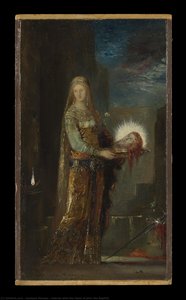
* salomé en la prisión (pintura de 'gustave moreau') es un ejemplo notable de su obra, mostrando su dominio del simbolismo. * autorretrato (pintura de 'gustave moreau') es otra poderosa representación del artista en sí mismo.**museo gustavo moreau**
El museo nacional gustavo-moreau (museo gustavo moreau paris, francia) en París está dedicado a la obra de Moreau, que alberga más de 1200 pinturas, acuarelas y dibujos. El museo es un testimonio de su legado artístico.**legado e influencia**
La influencia de Moreau en el movimiento simbolista es innegable. Enseñó en la école des beaux-arts, influyendo en artistas notables como hénri matisse y giorges rouault. Su naturaleza reclusiva no disminuyó su impacto en el mundo del arte.- descubra más sobre la vida y obra de gustavo moreau en ArtsDot.com
- explore el museo nacional gustavo-moreau y su impresionante colección de obras de arte en museo gustavo moreau paris, francia
- aprenda más sobre el movimiento simbolista y su importancia en la historia del arte en el movimiento simbolista de arte
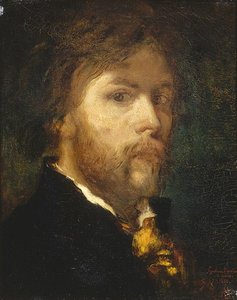
Gustave Moreau
1826 - 1898 , Francia
Datos clave
- Artistas Influenciados:
- Henri Matisse
- Georges Rouault
- Artistas Que Influyeron:
- Eugène Delacroix
- Miguel Ángel
- Leonardo da Vinci
- Fecha De Muerte: 1898
- Fecha De Nacimiento: 6 de abril de 1826
- Lugar De Nacimiento: París, Francia
- Movimiento Artístico: Simbolismo
- Nacionalidad: Francés
- Nombre Completo: Gustave Moreau
- Obras Notables:
- Salomé en la prisión
- Autorretrato
- Júpiter y Semele
- Orfeo
- La Aparición
Artículos relacionados
Gustave Moreau: Symbolism's Enigmatic Visionary & Precursors of Modern Fantasy Art
Explore the captivating world of Gustave Moreau, the leading Symbolist painter. Discover his iconic masterpieces, influences, and lasting legacy. Expert analysis for collectors & art enthusiasts.
Echoes of Olympus: Mythological Narratives in Western Art Through the Ages
Explore the captivating history of mythological narratives in Western art! From ancient Greece to modern masterpieces, discover iconic artworks & symbolism. Expert analysis and high-quality reproductions at ArtsDot.
Más Allá de la Realidad: El Simbolismo y su Profundo Impacto en la Pintura (1880-1910)
Descubre el fascinante mundo de la pintura simbolista (1880-1910). Análisis profundo de sus orígenes, características, artistas clave y temas recurrentes. Un viaje a través del misticismo y los sueños en el arte.
Mitologías Personales: La Transmutación de Experiencias en Composiciones Simbólicas a través del Arte Pictórico
Descubre cómo transformar tus experiencias en arte significativo. Expertos en curaduría y obras personalizadas. Inversión segura, calidad garantizada. ¡Inspírate!
Symbolism & the Subconscious: How 19th-Century Artists Painted Dreams and Emotion
Explore the evocative world of 19th-century Symbolism. Discover how masters like Gustave Moreau used dreams, myth, and metaphor to paint the subconscious, moving beyond realism to capture profound human emotion and spiritual truth.