

 Ver en contexto
 Enviar
 Compartir
 Detalles

 Descargar
 Similares
 Radiografía
 Presentación de diapositivas
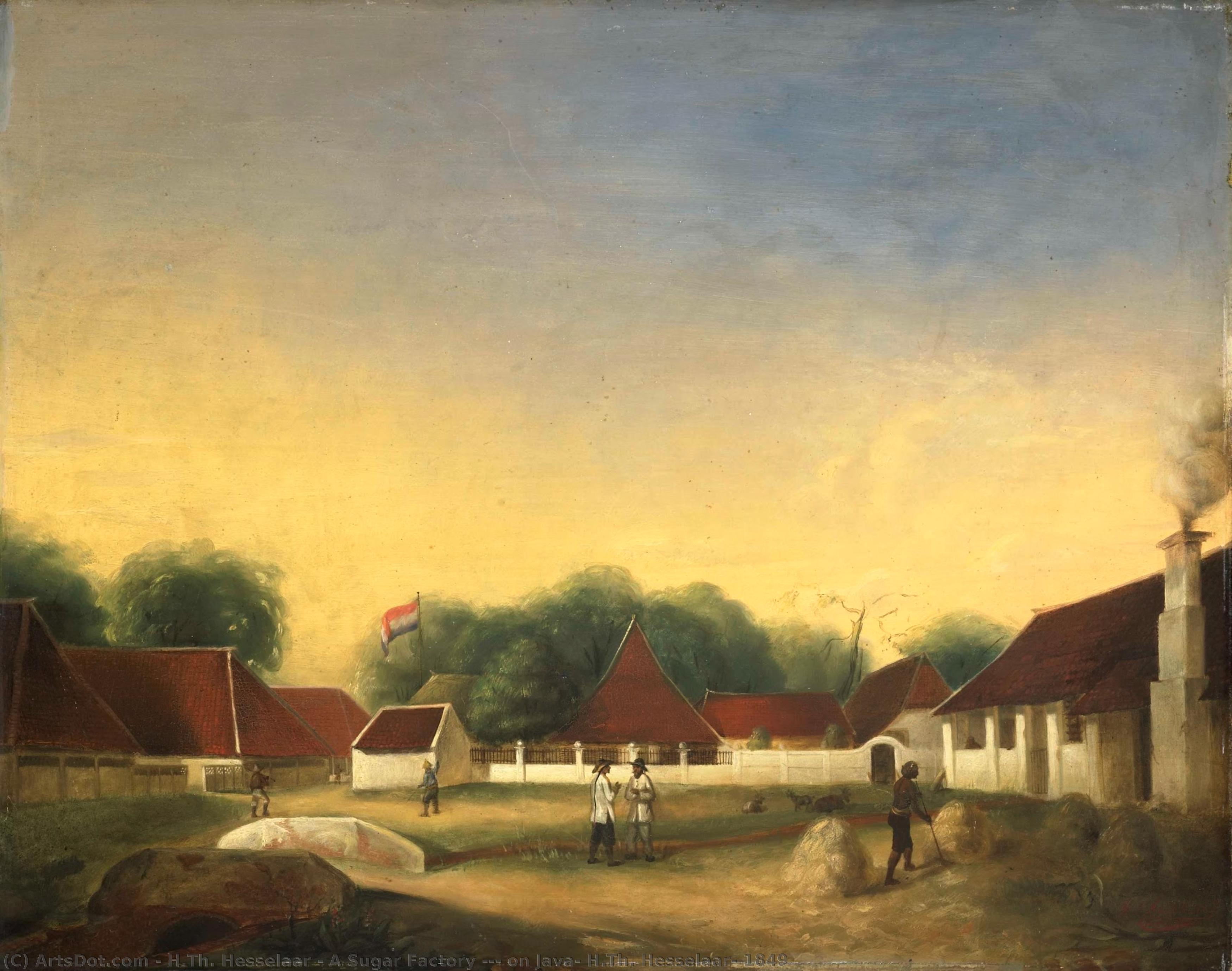
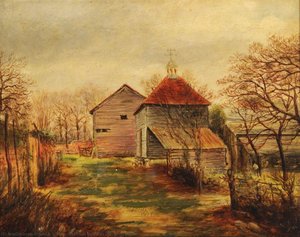
A Sugar Factory (?) on Java, H.Th. Hesselaar, 1849
 1849
1849 43.0 x 55.0 cm
 Ver más
Reproducción al óleo hecha a mano
Óleo sobre lienzo pintado a mano en el tamaño y marco de su elección, realizado por encargo por nuestros artistas. ( Comprar impresión Comprar imagen)




































Elija entre nuestros tamaños predefinidos que respetan las proporciones originales de la obra.

Puede ingresar sus propias dimensiones para adaptarse a un marco o espacio específico. Si el tamaño seleccionado no coincide con las proporciones de la imagen original, recortaremos la obra o extenderemos la pintura con elementos adicionales pintados a mano. Se le enviará una maqueta digital para su aprobación antes de comenzar la producción.
Tenga en cuenta que la vista previa en pantalla no refleja el recorte o la extensión reales. Solo la maqueta mostrará con precisión la composición final.
Si bien existen tamaños personalizados, recomendamos seleccionar una dimensión de la lista predefinida para preservar las proporciones originales.
Tras realizar el pedido, el equipo de ArtsDot.com enviará un correo electrónico al cliente para solicitar instrucciones y proporcionarle una vista previa del boceto.
Envío a todo el mundo () en 3-4 semanas en lugar de las 5 semanas estándar. (6 septiembre). Sin comprometer la calidad.

Envío exprés gratuito a todo el mundo

Lienzo de lino de alta calidad

Seguro de envío total

Garantía de reembolso de impuestos aduaneros

Garantía de fidelidad cromática exacta

Política de devolución de 100 días (solo por defectos)

Garantía de devolución del 100% del dinero

Descuento por cantidad
 La opción de vidrio solo está disponible en tamaños inferiores a 110 cm.

A Sugar Factory (?) on Java, H.Th. Hesselaar, 1849
Técnica de reproducción
Dimensiones de la reproducción
-


Precio total final
$ 263
Obras relacionadas






Biografía del artista
The Dutch Visionary of Javanese Industry: H.Th. Hesselaar
Hendrik Thijmen Hesselaar, often known as H.Th. Hesselaar, remains a fascinating yet relatively obscure figure in the history of 19th-century art and colonial representation. Born in the Netherlands, his artistic legacy is inextricably linked to his time spent on Java, then part of the Dutch East Indies. While biographical details surrounding his early life are scarce, it’s clear that Hesselaar possessed a keen eye for detail and a talent for capturing the burgeoning industrial landscape unfolding within the island nation. He wasn't merely documenting scenes; he was offering a unique perspective on the intersection of European enterprise and Javanese life—a viewpoint shaped by both observation and participation in the colonial project.A Witness to Transformation: Hesselaar’s Artistic Focus
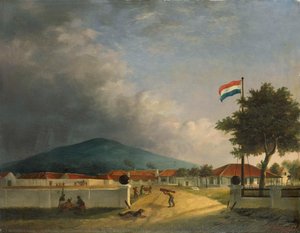
Hesselaar’s artistic output centers almost entirely around depictions of sugar factories on Java during the 1840s. This singular focus is telling. The sugar industry was, at this time, a cornerstone of the Dutch colonial economy, and these factories represented not just economic power but also a significant transformation of the Javanese landscape and social structure. Unlike many artists who focused on romanticized depictions of native cultures or sweeping landscapes, Hesselaar chose to portray the mechanics of production—the steam engines, the milling processes, the laborers at work. His paintings, such as “A Sugar Factory (?) on Java” (1849) and “The Kedawong Sugar Factory near Pasuruan, Java” (1849), are meticulously rendered, almost topographical in their precision. They reveal a fascination with the technology itself, but also subtly acknowledge the human element driving these operations. The scale of his works often emphasizes the factories’ dominance over the surrounding environment, hinting at the profound impact of colonial industry on the island's ecology and traditional ways of life.Technique and Style: Realism and Colonial Perspective
Hesselaar’s style is firmly rooted in realism, a prevalent artistic movement of the mid-19th century. However, his realism isn’t simply about accurate representation; it's imbued with a distinctly colonial sensibility. His paintings lack the dramatic flair or emotional intensity often found in Romantic art. Instead, they present a detached, almost clinical observation. The light is typically clear and bright, illuminating every detail of the machinery and architecture. This clarity can be interpreted as an attempt to convey a sense of order and control—a visual assertion of European rationality imposed upon a foreign landscape. While he depicts Javanese workers in his scenes, they are often presented as part of the industrial process rather than as individuals with their own agency or stories. This is not necessarily indicative of malice on Hesselaar’s part, but rather reflects the prevailing attitudes and power dynamics of the colonial era.Historical Significance: Documenting a Colonial Economy
The importance of Hesselaar's work lies in its unique documentation of a specific moment in colonial history. His paintings offer valuable insights into the infrastructure and operations of the Javanese sugar industry, providing a visual record that complements historical accounts. They are not simply aesthetic objects; they are artifacts of a complex economic and political system. Furthermore, Hesselaar’s work challenges traditional narratives about colonial art. While many artists focused on exoticism or idealized landscapes, he chose to depict the less glamorous aspects of colonialism—the factories, the labor, the environmental impact. This makes his paintings particularly relevant today, as scholars and audiences grapple with the legacies of colonialism and its representation in art. His works serve as a reminder that even seemingly objective depictions can be imbued with power dynamics and ideological assumptions.Legacy and Rediscovery
Despite their historical significance, Hesselaar’s paintings remained relatively unknown for many years. In recent decades, however, there has been growing interest in his work, fueled by a broader re-evaluation of colonial art and history. His paintings are now held in various collections, including those of the Rijksmuseum and other institutions dedicated to Dutch colonial heritage.- His works provide a crucial visual counterpoint to romanticized depictions of Java.
- They offer valuable insights into the economic infrastructure of the Dutch East Indies.
- Hesselaar’s paintings prompt critical reflection on the power dynamics inherent in colonial representation.
Datos clave
- Date Of Death: Living
- Full Name: H.Th. Hesselaar
- Notable Artworks:
- A Sugar Factory on Java
- The Kedawong Sugar Factory