

 Ver en contexto
 Enviar
 Compartir
 Detalles

 Descargar
 Similares
 Radiografía
 Presentación de diapositivas
 Estadísticas
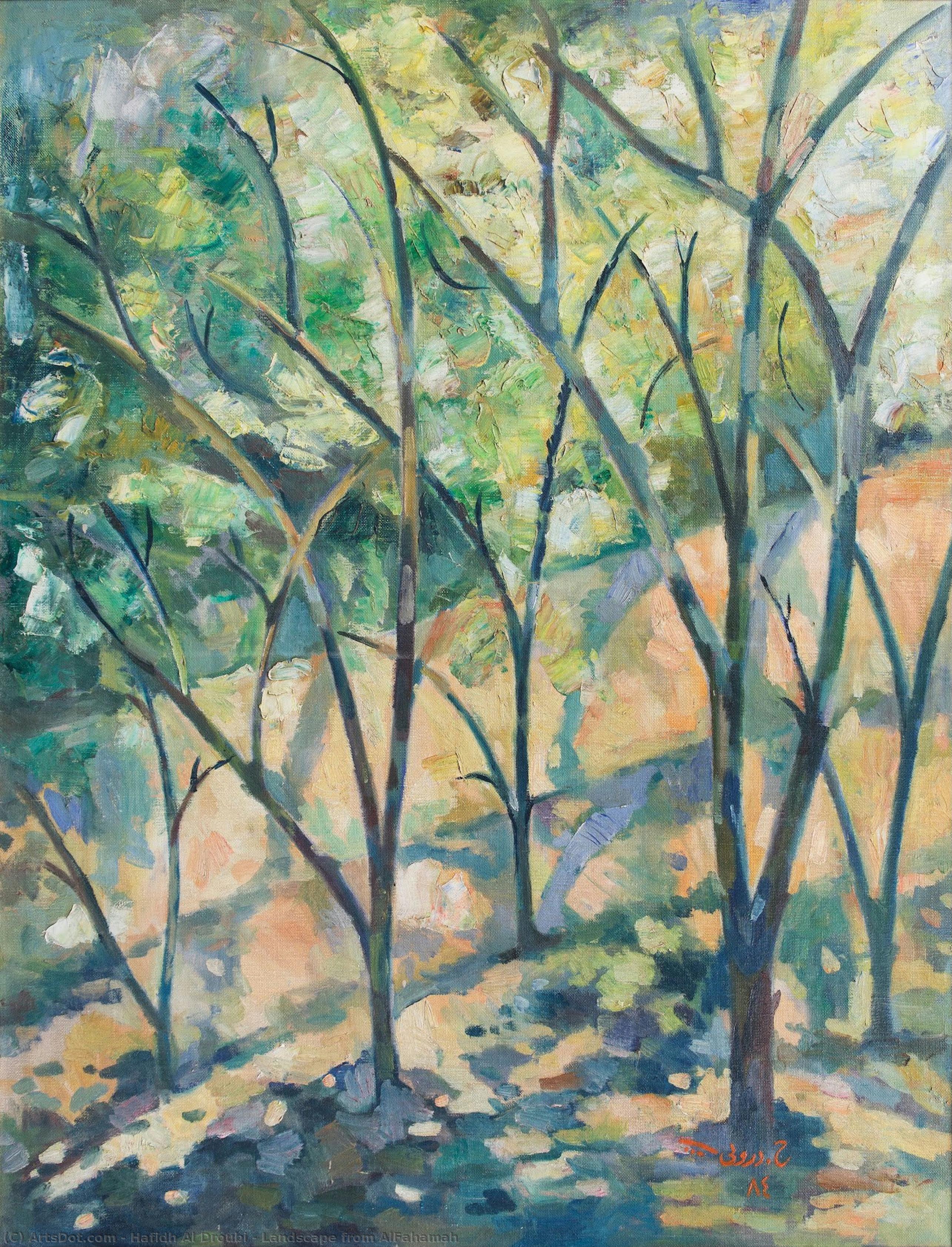
Landscape from AlFahamah
 Oil
Oil- WallArt
- Impressionism
 1984
1984- Modern
 90.0 x 70.0 cm
 Colección Ibrahimi
 Ver más
Adquiera una imagen digital de alta resolución y optimizada, muy superior a la vista previa en línea.
Cada archivo es preparado meticulosamente por nuestros especialistas internos mediante el uso de herramientas avanzadas y un experto retoque manual. Nos aseguramos de que cada imagen posea una claridad excepcional, una precisión cromática impecable y un detalle minucioso.
El archivo final se entrega por correo electrónico en un plazo de 72 horas, optimizado para su uso inmediato en entornos profesionales, editoriales y de impresión. Esta es la misma calidad en la que confían los estudios de diseño, las editoriales y las galerías de primer nivel.
Imagen Digital
Descarga un archivo de alta resolución para exhibición personal, impresión y proyectos creativos. ( Cambiar a Impresión Comprar pintura hecha a mano)
Incluido en cada pedido de imágenes digitales
Entrega digital experta, garantizada.
Al elegir ArtsDot.com, no solo está adquiriendo una imagen; está recibiendo una obra de arte digital mejorada profesionalmente, elaborada con precisión y respaldada por una garantía de satisfacción. Esto es todo lo que incluye su pedido, automáticamente:

Entrega rápida por email
Recibirá su archivo de imagen digital en alta resolución por correo electrónico en un plazo de 72 horas tras realizar su pedido, listo para su uso inmediato.

Archivo digital optimizado por IA
Su obra de arte se optimiza profesionalmente mediante herramientas avanzadas de IA y edición manual, garantizando el máximo detalle, claridad y precisión cromática.

Reenvío gratuito de por vida
¿Has borrado o perdido tu archivo por error? No te preocupes: te lo volveremos a enviar en cualquier momento, sin coste adicional.

Sin gastos de importación, siempre
Disfrute de su obra de arte al instante sin aduanas, aranceles ni gastos de envío; las descargas digitales siempre están libres de impuestos.

Garantía de fidelidad de color
Garantizamos que su imagen digital refleje los colores originales con la mayor fidelidad posible, mediante el uso de herramientas profesionales y gestión del color.

Garantía de satisfacción de 100 días
Si no está satisfecho con su imagen digital, la revisaremos o le reembolsaremos el 100% en un plazo de 100 días, sin preguntas.

100% Garantía de devolución de dinero
¿No está satisfecho? Obtenga un reembolso completo dentro de los 100 días posteriores a la recepción de su archivo digital, sin preguntas.

Descuentos por pedidos grandes
Compra 3 imágenes, ahorra 10% - Compra 5, ahorra 15% - Compra 10+, ahorra 20%. Ideal para proyectos creativos, galerías y agencias.
A Symphony of Light and Foliage
In the evocative landscape titled Landscape from AlFahamah, the viewer is transported into a serene, impressionistic realm where the passage of time feels momentarily suspended. Created in 1984 by the esteemed Iraqi master Hafidh al-Droubi, this piece serves as a breathtaking meditation on nature's seasonal transitions. The composition is anchored by a rhythmic arrangement of trees, their branches reaching outward like delicate veins against an expansive sky. A striking contrast defines the visual experience: the foreground is bathed in the warm, golden hues of yellowing leaves, suggesting the gentle onset of autumn, while the background recedes into deep, lush greens. This interplay of color creates a profound sense of depth and dimension, inviting the eye to wander through a dense, yet peaceful, woodland sanctuary.
The technique employed in this work reflects al-Droubi’s remarkable ability to manipulate light and texture to evoke atmosphere. While he is widely celebrated for his contributions to Cubism and the professionalization of Iraqi art education, this particular landscape reveals a masterful command of the impressionist style. Through visible, purposeful brushstrokes, the artist captures the flickering quality of light as it filters through the canopy. Each of the thirteen visible trees possesses its own unique character, yet they coalesce into a unified, harmonious whole. The way the branches extend from the trunks creates a structural complexity that prevents the scene from feeling static, instead imbuing the canvas with a living, breathing energy that resonates with the organic movement of the natural world.
Historical Resonance and Artistic Legacy
To behold Landscape from AlFahamah is to touch a piece of the foundational history of modern Iraqi art. Hafidh al-Droubi was not merely a painter but a pioneer who helped shape the very soul of 20th-century Middle Eastern modernism. Born in Baghdad in 1914, his life’s work was dedicated to elevating the standards of art education and introducing innovative perspectives to a burgeoning movement. This landscape, painted much later in his career, demonstrates a mature, reflective period where the artist moves beyond geometric abstraction to embrace the emotive power of the natural environment. It stands as a testament to his versatility—a bridge between the structured intellect of Cubism and the sensory, emotional fluidity of landscape painting.
For the discerning collector or interior designer, this artwork offers more than just aesthetic beauty; it provides an emotional anchor for any space. The painting’s palette of gold, green, and soft sky tones possesses a calming, restorative quality, making it an ideal centerpiece for environments designed for contemplation and tranquility. Whether placed in a sophisticated gallery setting or as a focal point in a contemporary living space, the work radiates a sense of timelessness. Owning a high-quality reproduction of this masterpiece allows one to bring the quiet majesty of al-Droubi’s vision into the home, fostering an atmosphere of peace and intellectual depth that only true fine art can provide.
Obras relacionadas
Biografía del artista
**early life and artistic beginnings**
Hafidh Al-Droubi, a monumental figure in the evolution of Iraqi art, was born in Baghdad in 1914, a city poised on the cusp of profound cultural transformation. His early years, marked by personal loss – the untimely death of his father – instilled within him a quiet resilience and a deep appreciation for family bonds. Raised primarily by his mother and uncle, a shrewd merchant dealing in goat hair, Al-Droubi’s upbringing was steeped in traditional values while simultaneously nurturing a nascent curiosity about the world beyond. His initial education unfolded within the framework of the local mosques, where he learned to read, write, and develop a foundational understanding of Arabic script – skills that would later inform his artistic vision. This early exposure to Islamic art and calligraphy subtly shaped his aesthetic sensibilities, laying the groundwork for his future explorations into form and composition. A defining moment arrived at the age of five when, observing his mother’s intricate embroidery work, he developed a keen interest in color, texture, and pattern – elements that would become central to his distinctive artistic style.**influence and formative years**
As a young boy, Al-Droubi's passion for art was initially met with resistance from his conservative family, who viewed it as an unconventional pursuit. Despite these reservations, his uncle’s generosity ensured he could continue to indulge in his creative inclinations, purchasing art supplies that fueled his burgeoning talent. In the 1920s, he began formal training at Bab El-Sheikh Primary School, where he mastered the fundamentals of European academic art – proportions, anatomy, and perspective—techniques rooted in Western artistic traditions. This grounding provided a crucial bridge between his Iraqi heritage and the broader world of art. A pivotal encounter occurred in 1924 when he met fellow artists Mohamed Khadr, Akram Shoukri, and Ismail Al-Samarrai, who would become lifelong collaborators and mentors. These formative relationships exposed him to new ideas and techniques, fostering a spirit of experimentation and innovation. The influence of these figures was particularly significant as they were all part of the first generation of Iraqi artists pushing for modernization in their art.**formal training and international exposure**
In 1936, Al-Droubi embarked on a transformative journey to Rome, Italy, where he enrolled at the Accademia Reale. This period marked a crucial turning point in his artistic development, exposing him to the masterpieces of the Renaissance and Baroque eras. He studied under Carlo Severo, an Italian artist who instilled in him the principles of classical composition and technique. However, the outbreak of World War II abruptly interrupted his studies, forcing him to return to Baghdad in 1940. Undeterred, he established a free painting studio in the city, providing aspiring artists with access to essential resources and fostering a vibrant artistic community. Following the war, Al-Droubi continued his artistic pursuits, enrolling at Goldsmiths College in London in 1950, where he earned a Bachelor of Arts degree. This transatlantic experience broadened his horizons further, exposing him to diverse artistic styles and perspectives.**contribution to Iraqi art education and collective movements**
Upon returning to Iraq, Al-Droubi played a pivotal role in shaping the landscape of Iraqi art education. He was instrumental in establishing the curriculum for the drawing department at the Institute of Fine Arts in Baghdad, alongside Faik Hassan and Atta Sabri. Furthermore, he co-founded the Friends of Art Society (*Jama’at Asdiqa al-Fann*) in 1941, a pioneering organization dedicated to promoting artistic appreciation among the public and fostering social interaction between artists. This society organized annual art exhibitions that showcased the work of local talent, contributing significantly to the visibility and recognition of Iraqi artists. Al-Droubi’s commitment extended beyond institutional roles; he also formed the Impressionists collective in 1953, bringing together a group of like-minded artists who embraced experimentation and diverse styles. This group, including Dia Azzawi, encouraged artistic freedom and pushed the boundaries of traditional Iraqi art.**artistic legacy and enduring influence**
Hafidh Al-Droubi’s artistic legacy continues to resonate throughout Iraq and beyond. His cubist paintings, characterized by their innovative use of form, perspective, and color, represent a bold departure from traditional styles and a significant contribution to the development of modern Iraqi art. His work is often imbued with a sense of urban dynamism, capturing the energy and complexity of Baghdad’s streets and its people. Al-Droubi's influence extended far beyond his own creations, shaping the foundations of early Iraqi art education and inspiring generations of artists. His paintings are now held in private and public collections worldwide, serving as enduring testaments to his artistic vision and his profound impact on the cultural landscape of Iraq.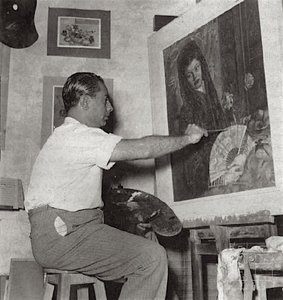
hafidh al droubi
1914 - 1991 , Irak
Breves datos
- Artistic Movement Or Style: Pintura Cubista
- Artists Or Movements Influenced By This Artist:
- Arte Moderno Iraquí
- Los Pioneros
- Artists Who Influenced This Artist:
- Picasso
- Dali
- Van Gough
- Cezanne
- Date Of Birth: 1914 Baghdad, Irak
- Full Name: Hafidh Al-Droubi
- Nationality: Iraqi
- Notable Artworks:
- Dos Bailarinas
- Pelea de Gallos
- Place Of Birth: Baghdad, Irak