 Ver en contexto
 Enviar
 Compartir
 Detalles

 Descargar
 Similares
 Radiografía
 Presentación de diapositivas
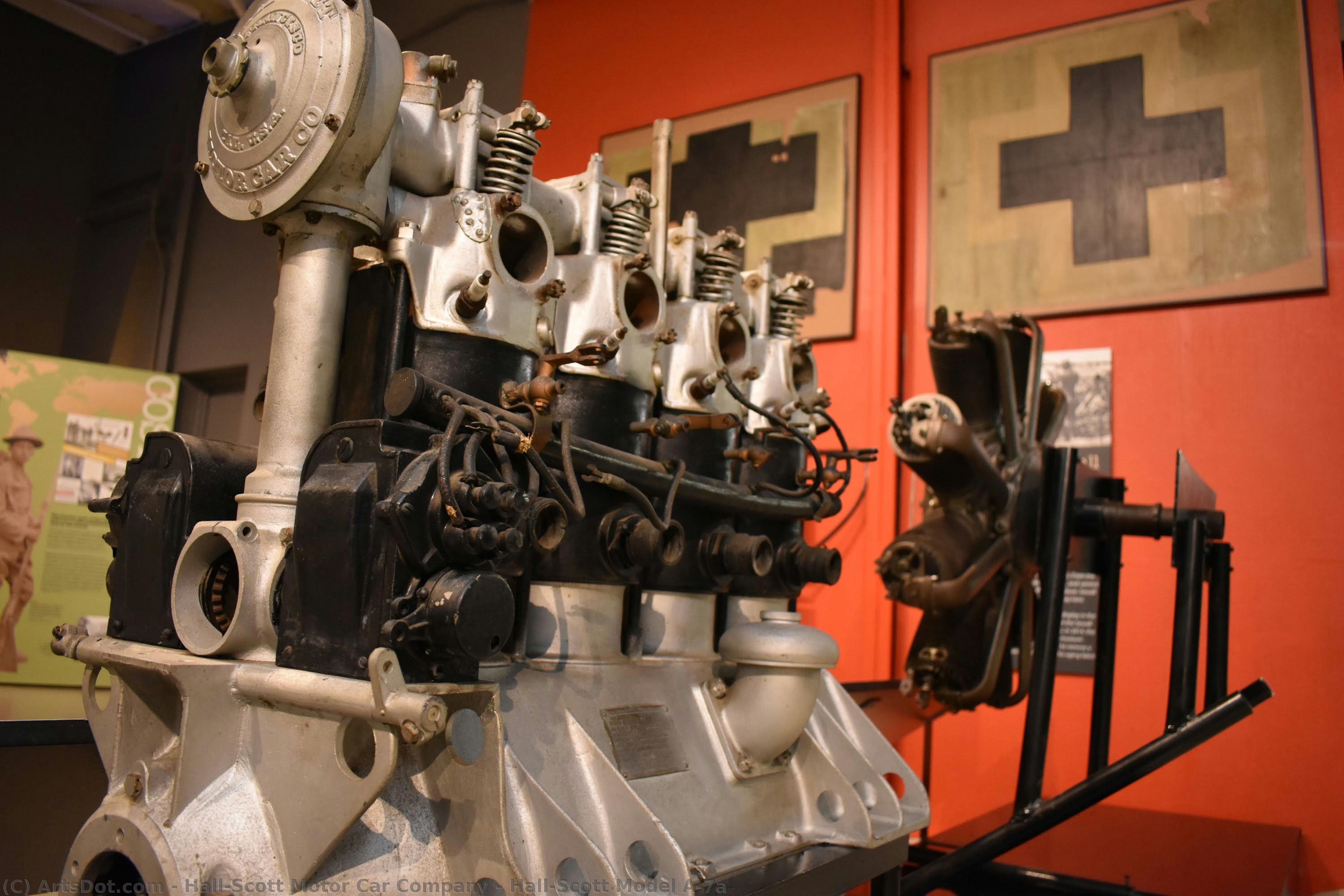
Hall-Scott Model A-7a


 Ver más
Giclée / Impresión de arte
Impresiones giclée o en lienzo de calidad de museo con producción rápida y opciones de acabado flexibles. ( Comprar pintura hecha a mano Comprar imagen)




































Elija entre nuestros tamaños predefinidos que respetan las proporciones originales de la obra.

Puede introducir sus propias dimensiones para adaptarse a un marco o espacio específico. Si el tamaño seleccionado no coincide con las proporciones de la imagen original, recortaremos la obra de arte o extenderemos la imagen con un borde con efecto espejo o de color sólido. Se enviará una maqueta digital para su aprobación antes de que comience la producción.
Tenga en cuenta que la vista previa en pantalla no refleja el recorte o la extensión real. Solo la maqueta mostrará con precisión la composición final.
Aunque existen tamaños personalizados, recomendamos seleccionar una dimensión de la lista predefinida para preservar las proporciones originales.
Envío a todo el mundo () en 2 semanas en lugar de las 4/5 semanas estándar. (7 septiembre)

Envío exprés gratuito a todo el mundo

Lienzo de lino de alta calidad

Seguro de envío total

Garantía de reembolso de impuestos aduaneros

Garantía de fidelidad cromática exacta

Política de devolución de 100 días (solo por defectos)

Garantía de devolución del 100% del dinero

Descuento por cantidad
 La opción de vidrio solo está disponible en tamaños inferiores a 110 cm.

Hall-Scott Model A-7a
Giclée / Impresión de arte
Dimensiones de la reproducción
-


Precio total final
$ 62
Obras relacionadas










Biografía del artista
The Pioneering Spirit of Hall-Scott Motor Car Company
The Hall-Scott Motor Car Company, though relatively short-lived in the automotive world, represents a fascinating intersection of engineering prowess and early 20th-century ambition. Emerging from the fertile ground of California’s burgeoning industrial landscape, the company wasn't born of a singular vision for automobile creation but rather as an outgrowth of a successful engine manufacturing business. Founded by Charles Hall and Howard Scott, the firm initially specialized in lightweight gasoline engines—engines that quickly gained prominence powering aircraft during World War I. This expertise in aviation propulsion would prove pivotal in shaping their foray into automotive design, setting them apart from many contemporaries focused solely on ground transportation. The transition wasn't a sudden one; it was a logical extension of their capabilities, fueled by the post-war demand for luxury and performance vehicles.From Aviation Engines to Automotive Innovation
Following the armistice in 1918, Hall-Scott found itself with significant manufacturing capacity and a wealth of engineering talent. Rather than solely relying on continued military contracts, they turned their attention towards the civilian market, specifically high-end automobiles. The company’s first offering, introduced in 1920, was a remarkable machine—a six-cylinder vehicle distinguished by its innovative engine design. This wasn't simply an adaptation of existing technology; Hall-Scott engineers developed a unique, underslung chassis and a sophisticated valve arrangement that delivered exceptional smoothness and power for the time. The engine itself was a masterpiece of precision engineering, boasting a distinctive “flathead” configuration and a reputation for reliability. The cars were meticulously crafted, featuring luxurious interiors and elegant styling—a clear attempt to compete with established marques like Cadillac and Packard. However, the Hall-Scott automobile wasn’t merely about opulence; it embodied a commitment to technical excellence that resonated with discerning drivers who appreciated sophisticated machinery.A Brief but Brilliant Run
Despite its technological merits, the Hall-Scott Motor Car Company faced considerable challenges in establishing itself within the competitive automotive industry. Production was limited, and distribution networks were underdeveloped compared to larger manufacturers. The company’s focus on high quality and intricate engineering also translated into a higher price point, restricting its appeal to a relatively small segment of the market. The economic downturn following World War I further exacerbated these difficulties. While the cars themselves garnered praise from automotive journalists and enthusiasts—often lauded for their performance and refinement—sales remained modest. Production continued for only a few years, ceasing in 1923. The company then returned to its core business of engine manufacturing, continuing to supply engines for various applications, including marine vessels and aircraft.Legacy and Historical Significance
Although the Hall-Scott automobile enjoyed a brief existence, its impact on automotive history should not be underestimated. The company demonstrated a remarkable ability to adapt and innovate, successfully transitioning from aviation engine production to high-end car manufacturing. Their commitment to engineering excellence—particularly their unique engine design and underslung chassis—represented a significant advancement in automotive technology.- Technical Prowess: Hall-Scott’s engines were highly regarded for their smoothness, power, and reliability.
- Innovative Design: The underslung chassis provided superior handling and ride comfort compared to conventional designs of the era.
- Luxury Craftsmanship: The cars featured meticulously crafted interiors and elegant styling, appealing to a discerning clientele.